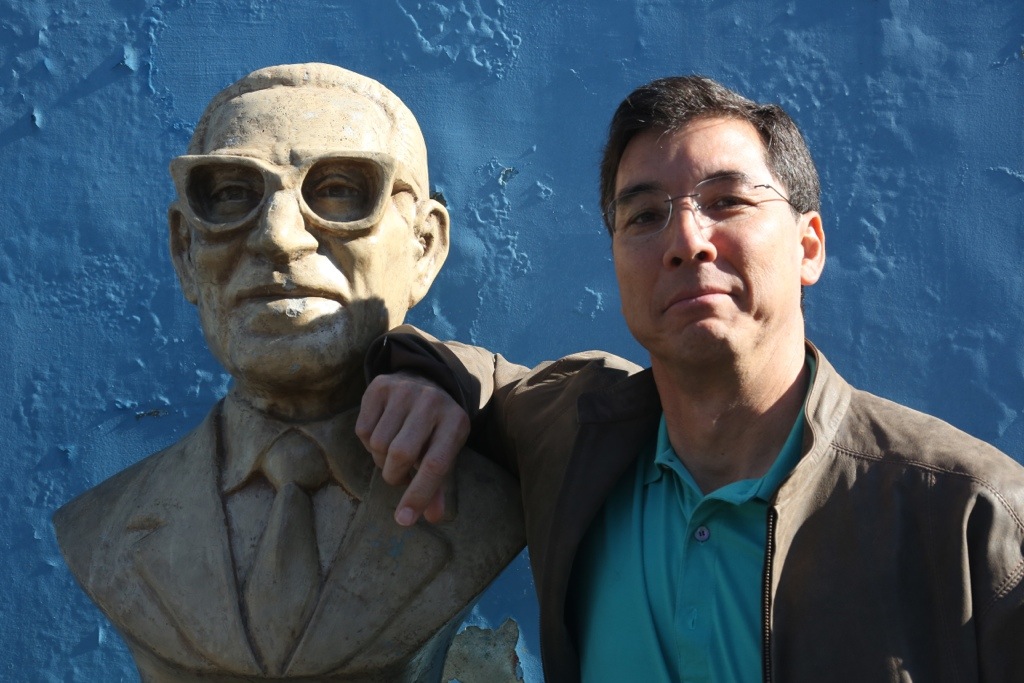
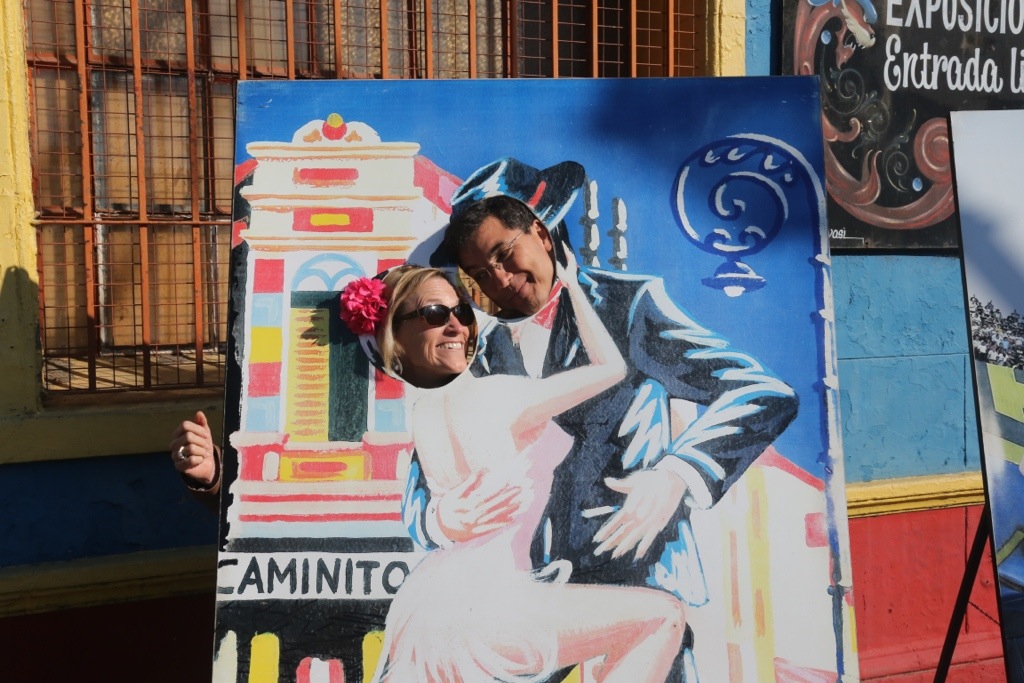
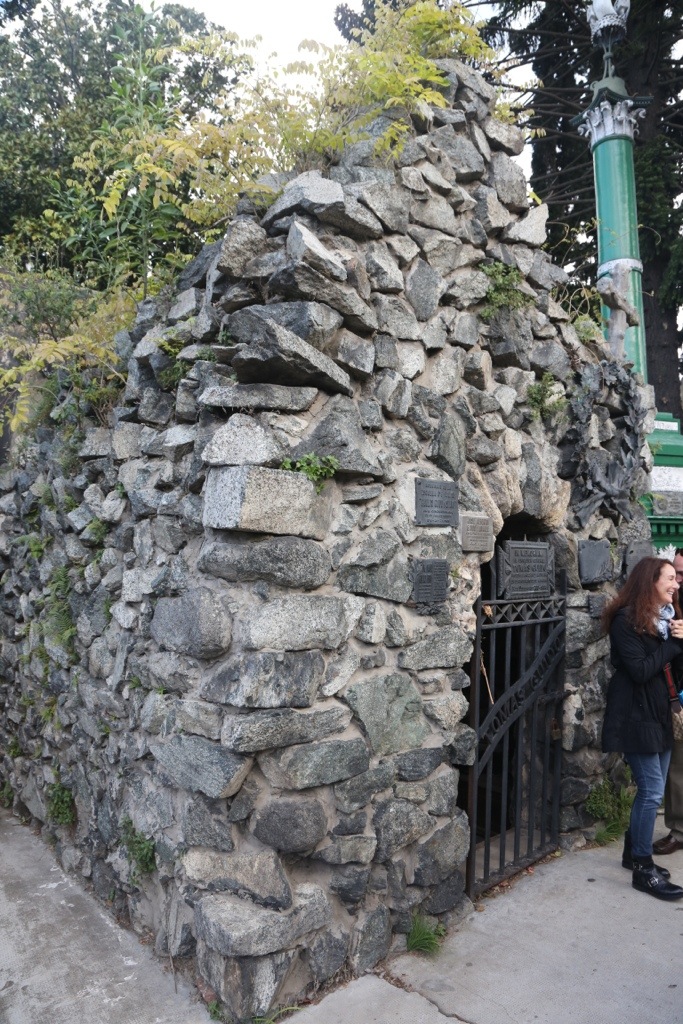
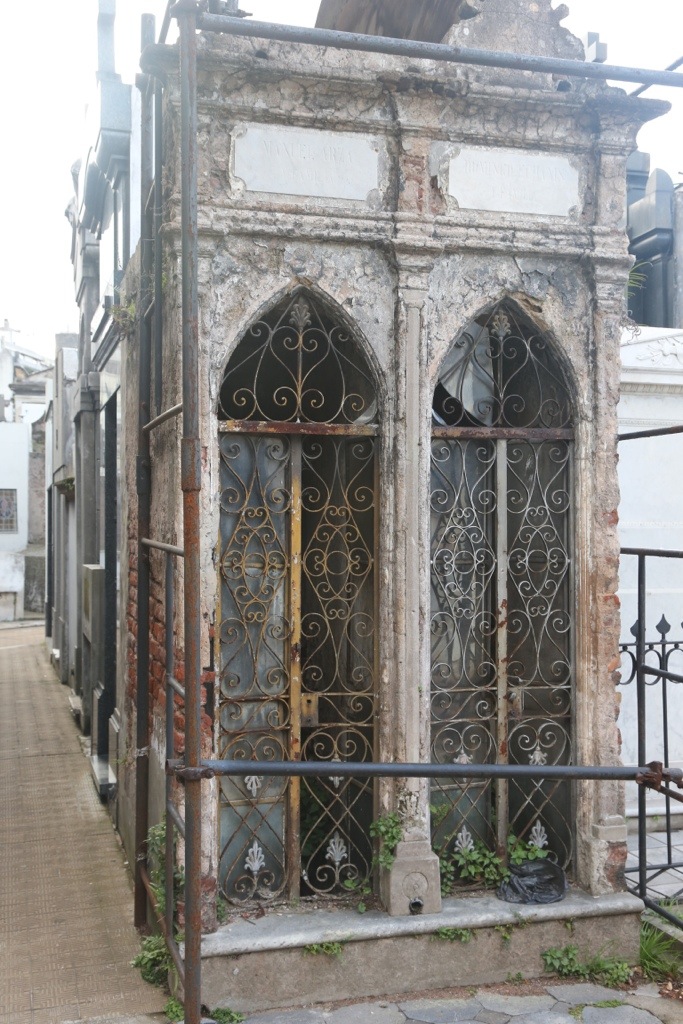
And Now….Dancing the Argentine Tango

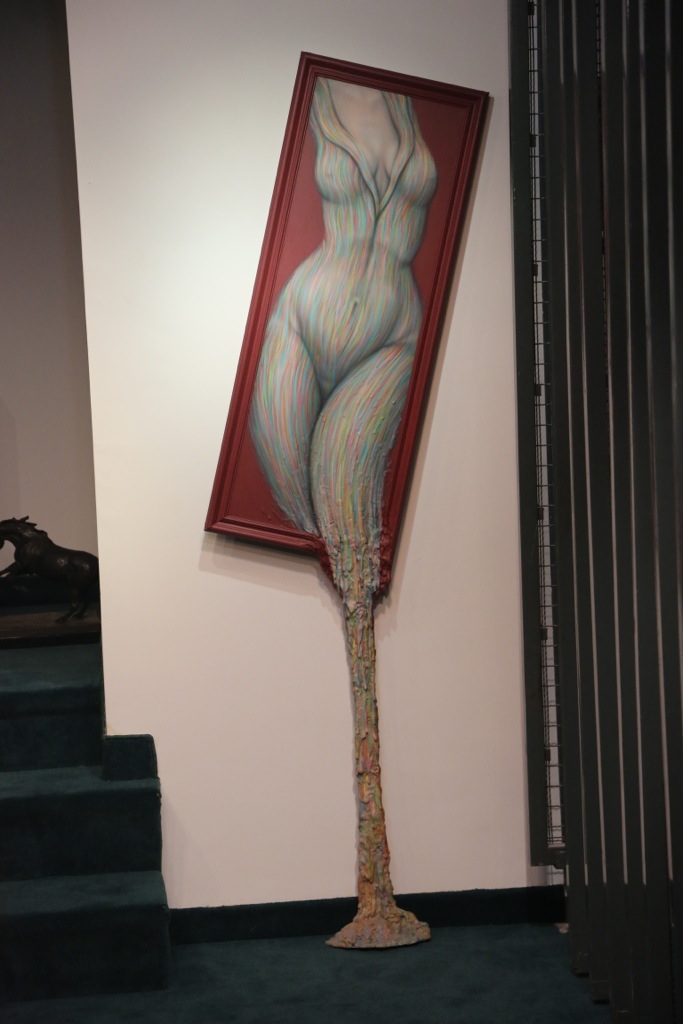
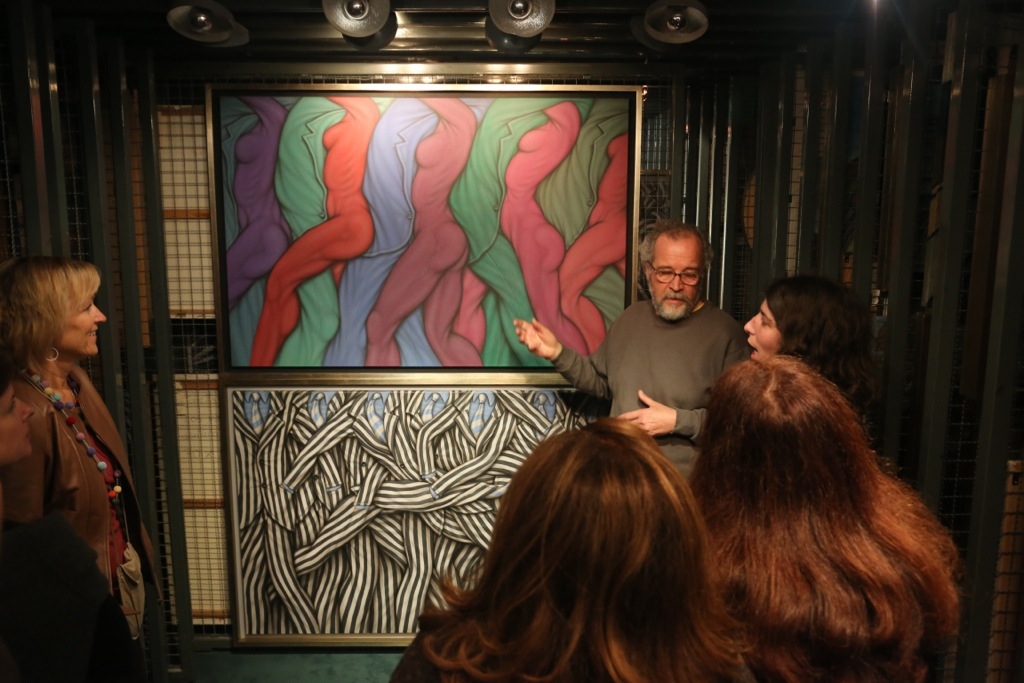
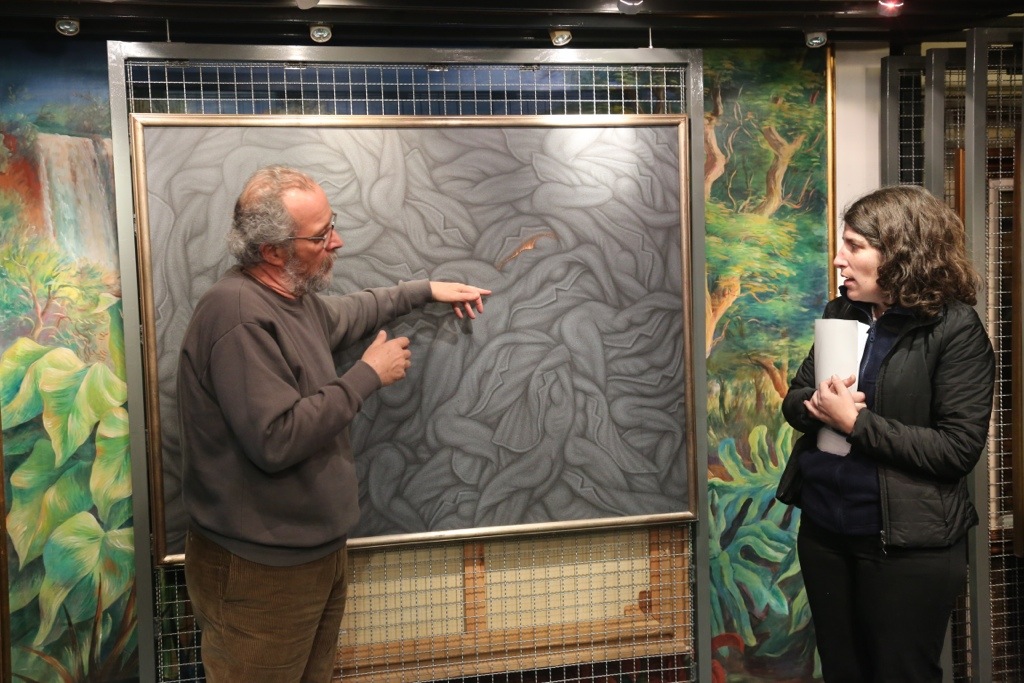
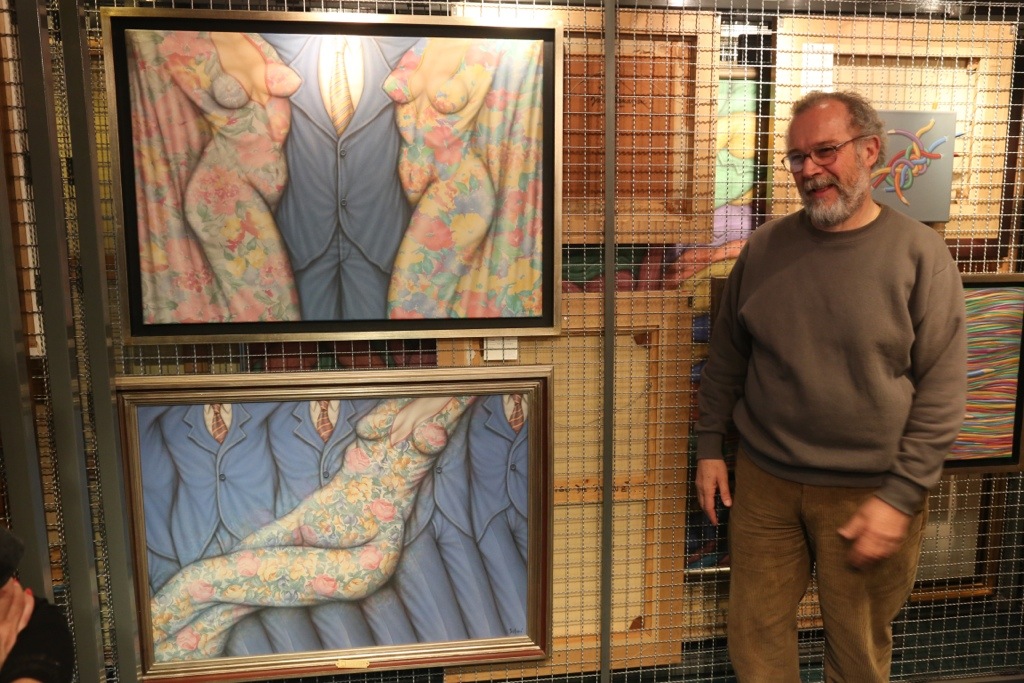
Today was filled with interesting discussions about art, sex, and tango. How often does that happen on a Monday? Our morning started with an intimate presentation by Ernesto Bertani; a famous Argentinian artist. He displayed and explained his various works of art at a local gallery. Because he knows no English, his words were translated by one of our guides. His works were very sensual so frequently our guide had to pause and give us a funny look and then translate his views on lovers, sexuality, and politics. We found his work to be fascinating. He painted series of pictures about the loss of creativity in the modern world, the loss of identity in the Argentinian system, and the tension between men and women. Here are a few pictures of his different pieces.
20130930-234255.jpg

20130930-234310.jpg

20130930-234328.jpg

20130930-234342.jpg

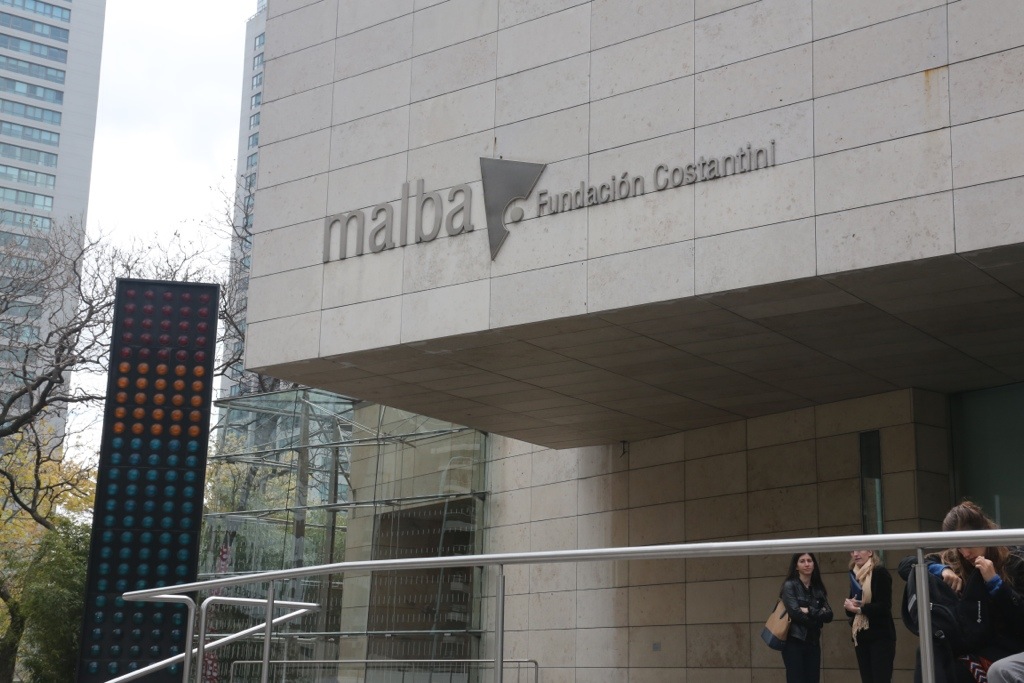
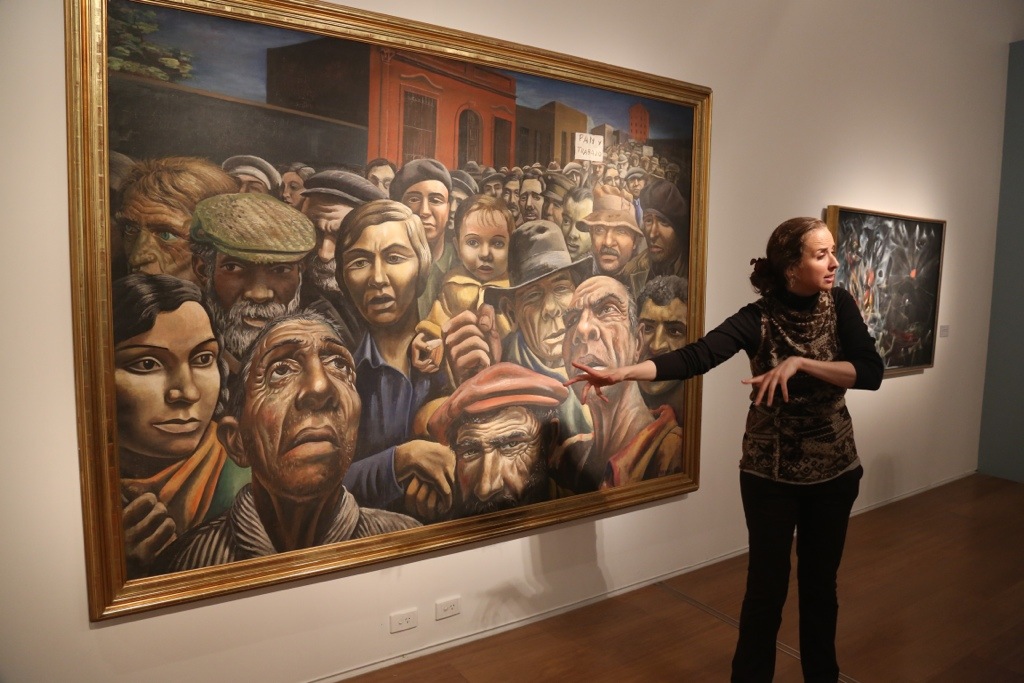
After visiting with Ernesto, we took a tour of the MALBA Art Museum which features more than 200 works by contemporary and modern Latin American artists. We recognized some of the more famous pieces and were introduced to the complex, fascinating world of Latin American art.
20130930-234722.jpg

20130930-234738.jpg

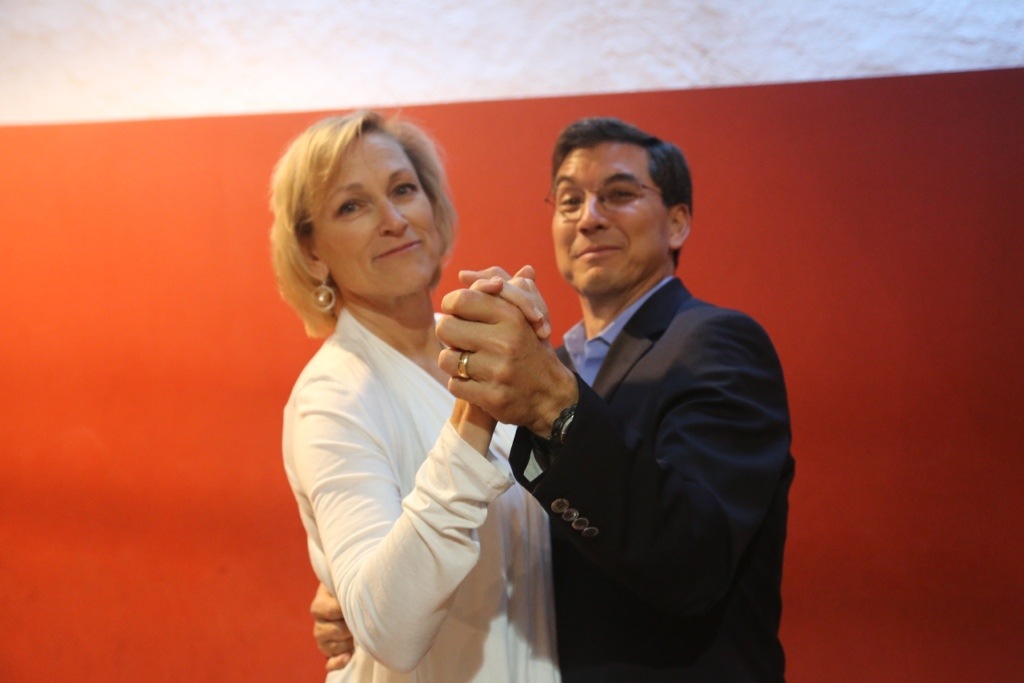
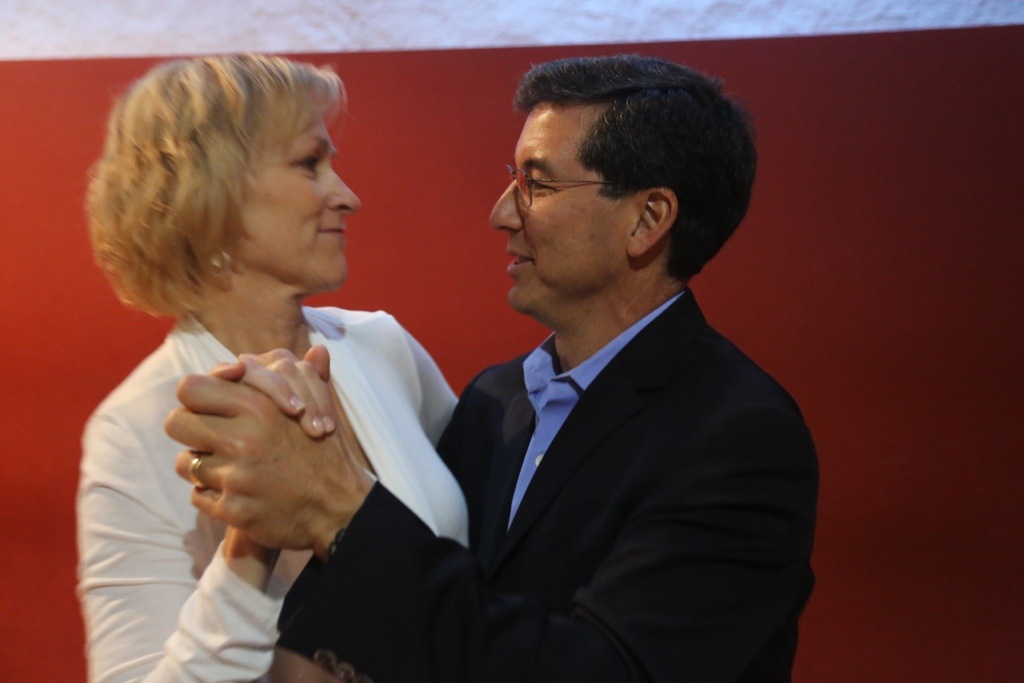
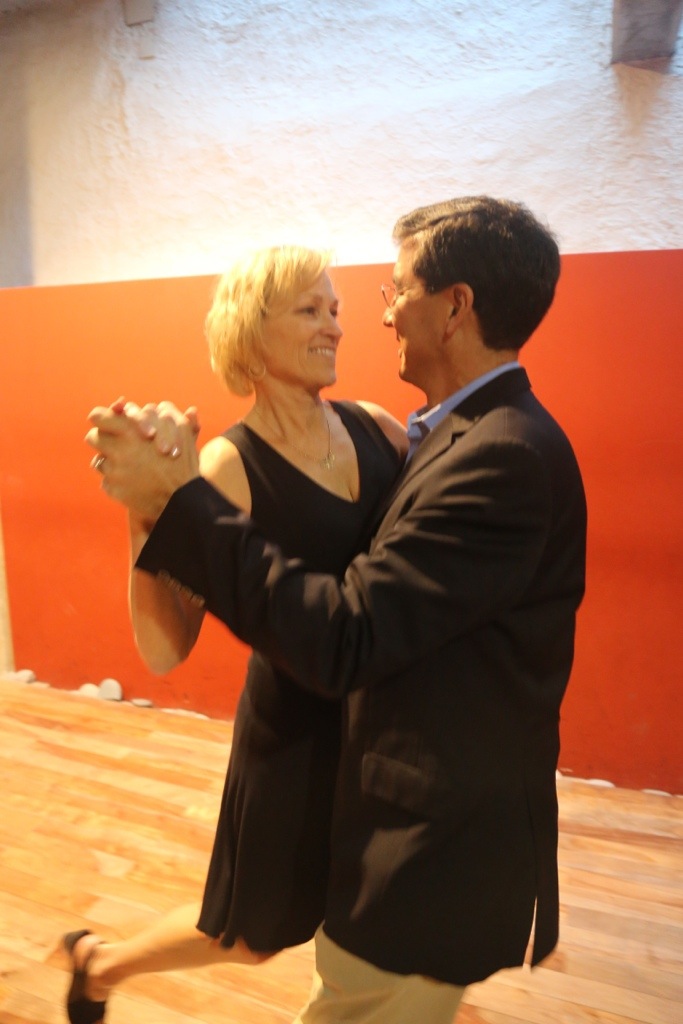
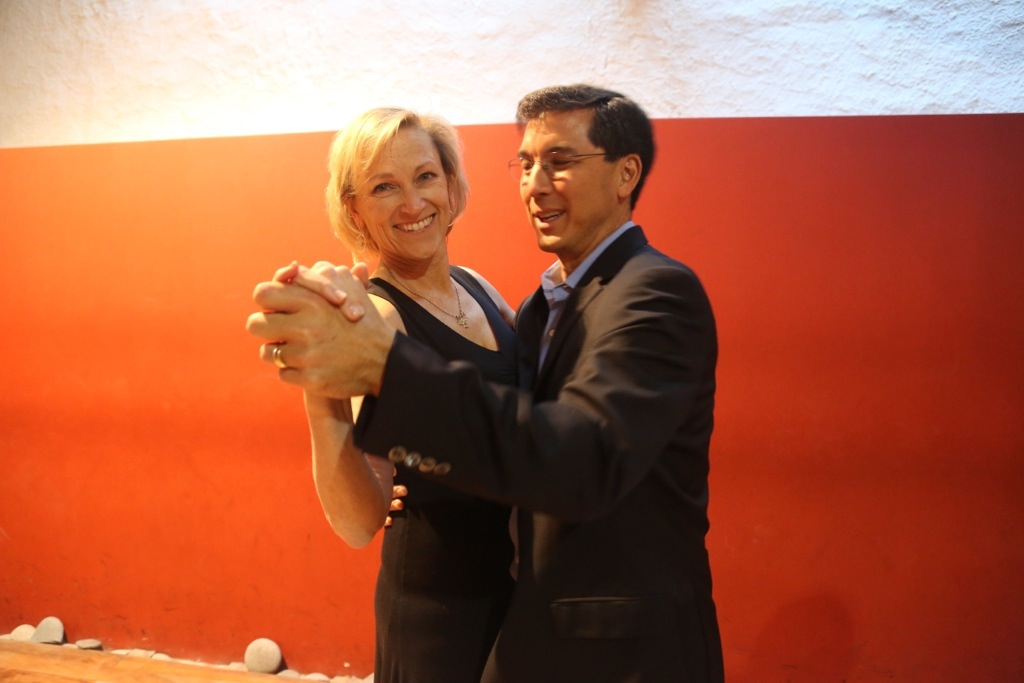
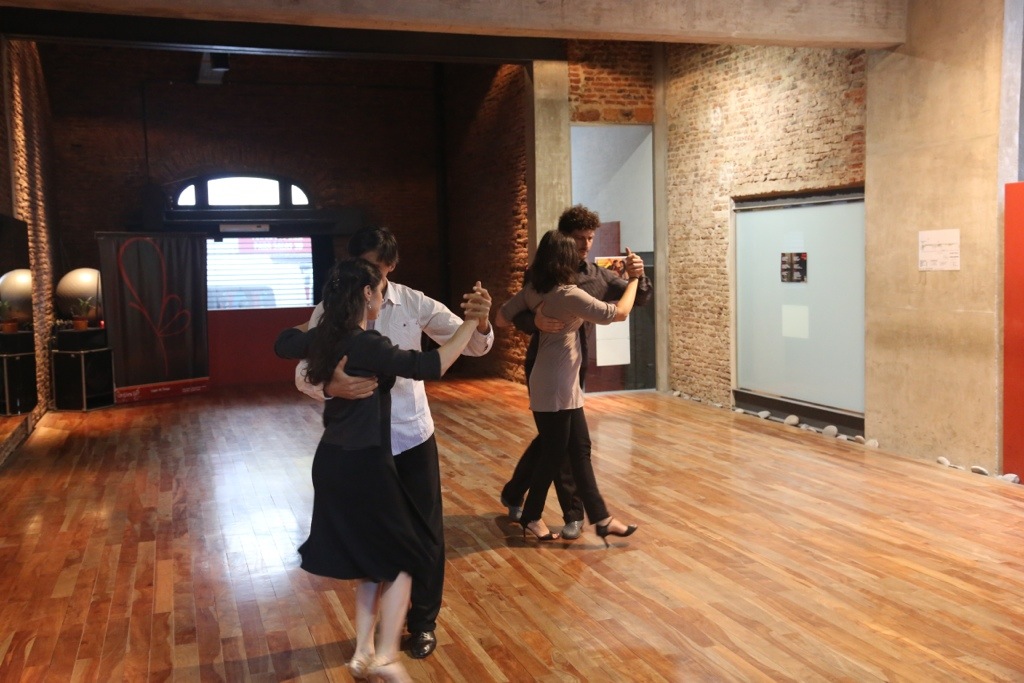
But the highlight of the day had to be our Argentine tango lessons! We were escorted to a private dance studio where we all taught how to do the tango. I was hoping my recent love of Zumba might get me through the tango but quickly learned that the two had nothing to do with one another. We were taught some basic dance steps at the beginning and Brad and I felt like we were at a Junior High School Dance. With each step we would count One, Two, Three, Four. As soon as we would “master” one move, the professionals would teach us a new twist….some new turns; a little move called the Ocho; a new way to hold our arms. It was very challenging but also a lot of fun. Our teachers were extremely patient and tried their best to encourage us!! Needless to say, we will not be heading to Dancing With The Stars anytime soon!
20130930-235256.jpg

The Professionals

20130930-235509.jpg

20130930-235527.jpg

<img src="http://lisab

20130930-235849.jpg

20130930-235914.jpg

Pretending to Be Professionals

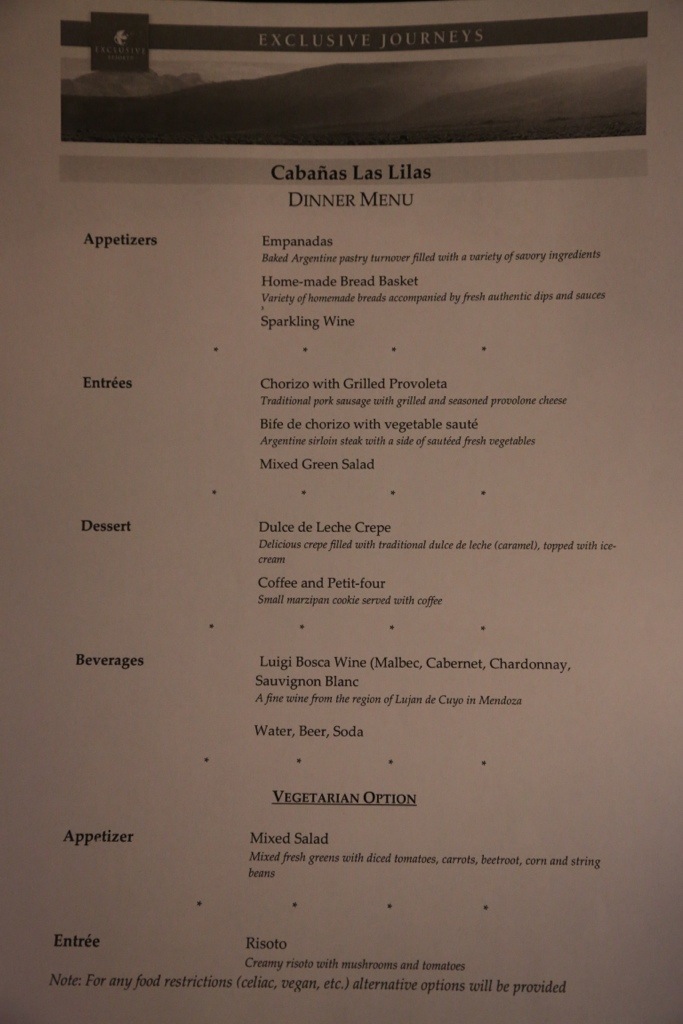
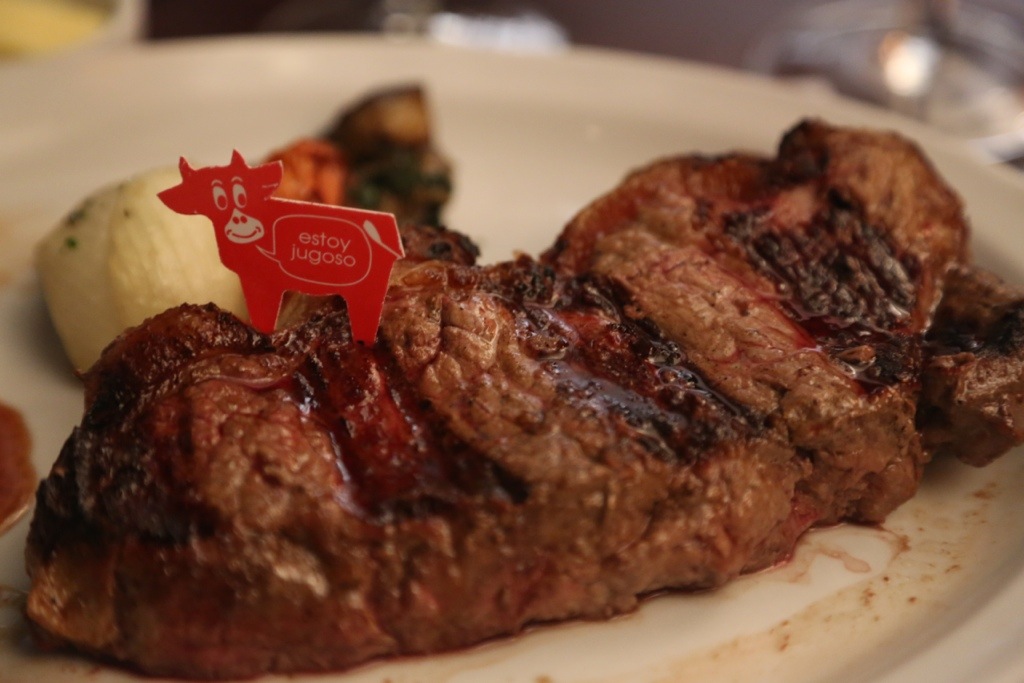
After our Tango lessons, we went to a renowned Argentine restaurant called Cabana Les Lilas in Puerto Madero. We sat outside by the port and had a delicious meal of authentic Argentinian Fare: Empanadas, Wonderful Cheeses and Breads, Delicious Local Grass-Fed Beef, and Dulche de Leche Crepes. We were absolutely stuffed at the end of the meal.
20131001-000242.jpg

20131001-000254.jpg

20131001-000306.jpg

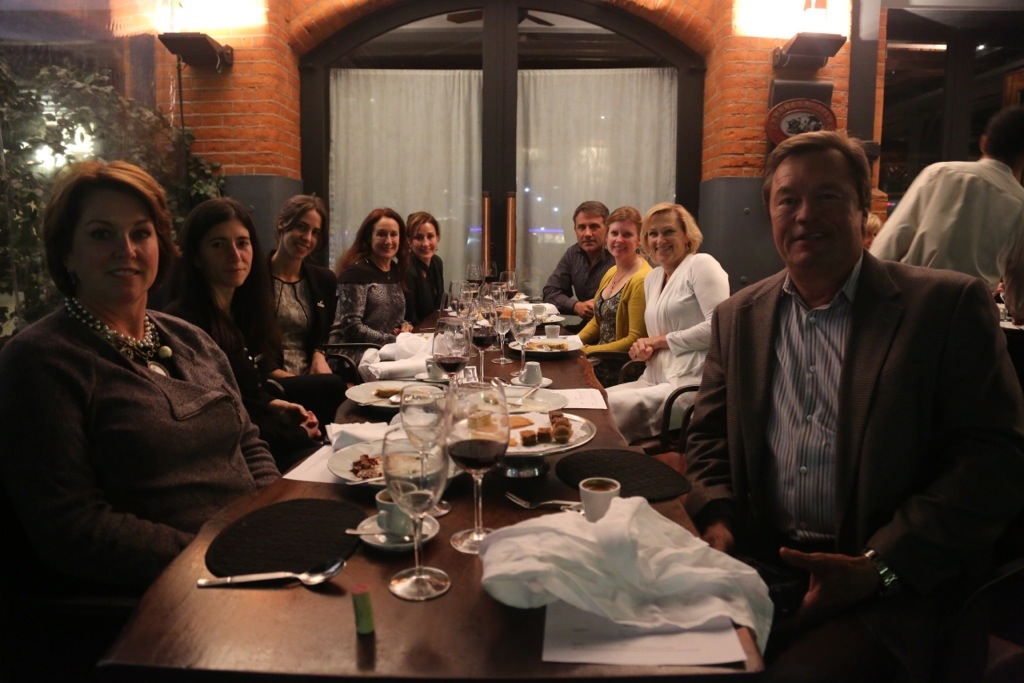
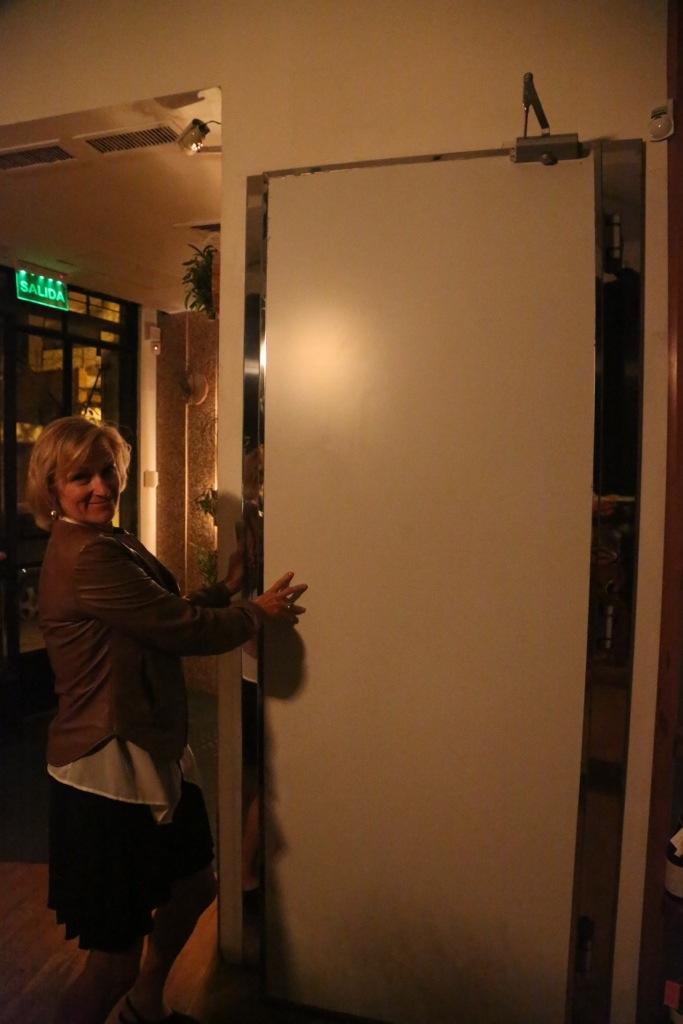
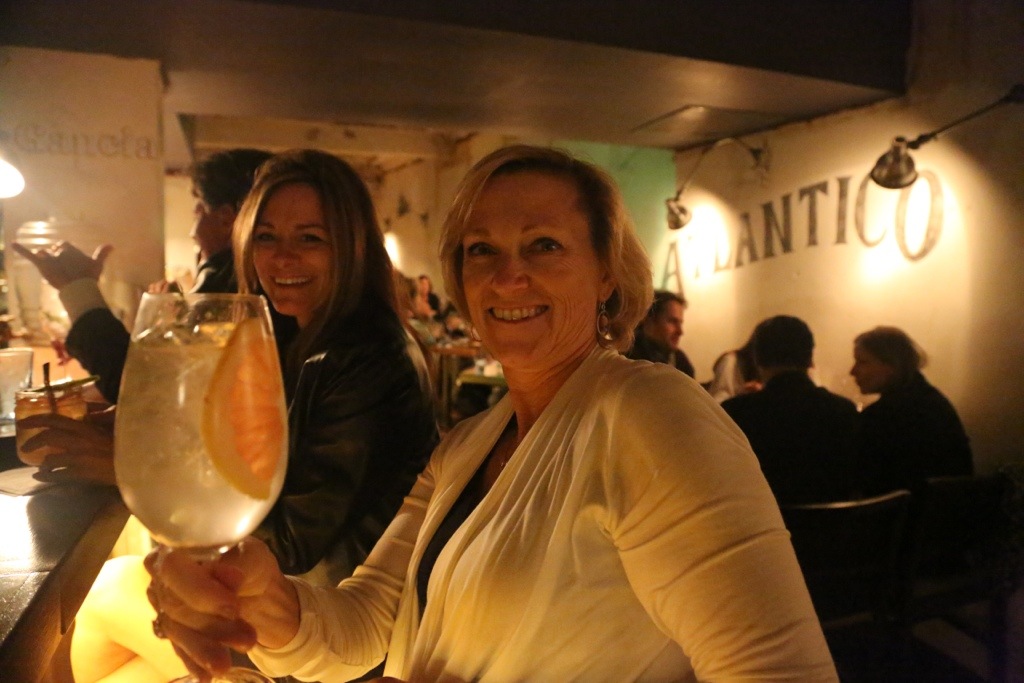
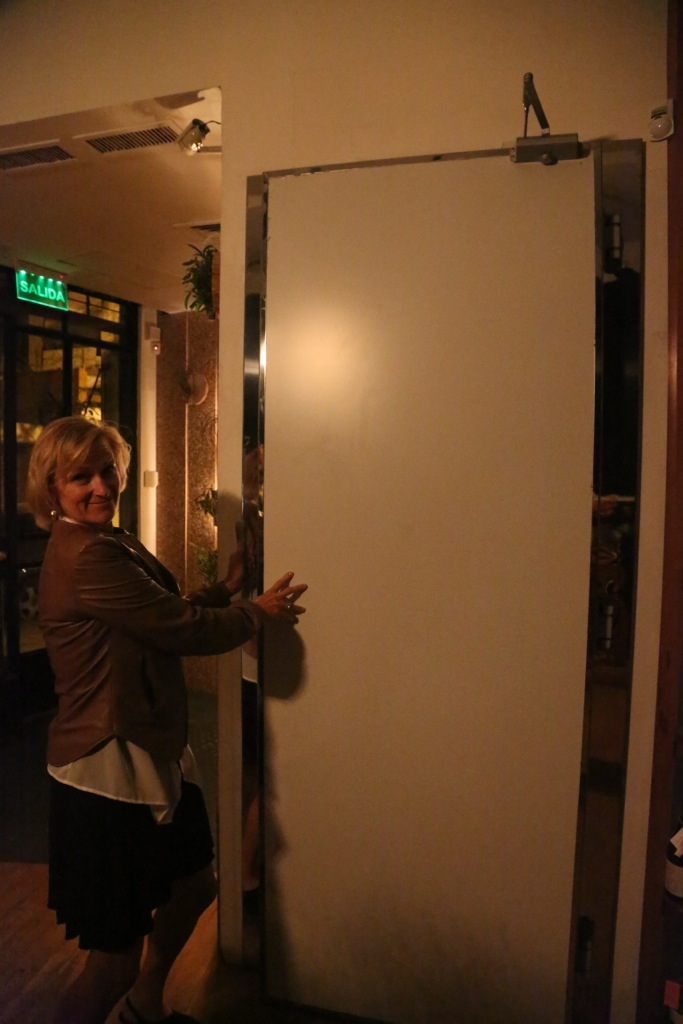
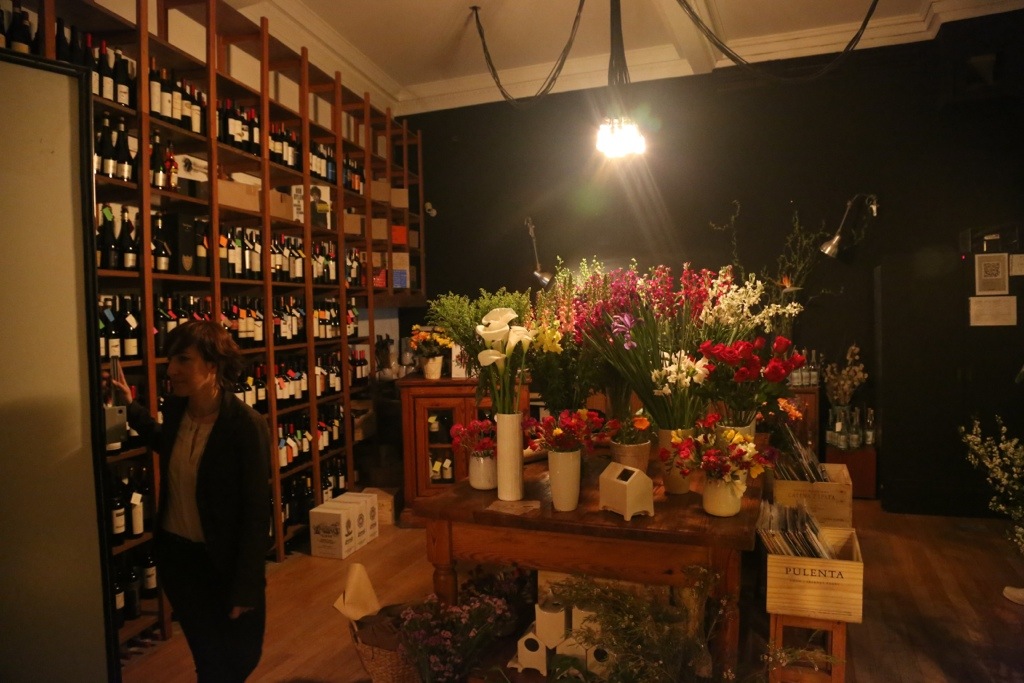
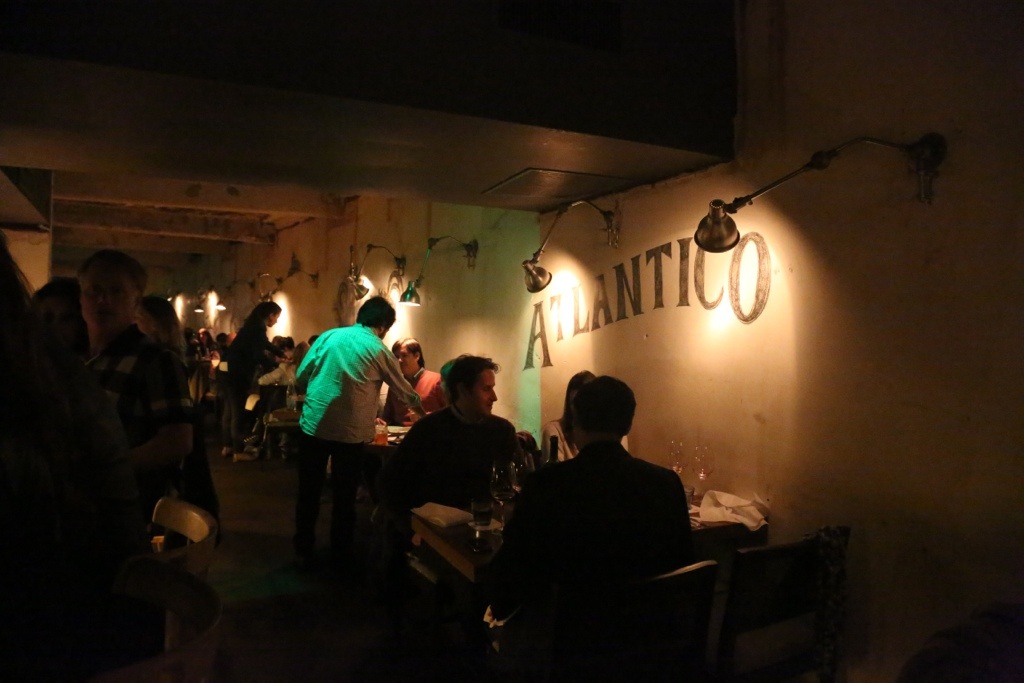
Since this was our last night in Buenos Aires, we decided we had to go out for one last drink to a nearby speak-easy. By day, it passes as a floral shop but by night you go into a secret door down to the basement for drinks and delicious food. The owner makes his own gin and we had the most delicious gin and tonics that we have ever had. Very refreshing (I think the secret was the grapefruit slice and the sprig of thyme). It was the end to a wonderful, last day in Buenos Aires.
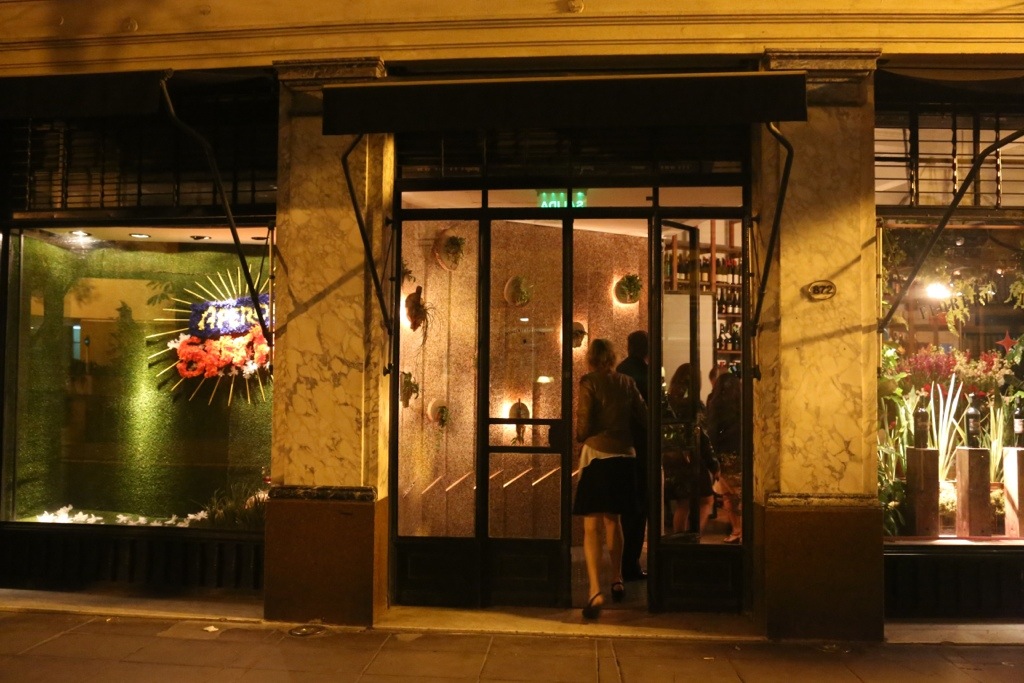
20131001-001040.jpg

20131001-001052.jpg The interior of the flower shop.

20131001-001619.jpg
Looks like a floral refrigerator? No, it’s the secret door to the basement and our mysterious speak-easy bar.

20131001-001110.jpg

20131001-001125.jpg

<img

20131001-001601.jpg

Categories: Uncategorized | Tags: , , , , , , | 3 Comments

Buenos Aires — Fresh Air, Fair Winds

There are a few stories on how Buenos Aires got its name. One says that settlers in the 1300s established the town on a hill above the old settlement. The new location was free of the rotten smell of the old place down by the swamp. Hence the name in Spanish, Fresh Air. Another story suggests that the Virgin Mary helped calm the rough seas faced by sailors in the area. Another translation being Fair Winds.

Lisa and I got to tour the city yesterday. If you had been plopped here without knowing where you were, you might have thought you were in a European city. French, Roman, and Spanish architecture dominate the skyline. The energy of the city is palpable and the people are friendly and welcoming.

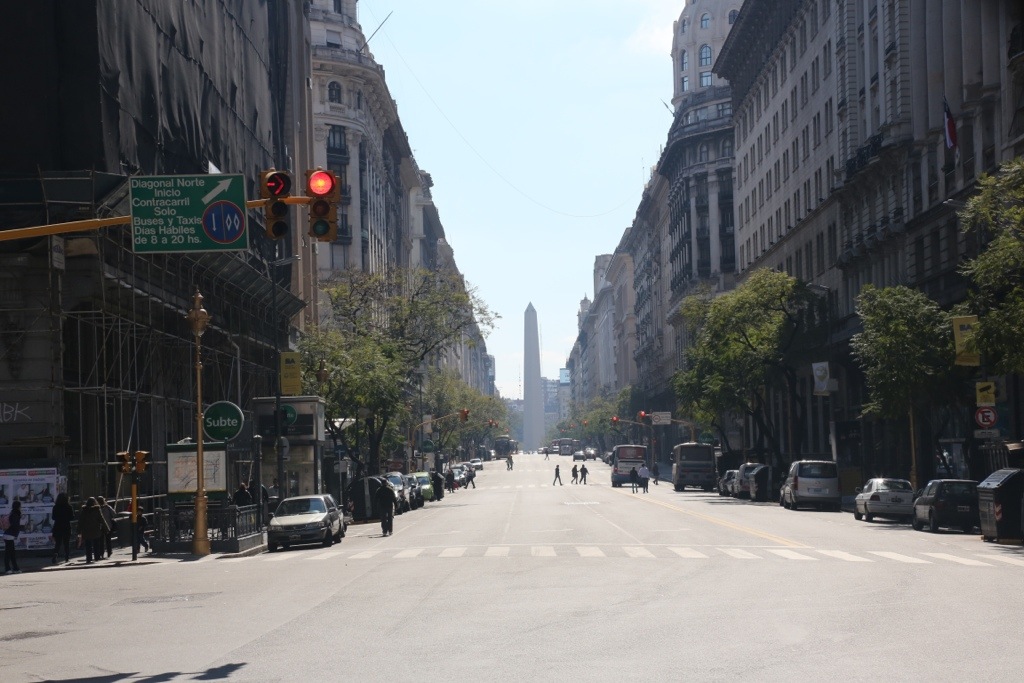
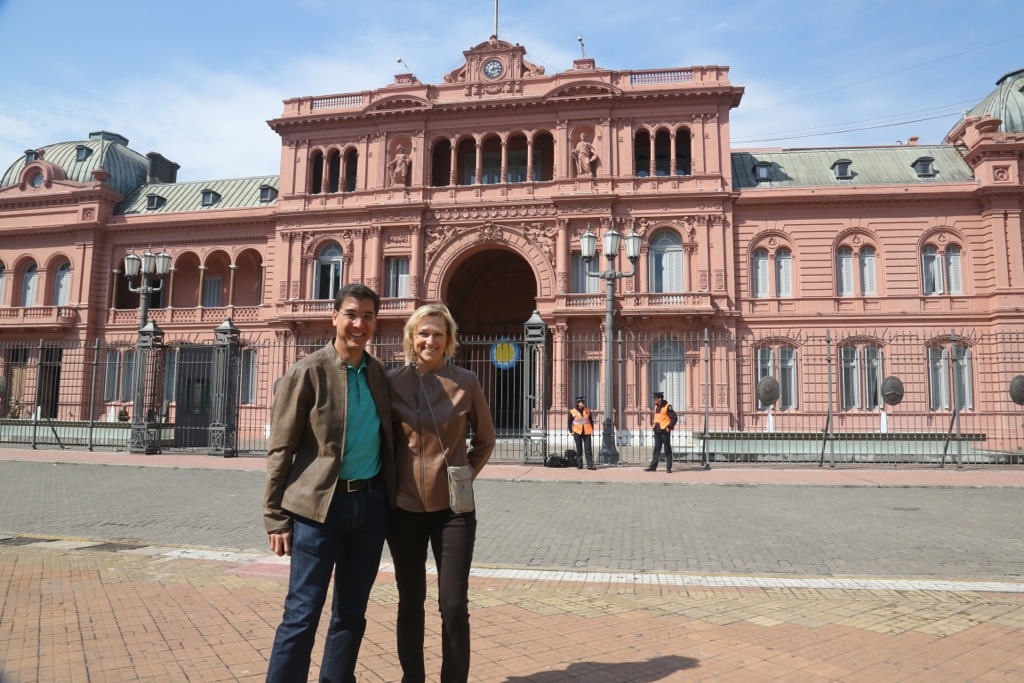
Our first stop, Plaza de Mayo (May Square) was named for the May 1810 revolution that ultimately led to the independence of Argentina from Spain. It is surrounded by Casa Rosada — the presidential palace, the National Bank of Argentina, and the Metropolitan Cathedral (where Pope Francis was the Cardinal). The plaza has been the site of many historic events in Buenos Aires; Evita’s famous speech to the people, protests of all sorts, and most recently, the celebration of the naming of Pope Francis. Take a look:

20130930-101045.jpg
View of the city street off the plaza. The obelisk, built in 1936, commemorates the 4th centennial of the city

20130930-101541.jpg
Lisa and Brad in front of the Casa Rosada

20130930-101641.jpg
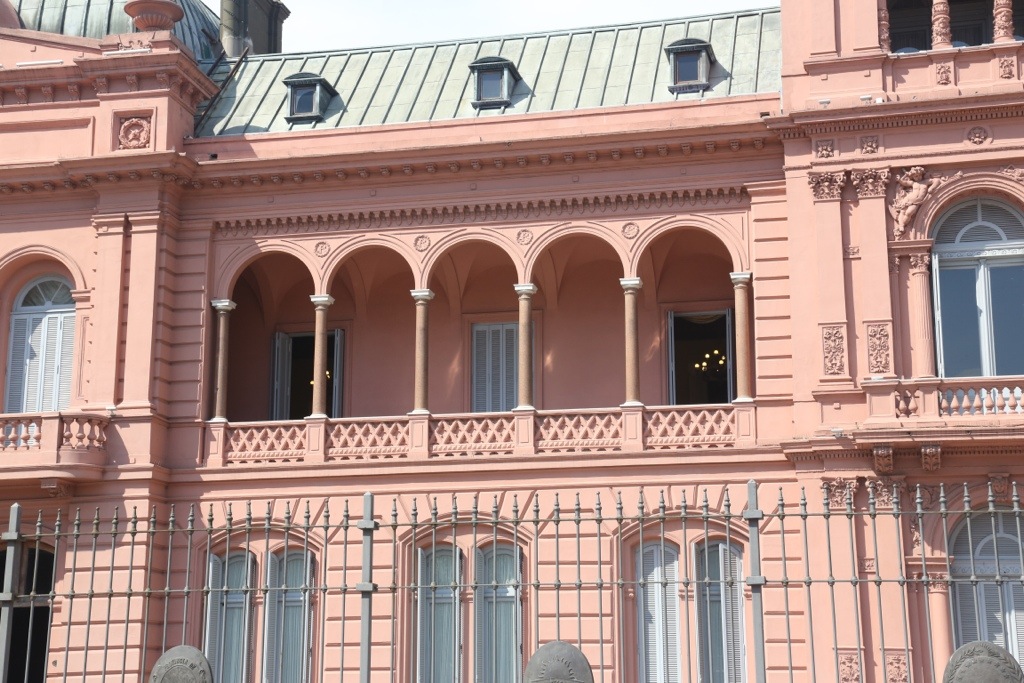
The Casa Rosada balcony where Evita Peron told Argentina not to cry for her.

20130930-101843.jpg
A boy and his father playing with the pigeons.

20130930-102025.jpg
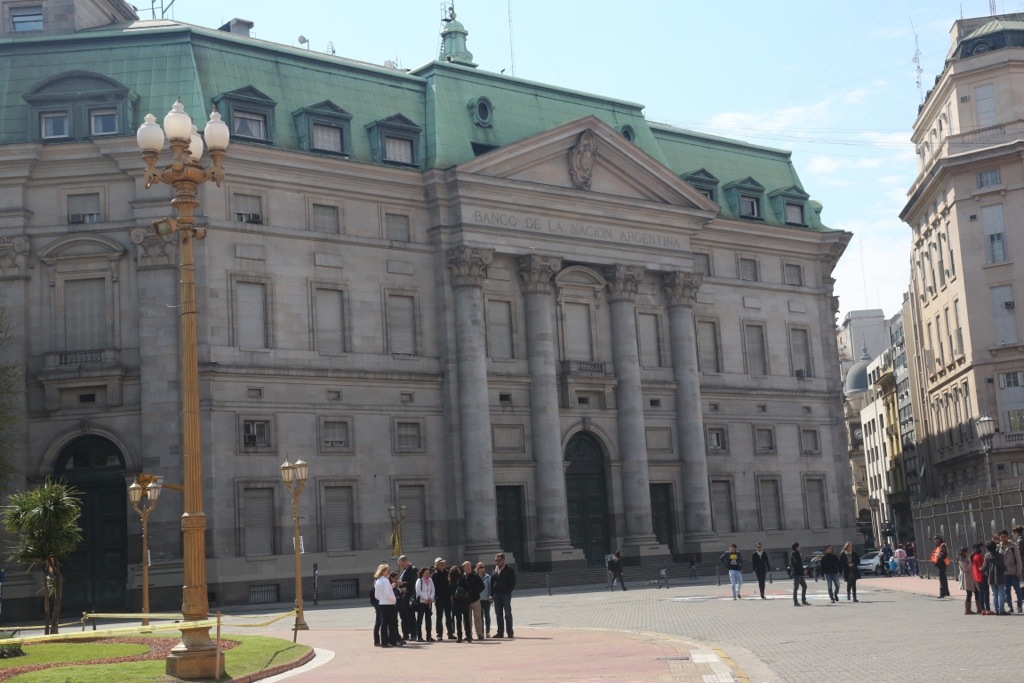
The National Bank of Argentina — their Fed

20130930-102123.jpg
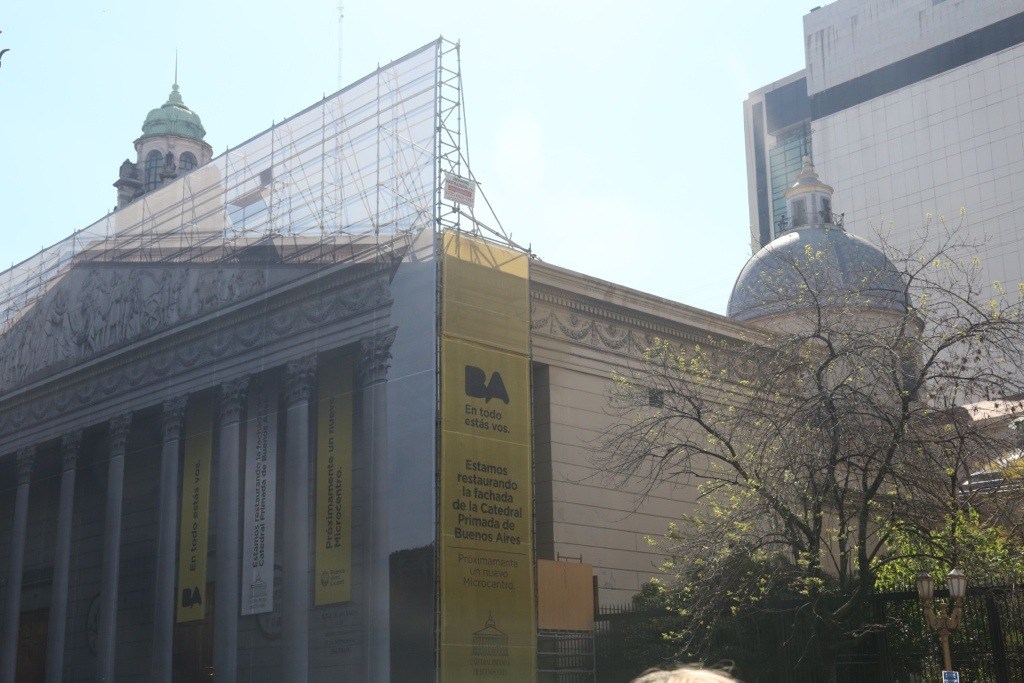
The Metropolitan Cathedral. It is currently being renovated. Note the Greek or Roman look to the building.

20130930-102318.jpg
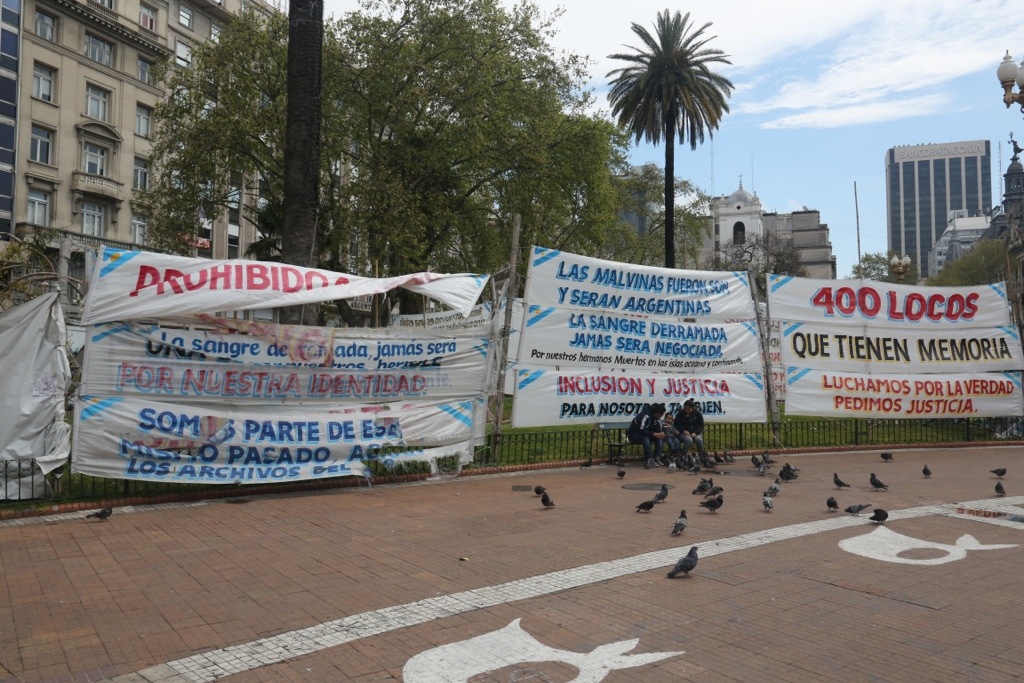
Signs in the plaza protesting the Falklands War (Malvinas Islands) thirty years hence. They’re still upset about it.

20130930-102551.jpg
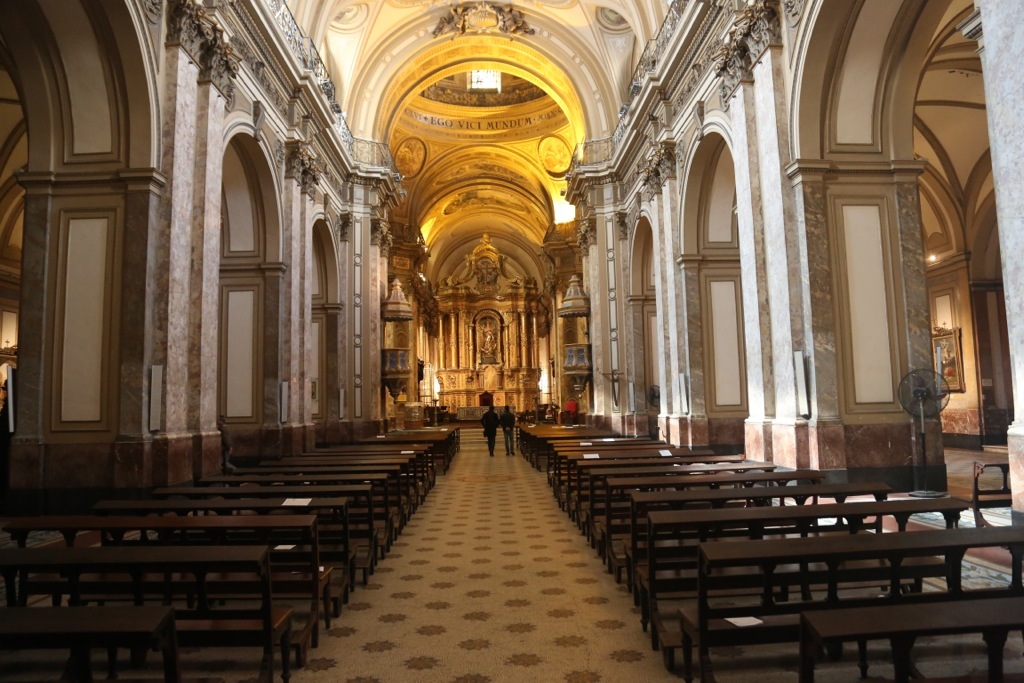
Inside the beautiful Metropolitan Cathedral where Pope Francis used to preside.

La Boca

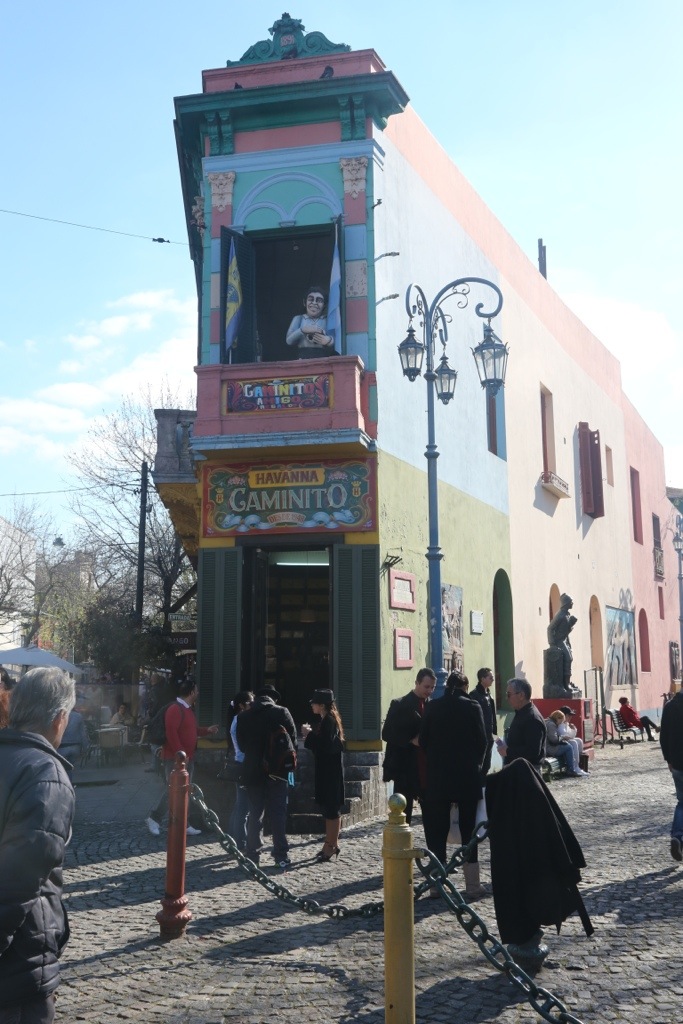
La Boca is a neighborhood near the city’s old port. Boca means “mouth” and it sits at the mouth of the Matanza river where it empties into the sea. This area has a distinctively Latin feel. It was the barrio where immigrants, mostly Italians, settled. The tenement houses have been converted to stores and cafes. But, the colorful feel remains. Nearby is the soccer stadium of the local team. It just so happened that they were playing their arch rival yesterday so the blue and yellow colors were flying. There was as much excitement as there will be in San Francisco when the Seahawks come to town later this Fall. Our guide told us that they don’t allow opposing team fans in the stadium to avoid riots. I hope that doesn’t happen in American sports.

20130930-103930.jpg

20130930-104011.jpg
A tenement house.

20130930-104153.jpg
A relative?

20130930-104305.jpg

A Whole City of Dead People!

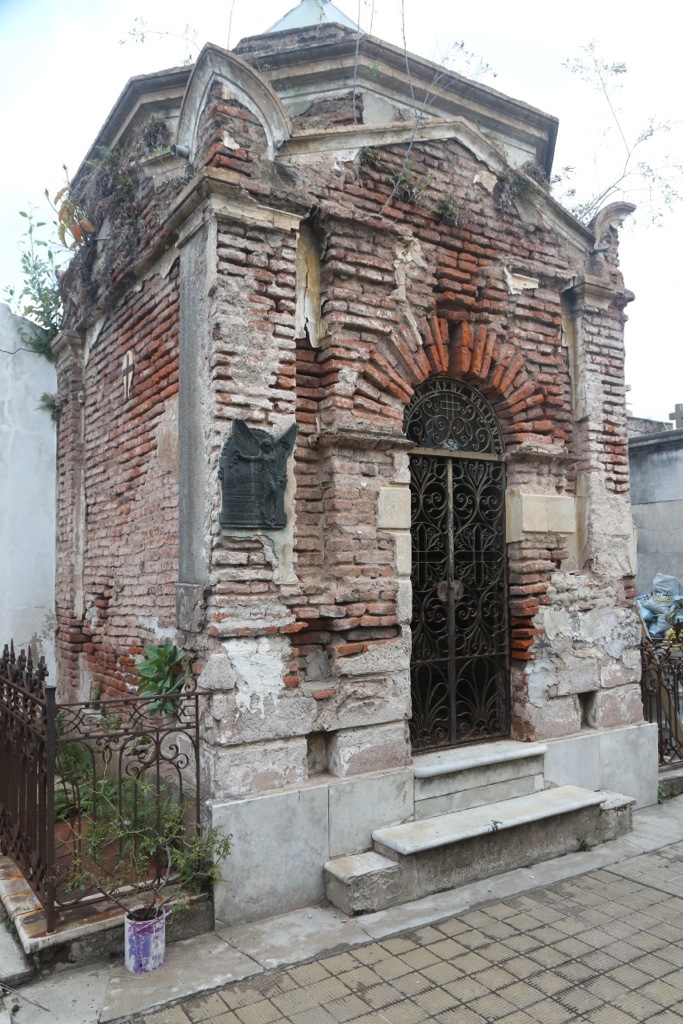
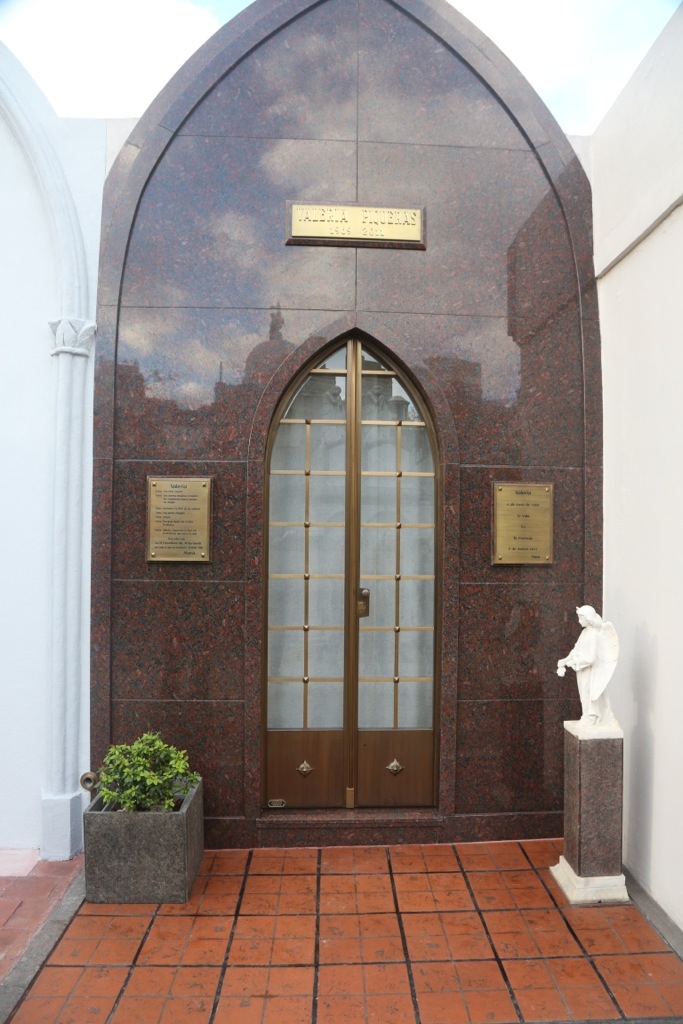
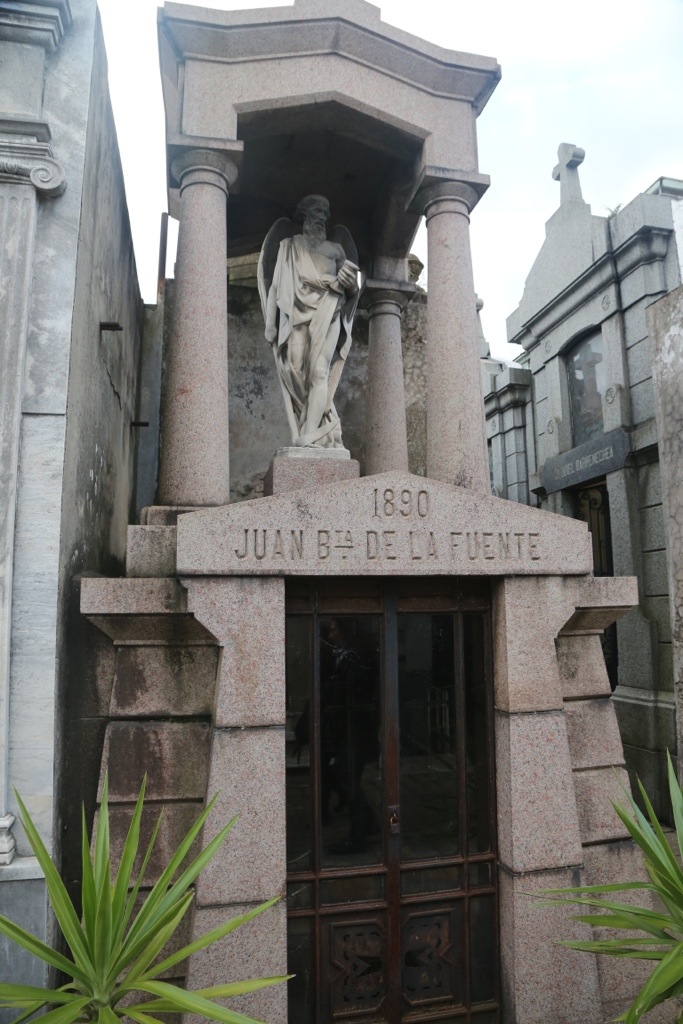
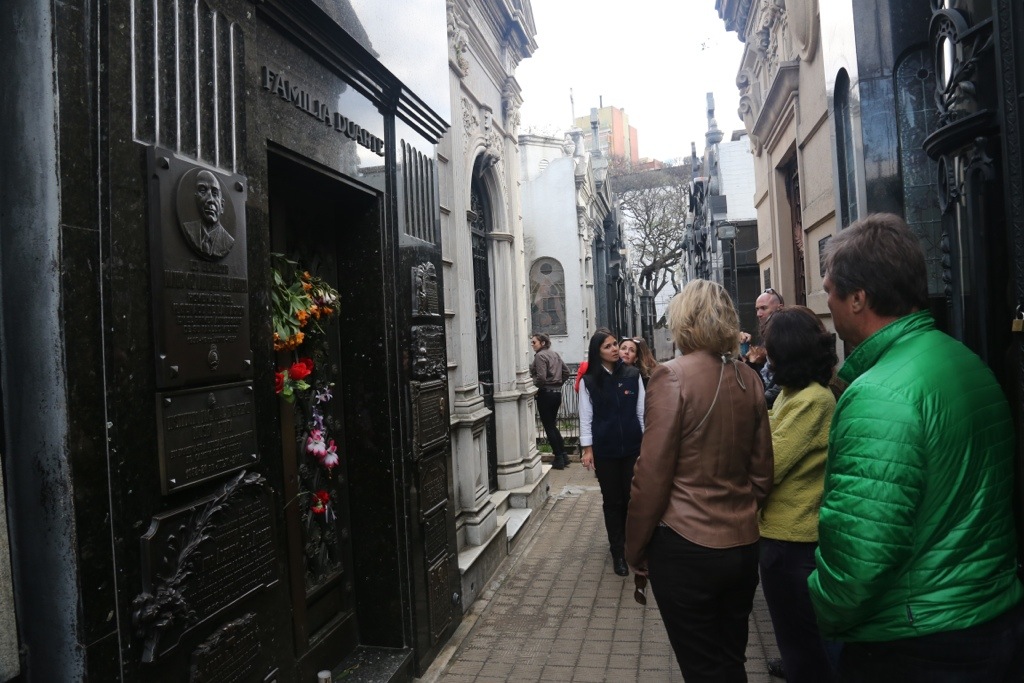
La Recoleta Cemetery holds the graves of many of the rich, famous, and prominent people (now dead, of course) in Argentina. Eva Peron is here. There are a few former presidents, the founder of the Argentine Navy is here, and there are people with interesting and, for some, macabre stories.

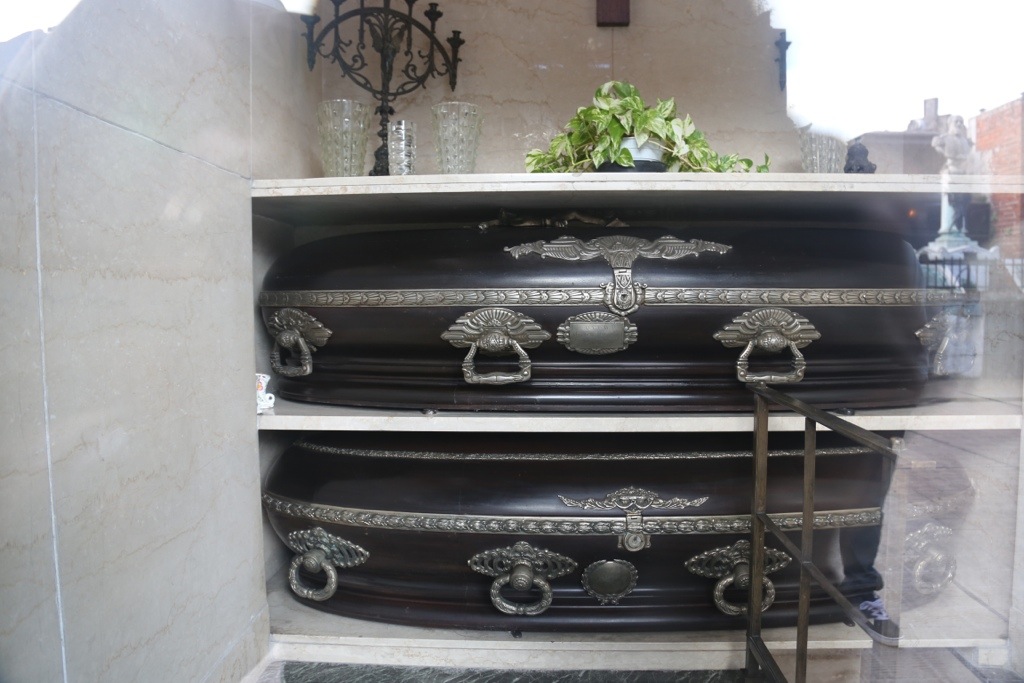
This isn’t your ordinary cemetery. It consists of mausoleums arranged like streets and alleys in a city. There was even a locator map at the entrance so you could find any one of the four thousand people buried there. Entire families are interred in each, and, in most cases, the caskets and urns are open to those walking by. Sounds creepy. But, it was more fascinating than anything. As we roamed from street to street we noted the wide variation of designs and styles. Some mausoleums were fancy and ornate, others very plain. Some were old, some new. They were constructed of brick, stone, marble, metal — you name it.

There was the story of one family’s plot in which the teenage daughter, who had a heart condition, died and was interred in the family mausoleum. Except for one problem — she wasn’t dead. A few days later they found the casket moved, the lid askew. She ultimately died from her heart condition trying to get out. The father built a statue of a young girl opening a door to the front of the mausoleum as a symbol of her ultimate entry into paradise. Yeah, we thought the story was creepy too.

After wandering a few aisles, we came upon Eva Peron’s (Duarte) grave site. There were many fresh flowers on it. Even though she died in 1952, it is amazing the influence she still has on the Argentine people to this day. I must admit we were all a bit star struck standing there with the coffins inside visible to us.

20130930-161655.jpg
A “street” in the cemetery.

20130930-162100.jpg

20130930-162143.jpg

20130930-162218.jpg

20130930-162242.jpg

20130930-162307.jpg

20130930-162952.jpg
And, finally, Eva Peron’s grave.

20130930-163043.jpg

20130930-163101.jpg
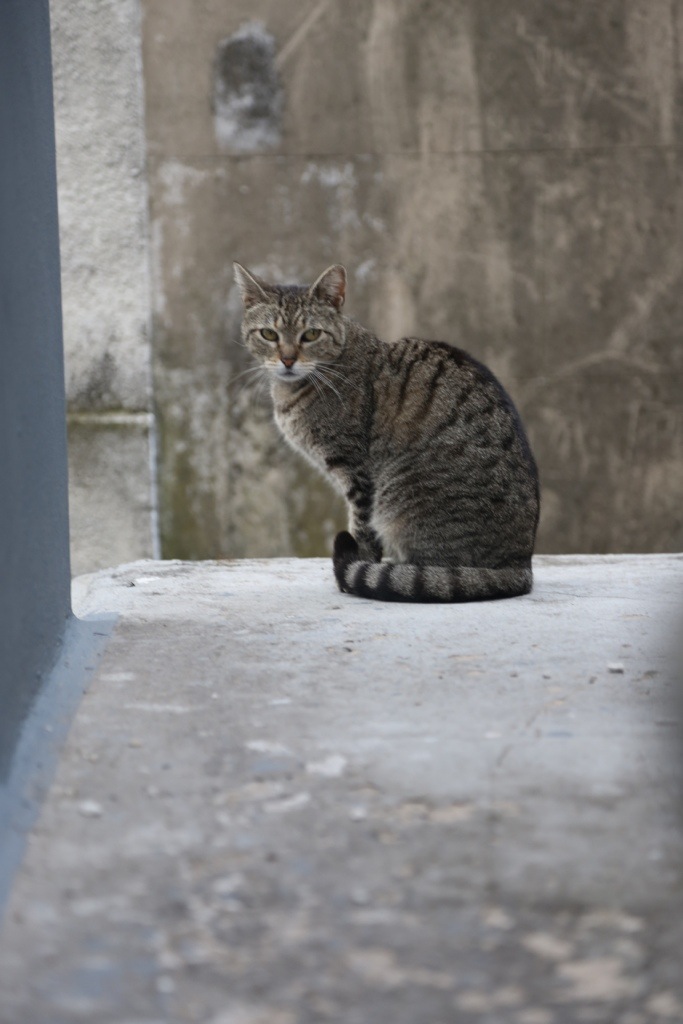
CJ’s cousin guarding the cemetery.

20130930-163141.jpg

Alright, enough talk of the dead.

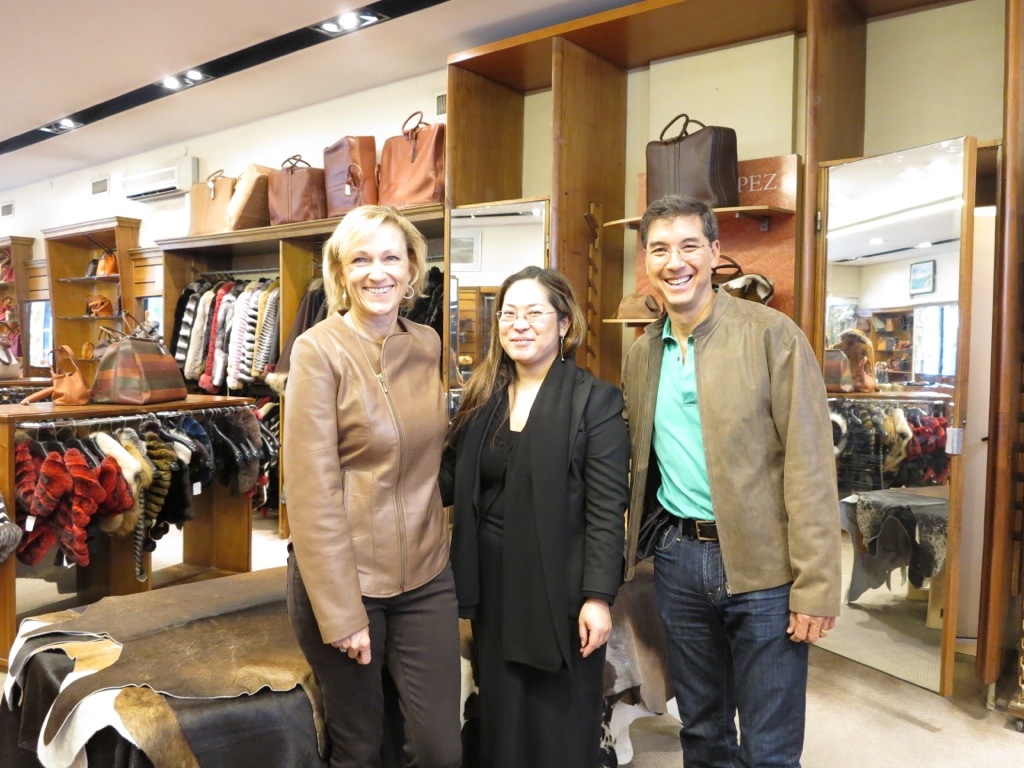
Finally, Lisa and I had to make a stop to buy Argentina’s signature product. The country is known for its cattle. Beef is an art form here. And, leather goods are among the best in the world. We both found leather jackets we loved at Casa Lopez, a well-known leather goods designer. Here we are with our very happy sales lady modeling our find:

20130930-161516.jpg

Categories: Uncategorized | Tags: , , | 1 Comment

Lost in Translation

I took Spanish through the eighth grade — don’t remember much. Lisa took French. We’re now paying for that teenage lapse in judgment.

We left Danville at 9am on Friday, flew from San Francisco to Houston, sat around for three hours, then flew 10 hours to Buenos Aires, landing at 10am Saturday morning. Our official tour activities don’t begin until Sunday. So, we had all day Saturday to explore Buenos Aires on our own. We’re always up for adventure. So, after checking in to the hotel, we headed out to explore.

Our tour guide gave us a list of restaurants to try. And, since it was now after noon, we were hungry. So, we set out to one in a section of town called Palermo SoHo. The SoHo part is not coincidence. It is very much like SoHo in Manhattan. Quaint, hip, walkable. Our first problem started because there were no addresses on the restaurant list. The hotel bellman gave our taxi driver the address (I didn’t understand a word.) and we set off. After driving about 15 minutes, we stopped in the middle of a non-descript street with nothing that resembled a restaurant. The taxi driver, who was quite friendly, started giving us numbers. “Cinco nueve.” “Uh, cuatro, nueve.” I said, “This doesn’t look quite right. let’s go to the next block,” all the while motioning with my hands since he didn’t understand English and me, Spanish.

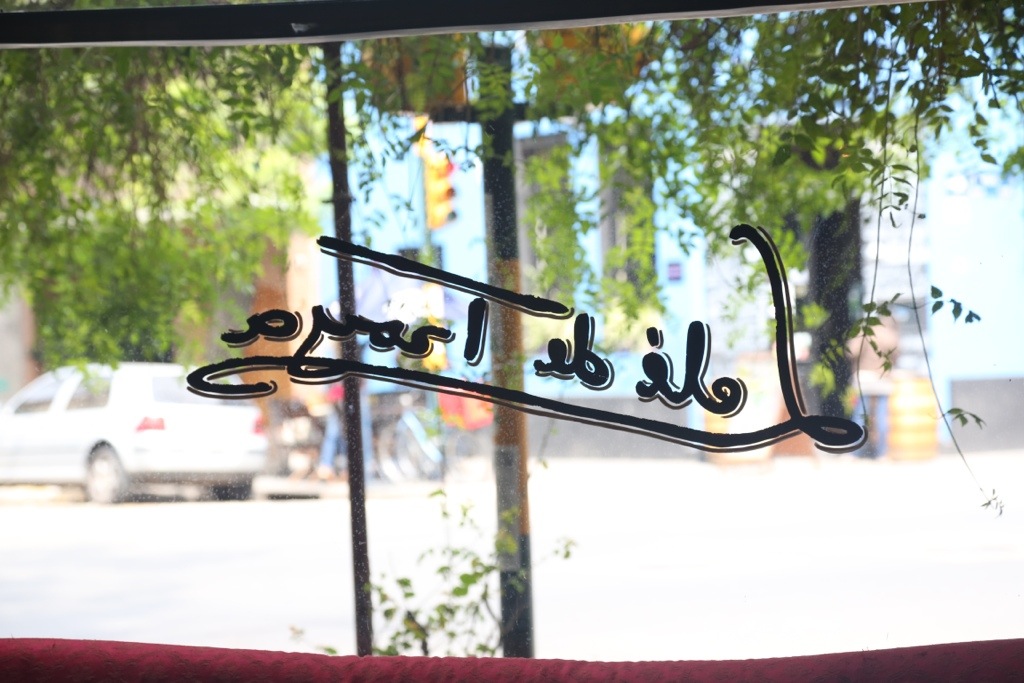
I told him to drop us off at the corner and we would find it. We knew we were close. There was a security guy on the street corner, so I showed him my restaurant list and asked him if he’s heard of Lele de Troya, the place we were seeking. He shook his head, so we set off on our own. Fortunately, Google works everywhere in the world, even South America. Hmmm. The little pin dropped right on top of where we were standing. Lisa and I looked around. And, sure enough, there it was right across the street. That security guy needs to get out more.

The place had an ivy-covered arbor on the outside. And, on the inside it was a cute, low-key old place with a room all decorated in red and another in yellow. The host ask, red or yellow (I wonder how he knew to speak to us in English?). We liked the yellow better, but, the red room looked out onto the street. So, we picked red and sat at a table for two.

20130929-103540.jpg
The red room and the yellow room.

20130929-103853.jpg
The view from our table.

The host, who was also the waiter ( we were the only ones in the restaurant) came up to us and said he didn’t speak English well, but, he could understand it. Fine. We’re used to getting by with language issues. And, we can simply point to the menu if we want to order something.

Lisa wanted some bread to start, so she ordered some with avocados, tomatoes and flatbread. The she ordered a salad. I ordered the salmon ravioli. It looked good. The waiter then paused for a minute and said he’d be right back. When he returned, he said, “no crab — salmon ravioli.” I said, “no problem, I wanted salmon ravioli anyway.” So, both seemingly satisfied with our ability to effectively communicate in two different languages, he walked back to the kitchen and I continued my conversation with Lisa.

About ten minutes later, the waiter shows up with a sandwich and salad. Lisa asked what the sandwich was. I said, I think that is the bread you ordered. Hmm. Well, we missed that one. Bread is a sandwich. No problem. We each took half and ate up. Delicious. Not enough to fill me up, but, I have that salmon ravioli coming.

Fifteen minutes go by, we haven’t seen our waiter in a while, and my salmon ravioli is no where to be found. When he walks by I flag him down and ask where my ravioli is. He says, “no crab — salmon ravioli.” I said, “I know you don’t have crab. But, I wanted the salmon.” He slows down and says, “no crab — salmon ravioli, no crab salmon ravioli.” Oh. In Argentina the h’s have that back of the throat ch sound. And v’s have a b sound. He was telling me they don’t have salmon ravioli! I wonder what he thought I was going to eat.

Once we got that straight, he brought me a nice plate of mozzarella ravioli and a glass of Malbec. All-in-all, it was a great experience and the food was great.

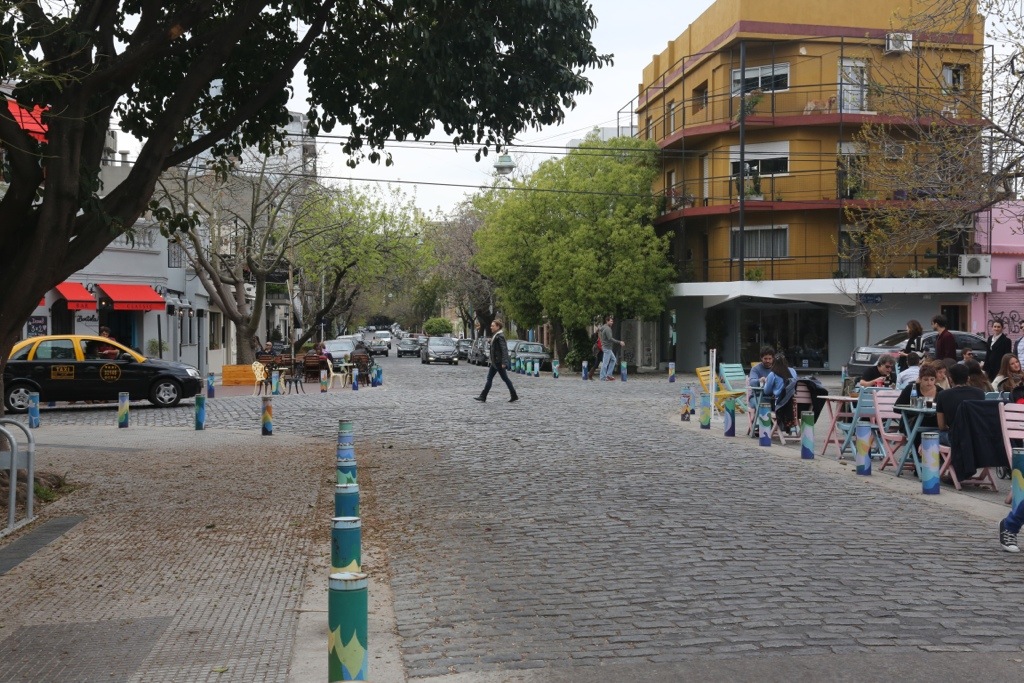
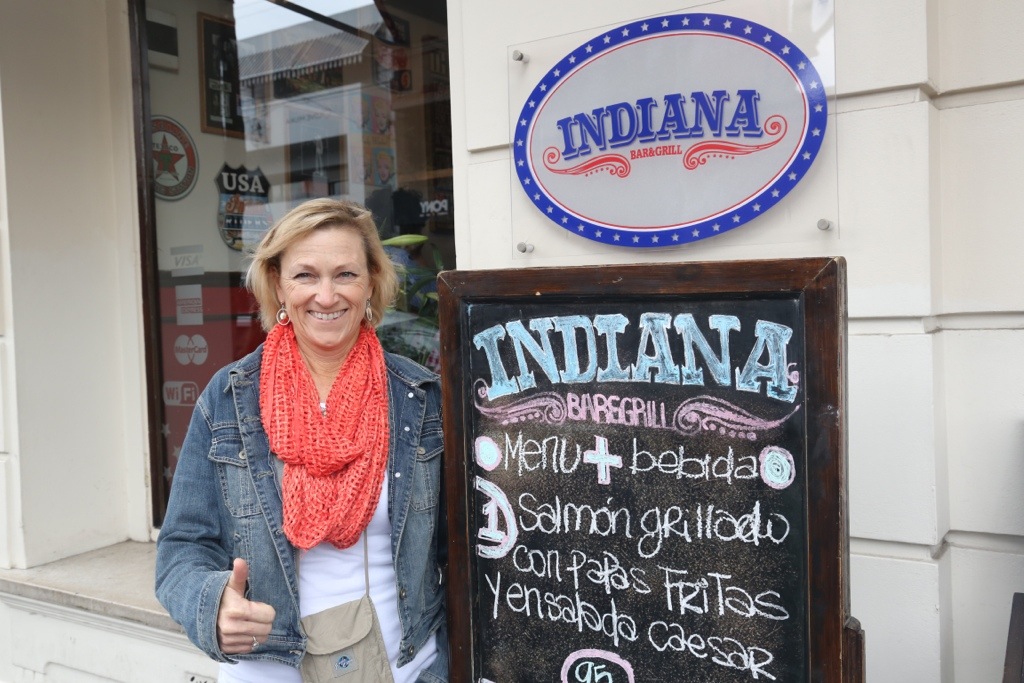
After lunch, we walked around Palermo. It is a cobblestoned old section of town that has many cafes, restaurants, and high-end retail stores. We even found the Indiana Bar and Grill. Lisa, being from Indiana, wanted to check it out. The hostess told us it was Tex-Mex place. . . Well, they did have corn dogs on the menu.

Our first day in Buenos Aries was fun and relaxing. But, we’re looking forward to our guided portions so we have someone that can translate for us. Advice for the kids — take Spanish now. It’ll keep you from going hungry someday.

20130929-110132.jpg
Palermo street scene.

20130929-110225.jpg
The Tex Mex Indiana Bar and Grill

20130929-110319.jpg
It’s the beginning of Spring here in the southern hemishpere.

20130929-110437.jpg
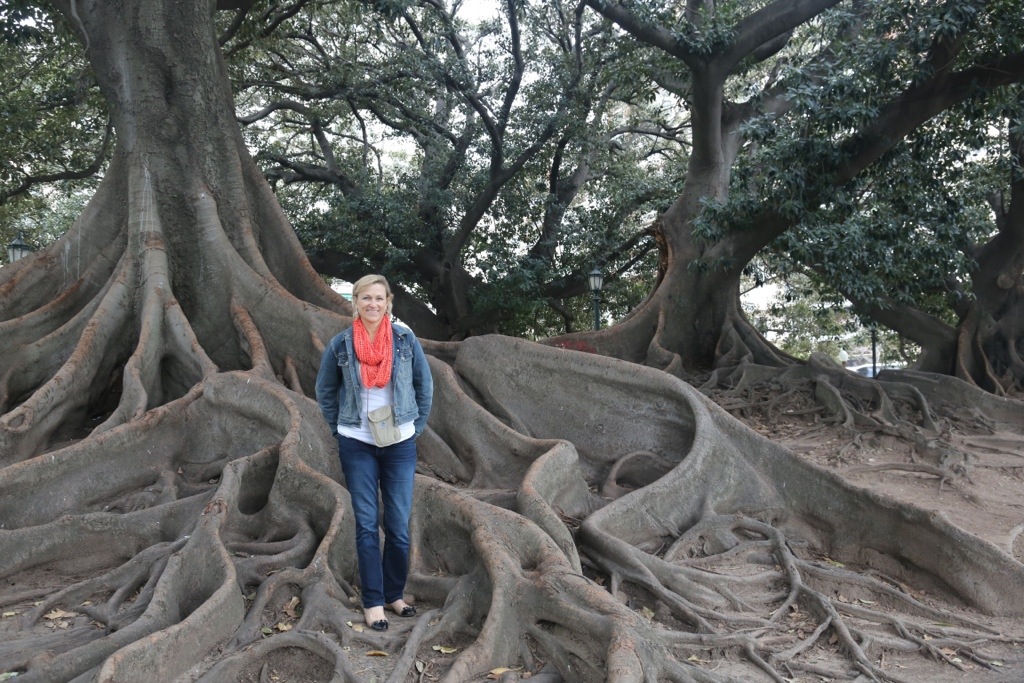
Beautiful banyan trees near our hotel.

Categories: Uncategorized | Tags: , | 2 Comments

Spring Time in Argentina and Chile

On Friday, Sept. 27, we are off to Argentina and Chile for a 10 day adventure.  Our travel time should be about 17 hours and we will arrive in their Spring Season four hours later than the Pacific Time Zone.  Once again, Brad and I have chosen a part of the world that we have never visited and have only seen through books and movies.  We aren’t sure if we will experience anything quite as exotic as fish massages, snake wine, or $2.50 haircuts on the street like we did in Southeast Asia but who knows?  We will spend three days in Buenos Aires seeing the historical sights, art galleries and learning how to tango (Brad can’t wait!)  We will then fly to Mendoza where we will spend a couple of days taking cooking lessons and learning about and tasting Malbec wine. (Brad is a lot more excited about this!)  Our time in Chile will be spent exploring, hiking, and star-gazing in the Atacama Desert and will finish with two days in Santiago before returning home.

If you would like to experience Argentina and Chile with us,  you can follow our blog.  We will do our best to inform and entertain you about the experiences we encounter on our two week trip.  Brad will undoubtedly take hundreds of pictures and we will try to weed through a few of the very best each day and publish them on the blog.  You can bookmark or click on this link  https://lisablackwell.wordpress.com/  and you will be able to read our blog.

You can also click on the “Follow” link below on the right and you will get an email each time we update our blog.  Of course, many of you know how much we love Facebook and Twitter so we will make sure to post our updates on Facebook and Twitter as well.

If you have been to this region and have any travel tips, please send them to us.  You can make a comment on the blog or let us know via Facebook or email.  We would love to hear from you!

Categories: Uncategorized | 1 Comment

Same Same but Different

Final Thoughts

Now that we are home and have had a reasonably good night’s sleep, a few final thoughts are needed before we close out this blog. It’s the little things that you appreciate when you arrive back home from a long international trip; being able to brush your teeth with tap water, not worrying about mosquitoes biting you that might give you dengue fever or malaria, the cool temperatures with no humidity, cars that actually stay in their lanes and stop at stop lights, and crossing the streets without fear of death by motorbike!

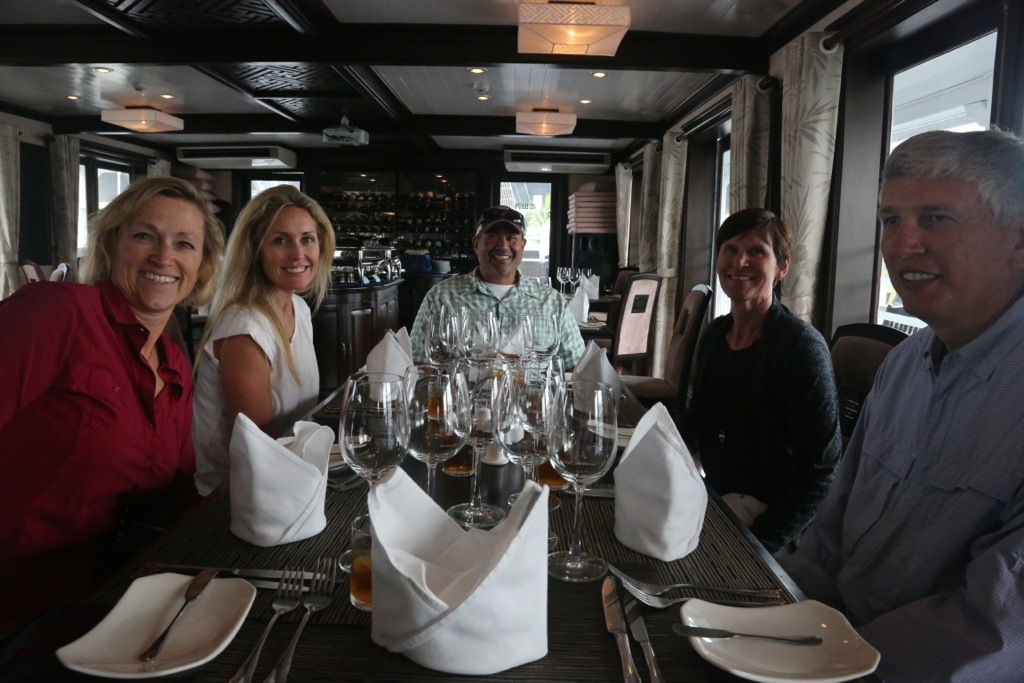
But besides those small inconveniences, our trip to Southeast Asia surpassed all of our expectations in so many ways. Going into it, I think we knew we were going to see sites we had never seen, eat food we had never heard of — although rats and buffalo lung weren’t on the list. We were hoping to travel with some like-minded people who were interested in expanding their minds and viewpoints. Our group of 15 just clicked from the beginning. Everyone was up for adventure and soaking up as much culture as we could. The benefits of our trip was that each couple had a private guide and a variety of experiences to choose from each day. We would then all get together for drinks at the end of the day and share and compare all of the different things that happened to us each. By the end of the trip, we were fast friends and were all sad to say good-bye and see the journey come to an end.

20121017-121356.jpg

20121017-121423.jpg

20121017-121450.jpg

20121017-121532.jpg

20121017-121626.jpg

20121017-121658.jpg

20121017-121920.jpg

20121017-122319.jpg

20121017-122800.jpg

What we weren’t expecting from our trip was how well we would get to know some of the people who were our guides and hosts. We had the luxury of spending full days with four young men who care deeply about their countries but who also are worried about the situations they find themselves in. They taught us so much about the culture that we could never have read in a guidebook or seen in a documentary.

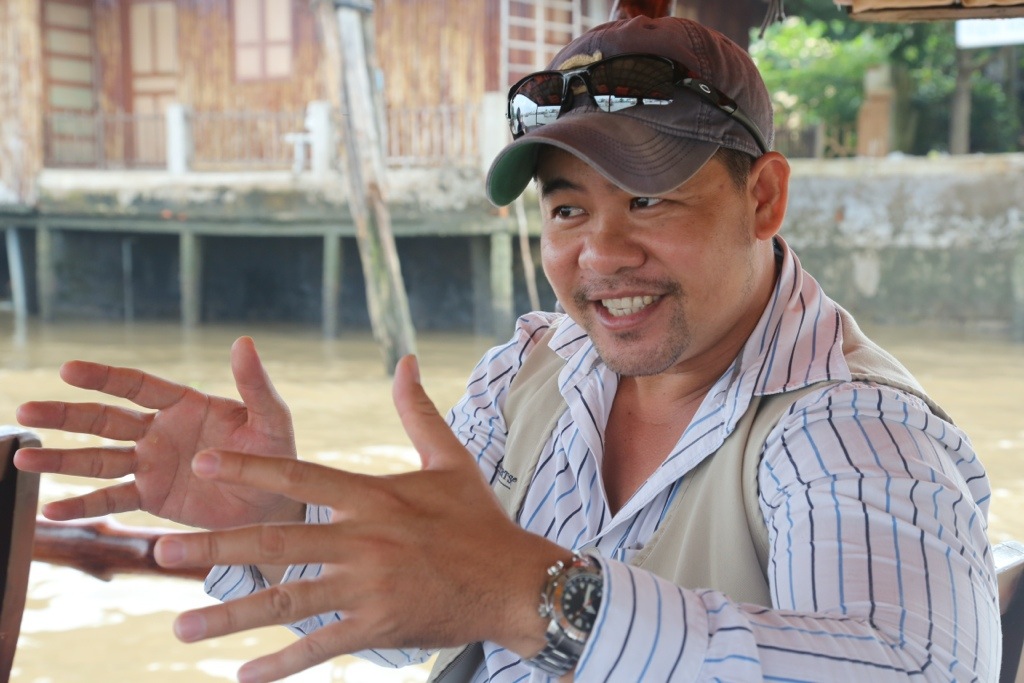
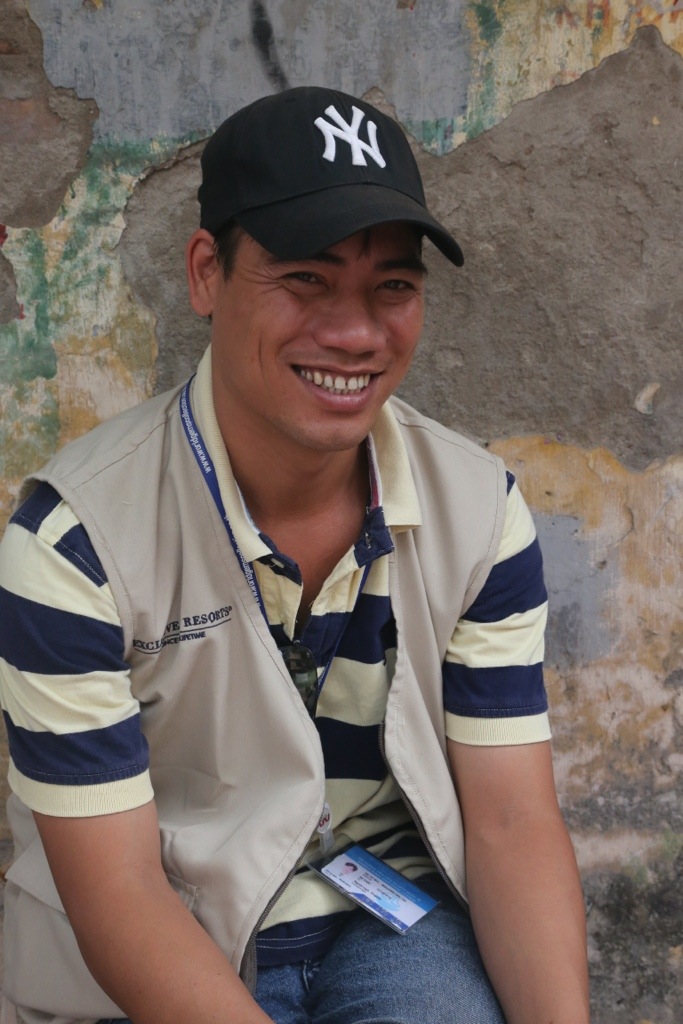
Our last guide, Hien, really stole our hearts. He reminded us of our daughter’s boyfriend, Kai, and had an enthusiasm for life that was contagious from the minute we met him with his big friendly handshake and “How are you, Mr Brad and Miss Lisa? I hear you like to be adventurous!” We spent two full days with him around Saigon and we learned about his family. How he was born on a rice farm with six other siblings. How his father fought in the Vietnam/American War and was taken to a re-education camp. How his father was sick in his head after the war and turned to alcoholism and died when Hien was relatively young. We heard about how his older brother escaped from Vietnam in the 70’s as one of the boat people to come to America because he knew he would end up dead from all of the fighting in Vietnam. We heard how his brother sent back money so that Hien and his sister could leave the rice farm and make a better life and go to college.

And Hien does seem to have a good life. He is in demand as a tour guide, loves to tell stories about his country, has the history down cold, loves to watch American movies to work on his English, has a girlfriend, has a great sense of humor and laughs quickly. But he is worried because his country is still very undeveloped and poor and his freedoms are limited. Simple things like Facebook are prohibited by the government. There is an election every five years with only one candidate and there are no opposing viewpoints allowed. We asked if he could ever come to America and visit his brother in Tennessee and he said it was impossible for him to get a Visa even to come for a two-week visit. He said he can travel to other countries in Southeast Asia and Hong Kong but because he is a young man in an under-developed country he cannot get a Visa to go to the Western countries. He jokingly asked if we could go home and talk to Mr. Obama about this so he could come to America and visit his brother.

We take our freedoms for granted in America. Most of the time we never even think about them when we go about our daily lives. But when you talk to people who don’t have freedom and a voice in their country you realize how valuable and precious it is. We know there is a slant to our media coverage but when you are only allowed one point of view and it is one filled with propaganda even I will have to admit that the freedom to have Fox News in America is a good thing. We complain about the negative politicking and back-stabbing in Congress but living in a country that gives the opportunity for people to have a voice and protest and run for an opposing party is not to be taken lightly. One of the tour guides we met in Cambodia is thinking of running for an opposing party (Cambodia is a kingdom and is not Communist) but he is afraid of what might happen to his wife and children so he is not sure if he should run or not. Brad and I even experienced our own forms of censorship. We are pretty sure that our blog got blocked in Hanoi. Not sure if it was Brad’s bad jokes or the fact that we were on an American website that they didn’t like but we couldn’t send anything out at all in Hanoi. We thought it was just a bad internet connection but since we could get on everything else, we now think it was the blog website that was restricted.

The people of Southeast Asia got under our skin because of their kindness and hope for a better future for themselves. They all see education as the key to the prosperity of their countries and their families but when the government only pays for the children to go to school until 5th grade and 70% of the people are rice farmers, it is a select few who can afford a high school degree much less a college one. The economy has improved for these countries in the last twenty years but it is slow going and the standard of living is still very low. They are a people who have seen a lot of suffering on their own soil and in their own families but they are also happy because they have seen much improvement in their life times as well.

I am not sure if we will ever get back to Vietnam, Laos or Cambodia or if Hien, Du, or La can ever come back to visit us in America but I do know we will never forget their stories and their countries.

20121017-123250.jpg

Hien from Saigon

20121017-123356.jpg

Soeun from Cambodia

20121017-123922.jpg
La from Laos

20121017-124024.jpg
Du from Hanoi

Categories: Uncategorized | 4 Comments

“History is Written by the Victor”

This has always been true. The victor in every war gets their version of the truth placed in the annals of history. We Americans, however, are not accustomed to being on the wrong side of the victory ledger. We have always written the book.

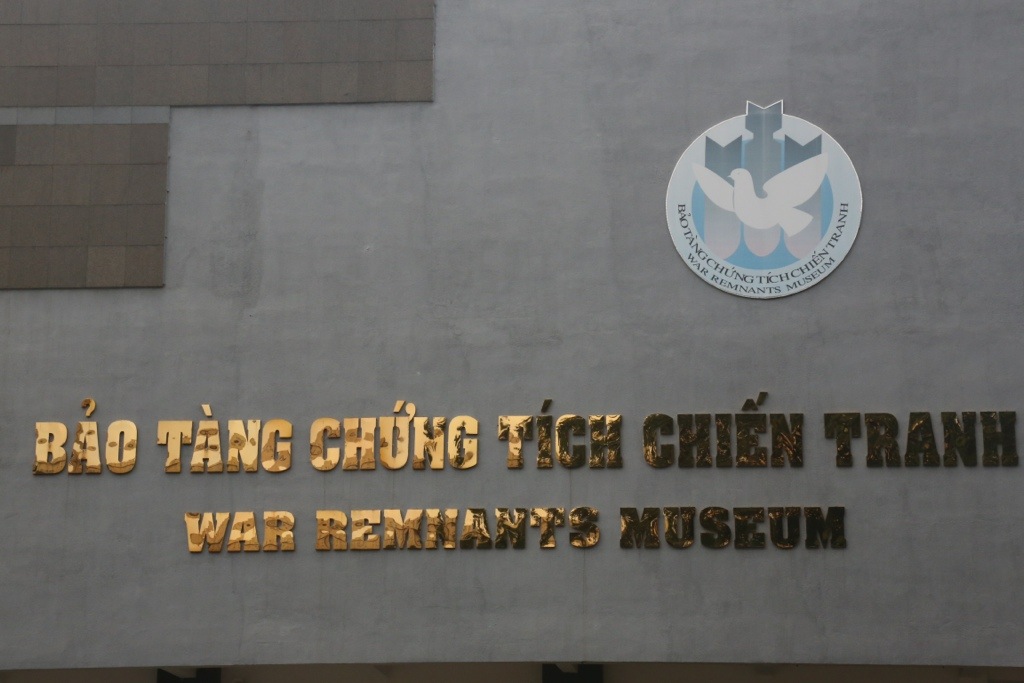
Phung, the head of our tour guide team, said this to us as we were getting off our bus at the War Remnants Museum in Saigon. He was warning us that we would not necessarily like what we saw. The museum opened in 1975 in the building that housed the US information agency. It first opened as the “Exhibition House for US and Puppet Crimes.” This was later changed to “Exhibition House for Crimes of War and Aggression,” and, finally, in 1995 as US/Vietnamese relations were warming, the museum was given its current name.

My Dad was a rescue helicopter pilot in the Vietnam War. His job was to pick up downed fighter pilots in North Vietnam and bring them home. Many of those pilots are still alive today and grateful for his heroism. I will forever be proud of him. As such, viewing this one-sided version of the war was particularly hard.
That’s not to say the US didn’t do things that we all wish they hadn’t. Agent Orange — a defoliant used to kill jungle growth — had devastating affects on the environment and the people in its path for decades. Napalm, also used to clear the jungle — but, much more quickly — burned down villages and killed many innocent people. The Mai Lai Massacre was unforgivable. These acts were well documented in the museum. They invoked the intended emotional result on all of us. There were many omissions, too. The involvement of the Soviets and Chinese were never mentioned. The crimes of the North were also omitted. War is ugly and no one wins. The leaders of countries at war often make poor judgments for tactical advantage. Perhaps all isn’t fair in love and war. If the museum did anything well, it made this point strongly.
20121016-160821.jpg

The Cu Chi Tunnels

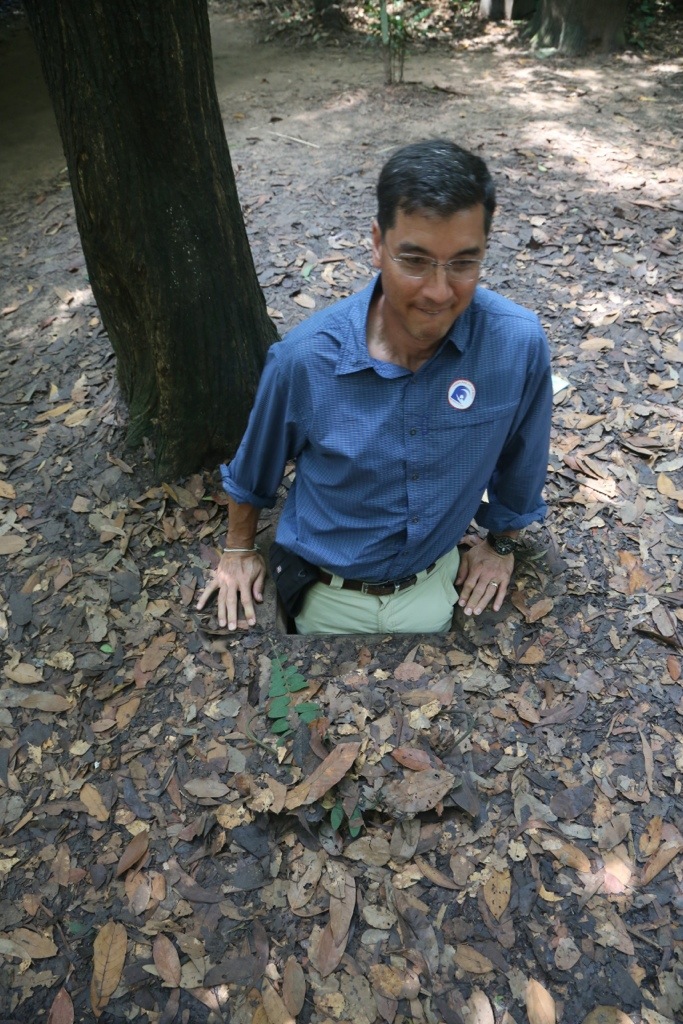
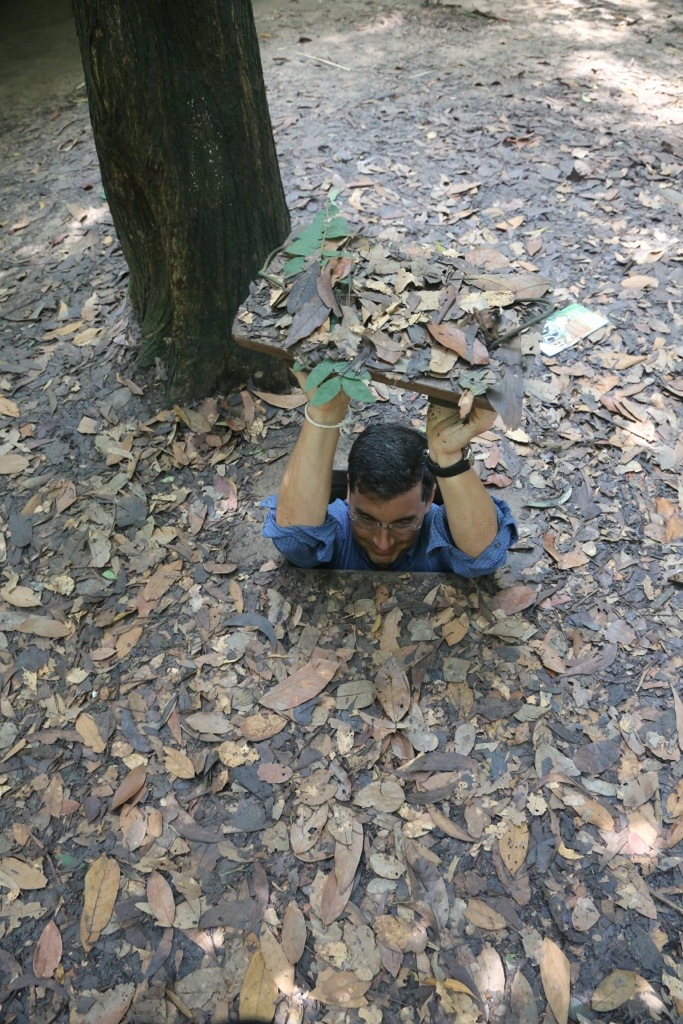
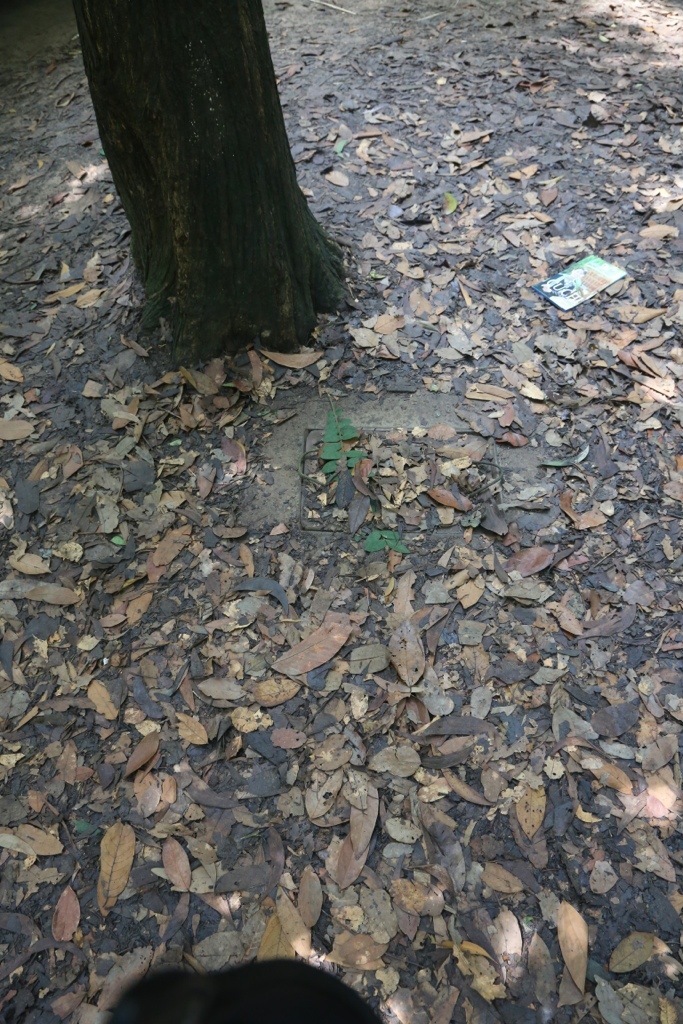
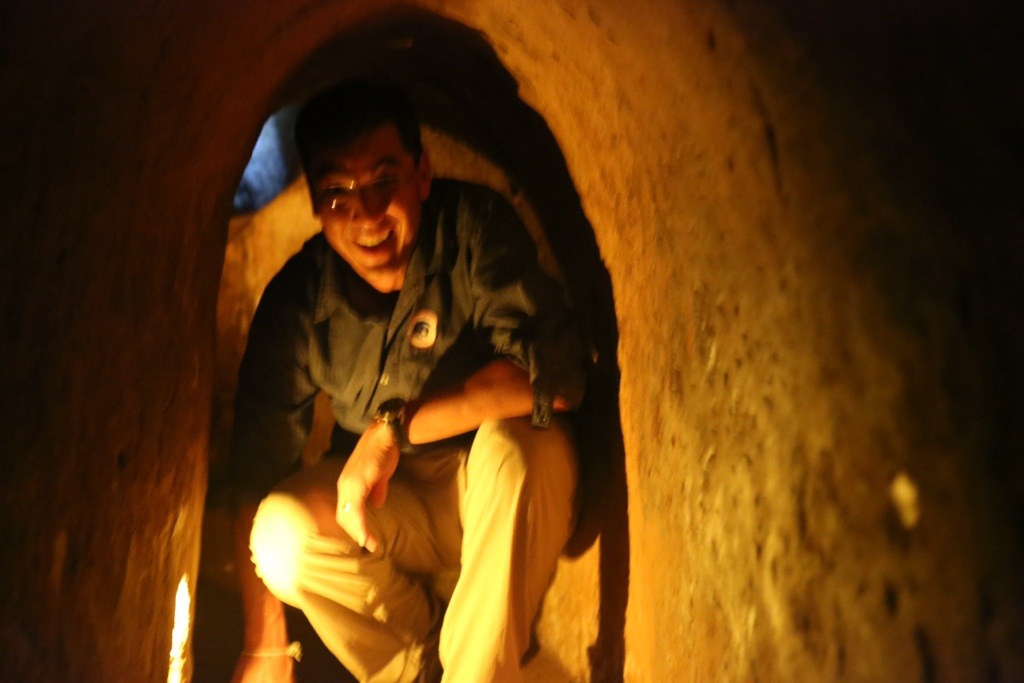
We drove about 40 miles northwest of Saigon this morning to visit the Cu Chi tunnels. They are a network of tunnels in the jungle town of Cu Chi that the Viet Cong used to hide from French troops and American GIs. The tunnel network is miles long and traveled from home to home, out to the Saigon river, to the Ho Chi Min Trail, and even under an American airbase. We had a chance to learn about the clever tactics of the Viet Cong and the harsh conditions they lived under. The Tet offensive on Saigon was largely launched from here according to Hien, our guide.

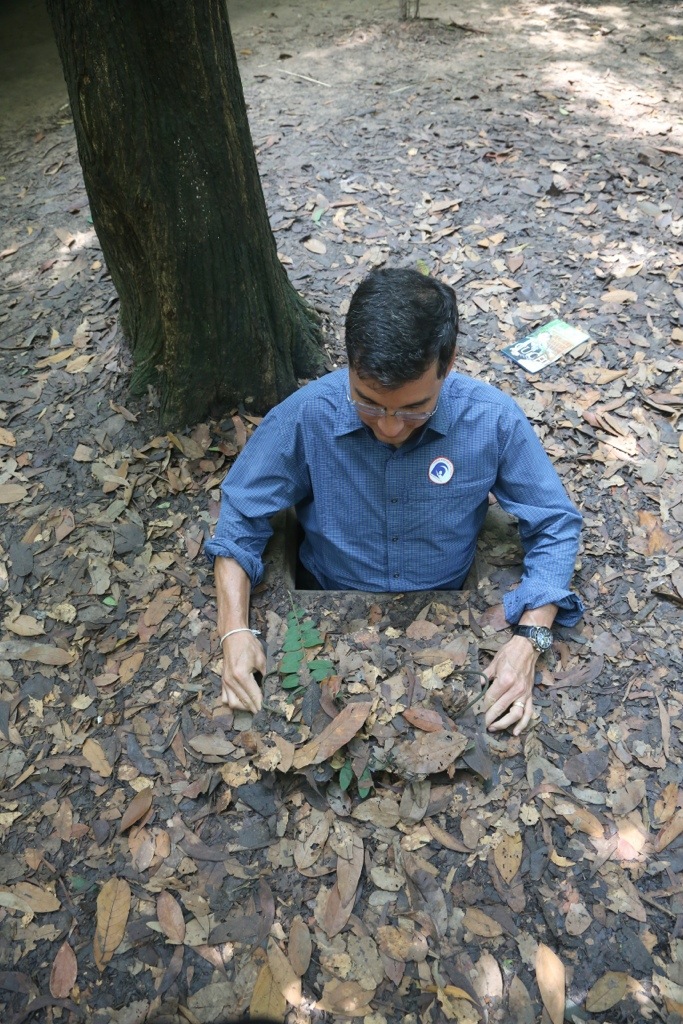
I had a chance to crawl through one of the tunnels. Lisa started to go, but, her claustrophobia got the better of her and she waited for me up top. While the tunnels went as far as three stories down, I simply walked through the first level. Imagine duck-walking for about 200 yards. And, the tunnels have been enlarged. Originally, I might have had to crawl and squeeze through the space.

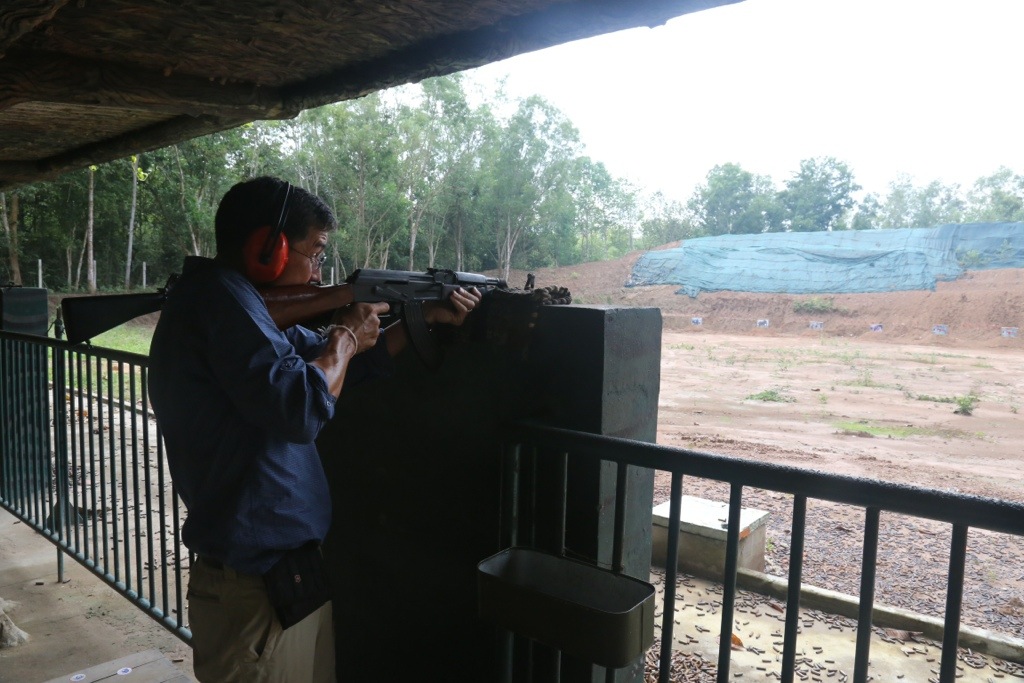
I popped up and there waiting for me was a smiling Lisa, glad I made it, but, even more glad she stayed on top! I also got to fire an AK-47. Seventeen dollars for ten bullets. Capitalism at its best.

20121016-161110.jpg

20121016-161137.jpg

20121016-161203.jpg

20121016-161220.jpg

20121016-161239.jpg

20121016-161305.jpg

Mr. Cuong

One of our more poignant moments was our personal meeting with Mr. Cuong. Mr, Cuong was a photographer for the Associated Press during the war. He was there during some of the most historic moments. He was at the Presidential palace when Saigon fell, he photographed the evacuation of Americans and Vietnamese on those final days, and he was in many battles, recording the images of war.
We had a chance to sit with him in his modest home above a convenience store and ask him questions about his experiences. He was generous, engaging, and even complimented my photograph of his camera collection!
Saigon — A Western City

Saigon is definitely not Hanoi. Driving in from the airport, we immediately noticed that the city is more affluent and more Western than Hanoi, which has had less economic advantage. There are still millions of people on motorbikes. Crossing the street is still an adventure. But, there is a coffee shop on every street corner and many very upscale stores and hotels. While we feel right at home here, it has a much less exotic feel then we’ve enjoyed on the rest of our trip.

Off to the airport for our return trip home. We’ll do a final wrap-up on the trip once we get settled in Danville.

20121016-161907.jpg

20121016-162003.jpg

20121016-162047.jpg

20121016-162107.jpg

20121016-162811.jpg
Mr. Cuong

20121016-162844.jpg

20121016-162900.jpg

Categories: Uncategorized | Leave a comment

The Mekong Delta — Vietnam’s Rice Basket

The Mekong river begins as snow in the Tibetan Mountains. It flows through China, Myanmar, Laos (where we took a riverboat ride earlier this week), Thailand, and Cambodia, and finally Vietnam where it flows into the South China Sea (or as the Vietnamese call it, the East Vietnam Sea). The river is a rich source of food, water, and power for every country. There is much legend and history associated with it as well. As it approaches the sea, the river — much like the Mississippi River back home — forms a large and fertile delta. It is characterized by many tributaries and canals that branch throughout the region.

Lisa and I set off yesterday morning for the two-hour drive from Saigon to the delta. Our guide, Hien grew up there and was a fountain of information for us. His family had a rice farm and seven children. Hien’s older brother was old enough after the war, that he became one of the hundreds of thousands of “boat people who fled Vietnam to avoid persecution. He settled in Tennessee, got a job with First Fidelity Title company, and sent money home so Hien and one of his sisters could go to college. Vietnam provides elementary education for free. If you want to go to middle school, high school or college, you must pay. This isn’t possible for many Vietnamese families. Hien was lucky. His four youngest siblings still work the farm.

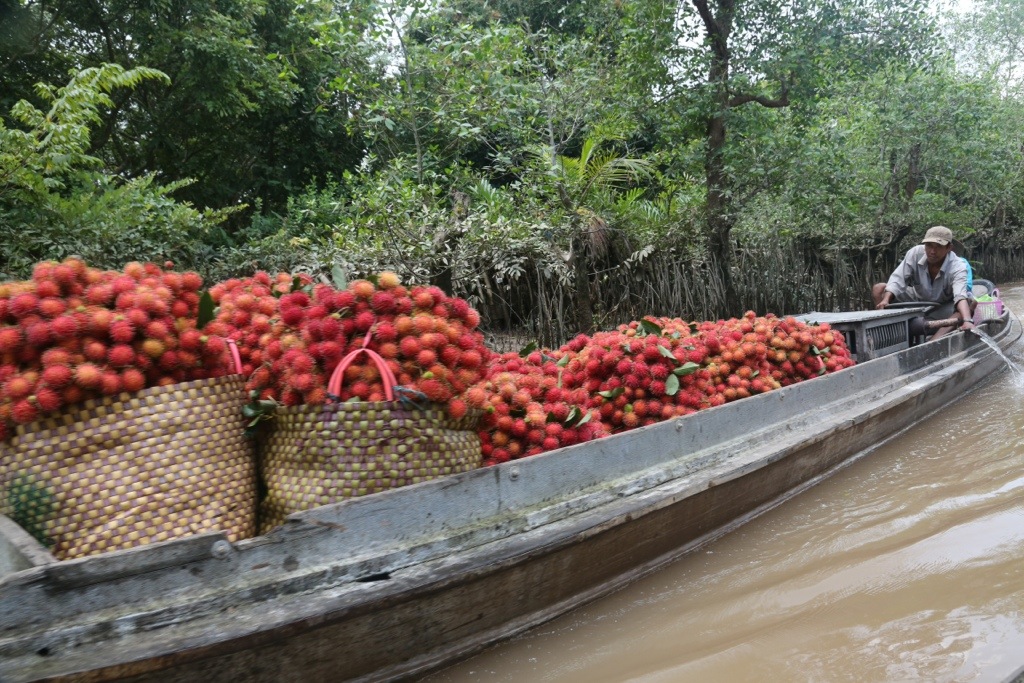
The ground is so fertile and the growing season so long that they can produce three rice crops per year. This compares to two crops in North Vietnam and one in Cambodia. But, the area was unique to what we’ve seen before because of the tropical fruit orchards on the many islands in the delta. We tried many fruits, some of which we had never seen or heard about before, like rambutan, longan (a relative of the lychee — it looks like an eyeball when peeled), and mangosteen.

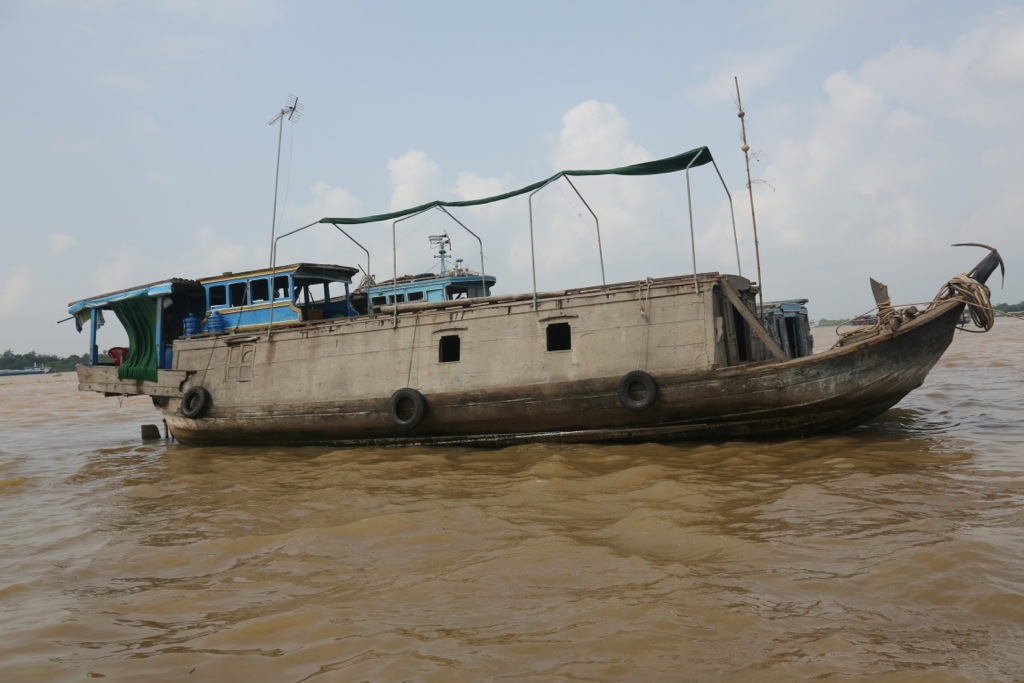
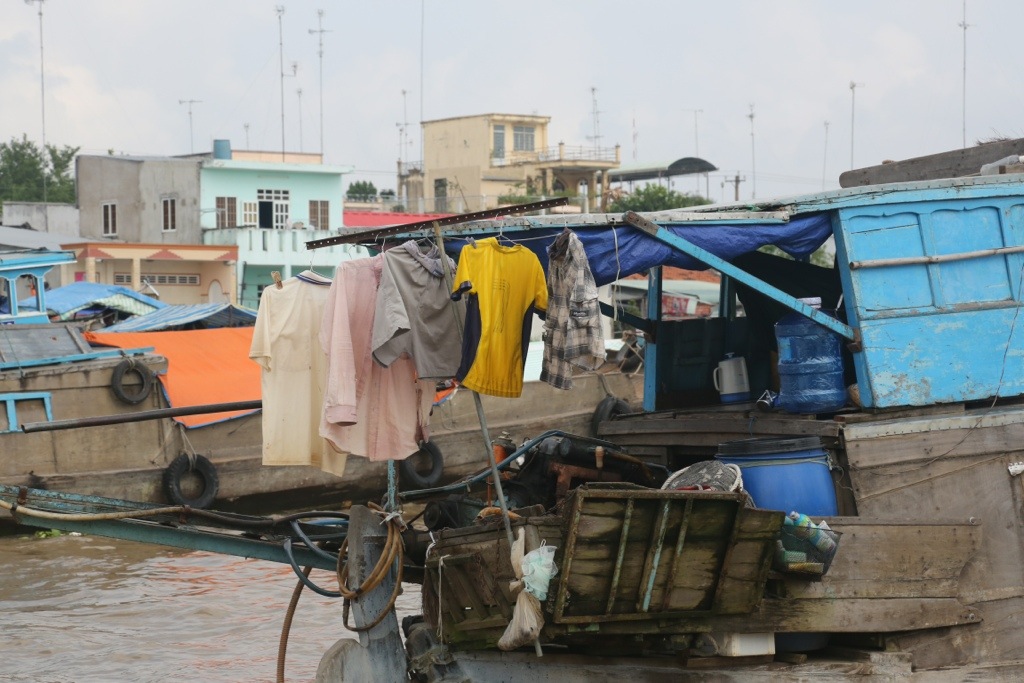
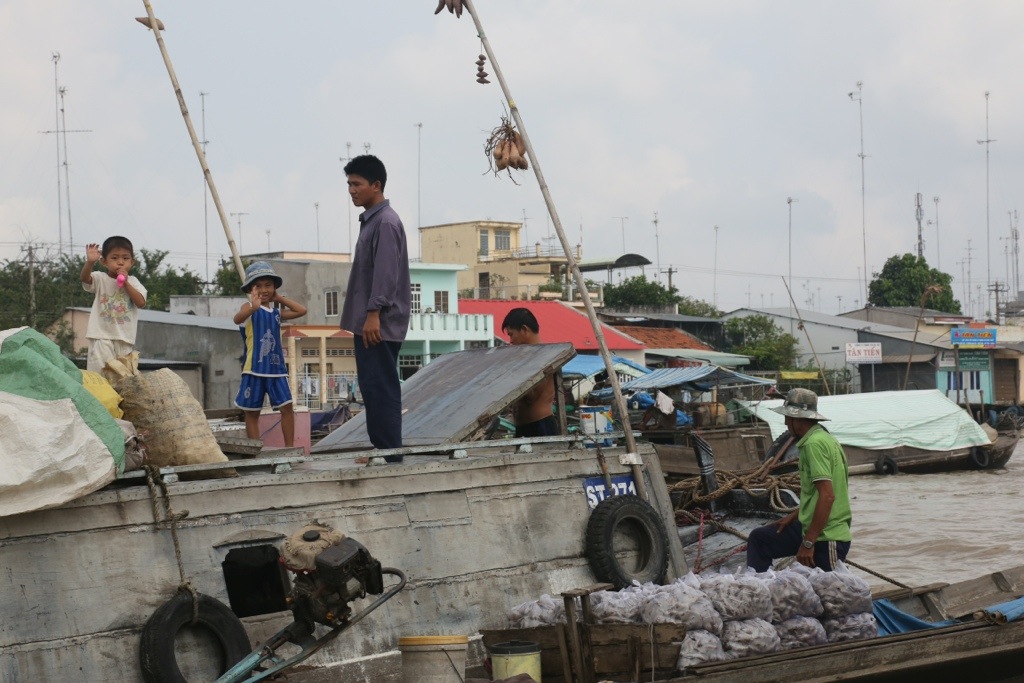
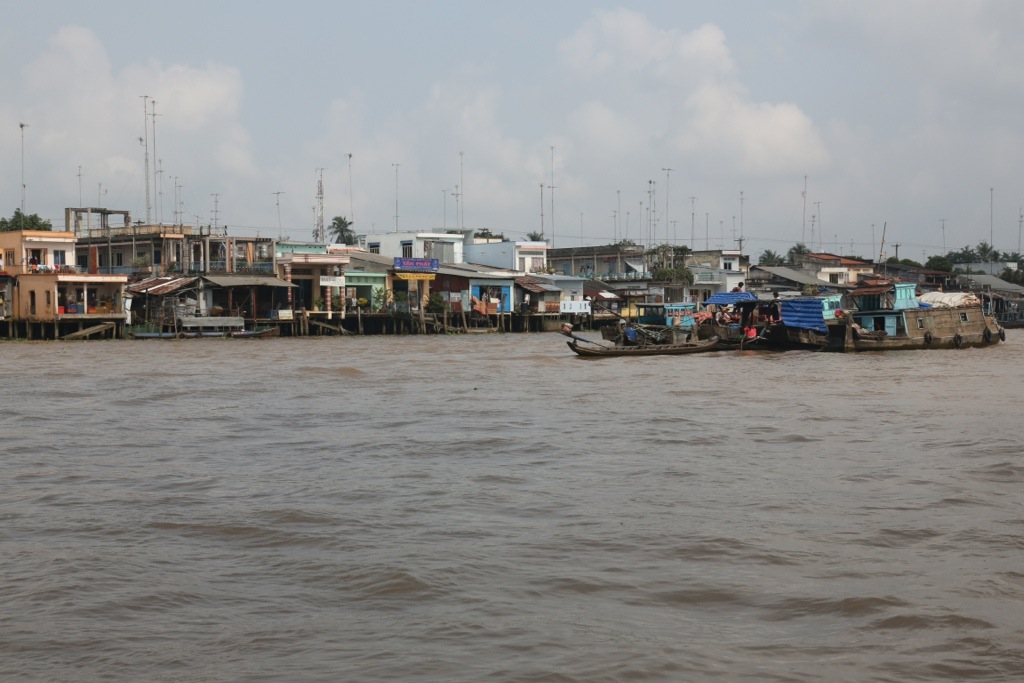
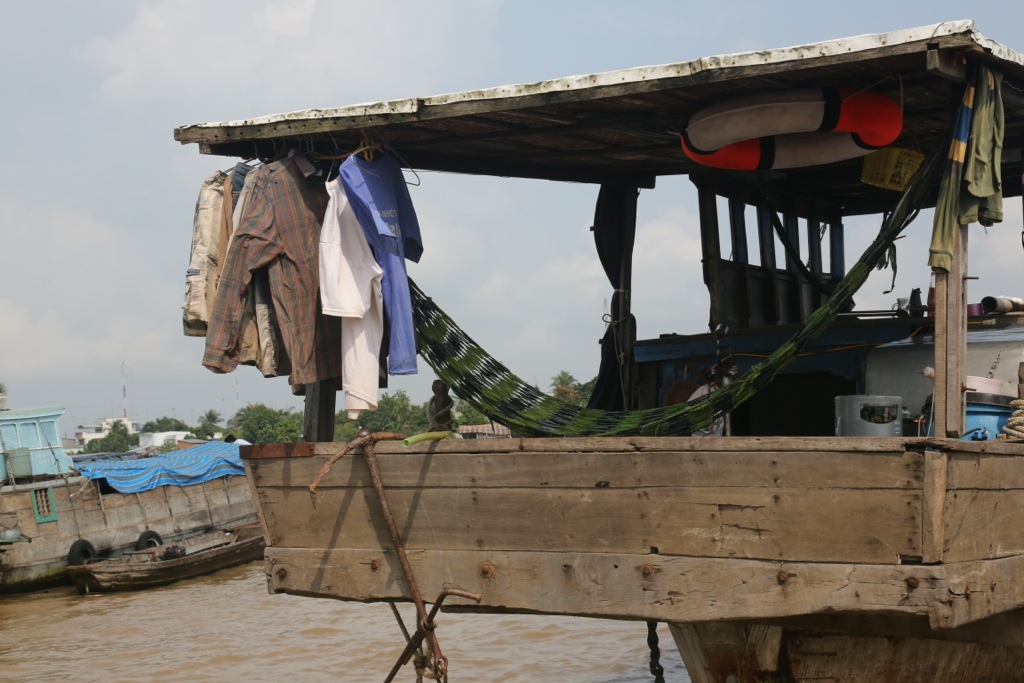
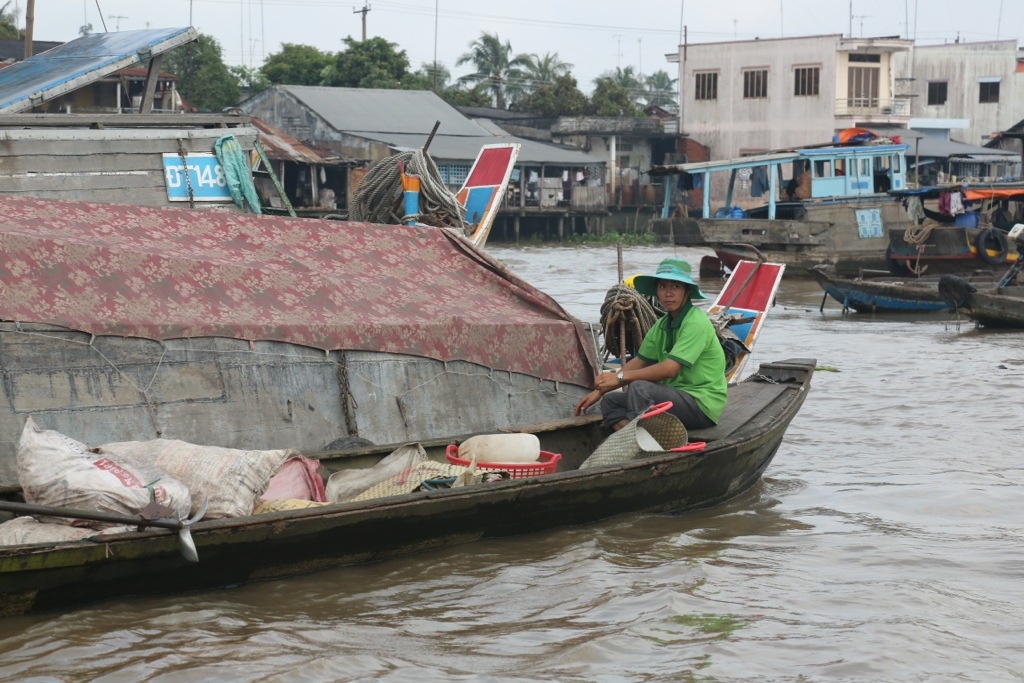
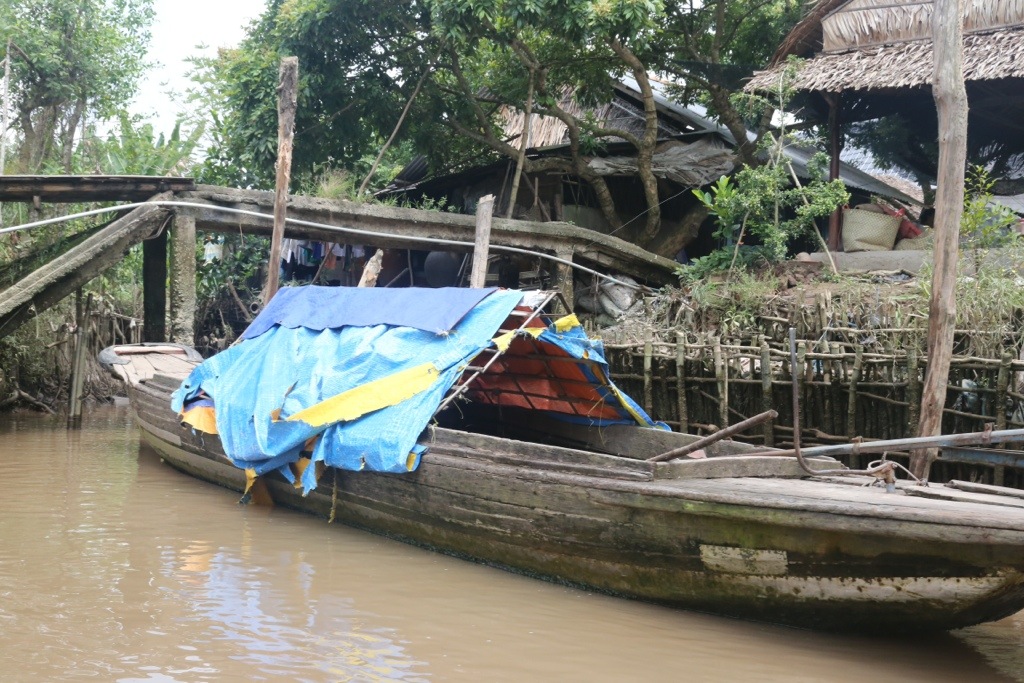
We arrived at the river and boarded a small junk boat. We headed out to the floating market where merchants sell their crops. Unfortunately, it opens early in the morning, so, we arrived to late to do any shopping. But, we were able to see the “belly boats” the market people live in. They cook, work, and relax on deck and sleep down below. The boats are anchored in an area that looks a little like Venice — if I had only wood and built it myself. But, there are canals, boats, water taxis, and ferries with activity being a constant.

20121016-080309.jpg
A belly boat.

20121016-080413.jpg

20121016-080612.jpg

20121016-080630.jpg

20121016-080653.jpg

20121016-080728.jpg

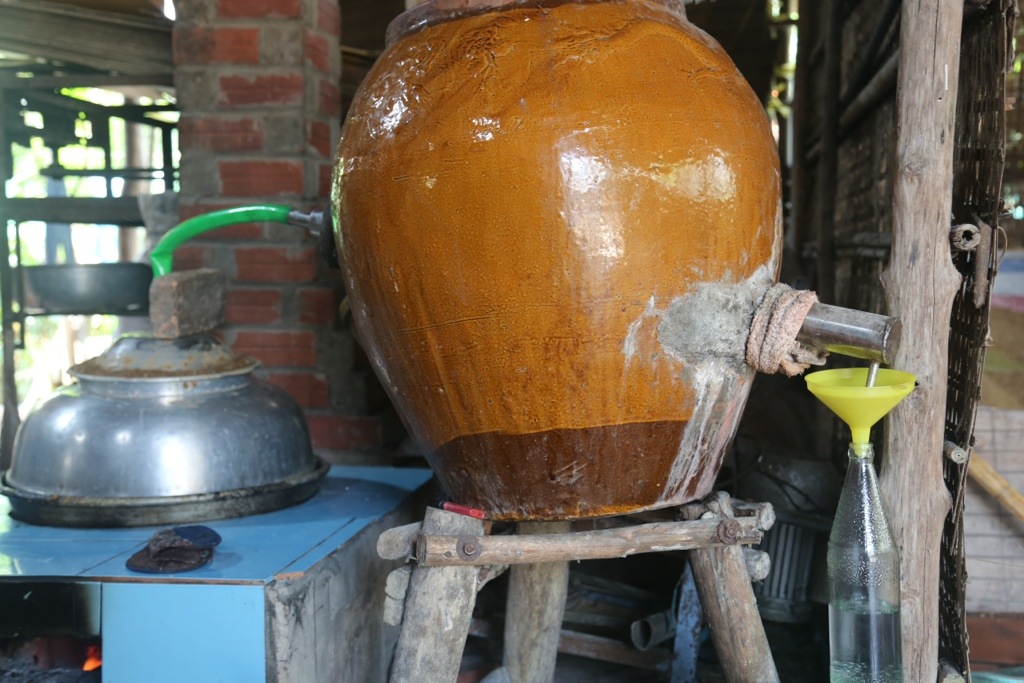
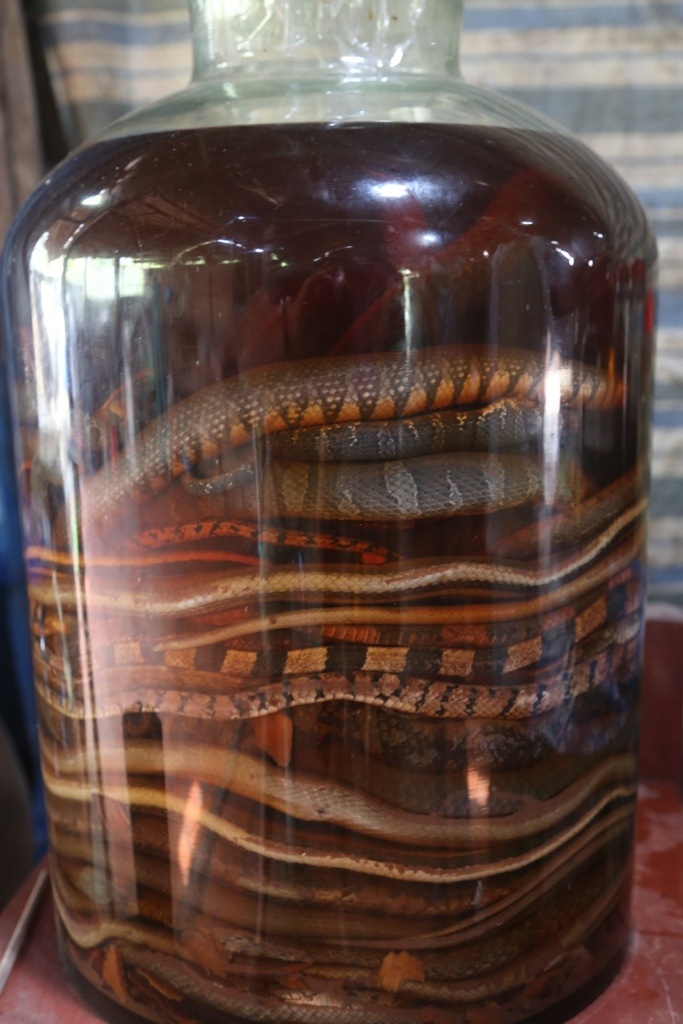
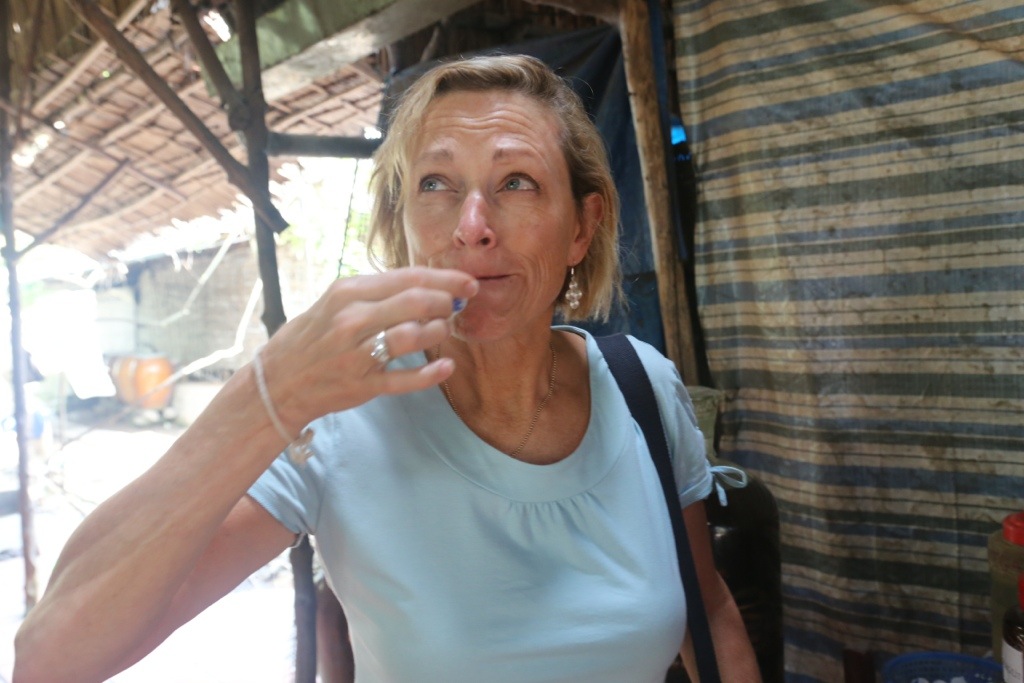
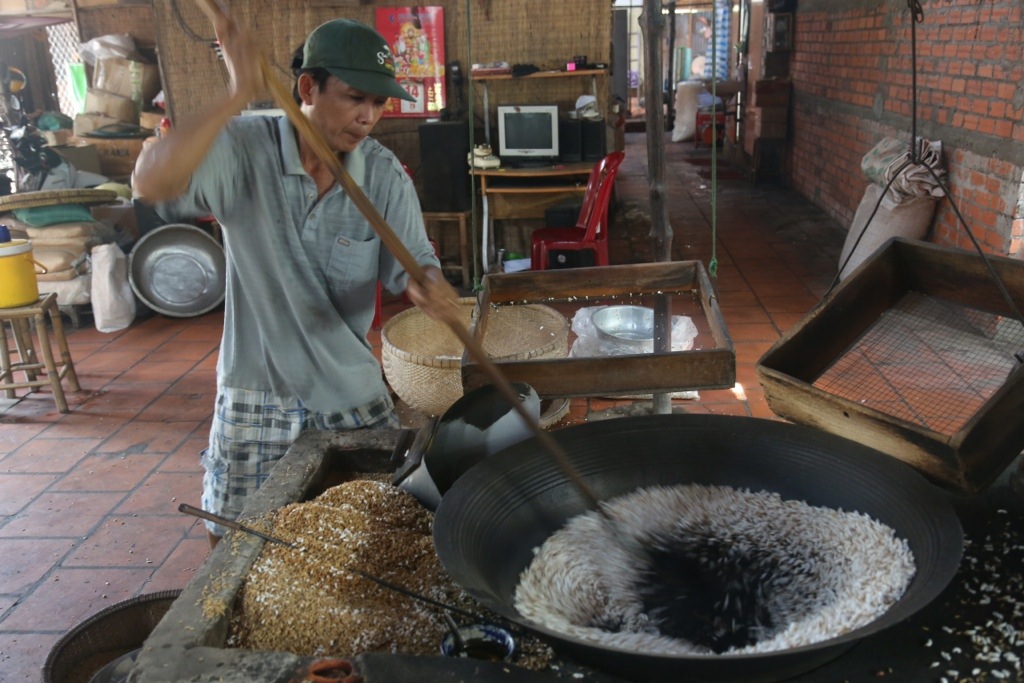
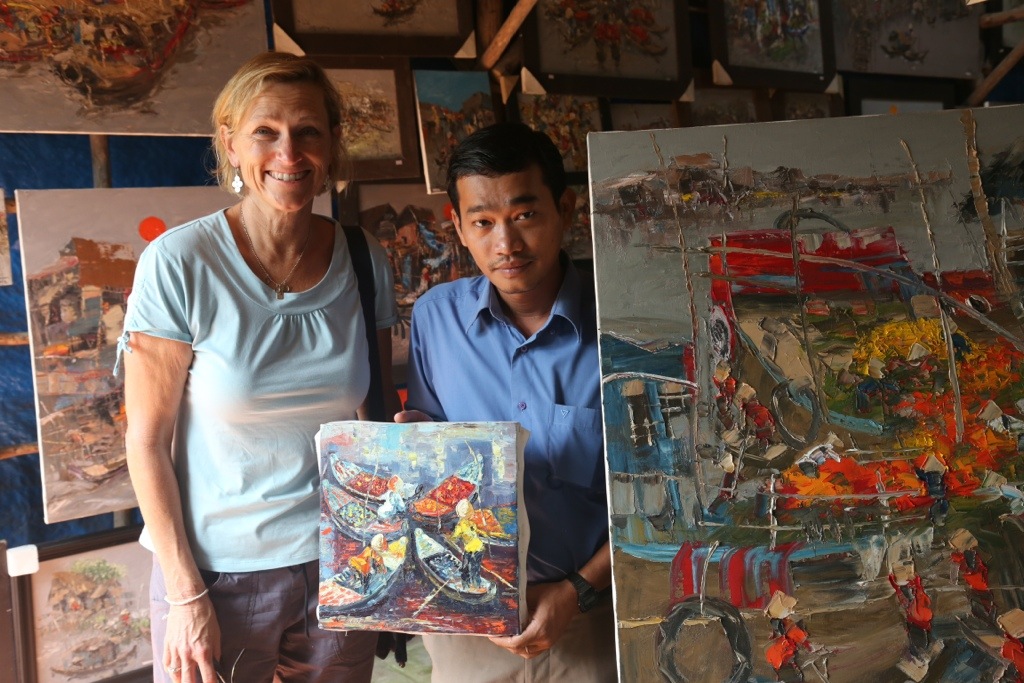
We then landed and checked out a place that makes rice paper, rice wine (some with snakes in it!), puffed rice cakes, and coconut caramels. Lisa liked the work of a local artist and bought one of his oil paintings.

20121016-081026.jpg

20121016-081042.jpg
Rice wine still.

20121016-081125.jpg

20121016-081138.jpg
Lisa wasn’t a fan of the rice wine.

20121016-081233.jpg
Puffed rice is made a lot like popcorn.

20121016-081345.jpg
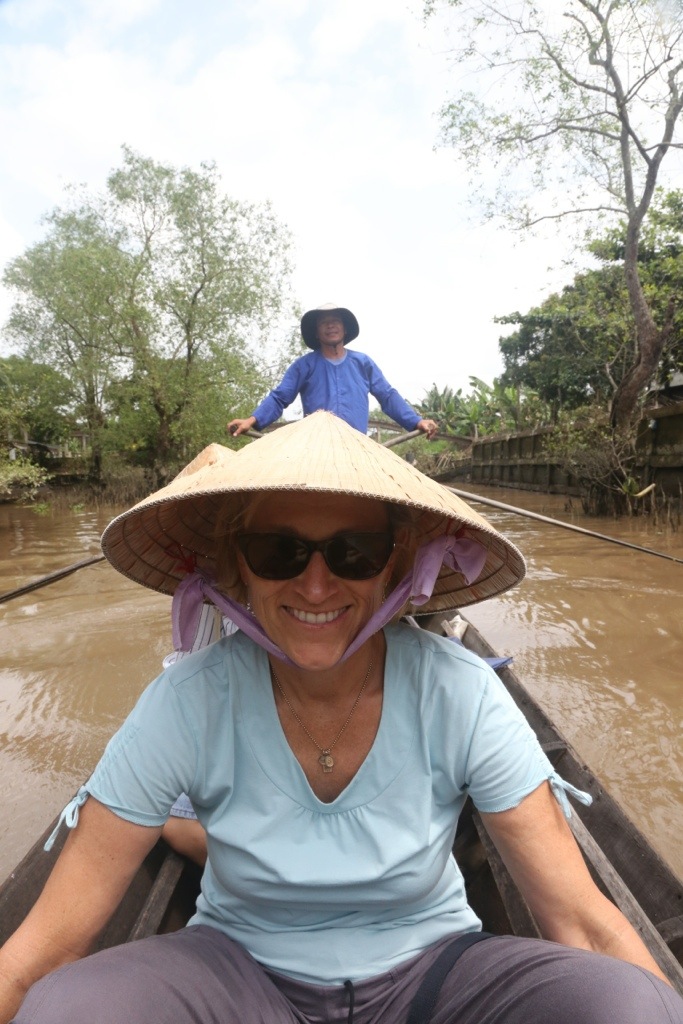
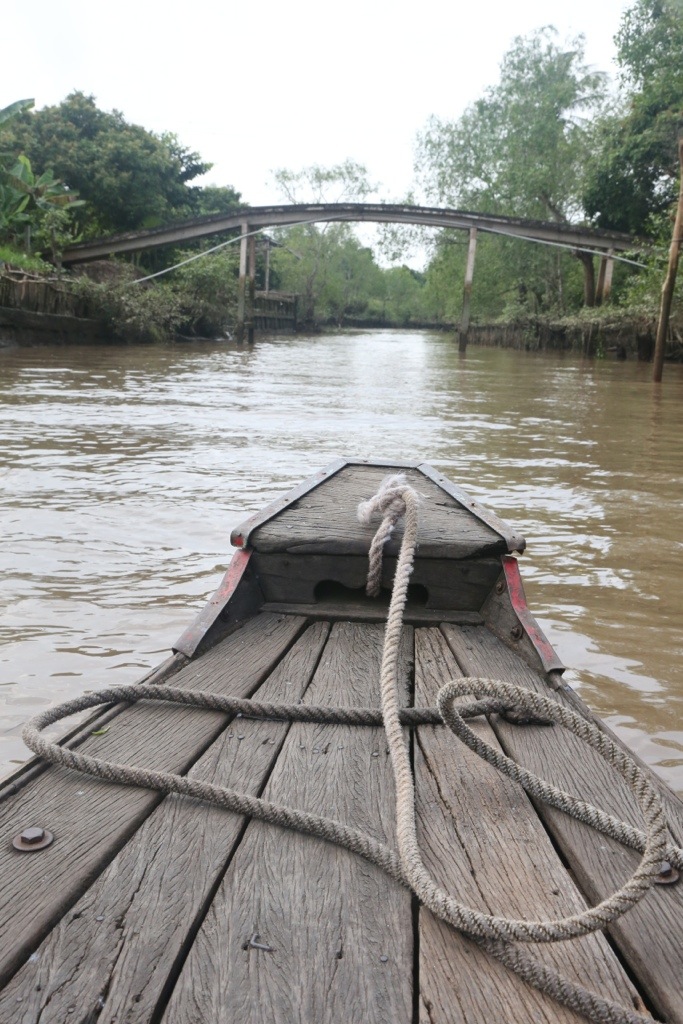
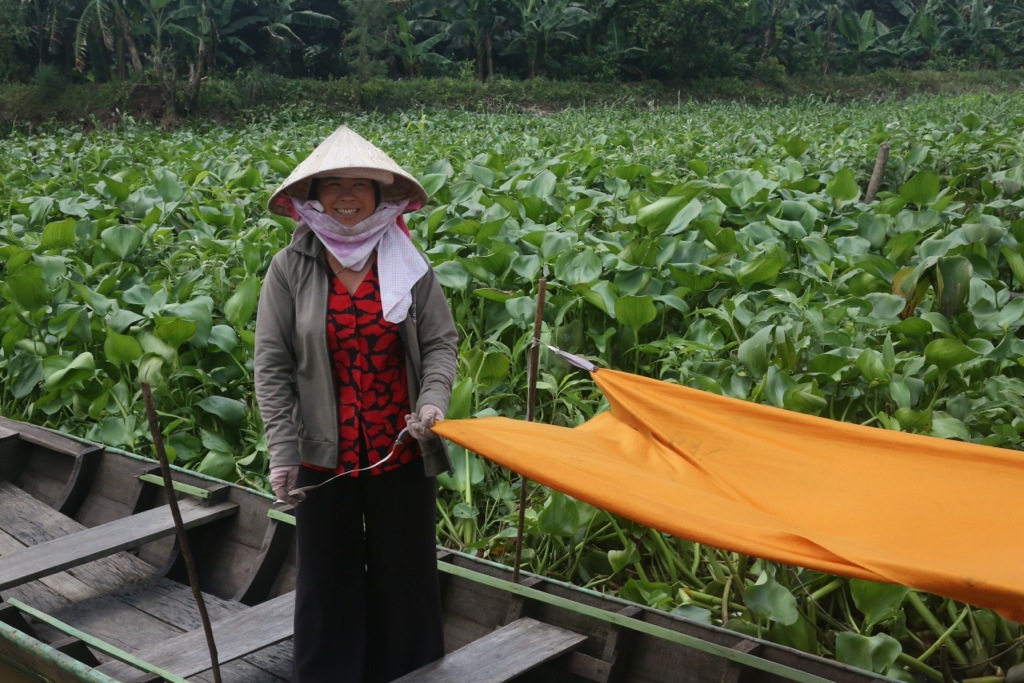
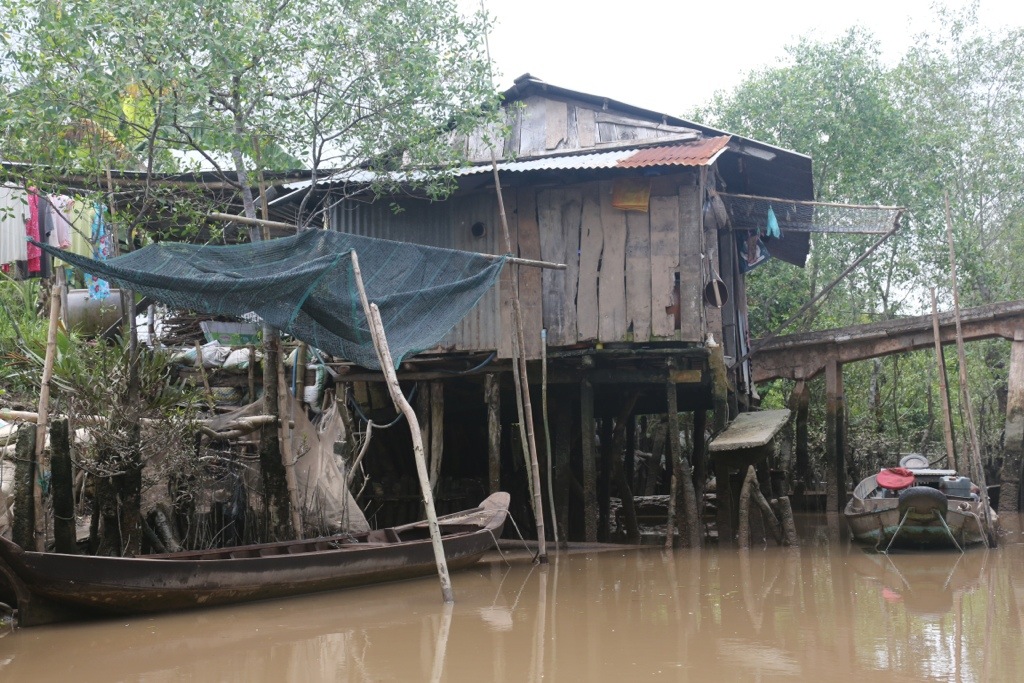
Finally we boarded a little saipan boat for a ride up one of the many little canals that are used to get to homes on the delta islands. What a ride. The boat guy uses two oars to steer and propel the boat. But, unlike the typical rowboat, he stands and faces forward. Stephanie would have thought she was on a Disney jungle cruise. But, this was real. Here are a few pictures. Judge for yourself.

20121016-082023.jpg

20121016-082046.jpg

20121016-082059.jpg

20121016-082110.jpg

20121016-082128.jpg

20121016-082147.jpg

20121016-082213.jpg

20121016-082232.jpg

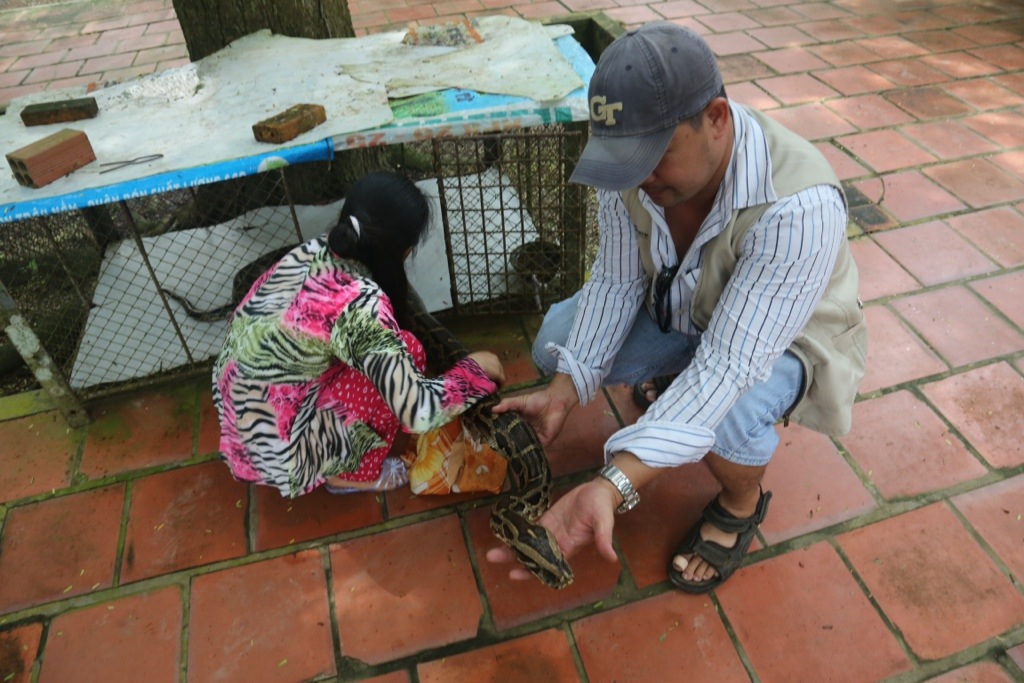
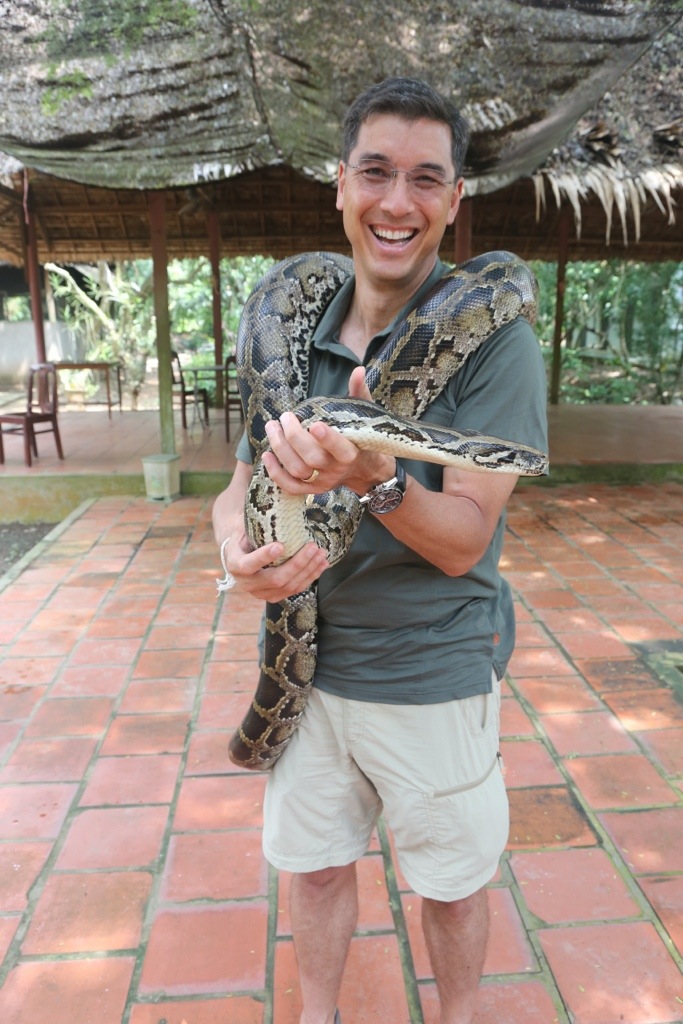
And, finally, we had lunch on one of the islands at a local family’s home. They do this for ecotourist visits. We were, however, the only ones there at the time. Before sitting down, we visited with their pet python. He didn’t have a name. But, they seemed to love him as they had had him for 14 years.

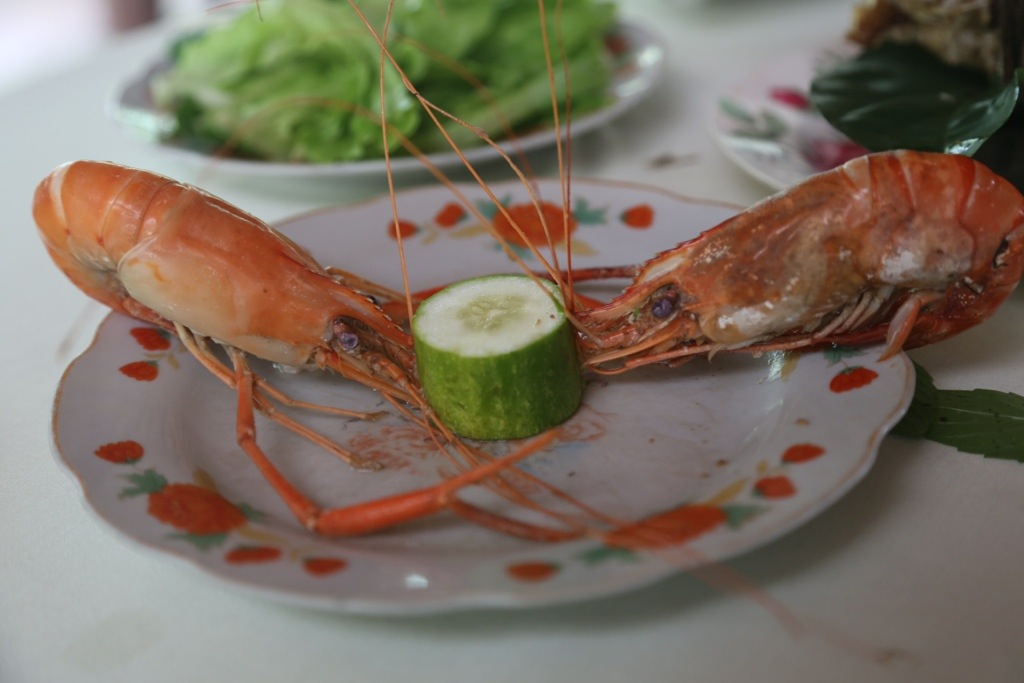
We then had one of the best, most fresh meals of the trip. Elephant fish (a new first), fresh water prawns, pork, fresh fruit, pho (Vietnamese soup). Delicious. Once again, we found friendly people content with their lives and proud of their heritage and land.

20121016-082829.jpg

20121016-082857.jpg

20121016-082912.jpg

20121016-082935.jpg

20121016-083011.jpg

20121016-083029.jpg

20121016-083114.jpg

20121016-083135.jpg

Categories: Uncategorized | 4 Comments

Lisa’s (Soon-to-be) Famous Fish Massage

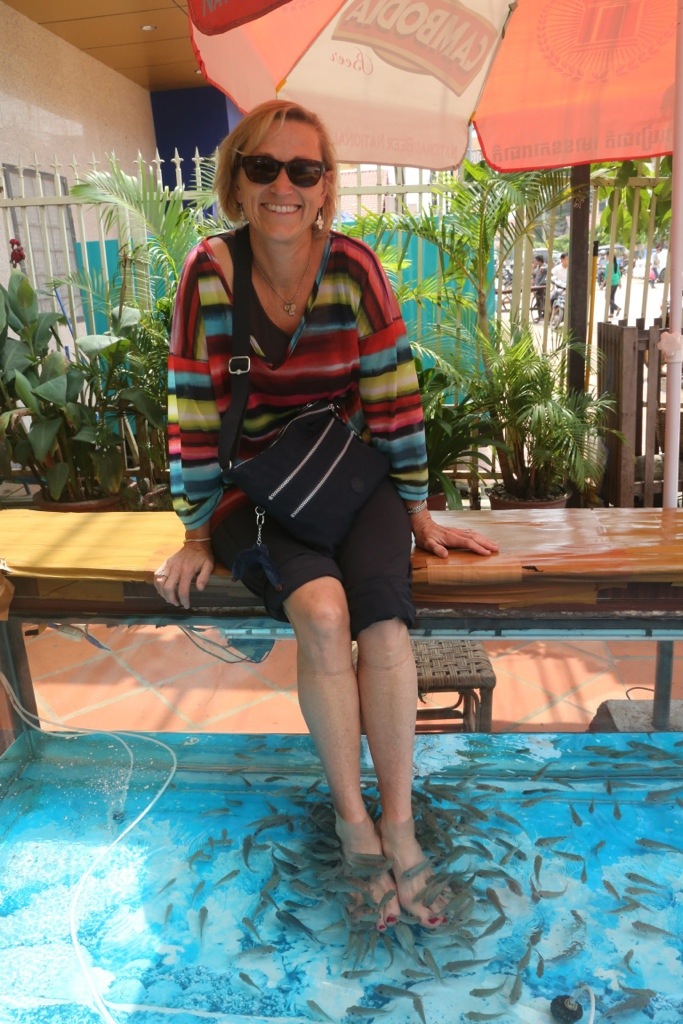
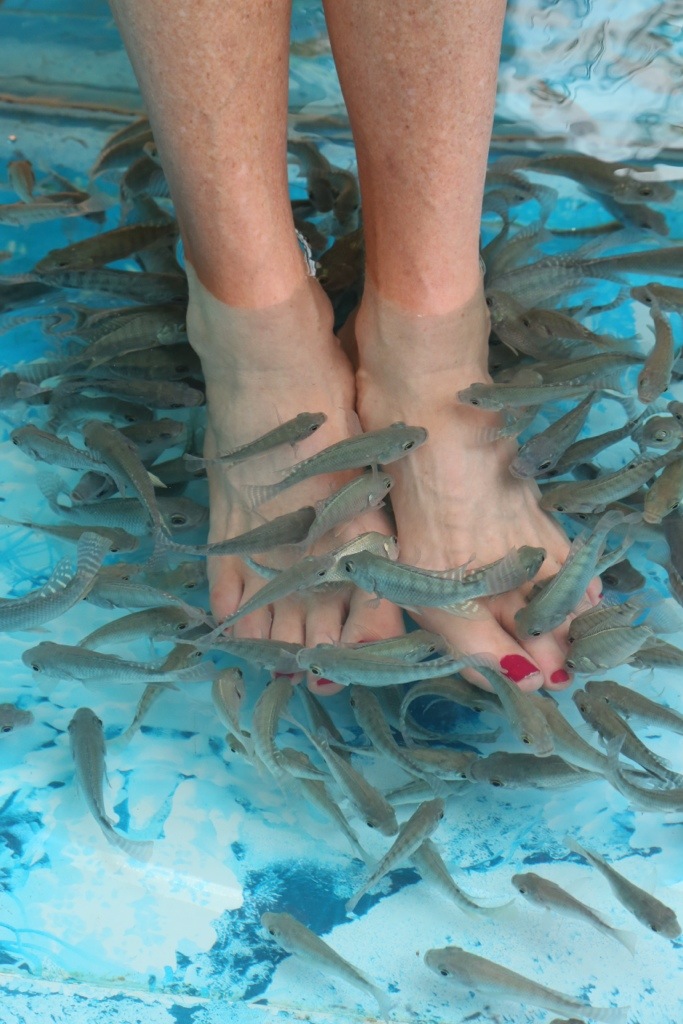
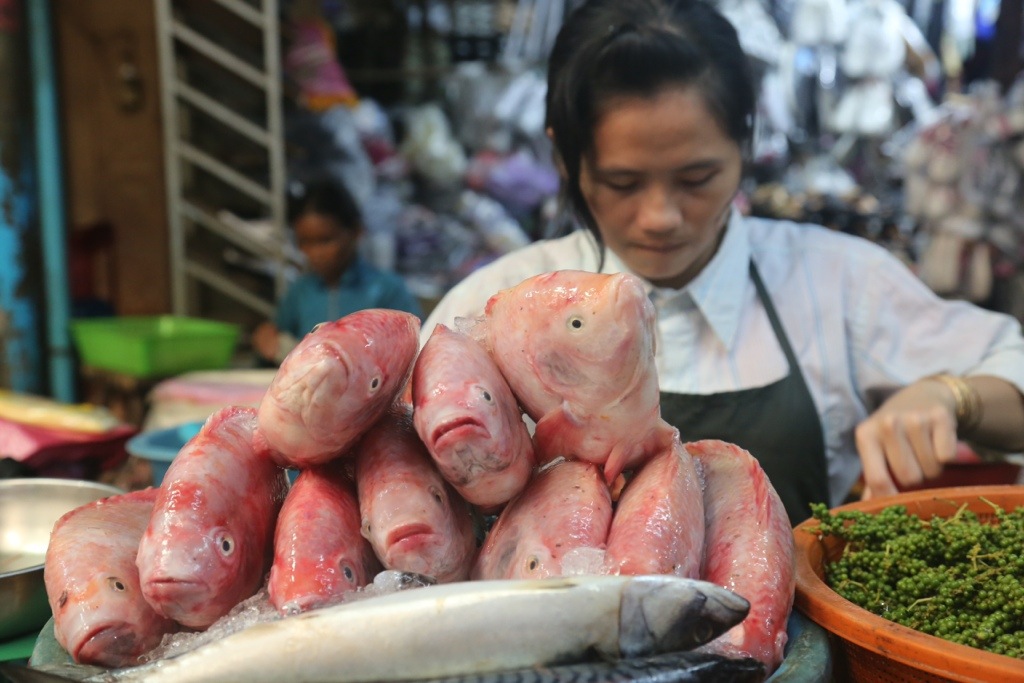
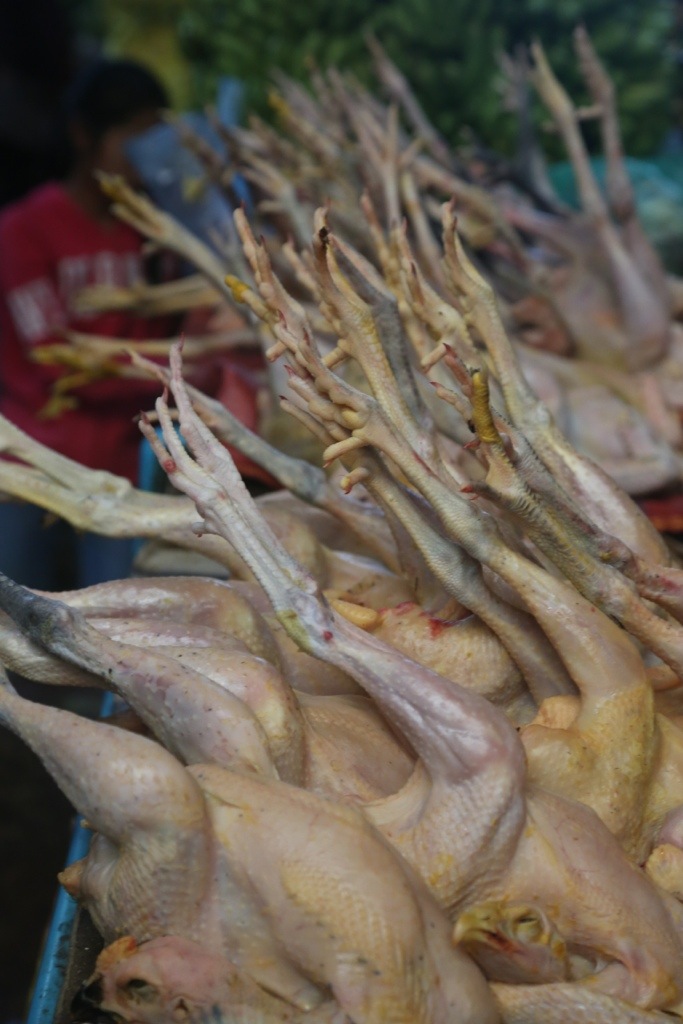
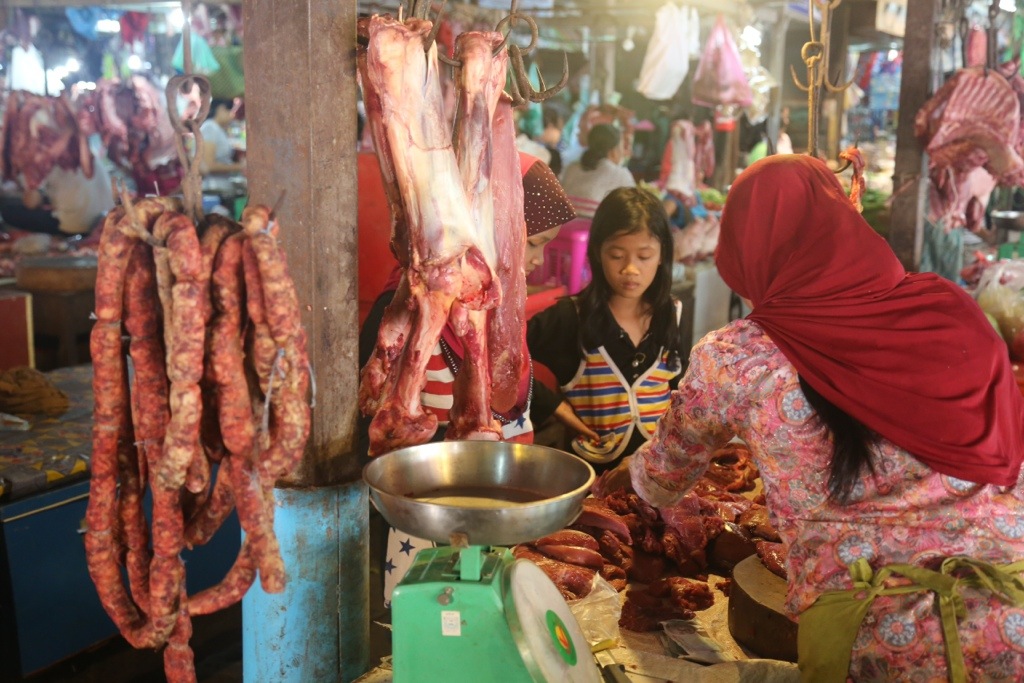
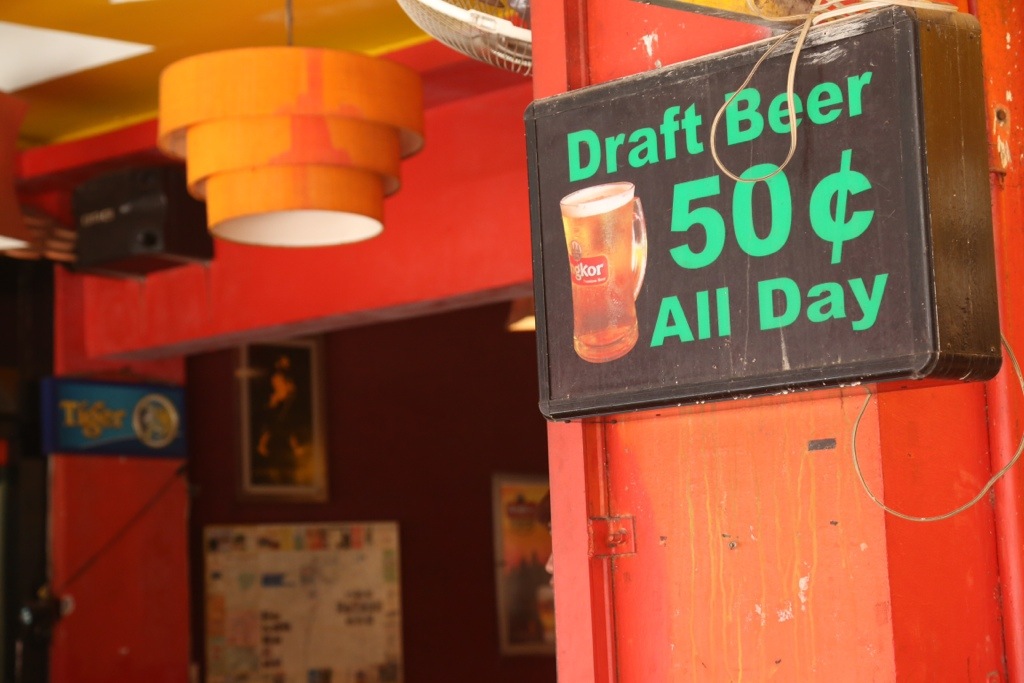
Before heading to the airport in Cambodia, we made a quick run to check out the local market. Fruits and vegetables; your assortment of frogs, fish and crabs; meat of all kinds; 50 cent beer; and souvenirs for tourists were the order of the day. But, as we walked around, we chanced upon a curious place called Dr. Fish Massage. The good doctor promised to make one “happy and funny.” Lisa, being a connoisseur of massages, said, “no way!” I, being one who can’t resist goading Lisa on, told her that if I could get a Hanoi haircut, she could get a Cambodian fish massage. She took the bait (pun intended).

It’s quite simple — one puts their feet into a fish tank and the fish nibble on your feet. Not sure what they’re eating exactly. But, they seem to like it. Well, Lisa took off her shoes and socks and hesitantly lowered her feet into the tank. The fish, somehow expecting a delicious meal, attacked. Lisa shrieked. After about 15 seconds of giggling and squirming she said, “can I take them out now?” I said, “no.”

She lasted about three minutes.

I asked the woman how much for the effort and she looked me somewhat amused and said, “one dollar.” I think Lisa set the new Cambodian record for shortest massage.

We’re off to Saigon now. We’ll catch up to you there.

20121014-120016.jpg

20121014-120034.jpg

20121014-120042.jpg

20121014-120108.jpg

20121014-120121.jpg

20121014-120136.jpg

20121014-120145.jpg

20121014-120204.jpg

20121014-120218.jpg

Categories: Uncategorized | 1 Comment

Meditating with the Monks

20121014-093742.jpg

This morning we had a special session meditating and chanting with Cambodian monks. A group of four of them came to our hotel and took us through the steps of meditation and breathing. We all sat there meditating with them for almost a half-hour. As the time elapsed, you could hear each of us twitching and moving a little. A half-hour is a long time to be still! I peeked at the monks and they weren’t moving a muscle or restless at all. We were all a little relieved when they told us we could relax and quit meditating. They discussed the five tenets of Buddhism with us. They are:
1. Do not kill another living thing.
2. Do not take what is not yours.
3. Do not cheat on your spouse or loved one.
4. Do not lie.
5. Do not take intoxicants or drink alcohol. (Ooops!)

Well, I guess four out of five of the tenets isn’t too bad. ( Although, I will also admit to killing a mosquito or two that I have found in our hotel room.)

When we asked how long we should meditate each day, they said that five or ten minutes first thing in the morning and five-ten minutes before we went to bed would give us a happy, peaceful life. More food for thought!

As we leave Cambodia, we are struck with the differences with life here from life back home. The people are very friendly and polite but they have all been through so much and are continuing to have struggles. All of the people we met talked about the corruption in the country and the lack of education and health care. 75% of the people living in the country-side are illiterate and school is not mandatory. The country is young; 50% of the people are under 15. Young children surround you begging you to buy trinkets from them when you walk around the temples and it is hard to witness.

And, yet, when we visited the floating village the people all seemed so content. The kids were all playing in the water and running around their homes laughing and smiling. There were even two teenage boys showing off hot-rodding around with their boats proving that boys will always be boys no matter what culture they are in. It reminded me of the stories of the African Village People in the documentary, “Happy”. Happiness is truly relative to your situation. These people would be miserable if they were transplanted to the United State and we could never survive a day on the village without our technology and need to be constantly busy and challenged. Can you imagine Brad not being able to watch sports or get on twitter?

One other fact of life here that we haven’t mentioned is the heat in Cambodia. It is about 90 degrees here with 100% humidity. Add to the equation that you need to cover up because of the requirements of keeping your knees and shoulders covered and the fact that you want to protect yourself from mosquitoes and you get a feel for why the group always looks like we are glistening in all of the pictures!

We are leaving Cambodia soon and are heading to Saigon. We only have two more days on our trip which is hard to believe and is making us a little sad. We have made friends with a great group of people on our tour and it will be hard to say good-bye to everyone. Although Brad and I have never blogged before, we have enjoyed reviewing our day and putting our thoughts down into this blog. We are feeling a lot of responsibility now that everyone in our group here is following us and all of you have made so many great comments back to us! Chris told me that we would find the statistics from the blog to be interesting. We have had almost 1000 visits to our blog but most interesting is that we have quite a large contingent from Singapore following us as well as people from Laos, the UK, Switzerland, and Australia! Brad’s photos were even put into an on-line publication about Cambodia. I think that maybe I should talk Brad out of following his dream about opening a pet supply store and maybe we could become professional travel bloggers and photographers. Sure sounds a lot more fun than schlepping dog food!!

Here are some final pictures of our experiences in Cambodia.

20121014-101334.jpg

20121014-101547.jpg

20121014-101622.jpg

Tuk-Tuk Ride Through Siem Reap

20121014-101808.jpg

20121014-101835.jpg

20121014-101907.jpg

Visit to a Silk Factory

20121014-101953.jpg

Our fearless leader, Chris, enjoying some cocktails with the ladies!

Categories: Uncategorized | 1 Comment

Cambodia: Permanence and Transition

Before Sunrise.

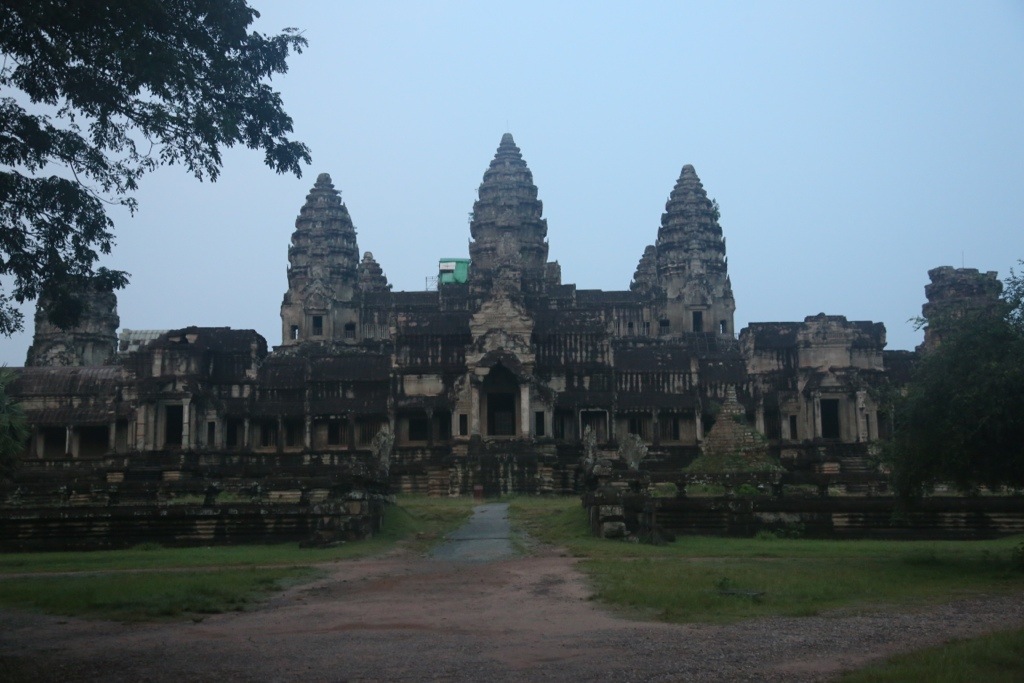
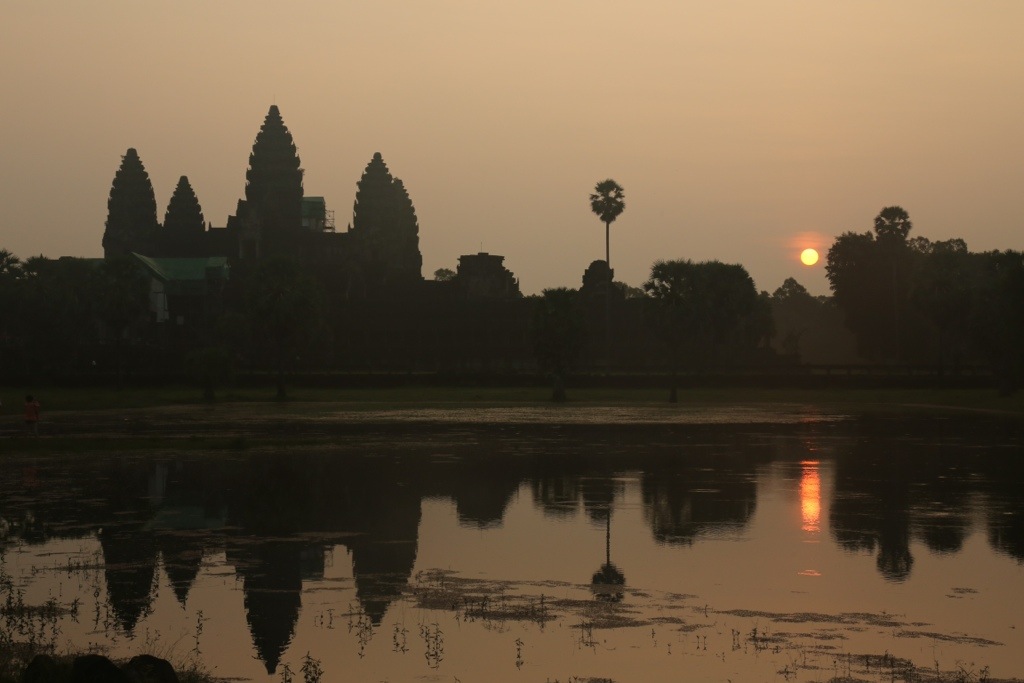
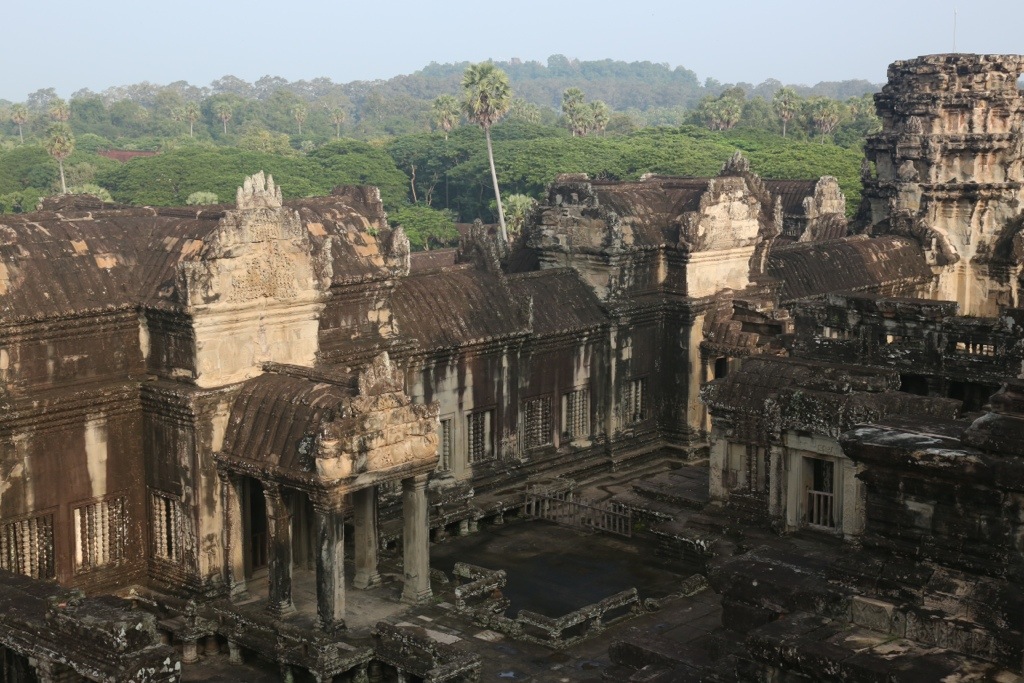
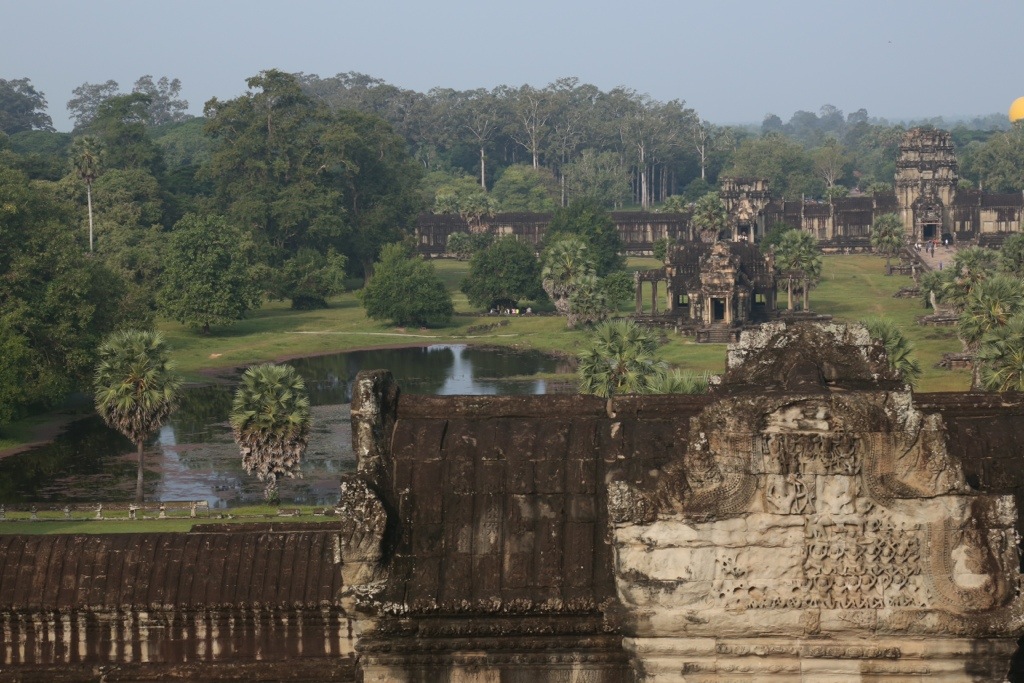
It was still dark when we rose this morning to visit Angkor Wat, the 12th-century temple touted as the largest Hindu temple in the world. One can only be awed by something that was viewed by people standing in the same spot nearly one thousand years ago. We left early to catch the splendor of viewing the structure at sunrise, and to beat both the heat and the crowds. Our guide, Soeun, is a master at getting us to the right place at the right time. He walks quite fast — likely a function of his knowledge of the perfect time to be at the perfect place to get the perfect photograph. Lighting on the temples makes all of the difference.

But, his pace could also have been influenced by his background. Cambodia, like all of the Southeast Asian countries, has a colorful and troubled past. But, Cambodia’s troubles have much more recency to them. The “Killing Fields” happened in our lifetime. For us, it was something we heard about in the news or saw in the movies. For Soeun and every other Cambodian, it was real life.

The Khmer Rouge, led by Pol Pot, ruled Cambodia from 1975 to 1979. The regime launched a reform policy that sought to eliminate all opposition. Famine, a lack of medical care, and mass executions killed over two million citizens during the period. Every family was — and still is — affected by the Killing Fields. Soeun was lucky — both his parents, who were farmers, survived. But, he had ten siblings, five of whom were “disappeared.” It makes sense that he should walk quickly.

We were told by another guide as we arrived in the country, that everyone over 45 has mental illness as a result of the stress they were under during the Khmer Rouge reign. Who wouldn’t be so deeply affected by such horror? There is an edge to the people that we didn’t feel in Vietnam or Laos. Still they are friendly, welcoming, and hopeful for a better future. But, better educational and medical systems will be needed for them to make good progress.

20121013-172554.jpg

20121013-172615.jpg

20121013-172652.jpg
Lisa Removing her “troubles”in the happy room

20121013-172833.jpg

20121013-172924.jpg

20121013-173018.jpg

The Oxcart and the Floating Village

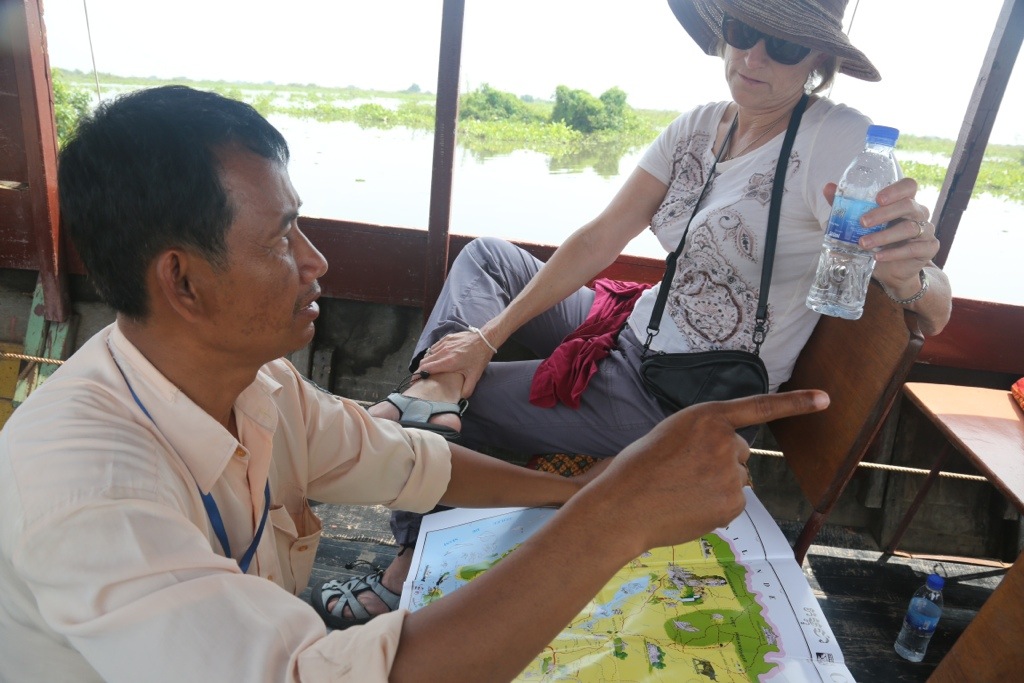
We went back back to the hotel for breakfast then set off for another adventure. Tonle Sap lake is the largest freshwater lake in Southeast Asia and sits smack in the middle of Cambodia. It is unusual in that it shrinks and grows dramatically based on the season. During the rainy season the lake can quintuple in size eating up large swaths of land. We’re at the end of the rainy season so the lake is large and takes about 20 minutes to drive there from our hotel. In the dry season it will take over an hour to get to the much more distant lake shore.

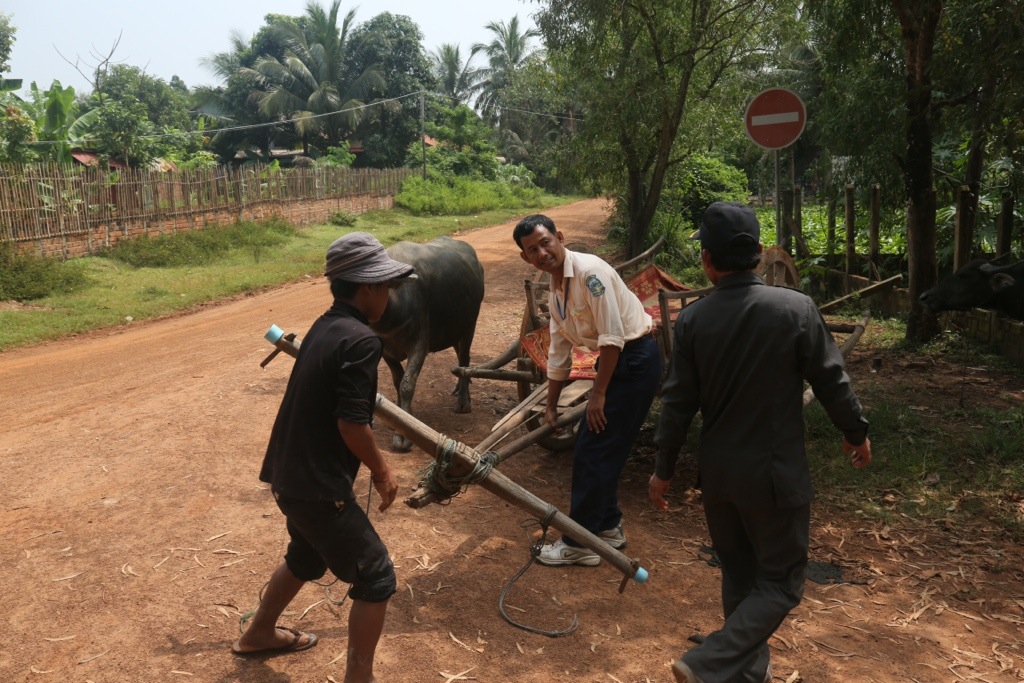
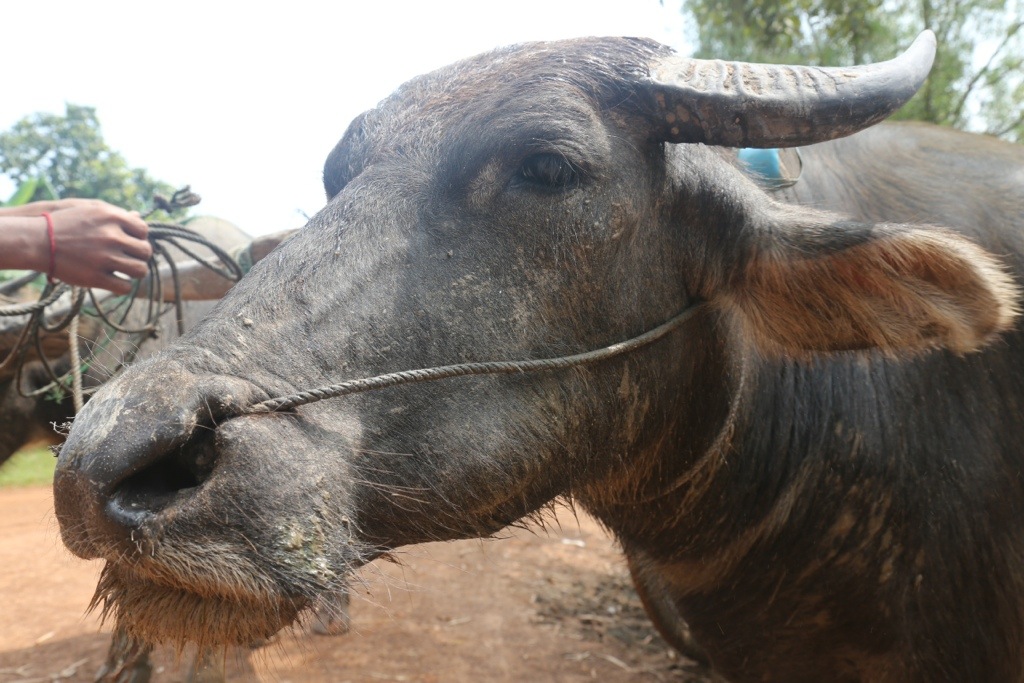
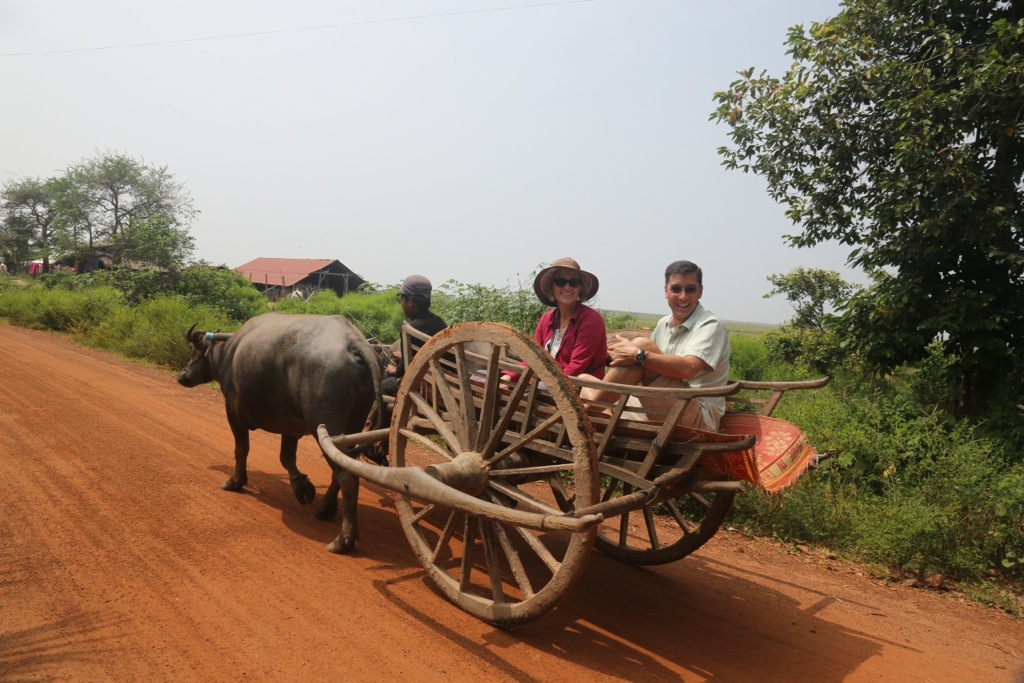
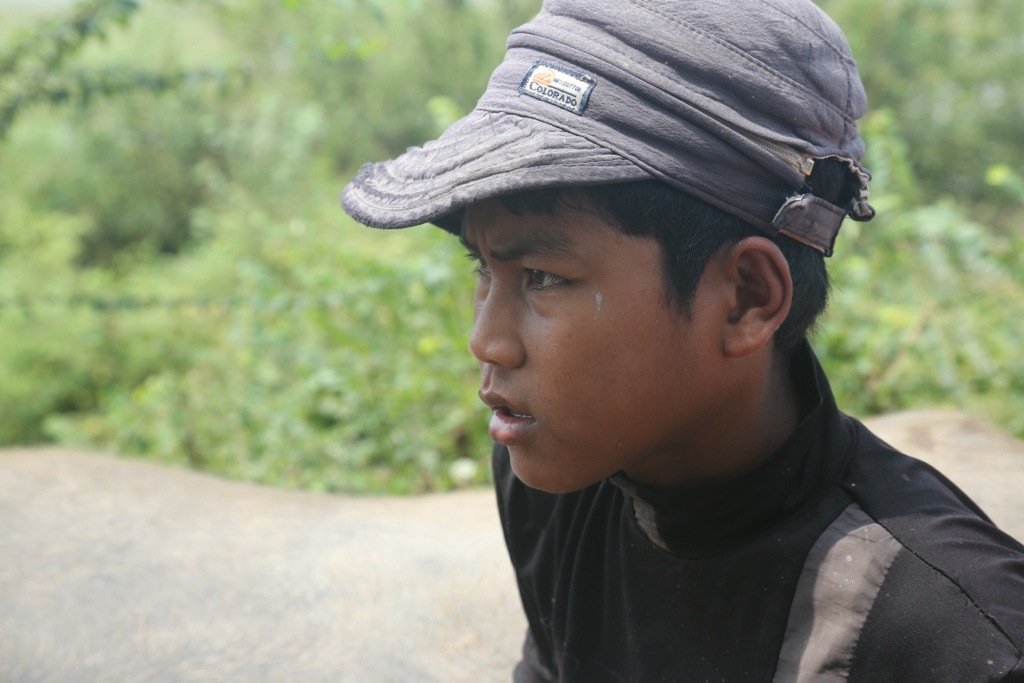
On the way we came across a boy with an oxcart and two water buffalo. He was selling rides on the somewhat deserted road to the lake. We took him up on it. How often does one get to ride in an oxcart (water buffalo cart?)? After hooking up the buffalo, the boy motioned us into the cart. The ride was s-l-o-w. It is very hot and humid here so it wasn’t long before Lisa said, “Are we done yet?” Then, to make the trip even more exciting, a carful of our tour mates drove up beside us, pointed, laughed and began snapping pictures. Our very own paparazzi vehicle.

Well, after about ten minutes and two hundred yards, we exited the vehicle. One more item scratched off the bucket list.

20121013-174846.jpg

20121013-174907.jpg

20121013-174939.jpg

20121013-175033.jpg

20121013-175150.jpg
Cambodian barber shop. Too bad I got that haircut in Vietnam.

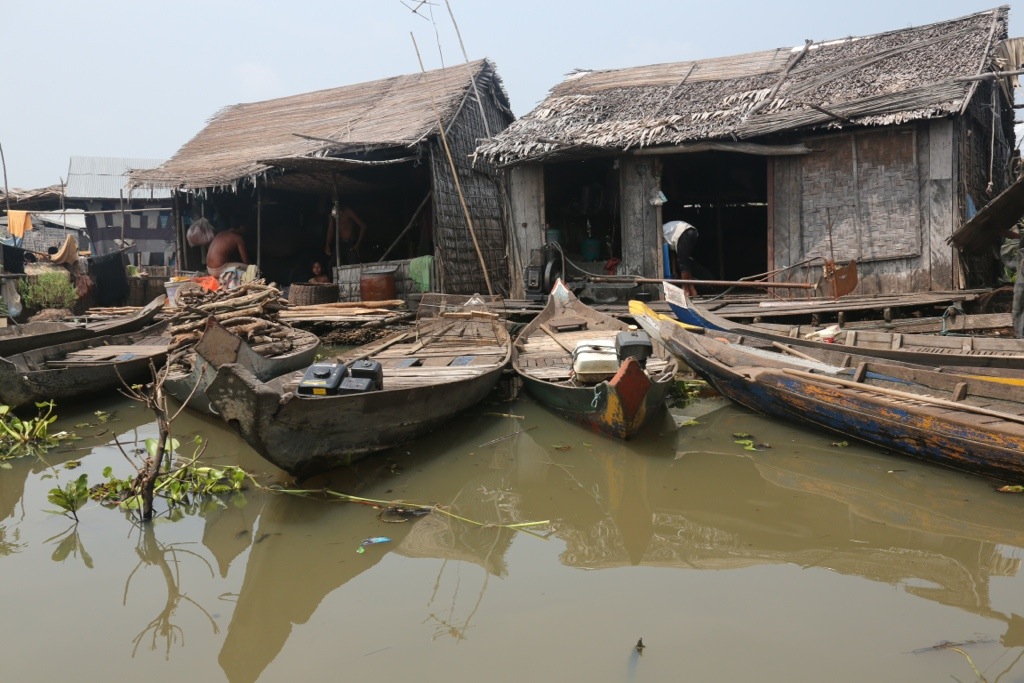
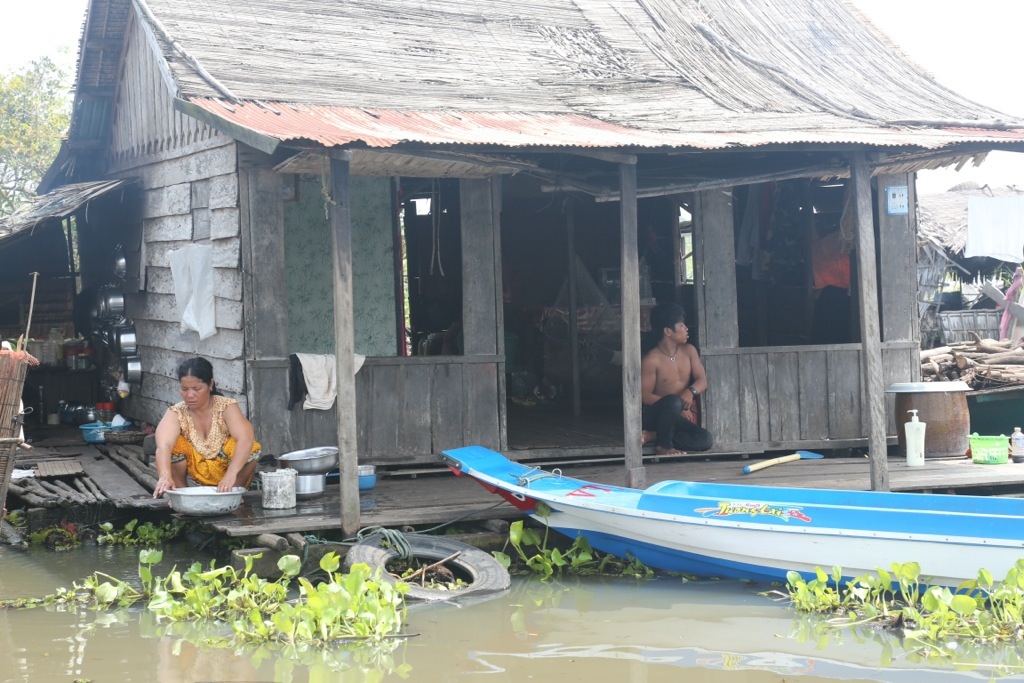
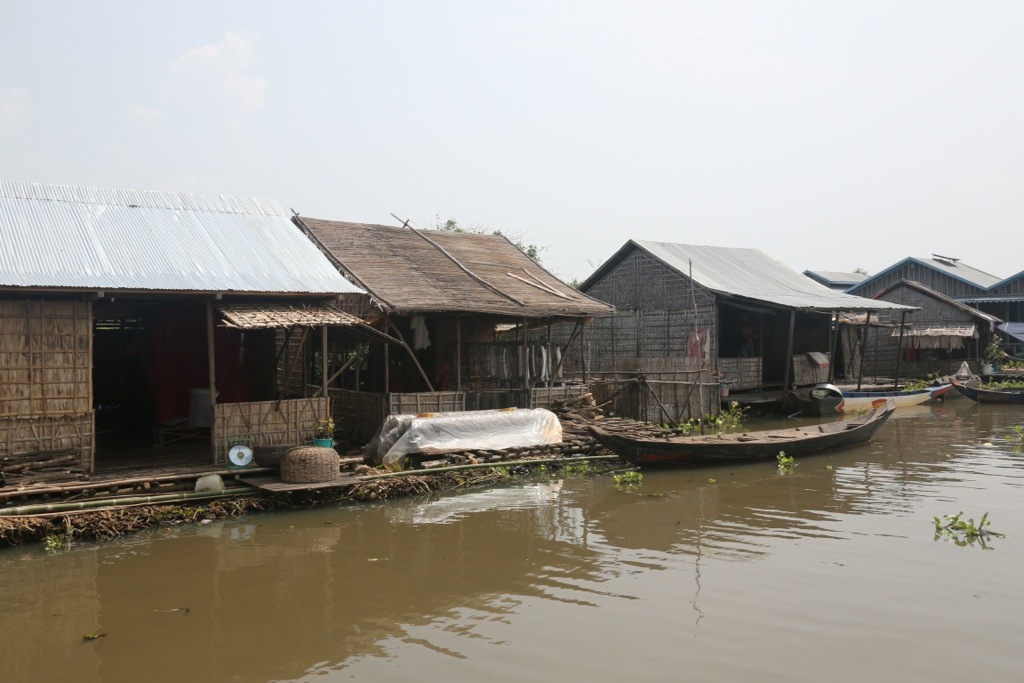
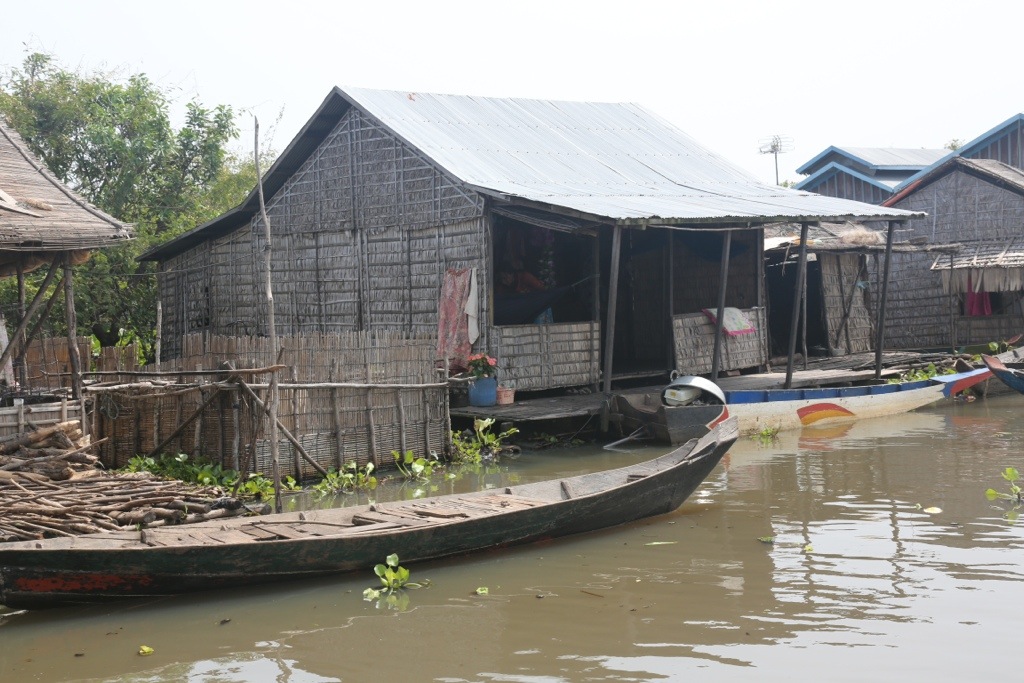
Anyway, we drove out to a boat launch and got in a rather strange looking boat to take us to the floating village. The village is a fishing hamlet on home made Cambodian houseboats. Because the lake is so transient, the residents of the village need to stay mobile so they can move as the lake does. Since they are fishermen, it wouldn’t make sense to be far from the lake shore during the dry season.

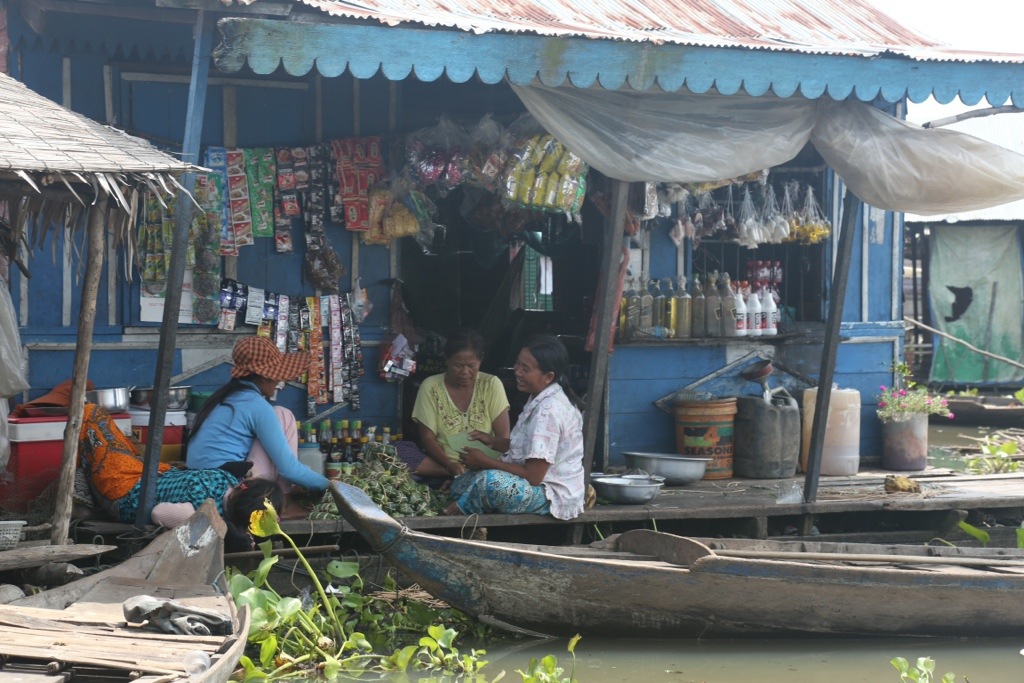
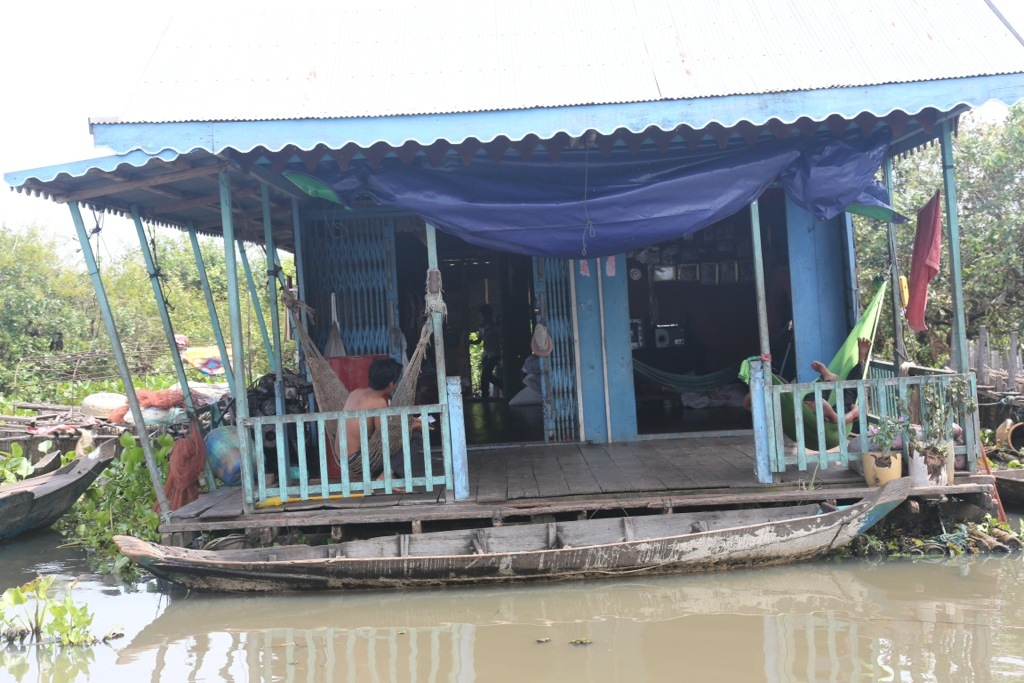
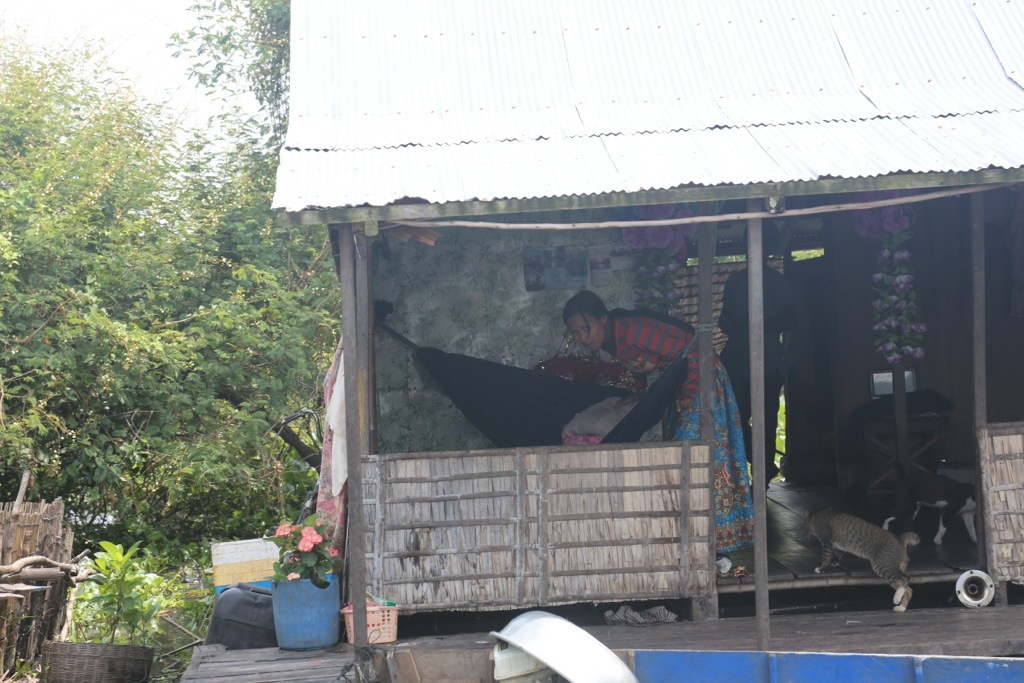
After about 20 minutes we arrived in a different world. The homes — more like floating shacks — were assembled in a town that came from another era. They used car batteries for power. There was a shop that used a gas-powered generator to recharge the batteries. The houses floated on bamboo poles bound together and they mostly used palm fronds, grass, or wood for walls and ceilings. It gave Lisa and I an indescribable understanding of the conditions much of the world lives with. We felt simultaneously lucky and awed at the experience.

Yet, children played, dogs lounged, mothers cooked, babies swung in hammocks, people smiled and waved. Happiness truly is more than can be provided by material goods. This community, always on the move, is anchored by those things that bind us all — friendship, community, family.

20121013-181231.jpg

20121013-181257.jpg

20121013-181330.jpg
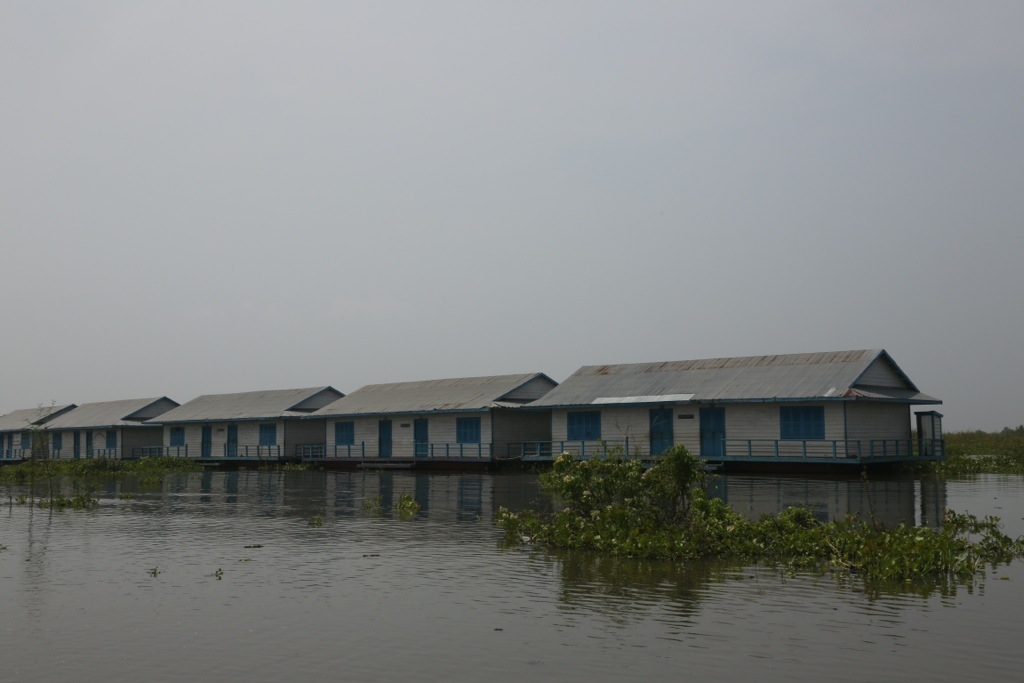
A floating school

20121013-181418.jpg

20121013-181444.jpg

20121013-181520.jpg

20121013-181605.jpg

20121013-182022.jpg

20121013-182053.jpg

20121013-182646.jpg

20121013-182713.jpg

20121013-182728.jpg

20121013-182812.jpg

20121013-183606.jpg
Our funny-looking boat.

Categories: Uncategorized | 1 Comment

Blog at WordPress.com.