
The final stop on our Himalayan journey was Lhasa, the capital of Tibet. Lhasa sits at 12,000 feet above sea level. While Lisa and I have hiked higher, we have never stayed at this altitude for any length of time. Breathing isn’t an optional activity, so, we were wondering how things would transpire. As it turned out, we acclimated quickly, so, other than a few strange dreams (sleeping at altitude is an adventure), we had a great time exploring this remote land on the doorstep to the highest mountains in the world.
Tibet was “liberated” by China in 1959. This forced the Dalai Lama — the governmental and religious leader of Tibet –to flee to India. He hasn’t been able to return since. During Mao’s “Cultural Revolution” in the 60’s and 70’s, many of the cultural and religious buildings, monuments, and relics were destroyed. China believes that Tibet is a part of their country, the Tibetans feel very differently, although they are not allowed to express those views. There is still a clear feeling of Chinese occupation in the region and police and military vehicles are part of the landscape.
The political climate notwithstanding, we were fascinated by the deep history and culture here. And, while the landscape was far different than we expected (more Southern Utah than Colorado), it was beautiful.
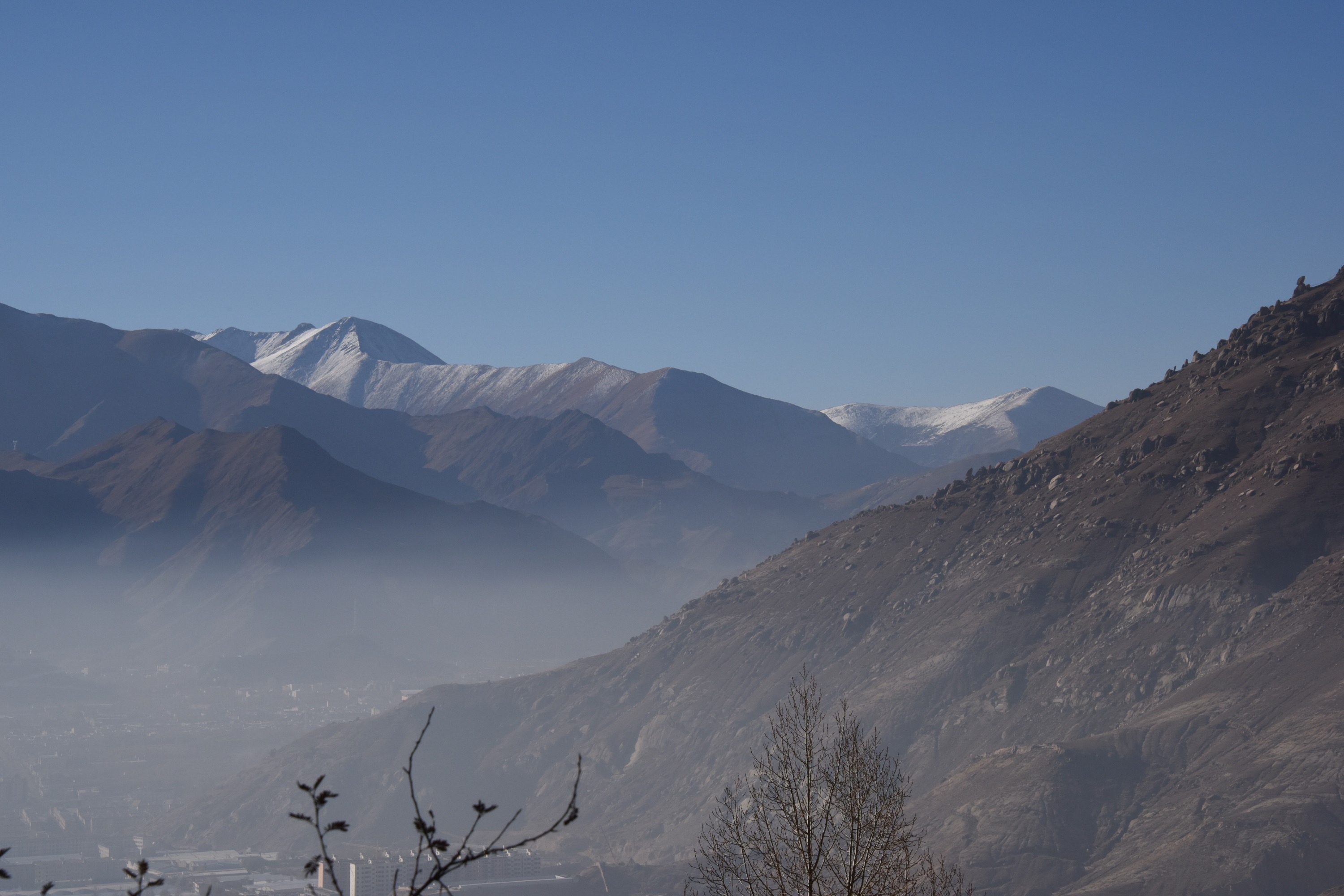
Lhasa landscape. Photo by Bryan Pearson
One of the few historical buildings that wasn’t destroyed during the Cultural Revolution was the Potala Palace — the Dalai Lama’s Winter Palace. This huge complex was built in 1645 by the Fifth Dalai Lama (the current one is the 14th). Parts of it, however, are over 1500 years old. It housed governmental officials, religious leaders, and monks. This amazing facility was visible out the window of our hotel room. And, it was our first stop during our tour of Lhasa.
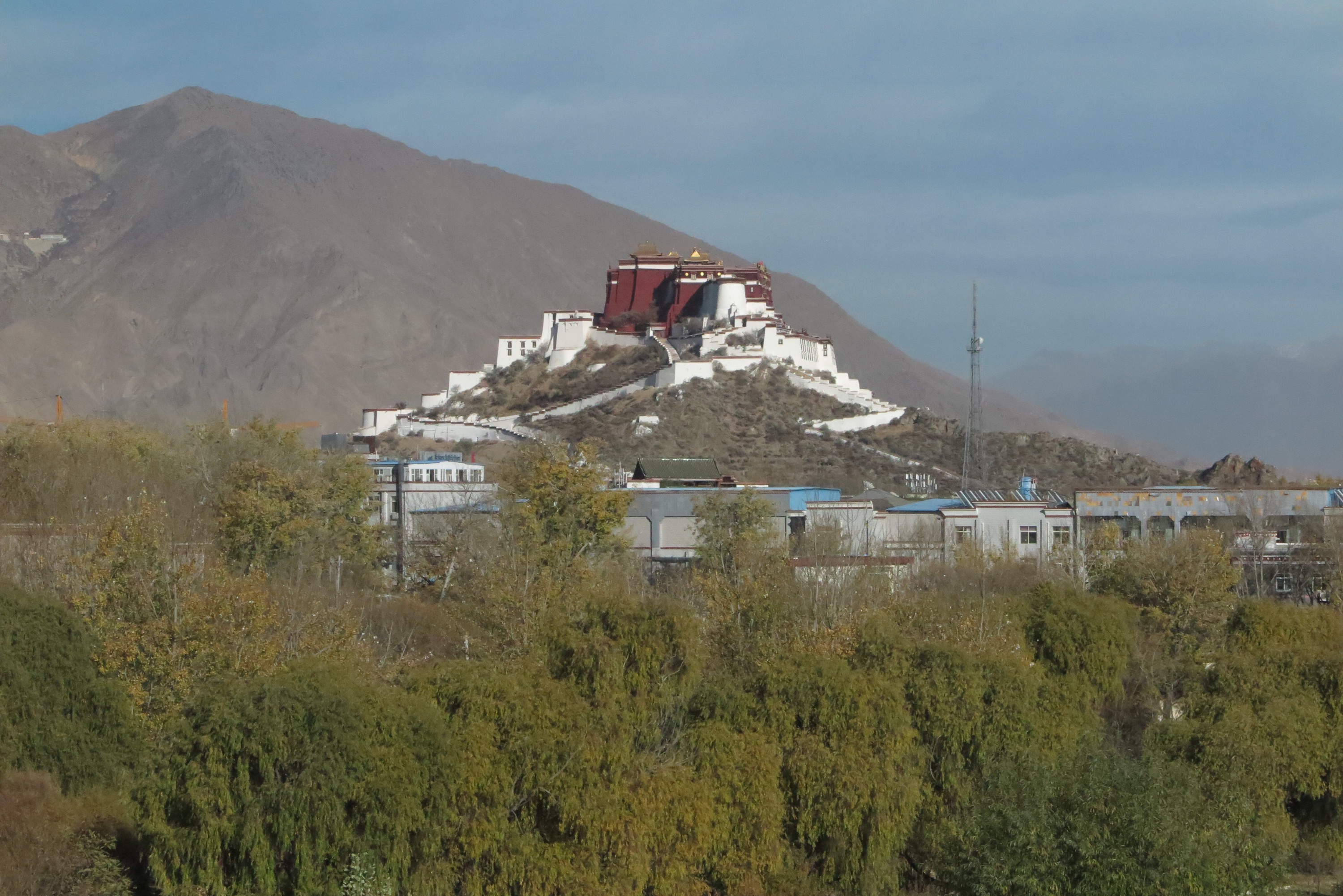
View of the Potala Palace from our hotel room window.
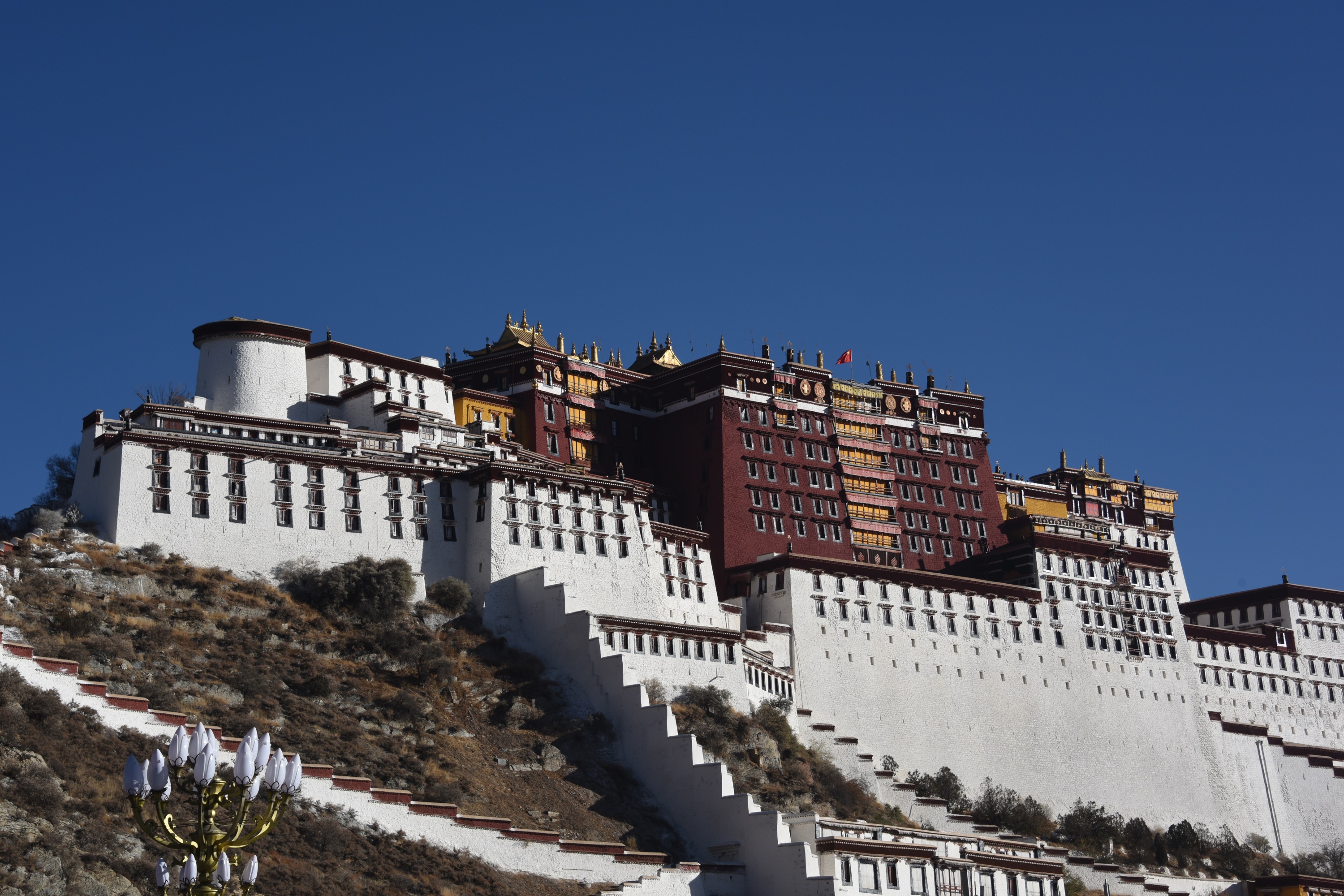
Potala Palace. Photo by Bryan Pearson
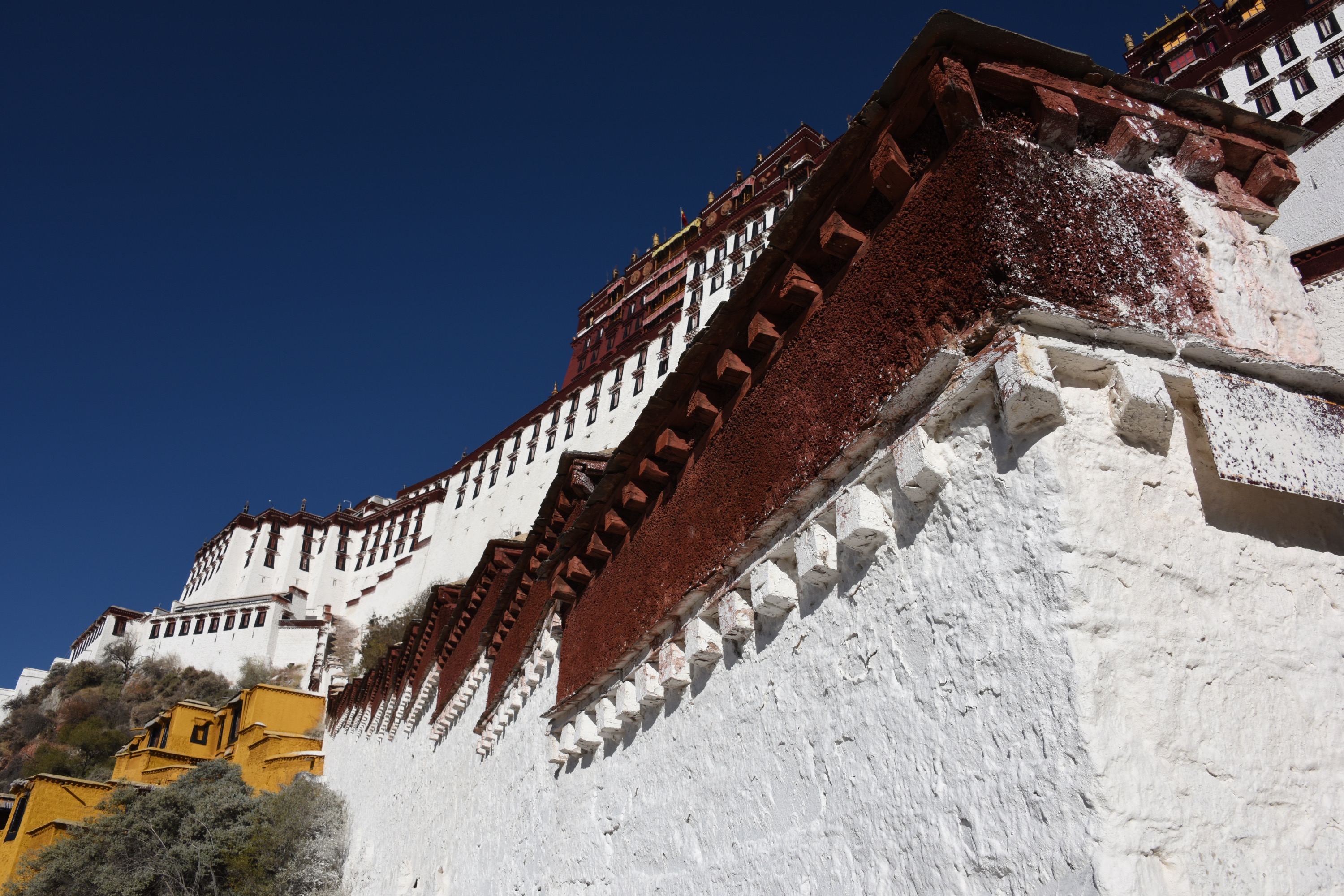
Photo by Bryan Pearson
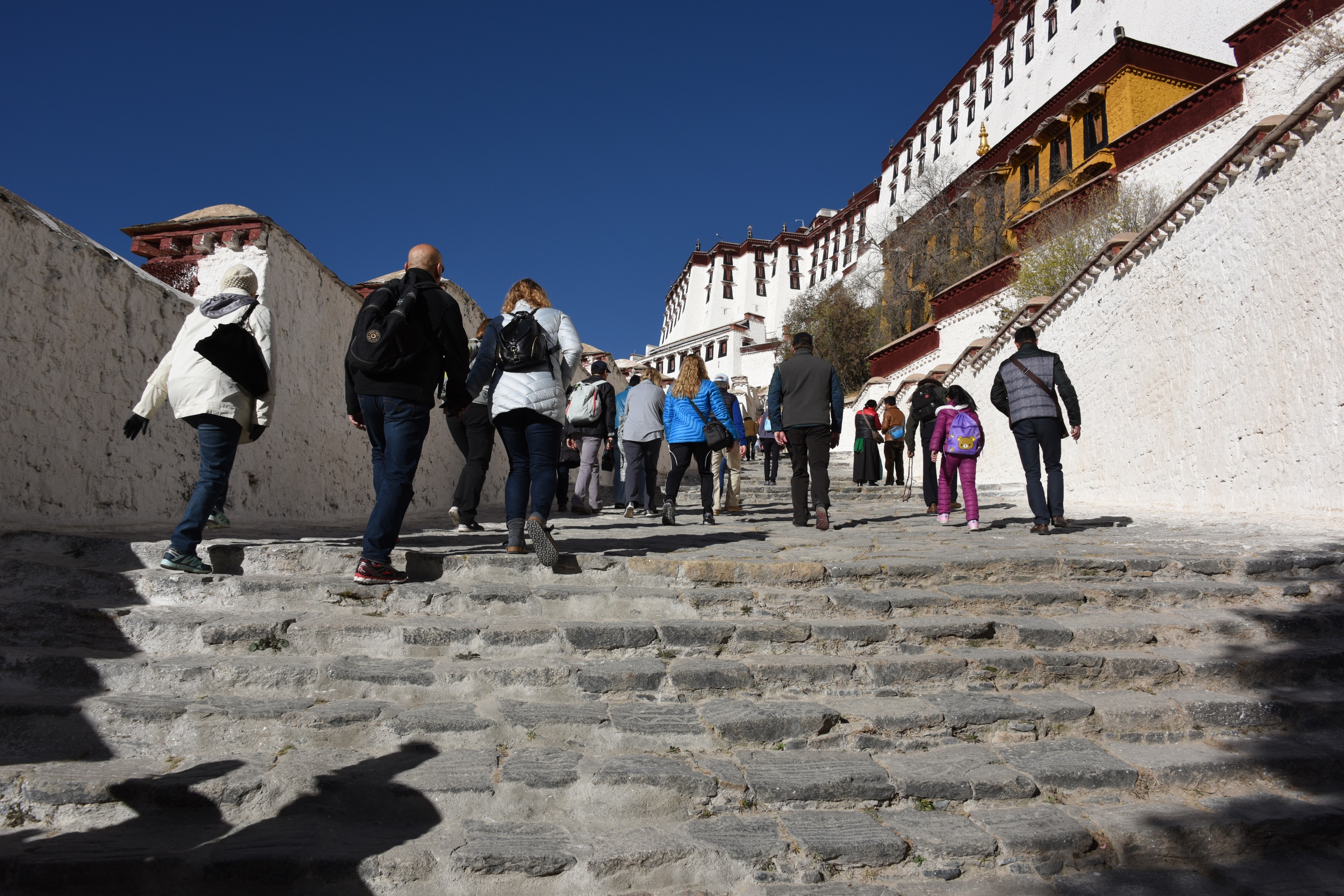
We climbed a lot of steps to get to the top of the Potala. Photo by Bryan Pearson
We then visited the Jokhang Monastery in the old town of Lhasa. Surrounding old town, the Chinese have built scores of poorly designed concrete apartment buildings. In the old town one can see the way Lhasa used to appear. The buildings have beautiful windows and form interior courtyards where many apartments form a community. They also share, uh, facilities. One to a floor.
When devout Buddhists pilgrims make their way to Tibet, they circumambulate (walk around — always clockwise) the religious buildings. We saw many people circumambulating the Jokhang monastery. In addition to walking around, old town was a great place to shop for Tibetan merchandise.
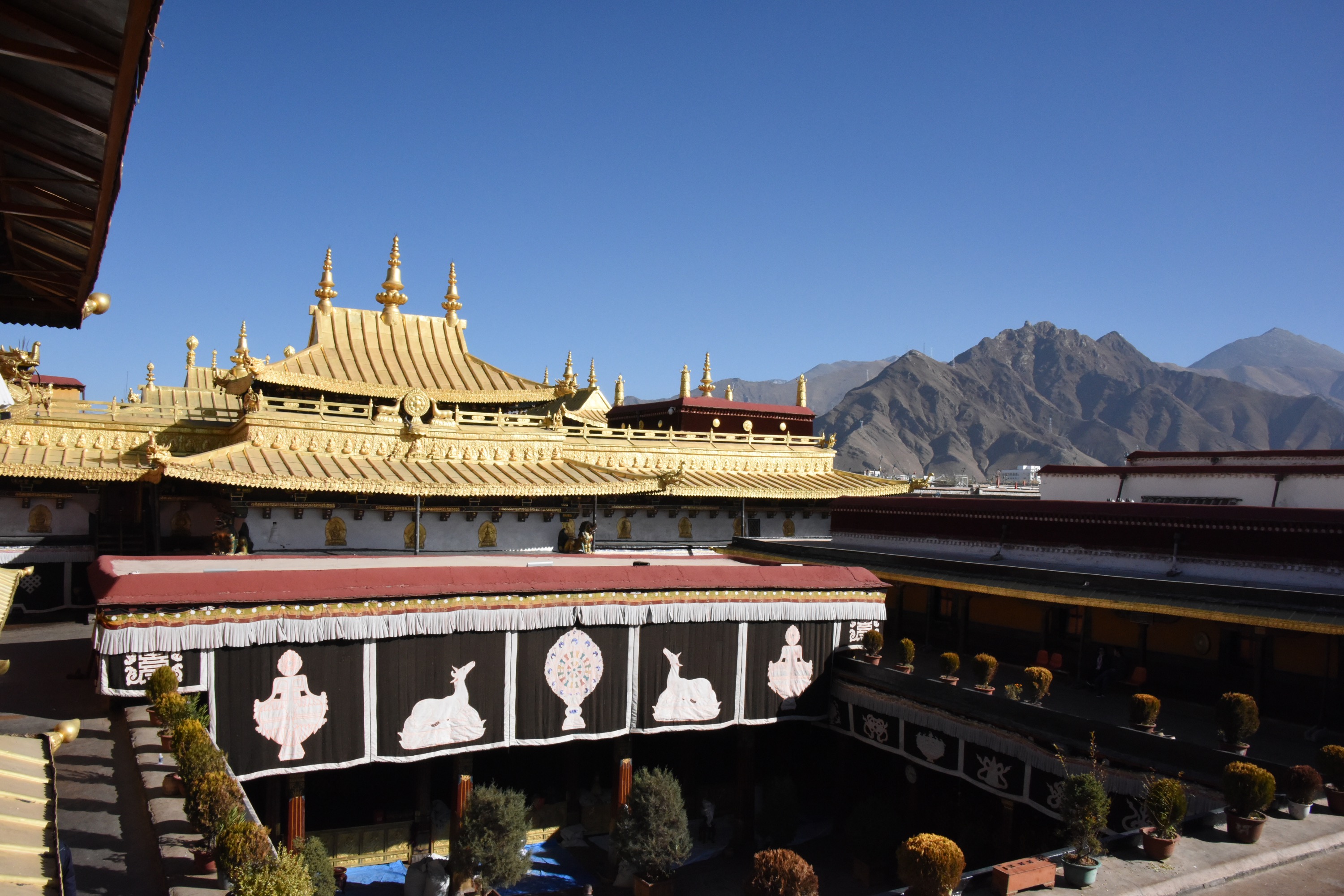
View from the top of the Jokhang Monastery. Photo by Bryan Pearson

Old town Lhasa as seen from the top of the Jokhang Monastery. Phtot by Bryan Pearson
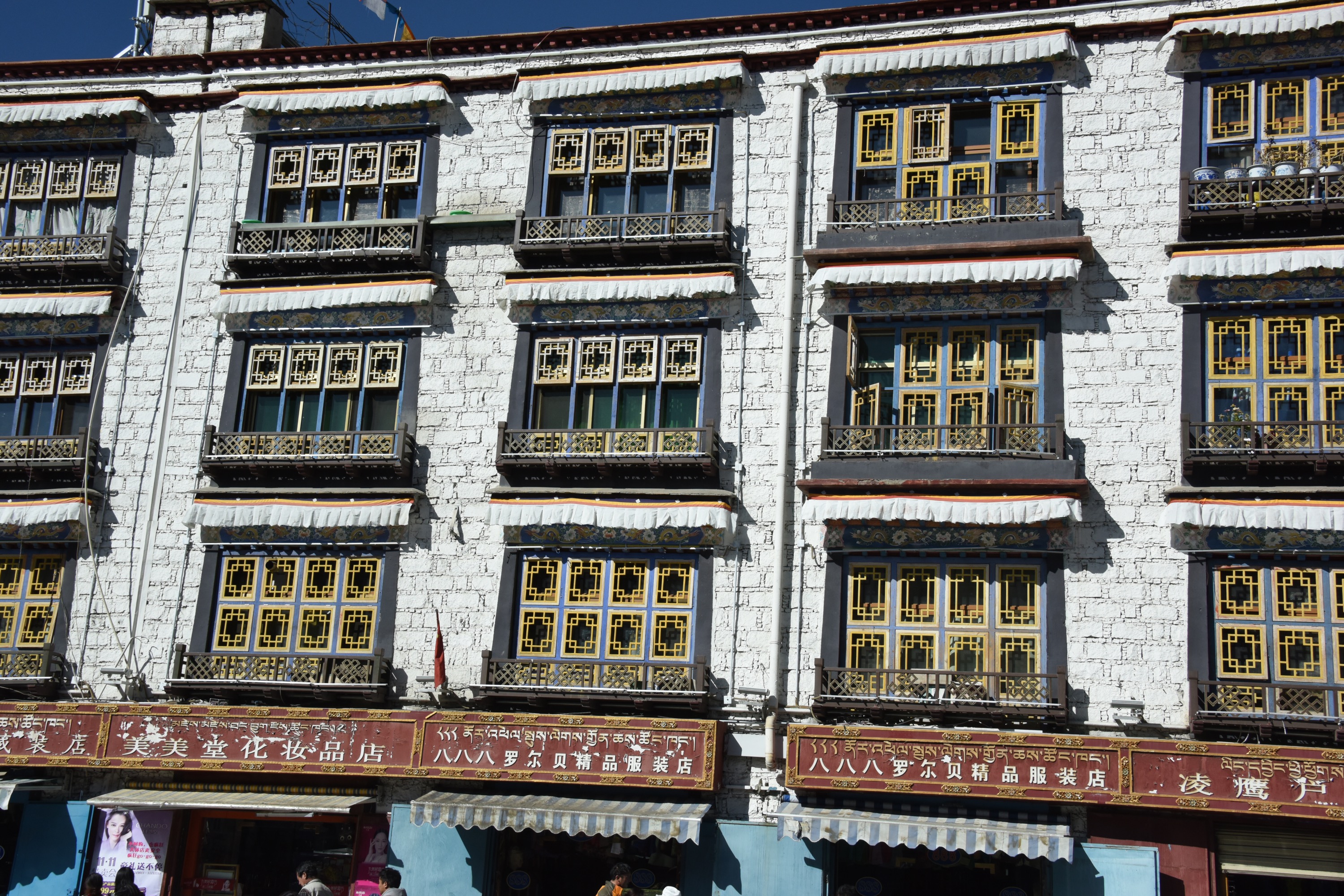
Typical apartment buildings in old town Lhasa. Photo by Bryan Pearson.
We had the privilege of meeting one of the most prominent Buddhist doctors in Tibet. He gave us a lecture on Easten medicine. It was fascinating. And, while I can’t pretend to understand everything he said, he summed up his thoughts on healthy living like this: Prevention first. Take care of yourself, eat right and exercise. Second, there is a place for both Eastern and Western medicine. He was not the type that rejected science. And finally, everything in moderation leads to the best outcome. I’ve always taught this to our girls. People who take anything to the extreme generally aren’t very healthy.
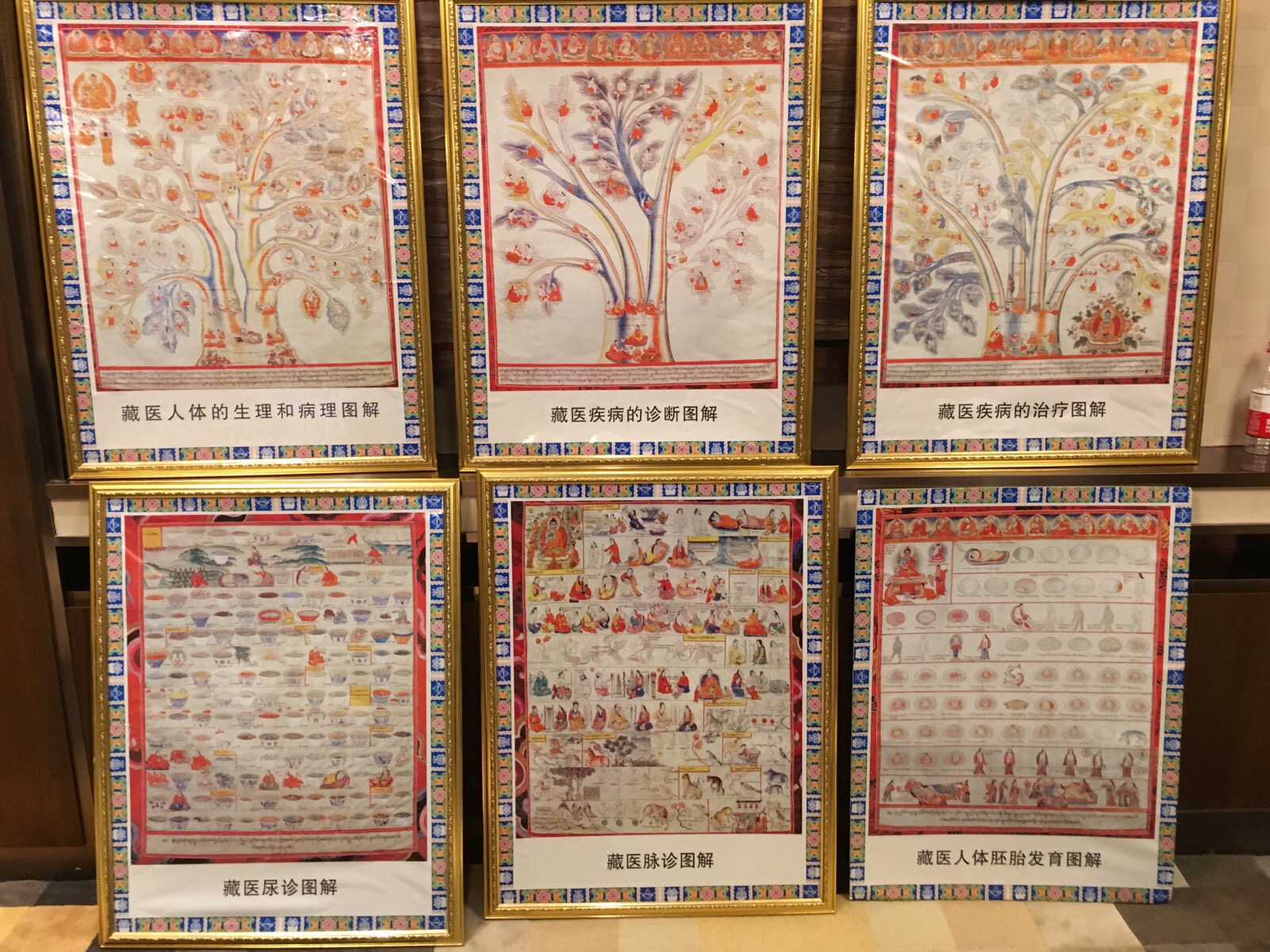
Our Buddhist doctor’s medical charts.
We finished our first evening with a traditional meal cooked in a Tibetan hot pot. It is a little like fondue cooked in broth — except you cook yak. Delicious — but chewy. I learned, through experience, that all yak is chewy. I even had a yak burger for lunch one day. Have you ever had a chewy burger? I have. Afterwards, Lisa and I decided we had to have hot pots for home. The next day we searched old town for them and finally found them on a side street (thanks, Bryan, for your eagle shopping eye). We bought two beautiful hand made copper pots. They are crudely crafted by the store owner, which makes them very endearing to us. Come over some time and we’ll cook a delicious hot pot meal for you. But, we probably won’t include yak on the menu. If I haven’t mentioned yet, it’s chewy.
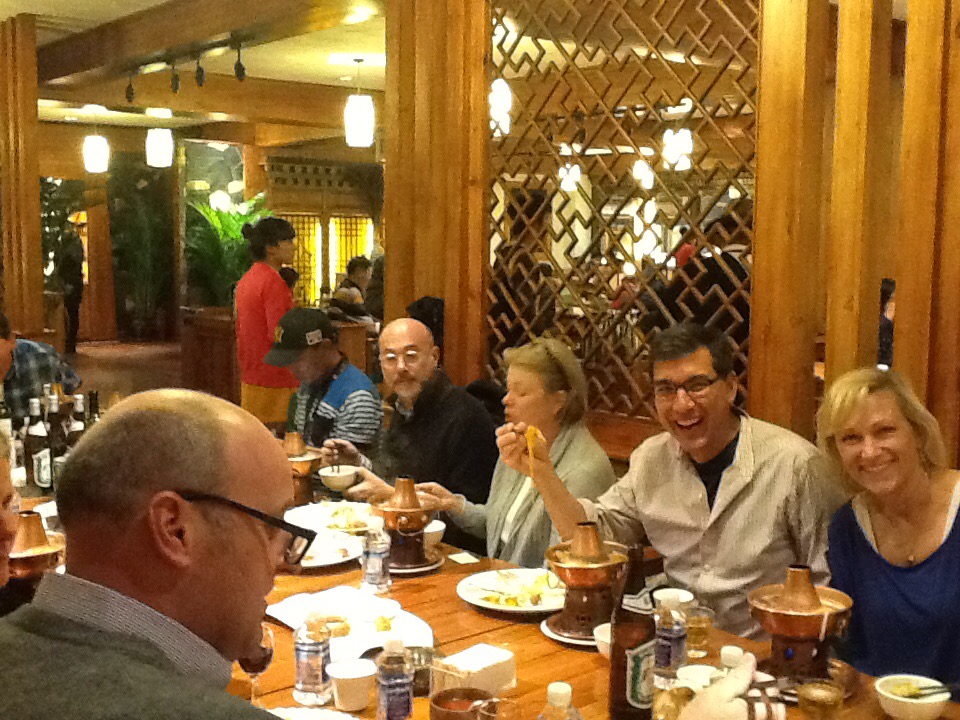
Lisa and I enjoying our Tibetan hot pot meal. Photo by Rakesh
The new hot pots, however, turned out to be a very expensive purchase. You see, I seemed to have left our camera in the cab. Rats. That is why the photos you see in this blog edition are credited to others — mostly Bryan Pearson who graciously downloaded his photo card to my iPad.
The next morning we hiked up to a monastery in the mountains. What a beautiful hike. By now we were well acclimated and didn’t have any trouble getting to the 13,200 feet-above-sea-level landmark. I even did burpees at the top on a dare from my friend Mark Schratz. The guides thought I was a bit strange. So did my traveling companions, I think. But, a dare is a dare. We also saw yaks. The guides fed them our underripe bananas. I wonder if that will tenderize them a bit.
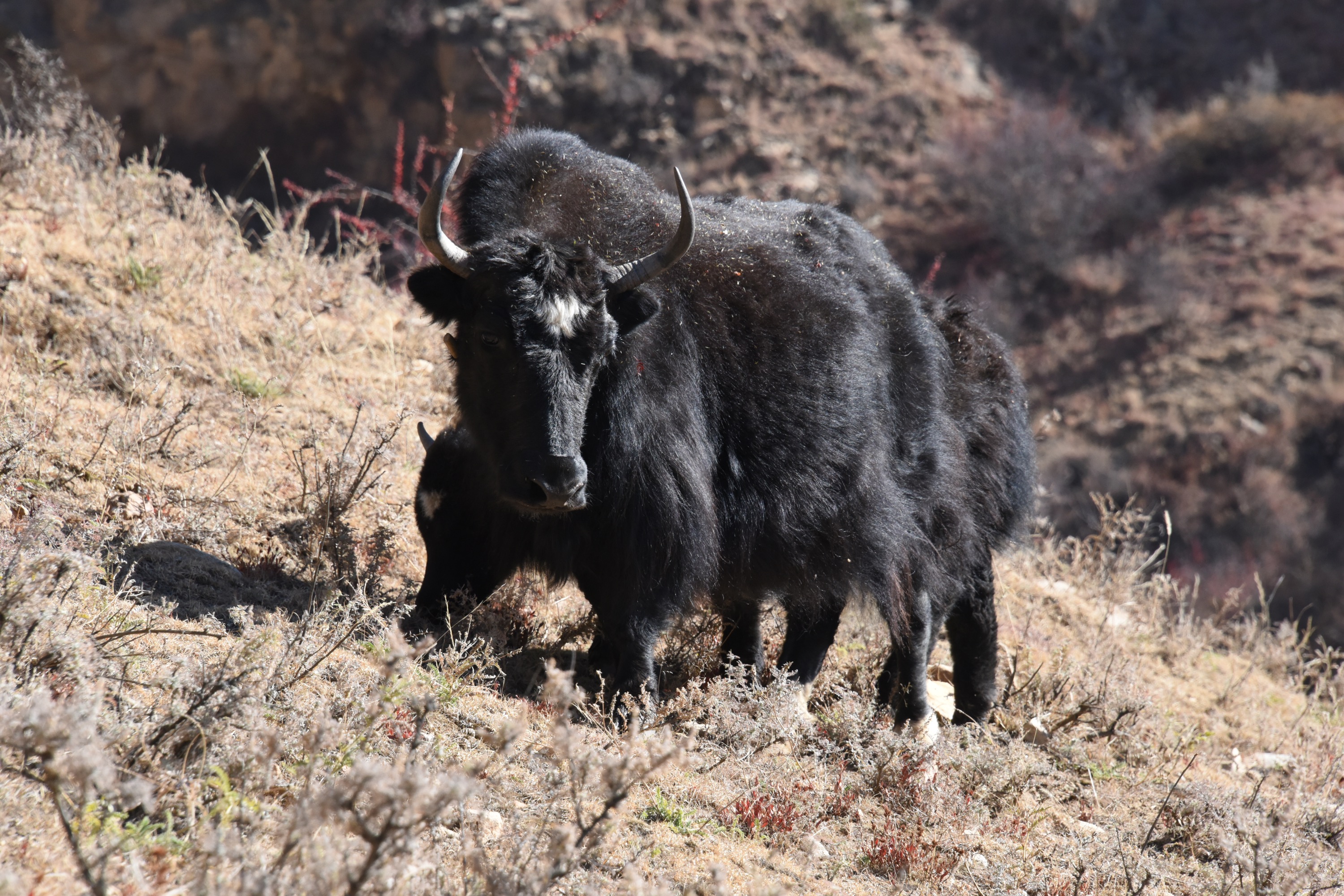
Yaks. They’re chewy. Photo by Bryan Pearson
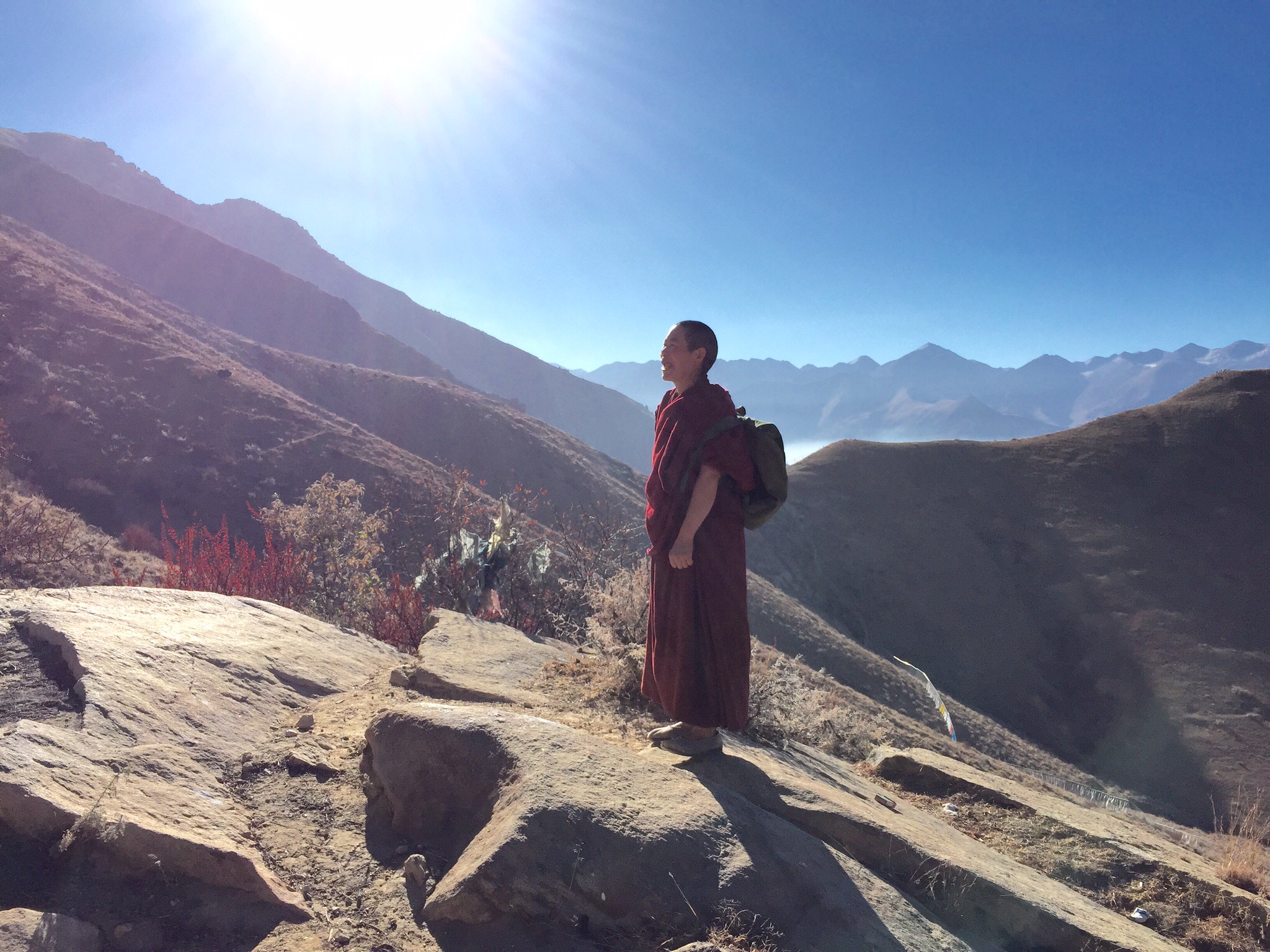
A beautiful nun we encountered while hiking. She was heading up to her convent at about 14,000 ft. Photo by Rosemary Dunbar.
Lisa wrote up some final thoughts on our trip. Take a look at the next entry for our complete perspective on this adventure. I’ll just add one brief thought: Sarah, our Bangkok guide, advised us as we went to the royal palace grounds, to stay together like sticky rice. She wanted to make sure we didn’t get lost. I think, however, she meant more than that. You see, one of the primary reasons we love the Exclusive Resorts journeys is because of the people we meet and travel with. They are always interesting, down to earth, caring people. As this trip progressed, our group grew closer to one another. We laughed together, helped each other and truly enjoyed each others’ company. At the farewell dinner on the final night, no one wanted to leave. Long after the last dish was served (which was a relief as the food at the hotel wasn’t so good), we all lingered at the dinner table. We talked about what we learned; we laughed about our mishaps; we reflected on our experiences. We all agreed with Lisa’s comment that we are different people than we were two weeks ago when the trip began. This experience has become a bond — like sticky rice — that we will share for the rest of our lives. As we said goodbye, we all promised that we will see each other again. And, I believe we will.
 Lisa and Brad's Travels