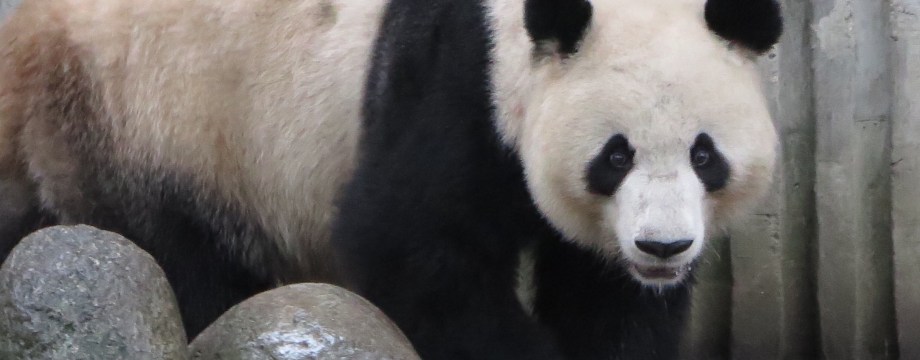
A quick one-day visit to Chengdu, China yet we covered a lot of ground. Chengdu is in the Sechwan provence of southwest China. Most of you are familiar with the spicy Chinese food from this region. The weather is often cloudy, the terrain stretches from high plains to mountains, and, besides the food, it is most famous for being the natural habitat for pandas. Our first stop of the day was at the National Panda Research Conservatory. There are over 150 pandas here.
Pandas are very challenged to reproduce. Our guide, Helen, said they have three strikes against them. First, the have difficulty getting pregnant — 70 percent of the females and 20 percent of the males are sterile. Second, the babies have a very low survival rate. They weigh 100 grams or less at birth. And, third, the mothers aren’t very good at nurturing their young. Seems as if Mr. Darwin may have been naturally selecting them out.
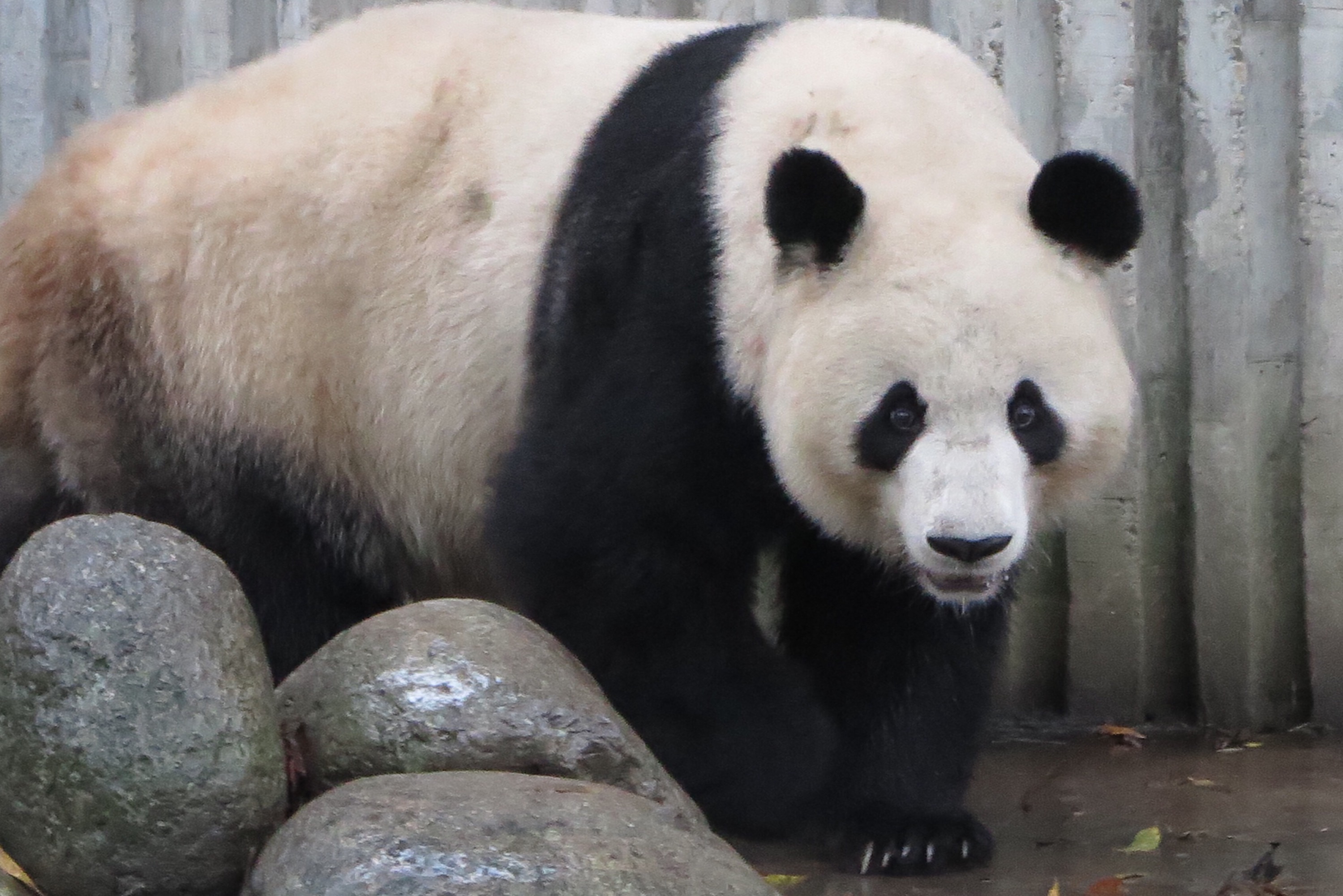
Still, they are beautiful animals. Below are some of the pandas we saw, from full-grown adults to relative newborns.
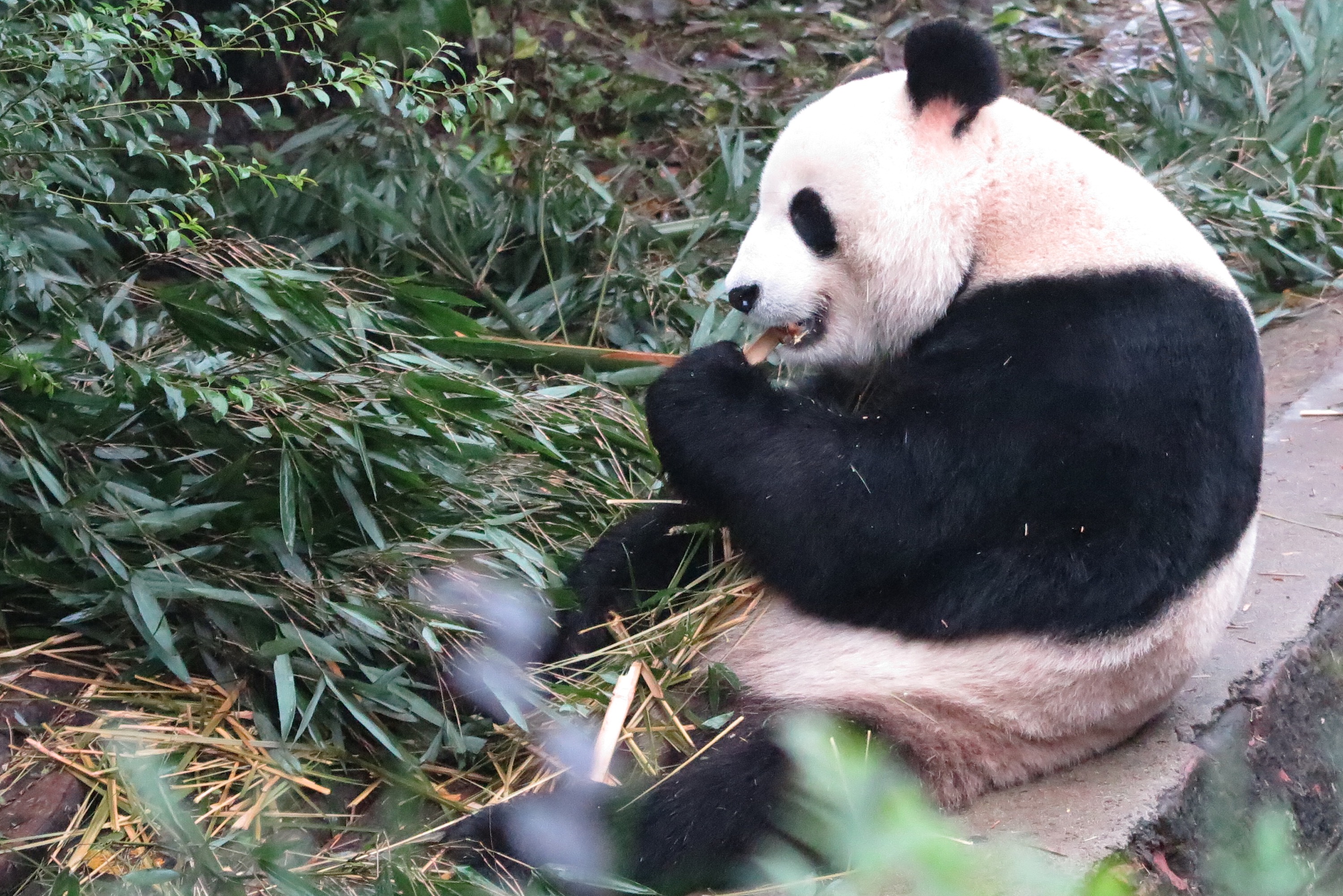
Here is an adult panda snacking on fresh bamboo
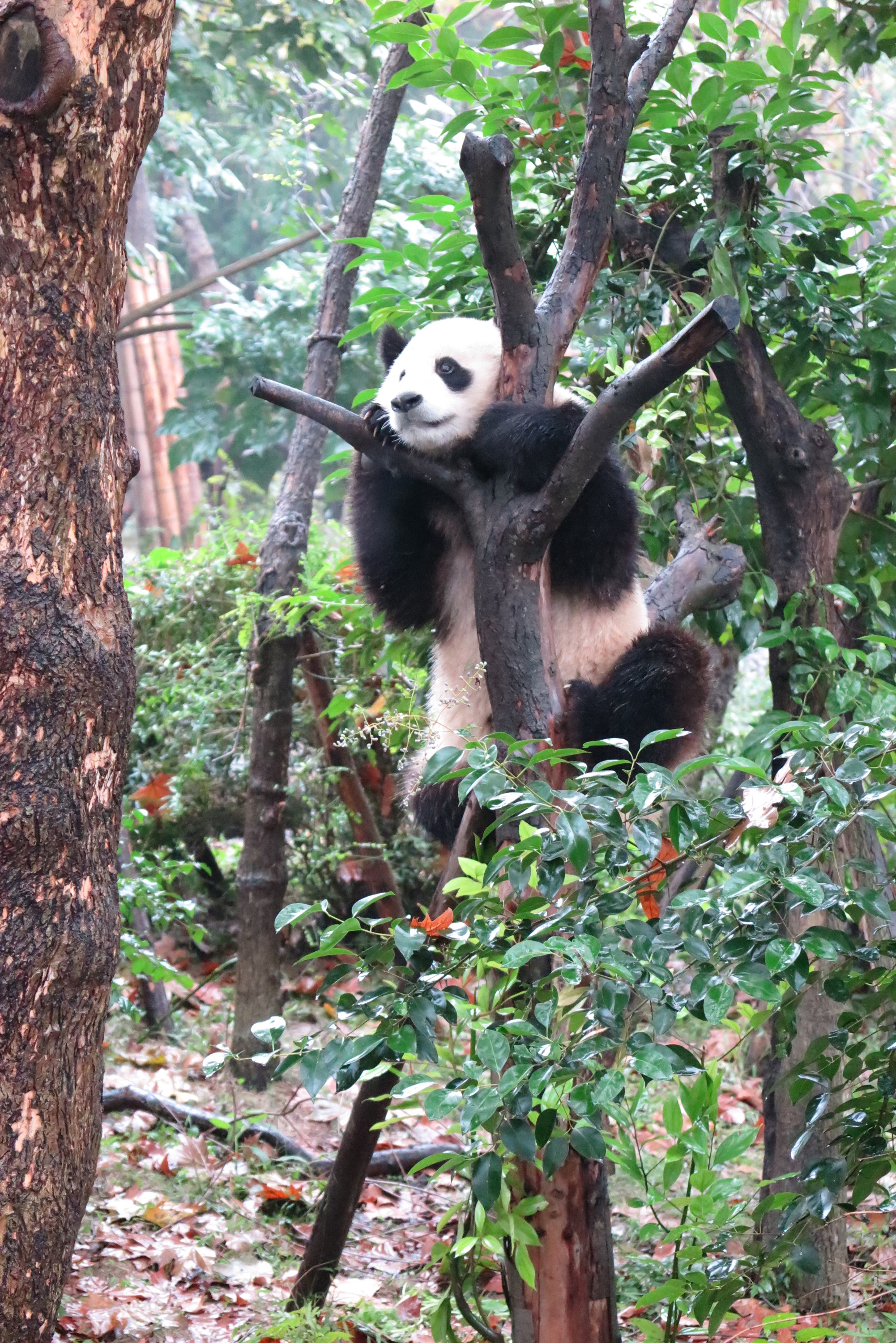
An adolescent panda doing pull ups
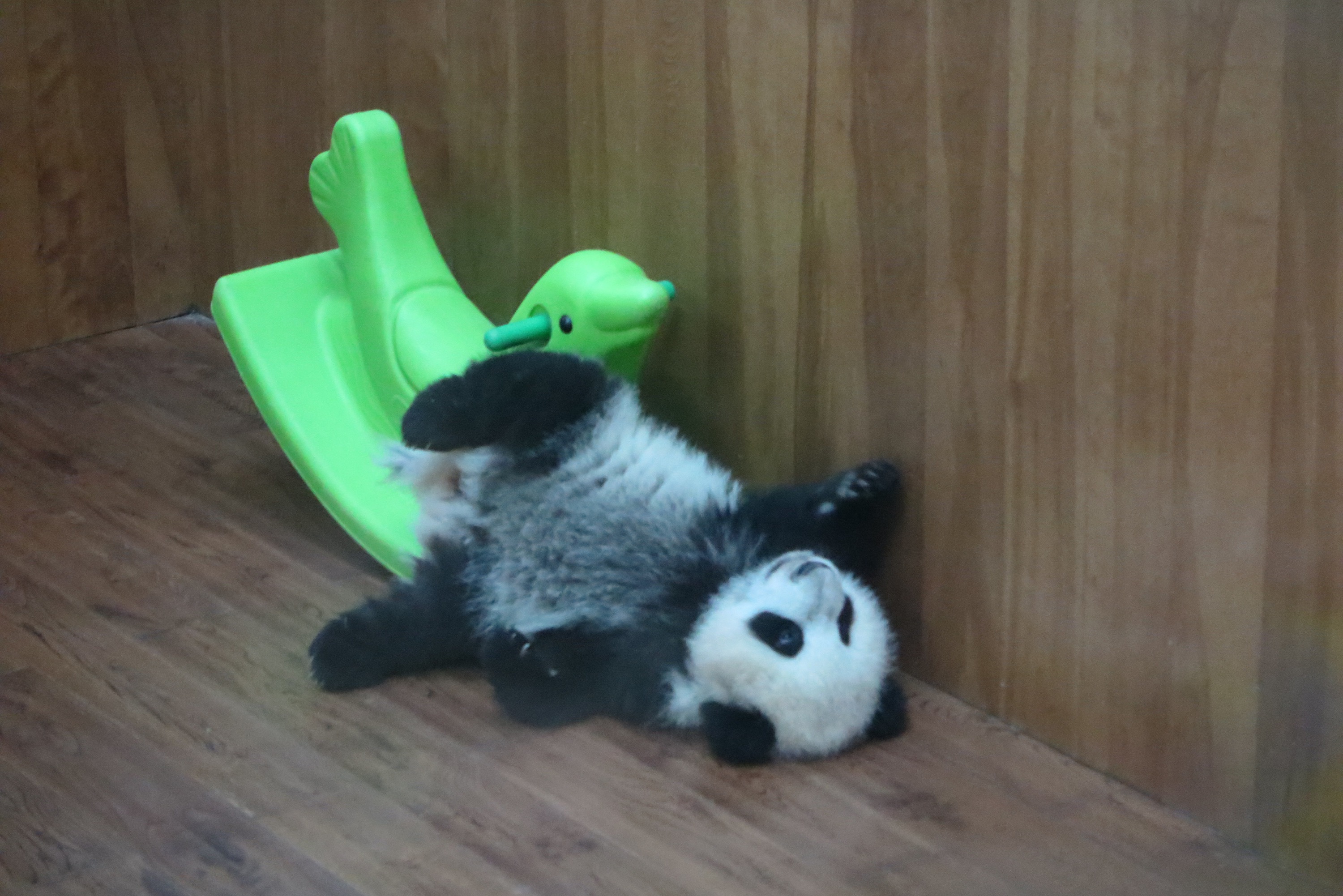
Three-month-old baby panda playing in the nursery
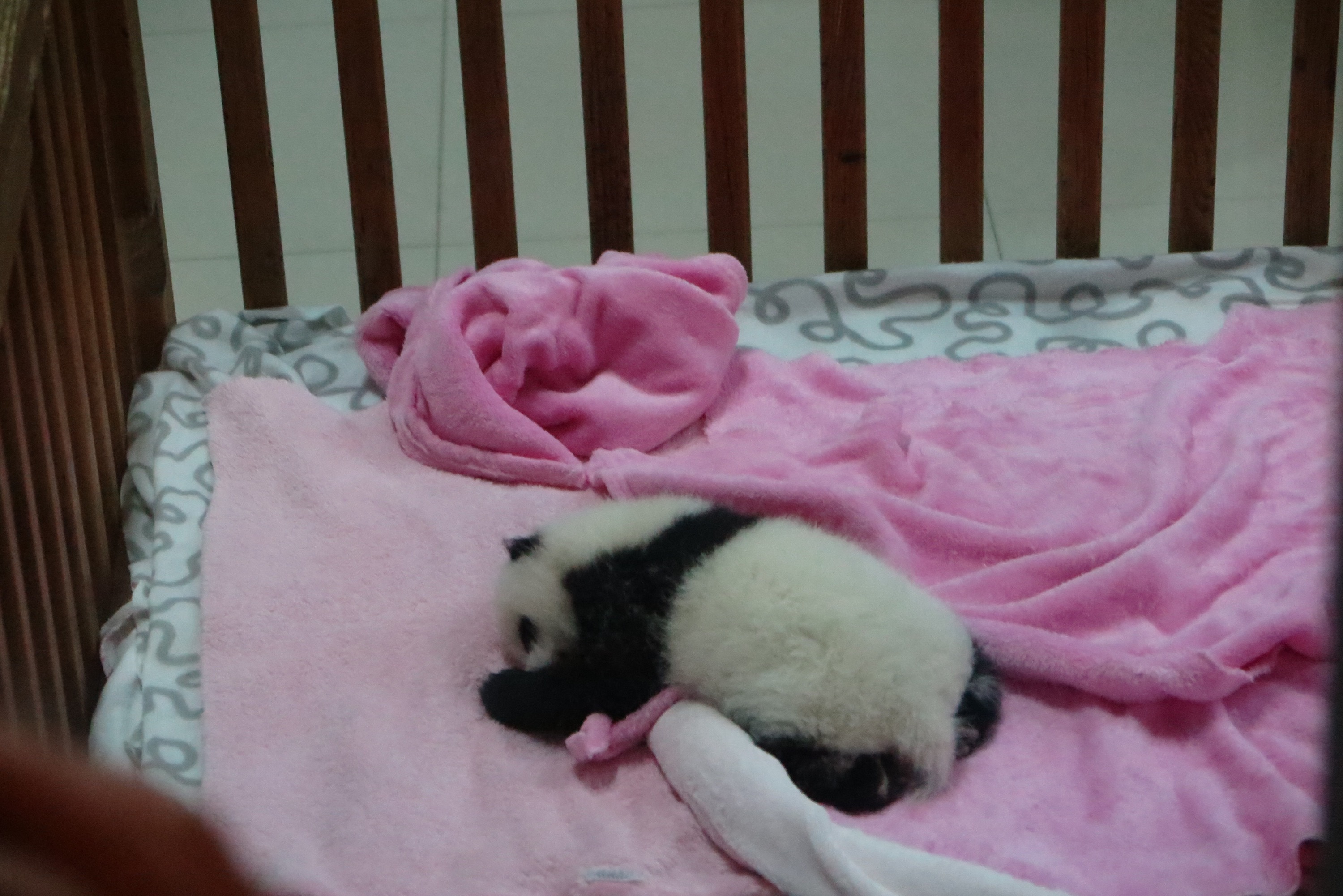
One-month-old baby panda in his crib
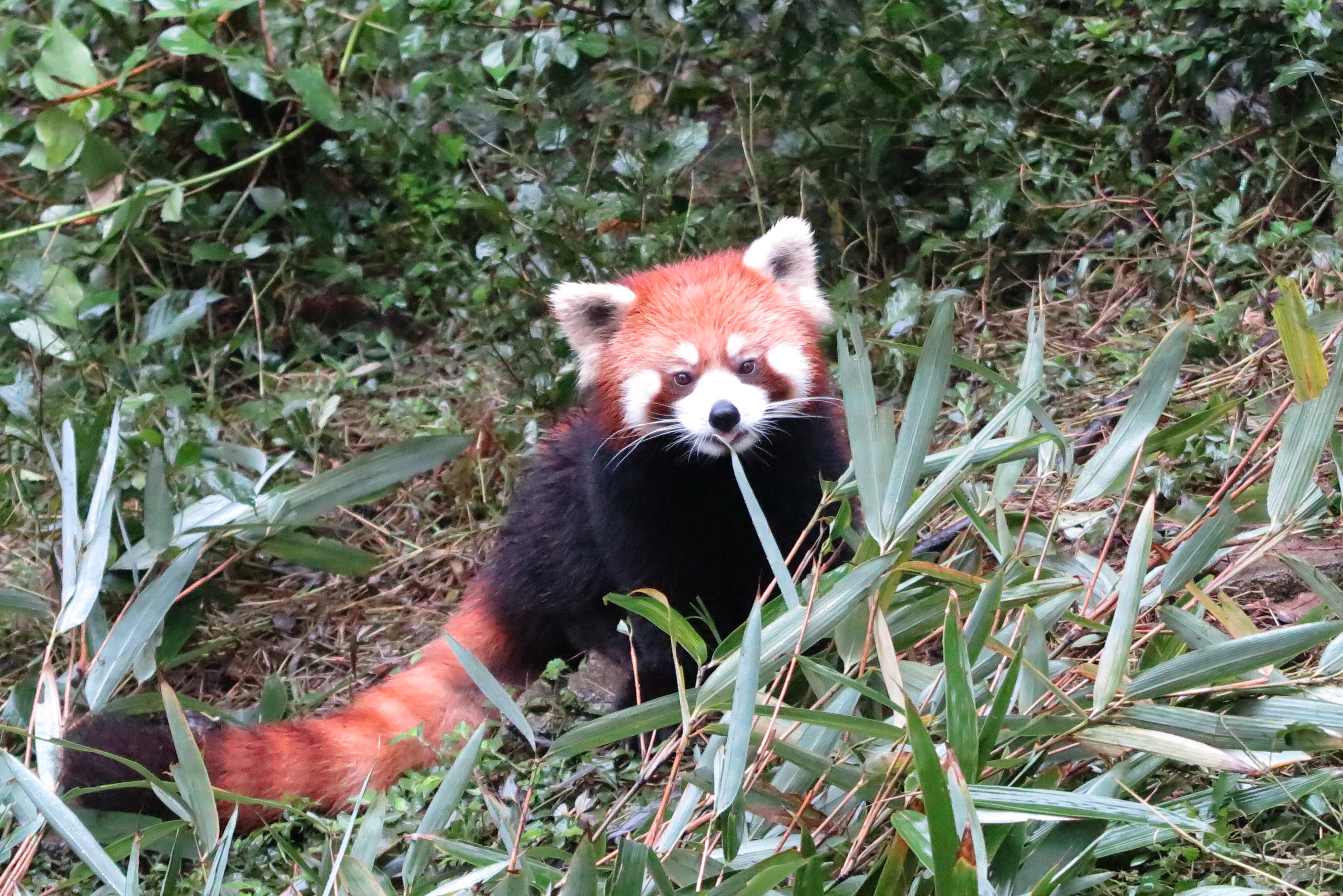
We also saw rare red pandas. They are relateded to racoons.
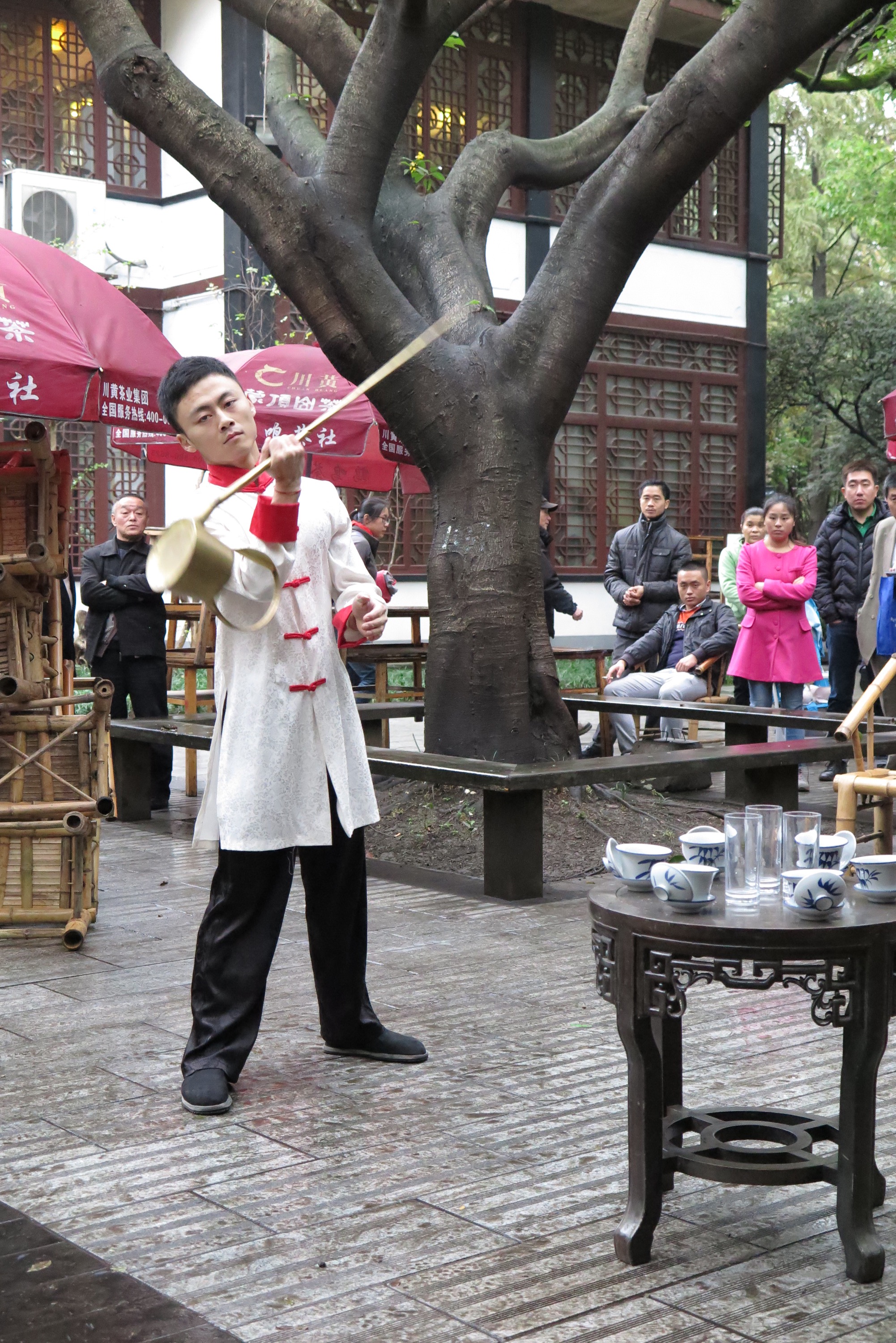
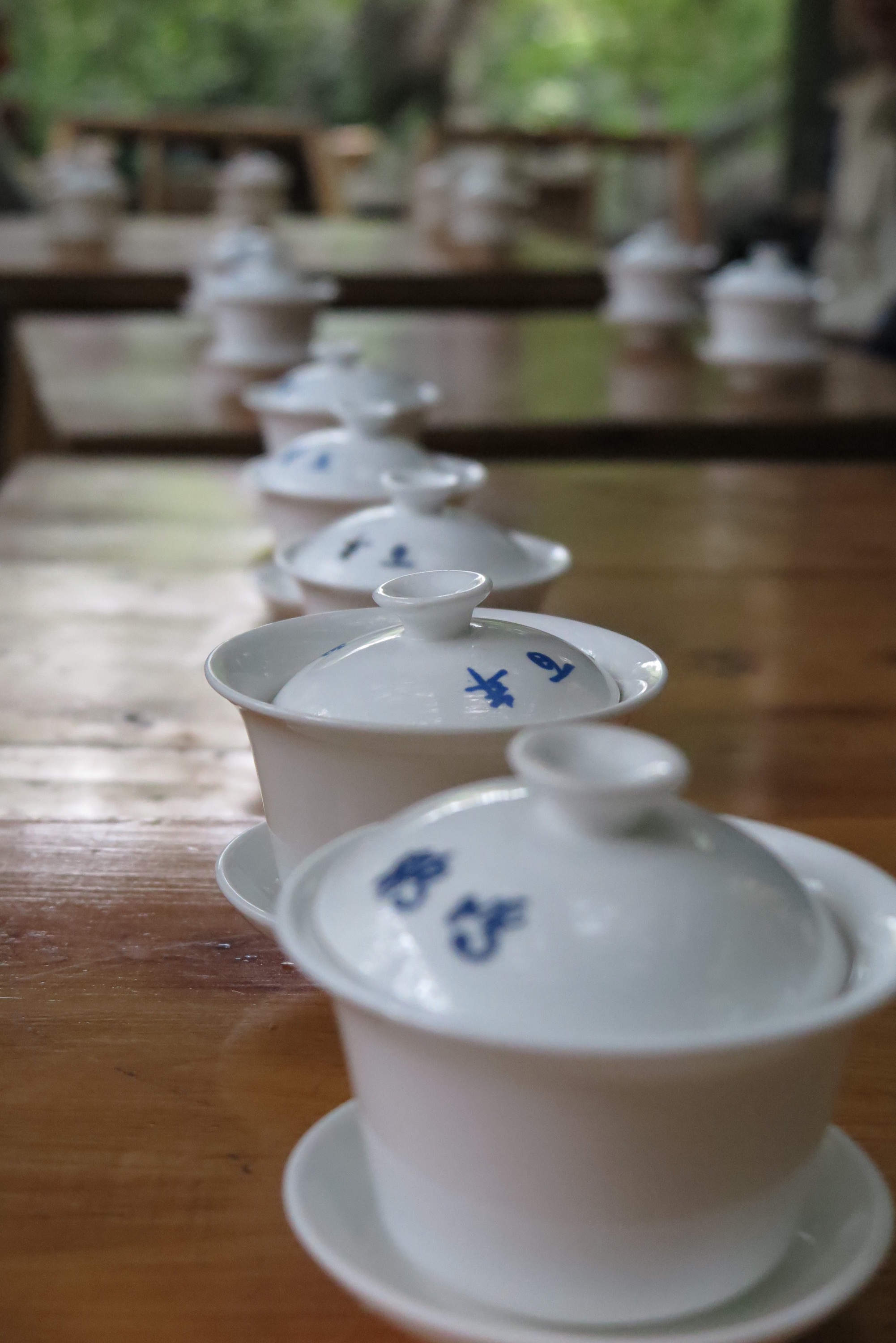
We then visited People’s Park where we had tea and watched a tea master. The tea master has a pot with a very long spout. These traditional teapots were used to reach over a crowded tea house to pour for the patrons. Well, someone a long time ago decided he could become somewhat of a baton twirler with his tea pot. Thus was born the art of tea mastering. It was quite a show.


The park also had “ear cleaners” who offered to clear out your ears for a fee. Lisa wanted me to try, but, I like my hearing too much.

A little girl watching her sugar rooster being made at the park
We also went to an old section of Chengdu that has been revived as a shopping district. It’s called Wide and Narrow Alley and dated from the Qing Dynasty in 1644 – 1911. We had a traditional hot pot lunch then wandered the area.
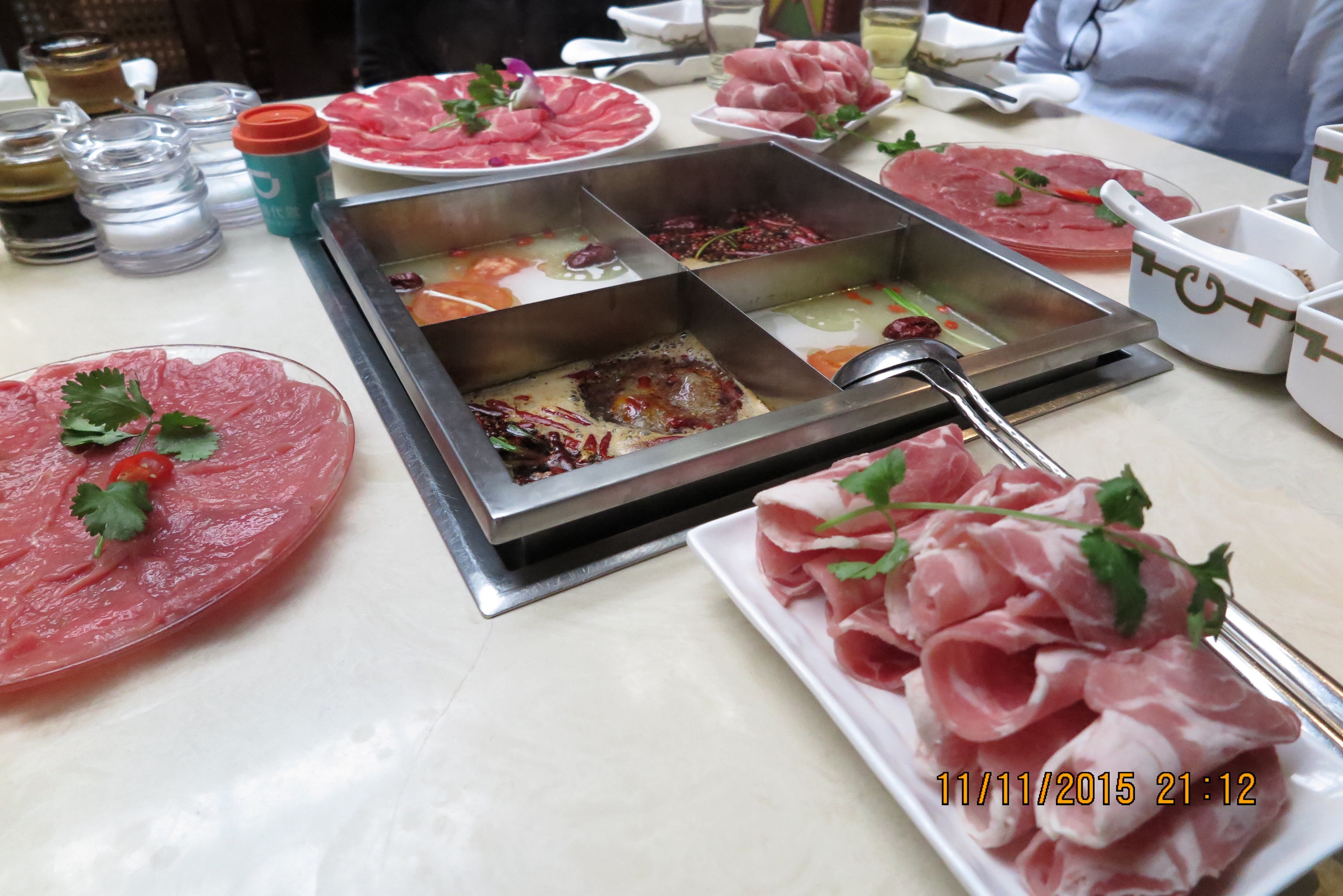
The hot pot lunch was a little like fondue. The hot liquid in the middle of the table is broth, one with peppers in it, the other more mild.
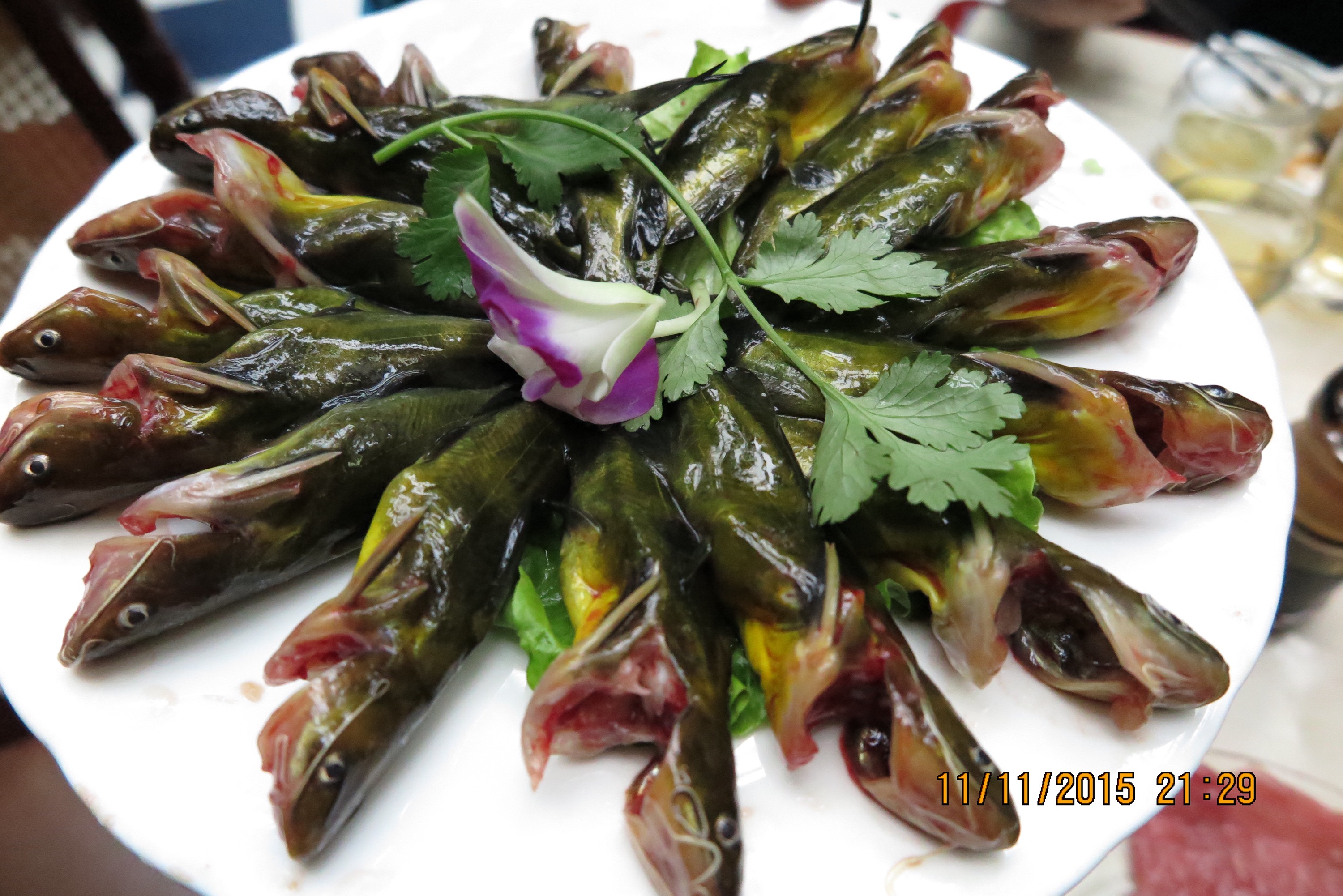
After we got used to the idea of cooking the meats, this local catfish delicacy came out. It looked, uh, interesting to us.
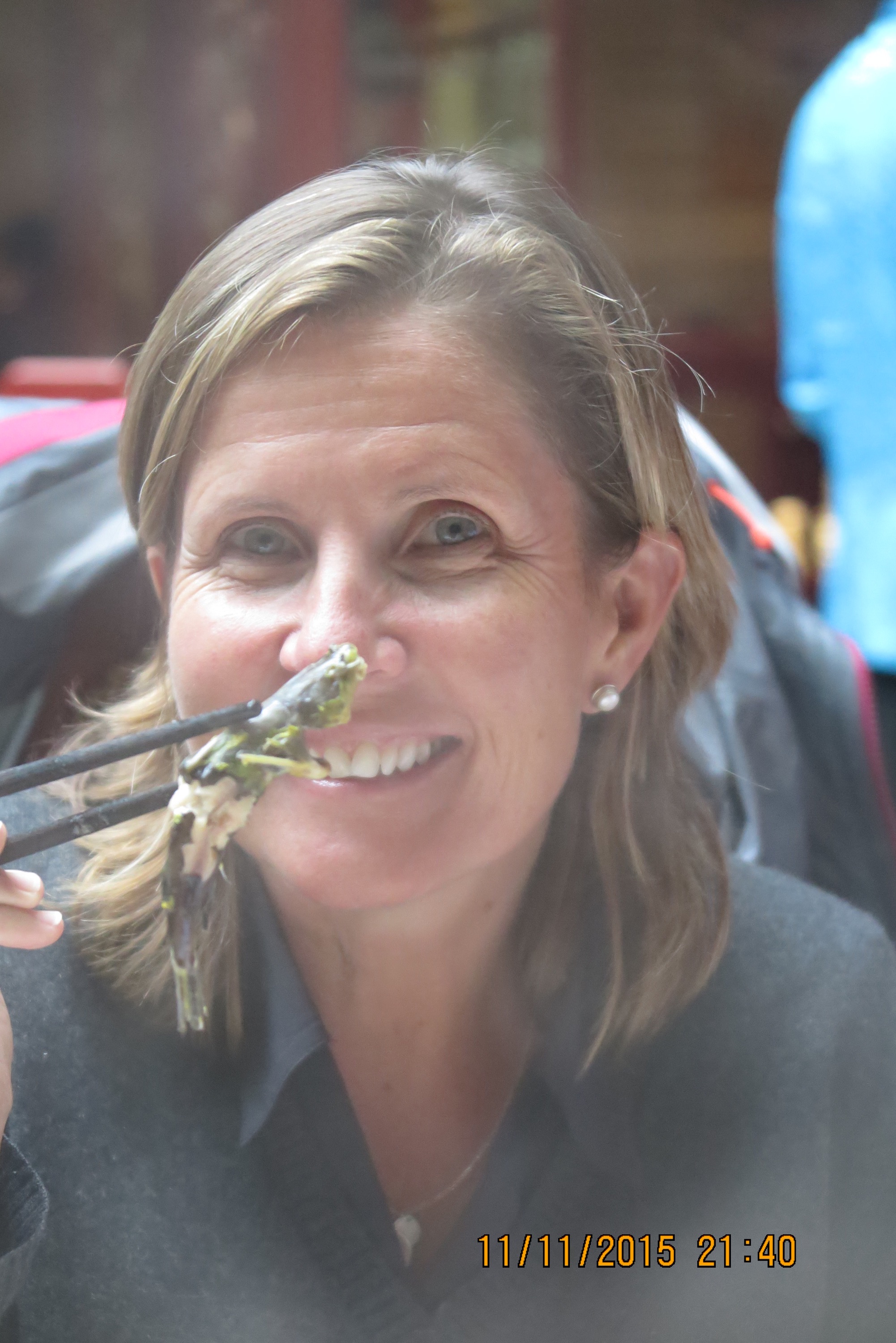
Our friend and travel partner Sally braving the first taste of the catfish. It was actually quite good.
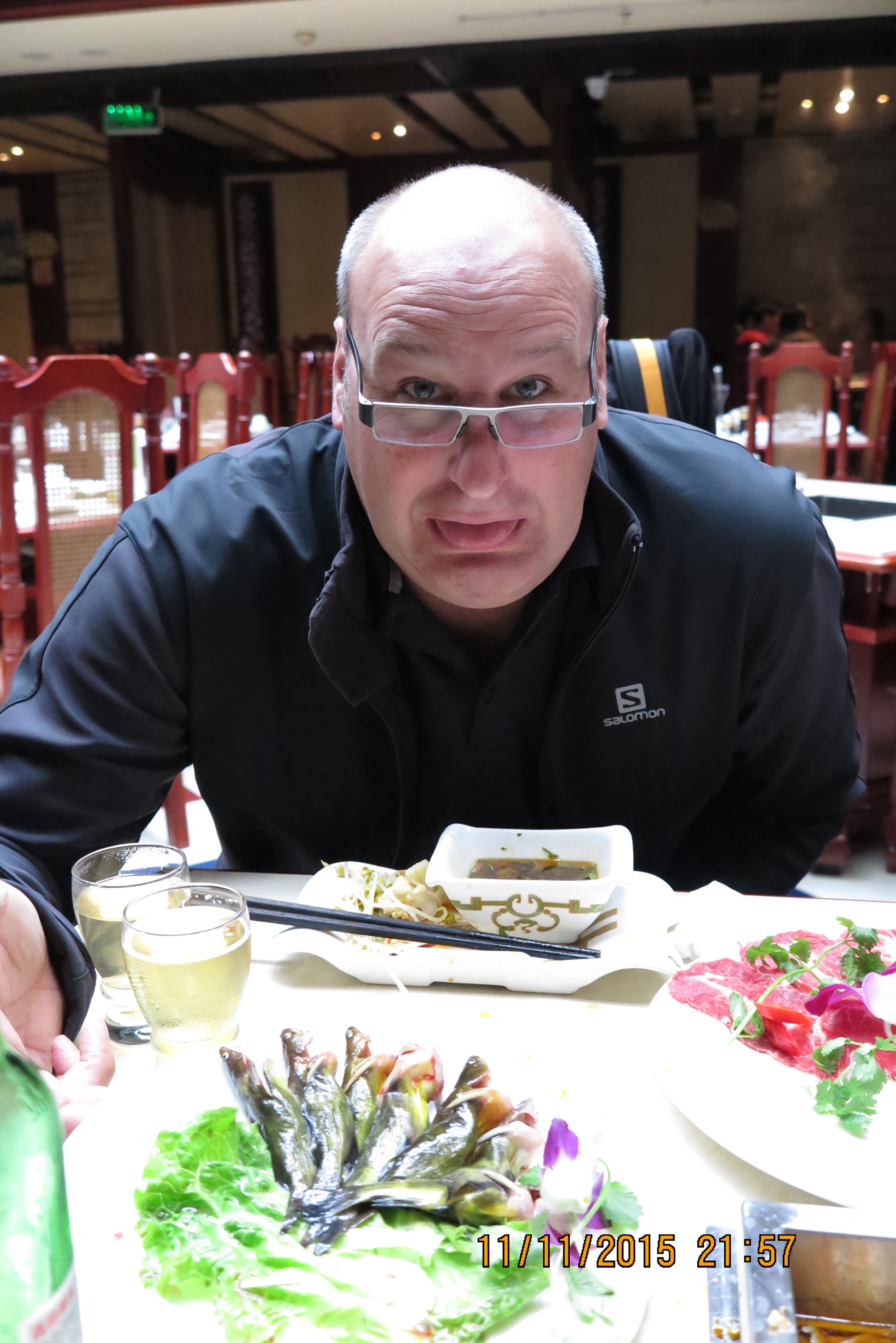
Sally’s husband Bryan illustrating his opinion of the catfish.
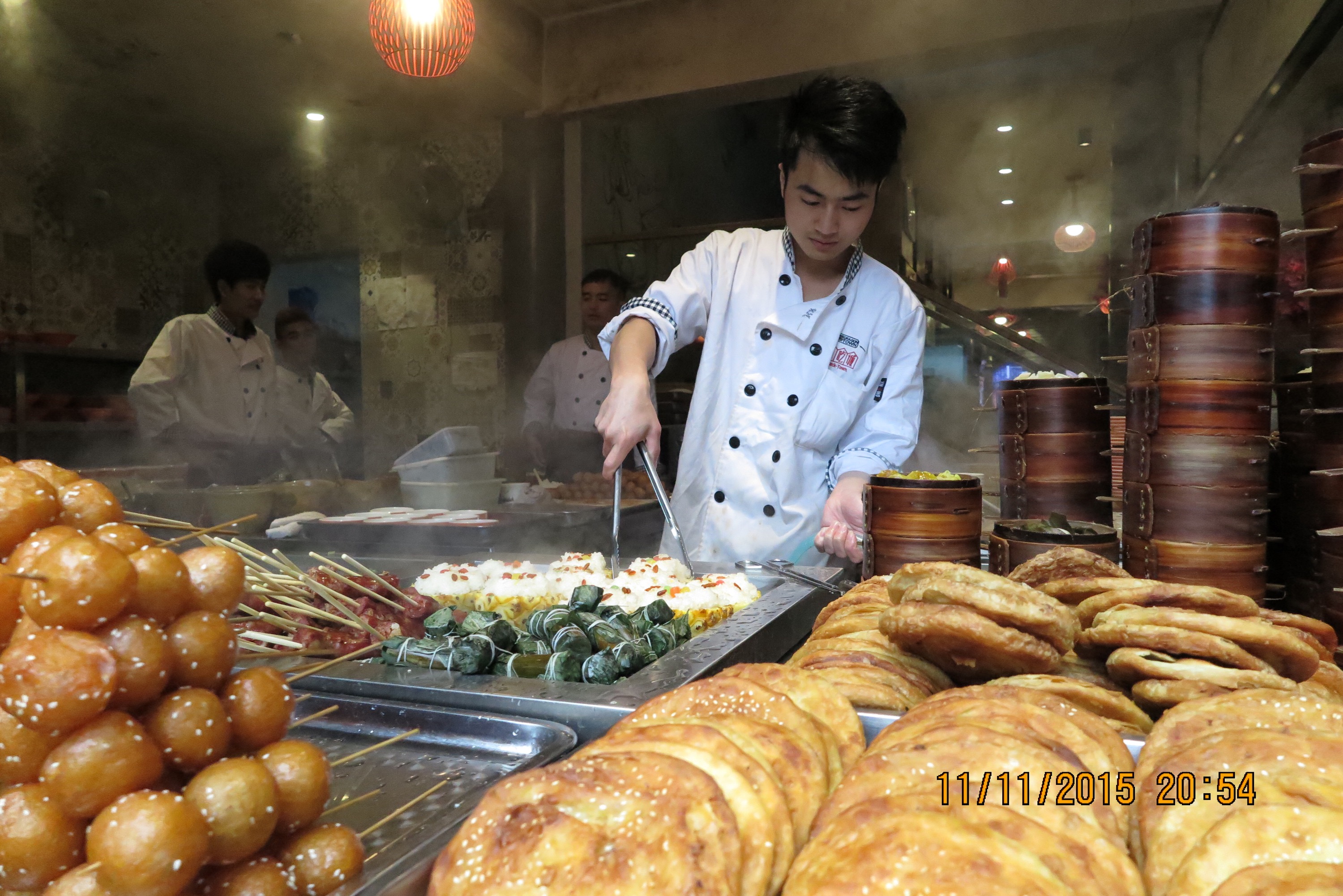
Street food in the open air market on Narrow Alley
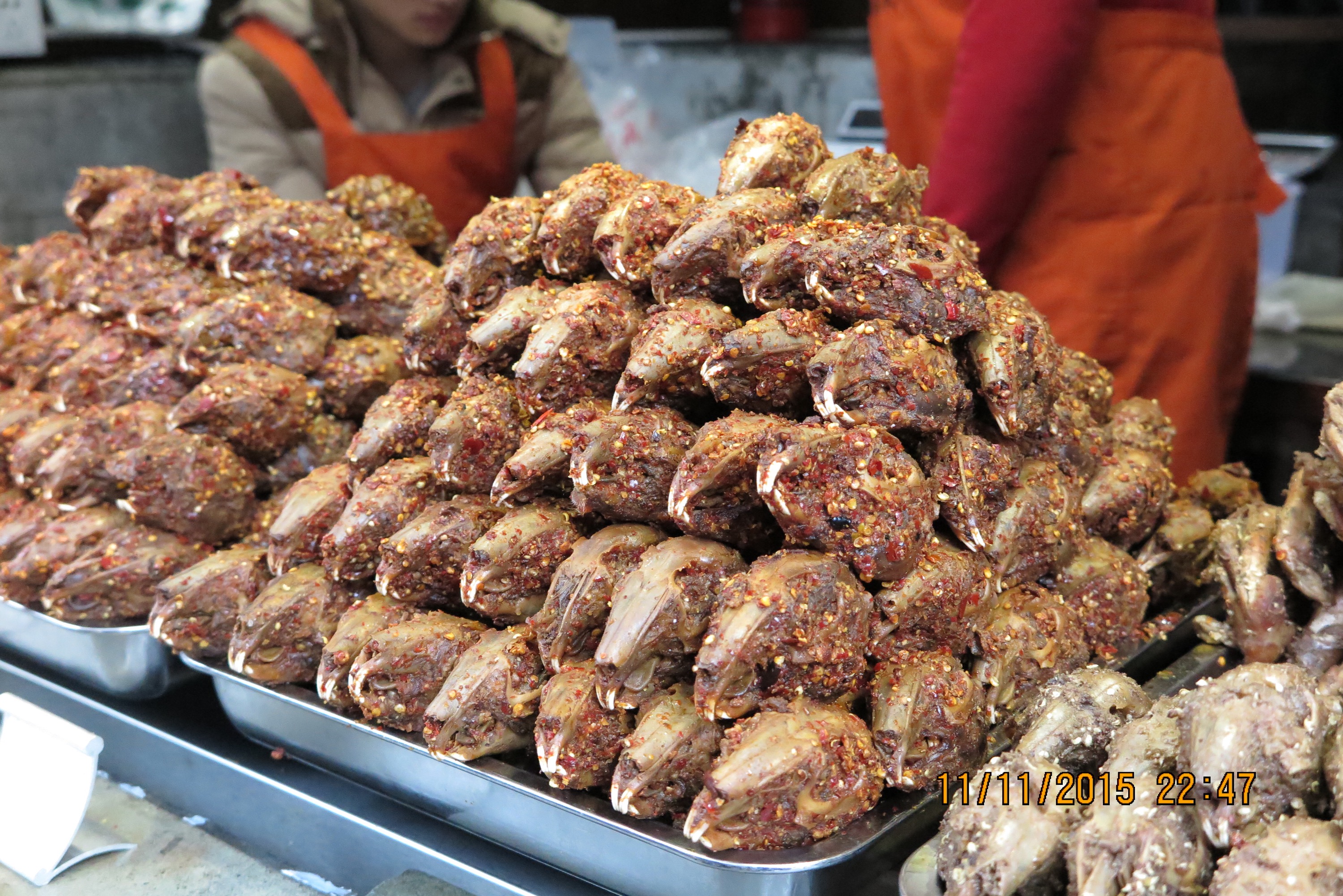
More open air market food on Narrow Alley. Let’s just say Peter Cottontail wouldn’t approve.
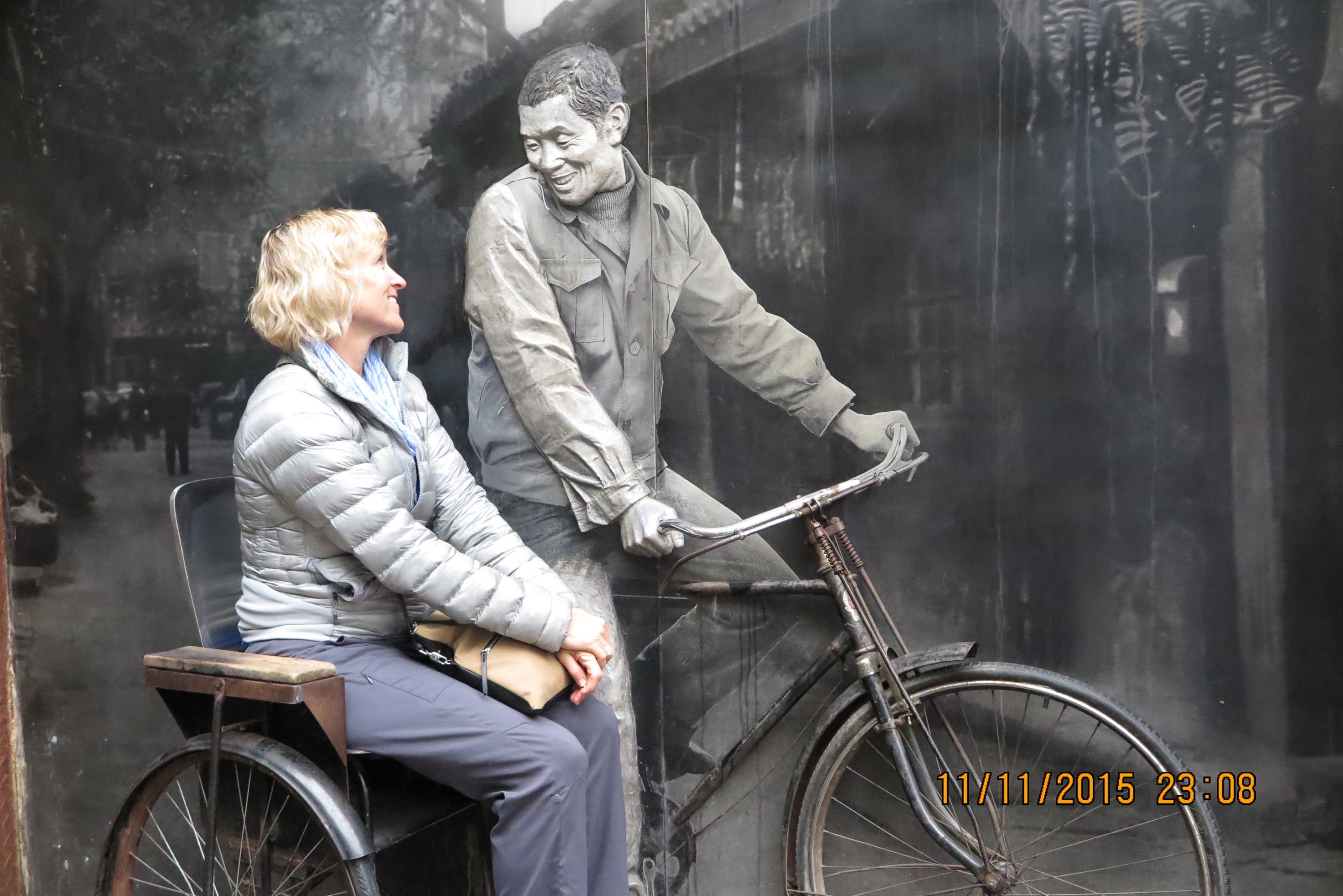
Lisa interacting with the multi-medium art on the street. Should I be worried?
We finished the day with one of the most incredible meals we’ve ever had. It was nine courses and featured new foods (like sea cucumber soup), and novel, impressive presentation like the bamboo charcoal beef short rib. We were all seated around a beautiful round table overlooking Chengdu. The meal opened with a “changing faces” dancer. Throughout his dance, his masks kept changing. We still aren’t sure how he did it. Our group has gotten so close, we finished the evening off with a couple of fun party games.
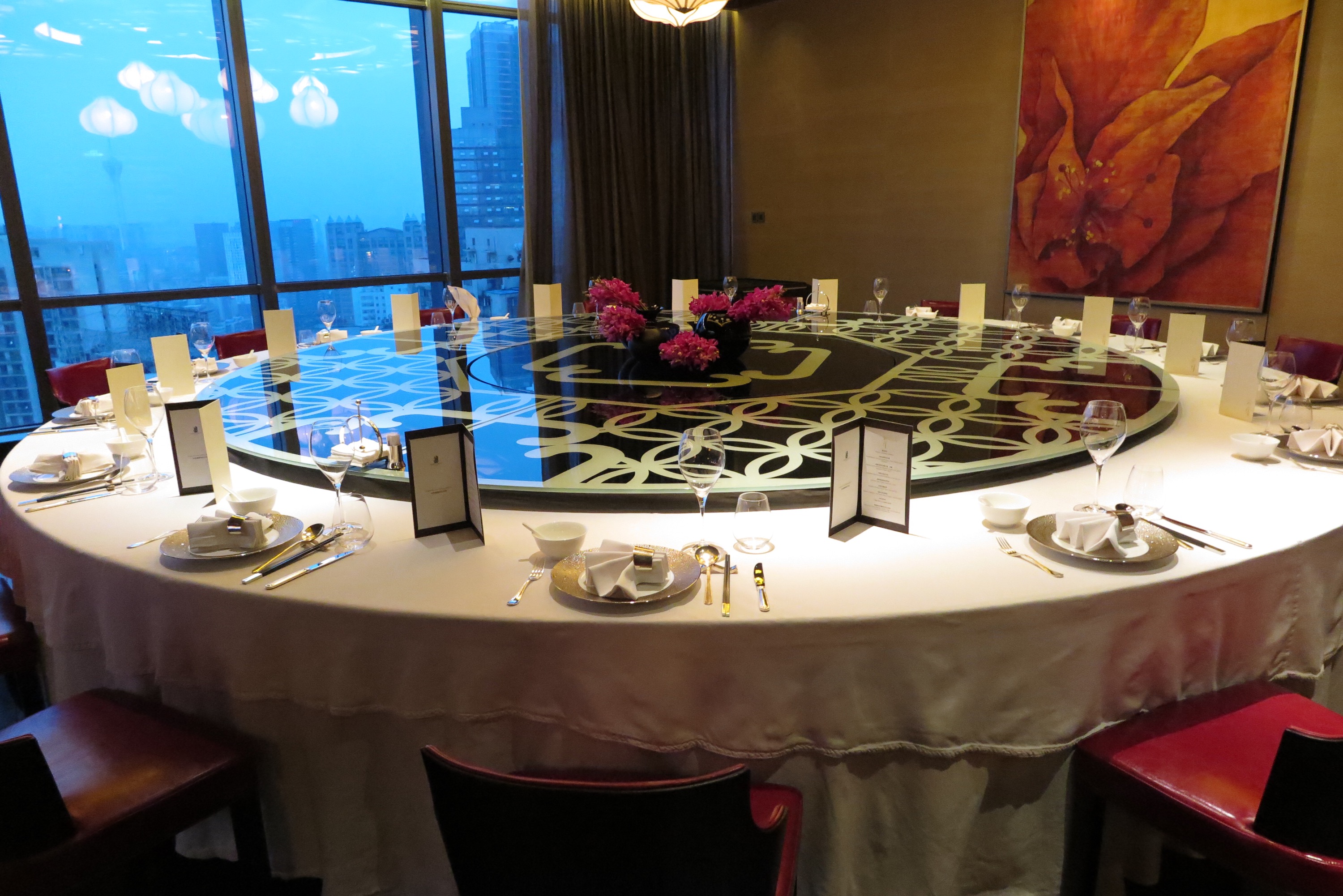
Our dinner table overlooking the city.
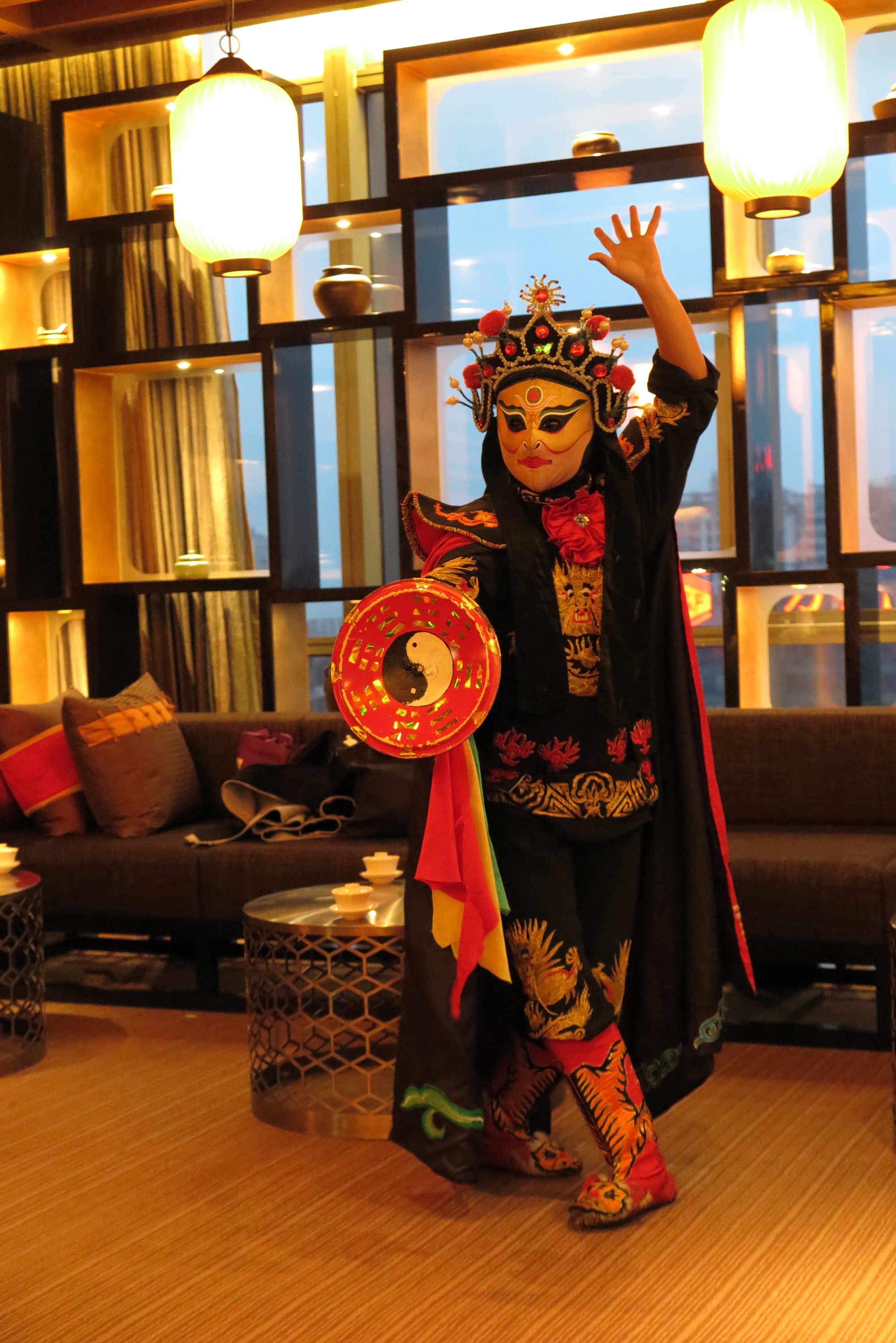
The “Changing Faces” dancer. He instantly changed his mask several times without any of us seeing how he did it.
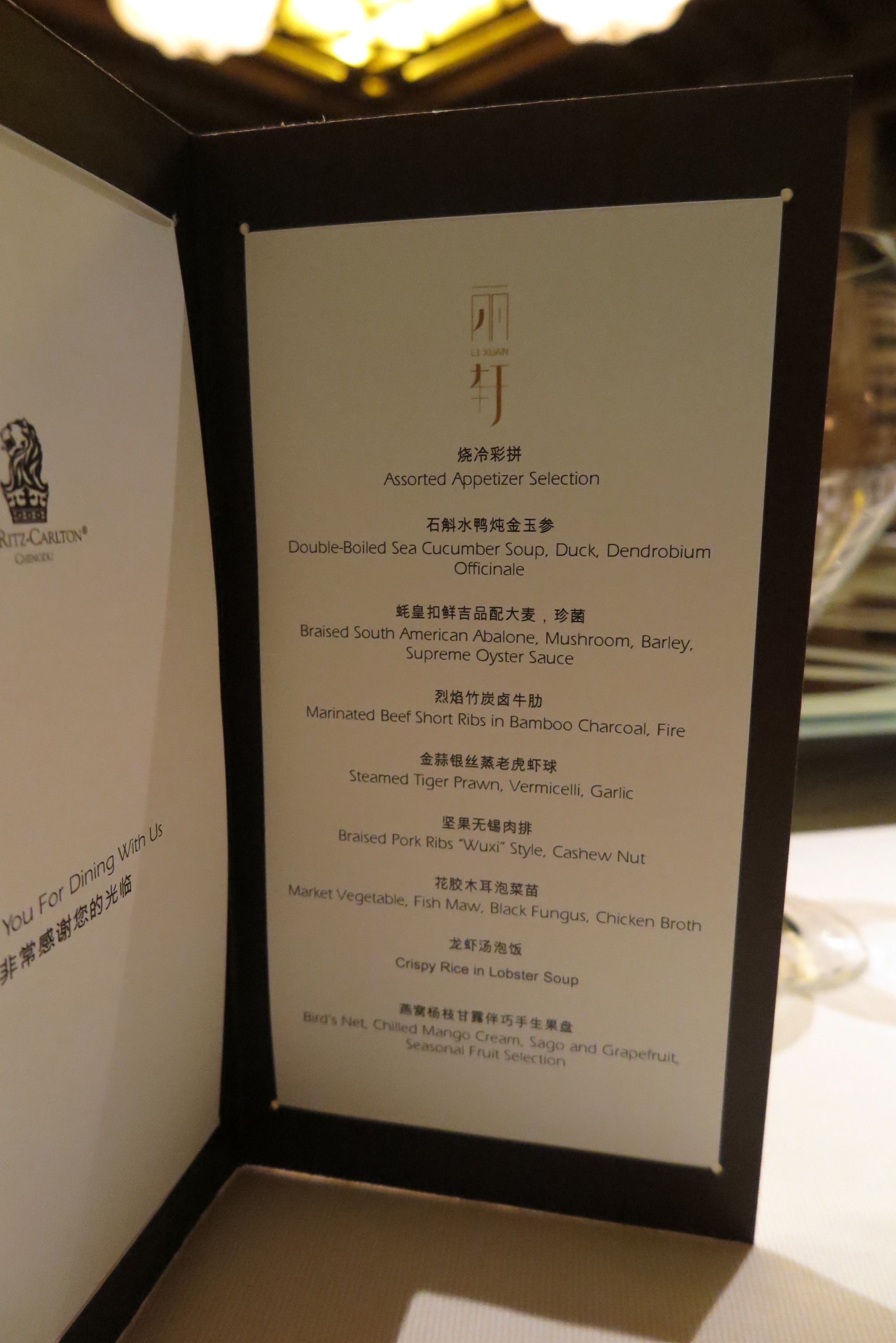
The evening’s menu
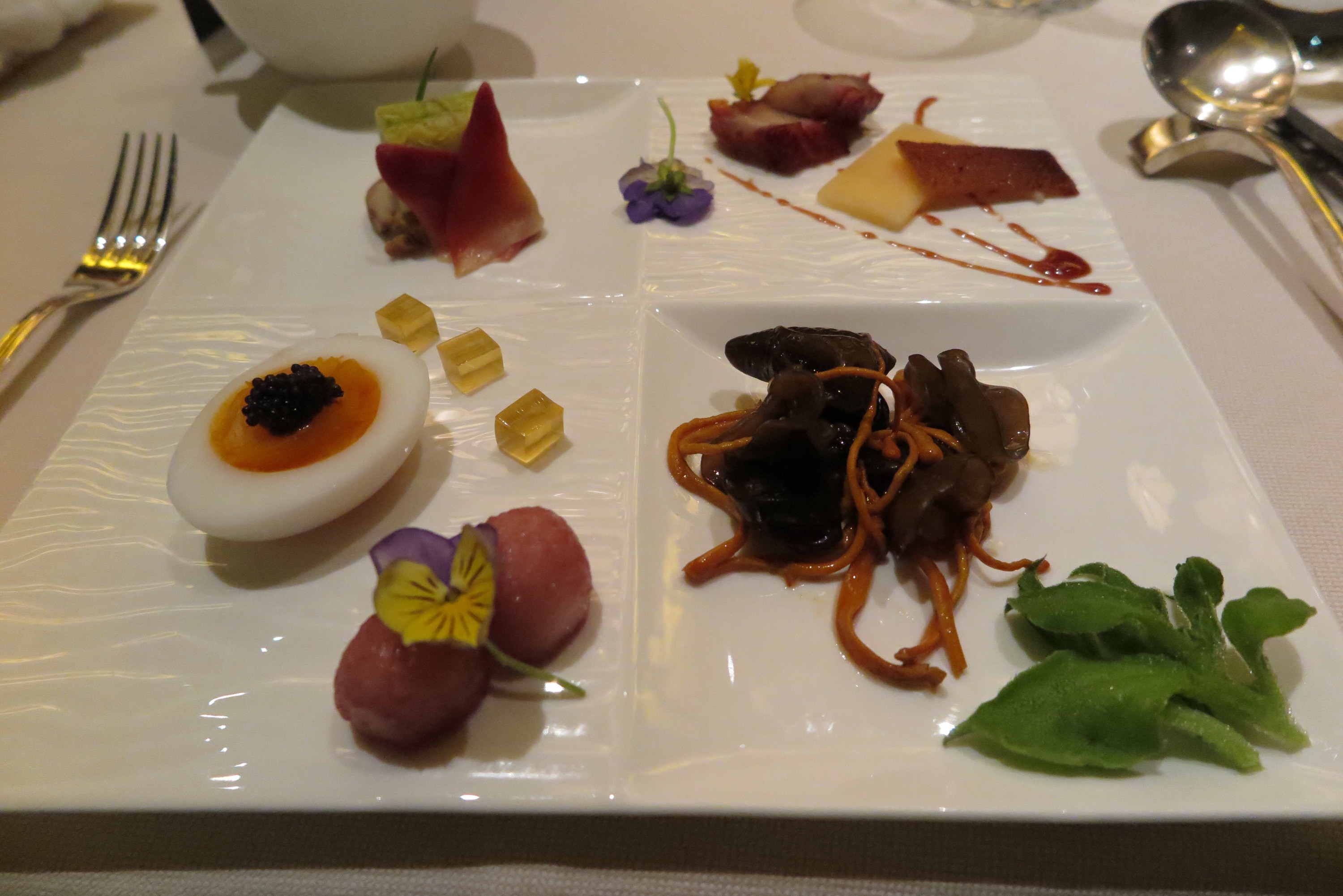
Our appetizer
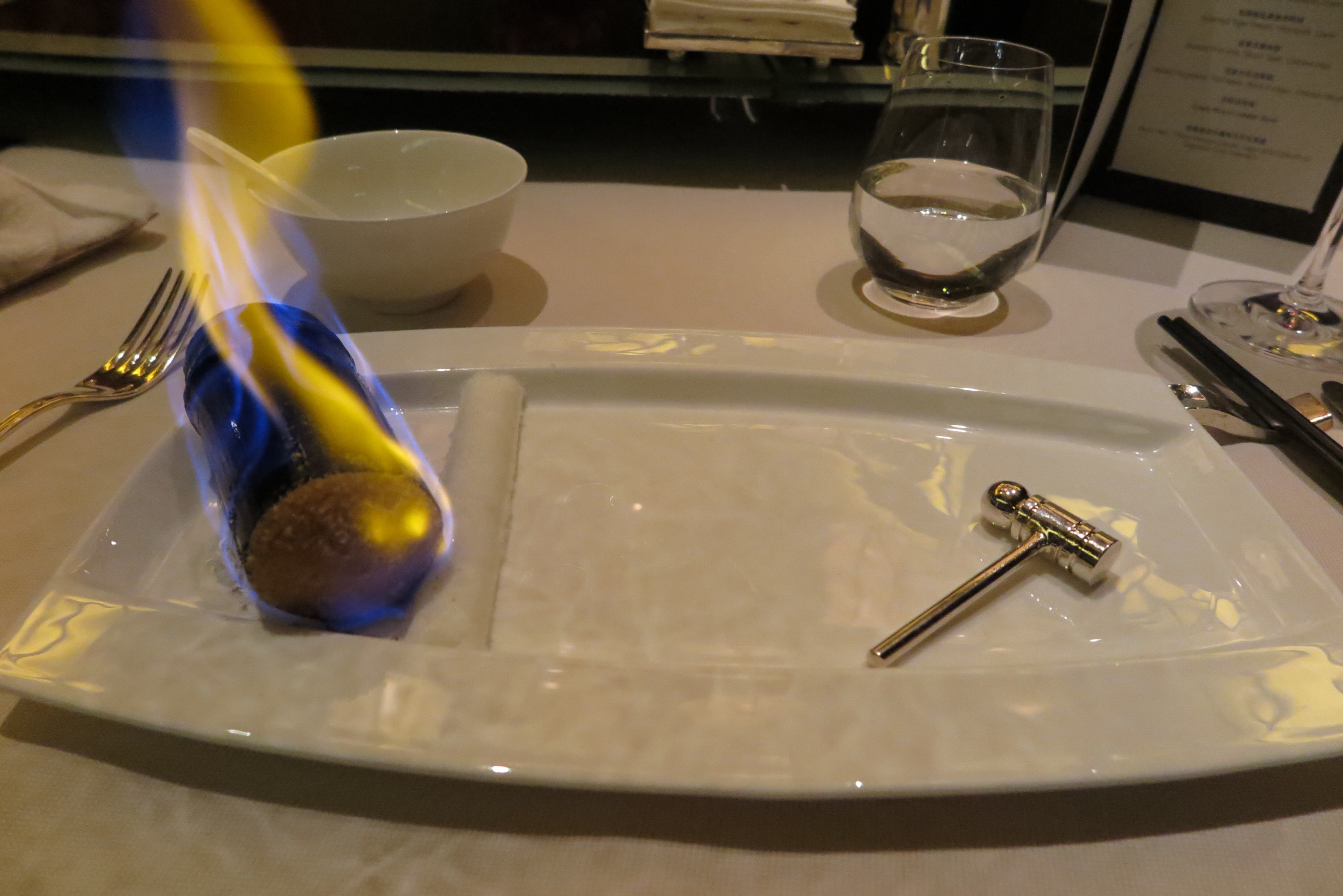
That is a charcoal piece of bamboo wood on fire. A piece of marinated short rib has been grilled inside. The hammer is used to break open the bamboo
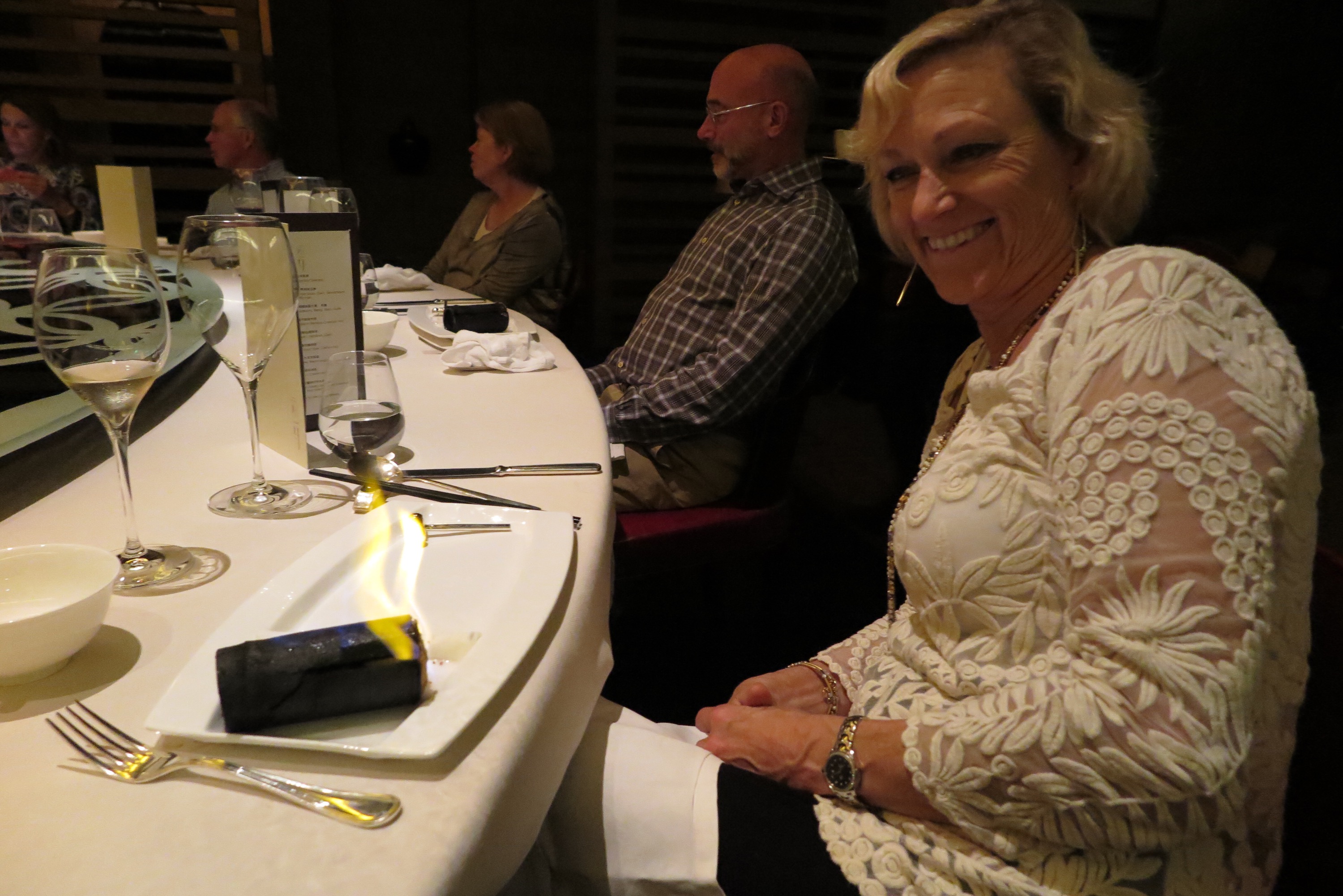
Lisa checking out her flaming bamboo
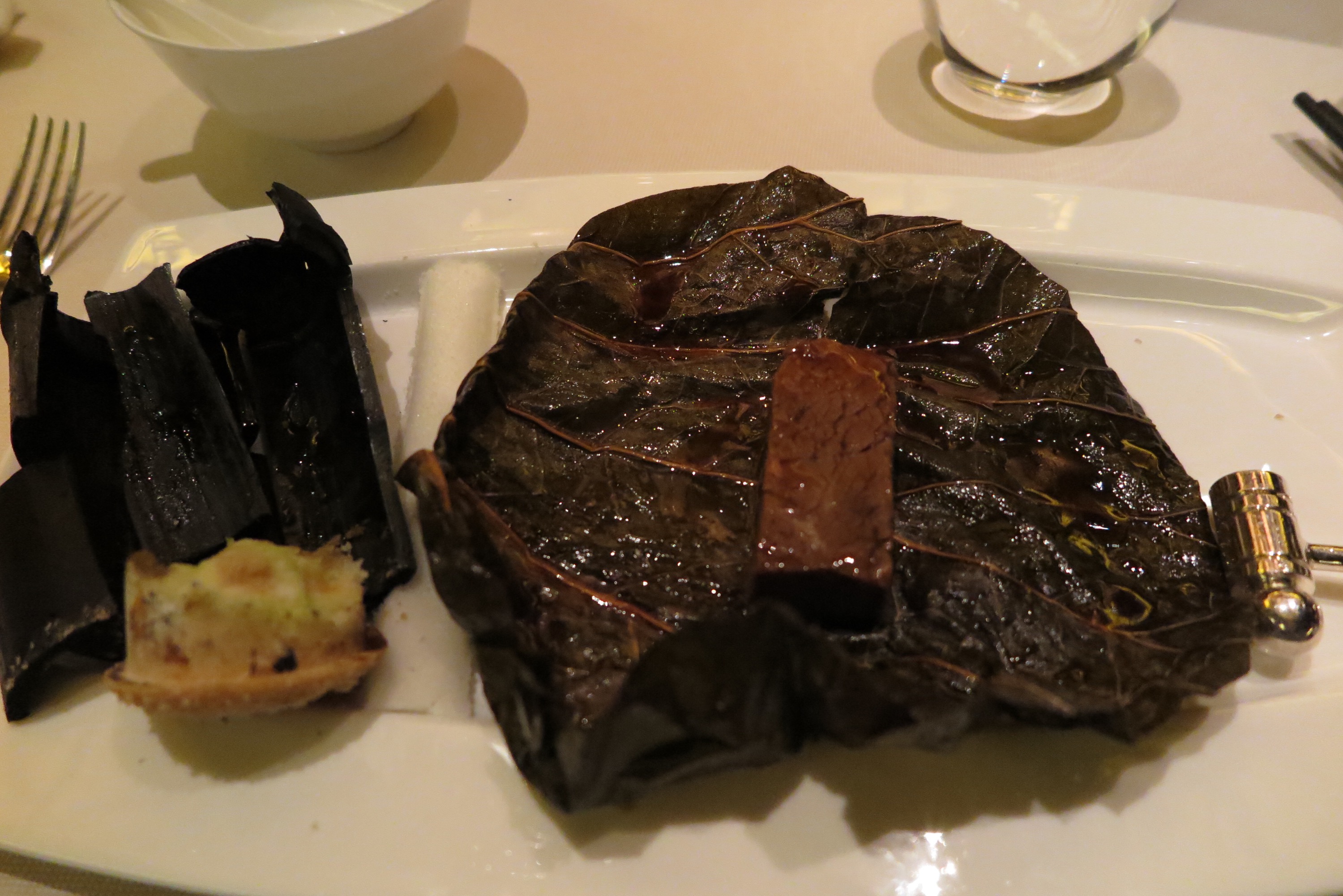
The finished short rib after removing it from the bamboo. It was wrapped in a lotus leaf.
It was a whirlwind day in Changdu. Stay tuned for our next posting about our adventures in Tibet!
 Lisa and Brad's Travels