
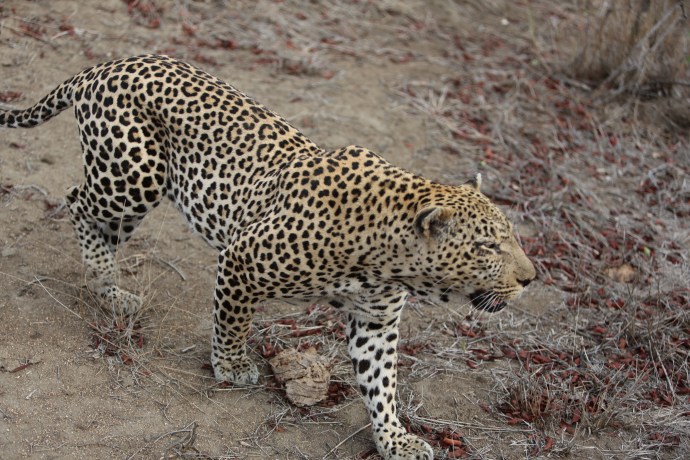
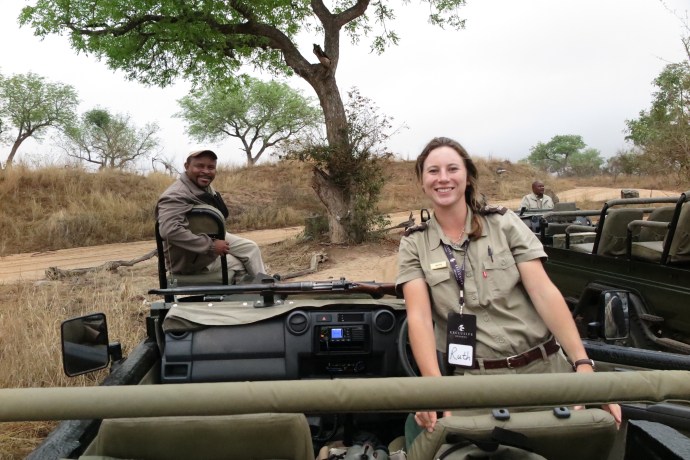
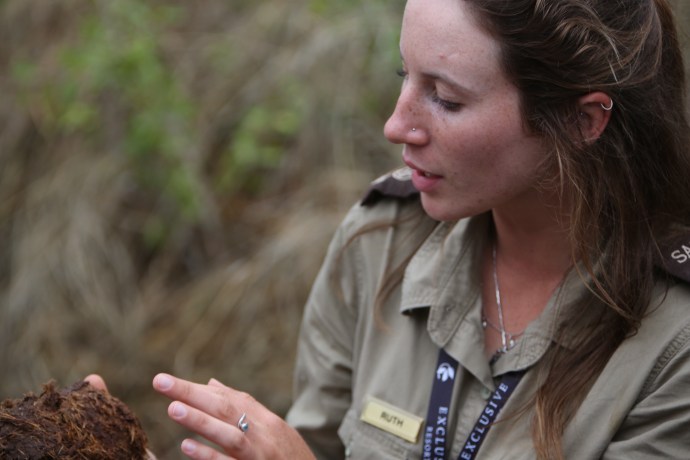
She suddenly stood at attention. Each one of her senses heightened. A storm was coming. The perfect time for the female leopard to find a meal for her 6-month old cub. The winds mask her scent from prey and makes it harder to hear her footsteps. We were on our final safari excursion last night when Ruth, our guide, got a radio message that the mother leopard had been located. She wasn’t far from us and it didn’t take long to find her. Soon after she came to attention she crouched down and started moving in a deliberate way through the long grass of the savannah.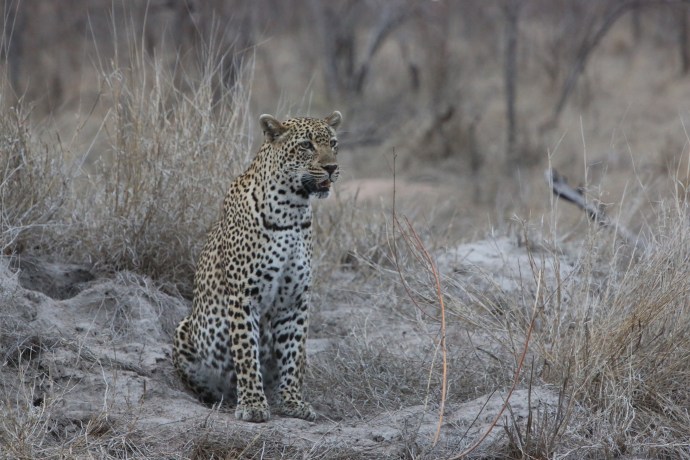
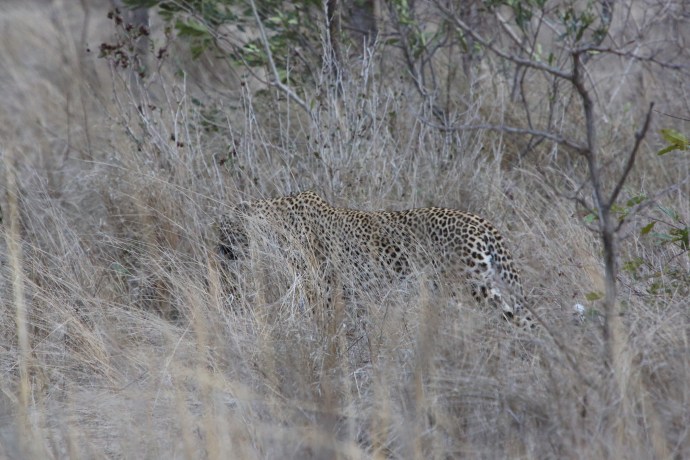
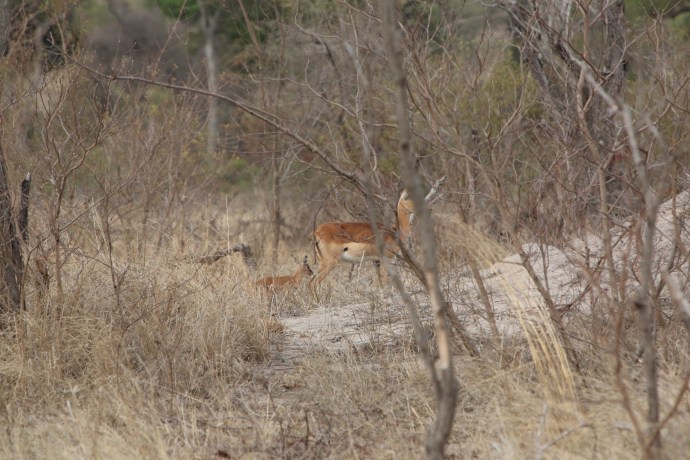
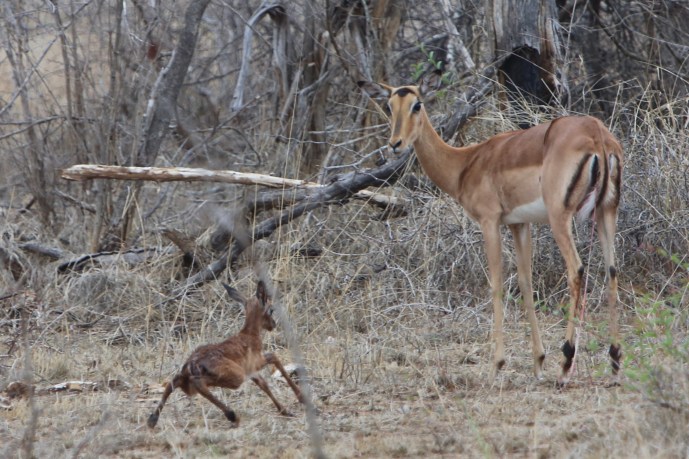
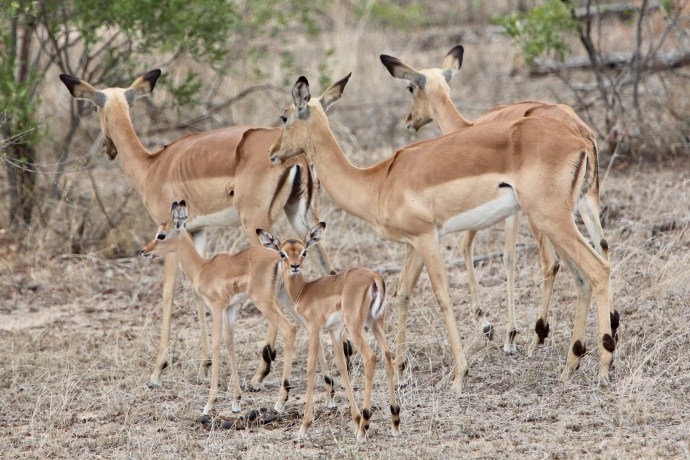
It is late Spring in the African bush. Impalas, which are like small deer, are everywhere. The females are delivering their babies in droves. We had seen several new mothers and their babies over the past couple of day. Impala mothers separate from the herd when they deliver and they stay alone with their fawn for about three days to allow the mother to imprint on their newborn. The babies are able to walk within only a few minutes. But, of course, they are slower and less agile than they will be as they grow. A new mother with her fawn was hiding in the tall grass and shrubs about 200 yards from us.
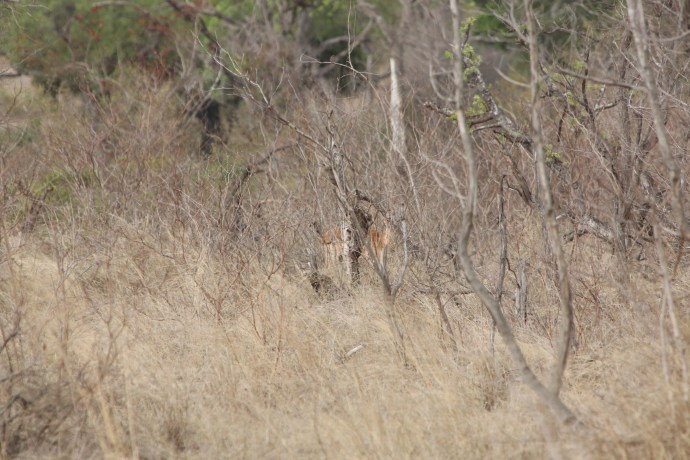
Leopards are very patient hunters. They are extremely fast but don’t have great stamina. So, they work to get as close as possible without detection before they pounce. Impalas too are fast. They are also more agile than their predators. Still, with a baby in tow, mothers are far more vulnerable.
The leopard stopped and surveyed the situation. She had moved to within 100 yards of her target and was determining her next move.
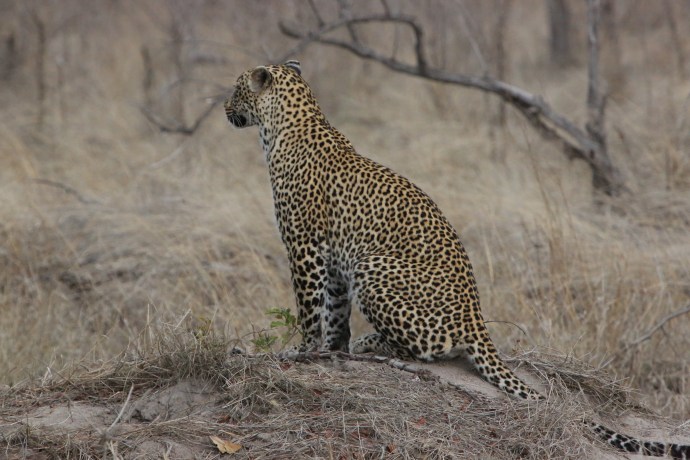
She then began her move. She stealthily crept closer at a measured pace.

We had a vantage point that allowed us to see both the leopard and the impalas. The mother impala was frozen. She knew that escape would be a challenge. When the leopard got within about 25 yards she sprinted toward the impalas. Mother and baby ran behind a large rock closely followed by the leopard. We thought for sure the leopard had caught one or the other. But, they eluded the leopard by making a 90 degree turn and they came running back from behind the rock in the other direction.
As we watched all of this develop we couldn’t help but wonder whose side we were on. On one hand we wanted the mother and baby to survive. They were cute and vulnerable. On the other hand the leopard was hunting for her baby and without food, it would surely die. We were mere spectators as intervening on behalf of one or the other isn’t morally proper. Nature can be cruel and difficult to accept, but, the circle of life requires this drama to be played out.
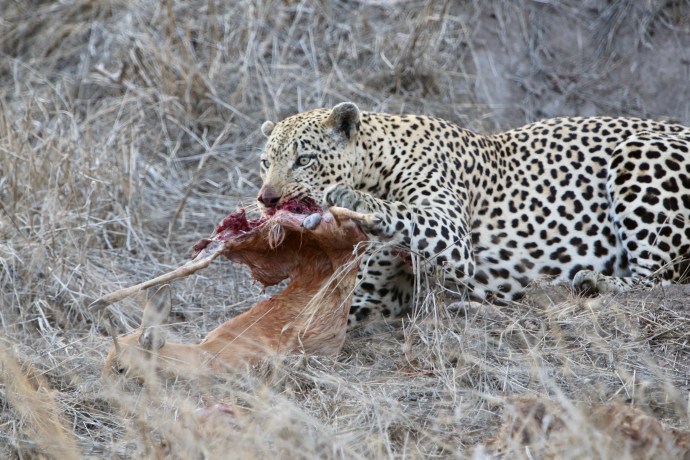
Seconds later the leopard caught the baby impala. We heard a small shriek and it was over. The mother, who had escaped, looked on from a distance with what we interpreted as a deep sadness.

As the storm clouds grew closer the leopard began her trek back to her cub’s den. She traveled about a half mile as we followed. It is fascinating the way these animals pay absolutely no attention to us. They do not see people in Land Cruisers as a threat. We were nothing more than a part of the landscape to her.

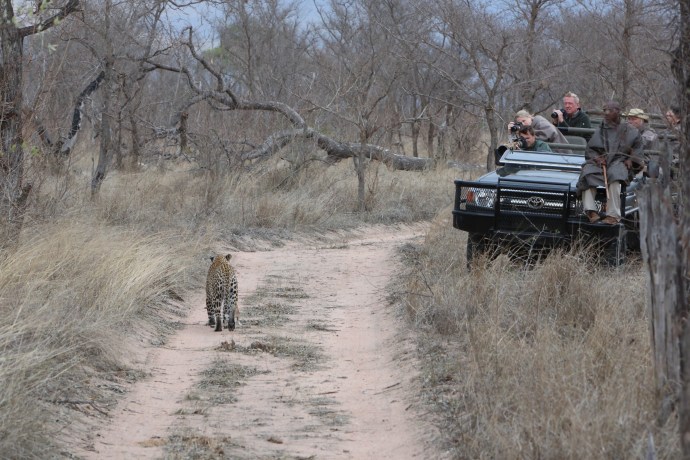
The leopard reached a clearing and set down her kill. She made a bleating call to her cub and waited. The winds continued to blow hard and the cub did not appear. At six-months old, it is beginning to wander off and likely did not hear her. The mother leopard began to look anxious. It isn’t unusual for a group of hyenas to follow a leopard and steal their prey. While the leopard could surely fight off a single hyena, they are no match for more than one. Her cub still didn’t appear. She picked up the fawn and continued to head south.
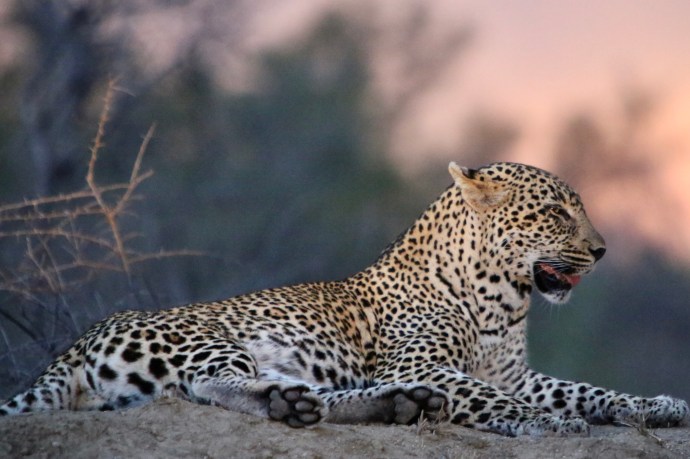
The bush is spotted with termite mounds. They range from a couple of feet to ten feet high. Many are abandoned and used as dens by mongoose, warthogs and other smaller animals. The leopard headed toward a termite mound situated next to a large tree. She climbed to the top of the mound. There she seemed to relax. From this perch she could see any approaching hyenas and should they come, she could climb the tree. Leopards are strong climbers and can carry over 200 pounds up a tree so the fawn provided no challenge should she need to ascend.
Mother leopard continued to bleat (that’s the only word that I can think of to describe the sound) for her cub. But, as she relaxed, she also began to clean herself not unlike a house cat does.
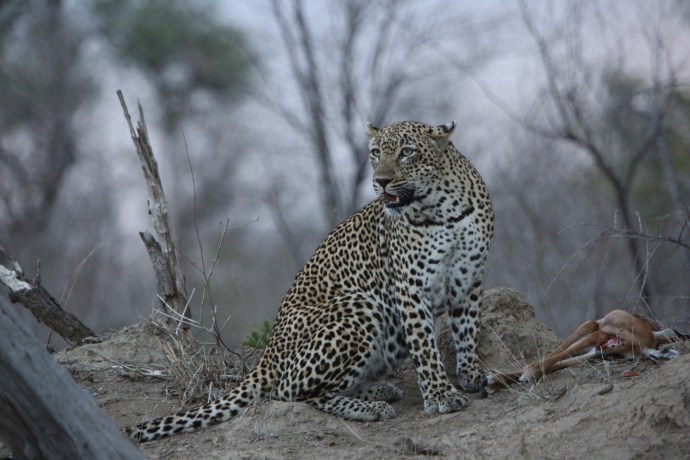
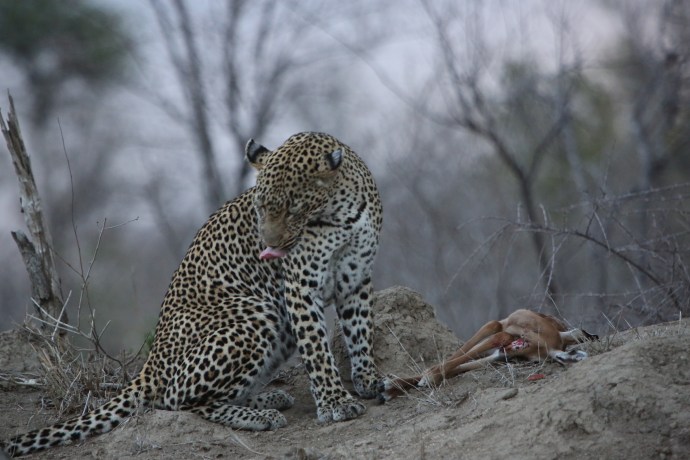
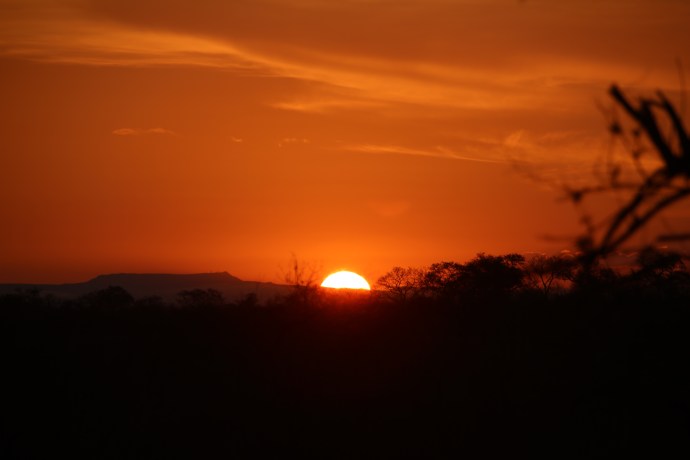
The cub still did not appear. She laid down and continued to wait. The thunderstorms grew close with lighting strikes and thunder. As the sun began to set and the storm upon us, we decided to head back to our lodge.
As we drove back to camp we hoped that the cub was okay. This morning we heard that it was spotted in the same area we had left its mother the night before. I assume it had a full belly.
The circle of life continues.








 Lisa and Brad's Travels