Norway

Final Thoughts on our Trip to the Arctic

I love warm weather and sunshine.  I don’t like going into a pool or a lake or an ocean unless it’s around 85 degrees.  You can imagine Brad’s surprise when I said one morning, “I think we should go on an expedition to the Arctic!!”  Once I put it out there, the whole idea of the trip began to intrigue both of us.  We signed up to go on a National Geographic ship that went around Svalbard, far north of the Arctic Circle. Brad loved the idea because the trip had a focus on photography and it gave him a chance/excuse to upgrade his camera so he could learn with the best.  I threw in a few days of travel to Copenhagen and Oslo so we could see some new Scandinavian countries and experience new cultures.

After a long shopping trip to REI where we bought a pile of base layers and waterproof everything, we were ready to head to the Arctic.  We really didn’t quite know what to expect but went with eager anticipation and a willingness to learn about Svalbard!

Here are a few of our reflections on the voyage:

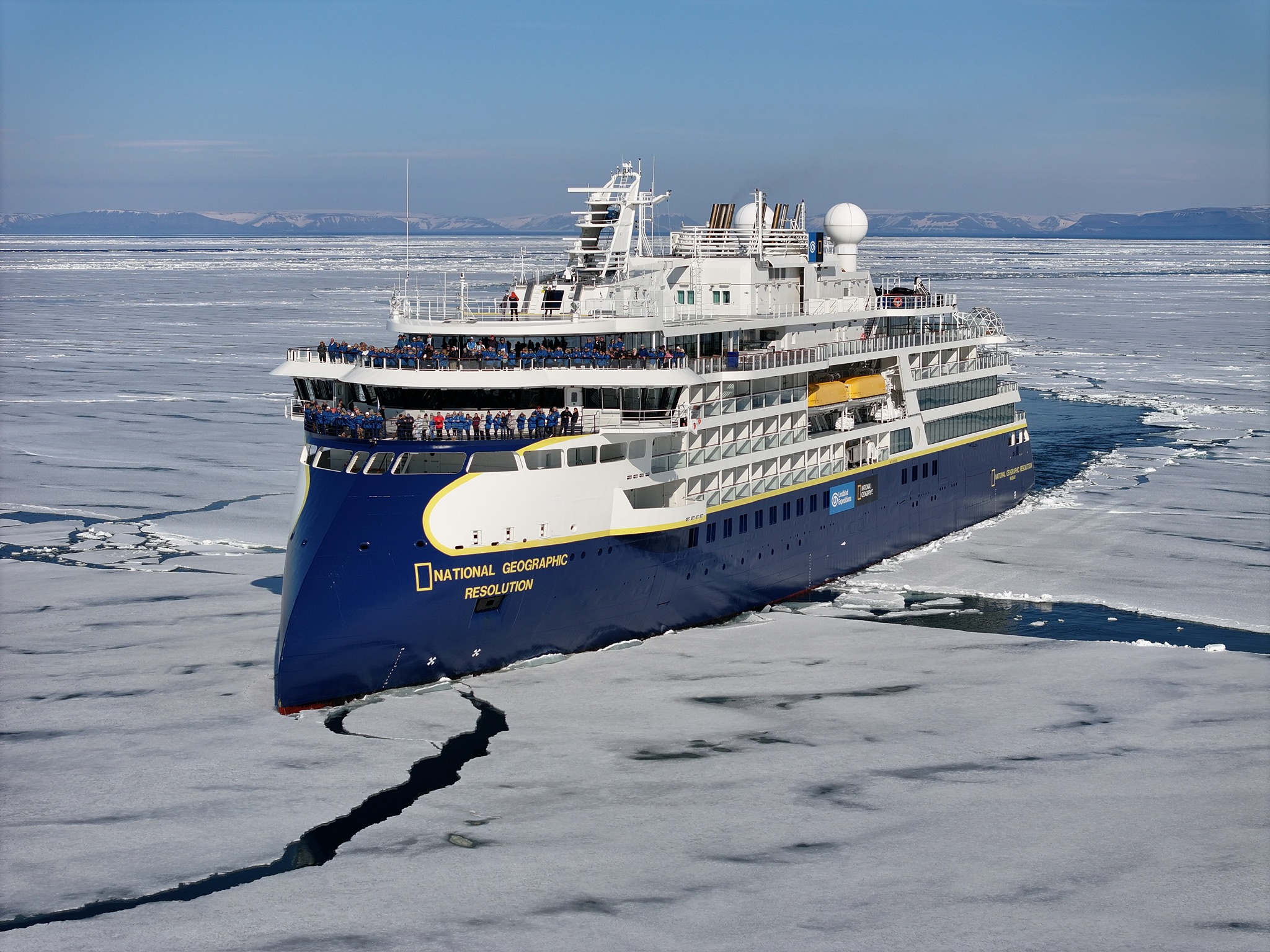
Experiencing the Wonder of the National Geographic Resolution:  We were on the Nat. Geo.  Resolution with about 130 of our fellow expedition travelers for seven days.    The vessel was a next-generation expedition ship designed for polar ice exploration and it was beautiful.  We were NOT on a cruise ship with a set schedule of events.   We went exploring looking for wildlife and ice and what we did each day depended on the weather, the wind, the ice, and the conditions on land.  The Captain changed his navigation frequently due to weather conditions.  We were the only ship in the areas we explored for virtually the entire trip.  
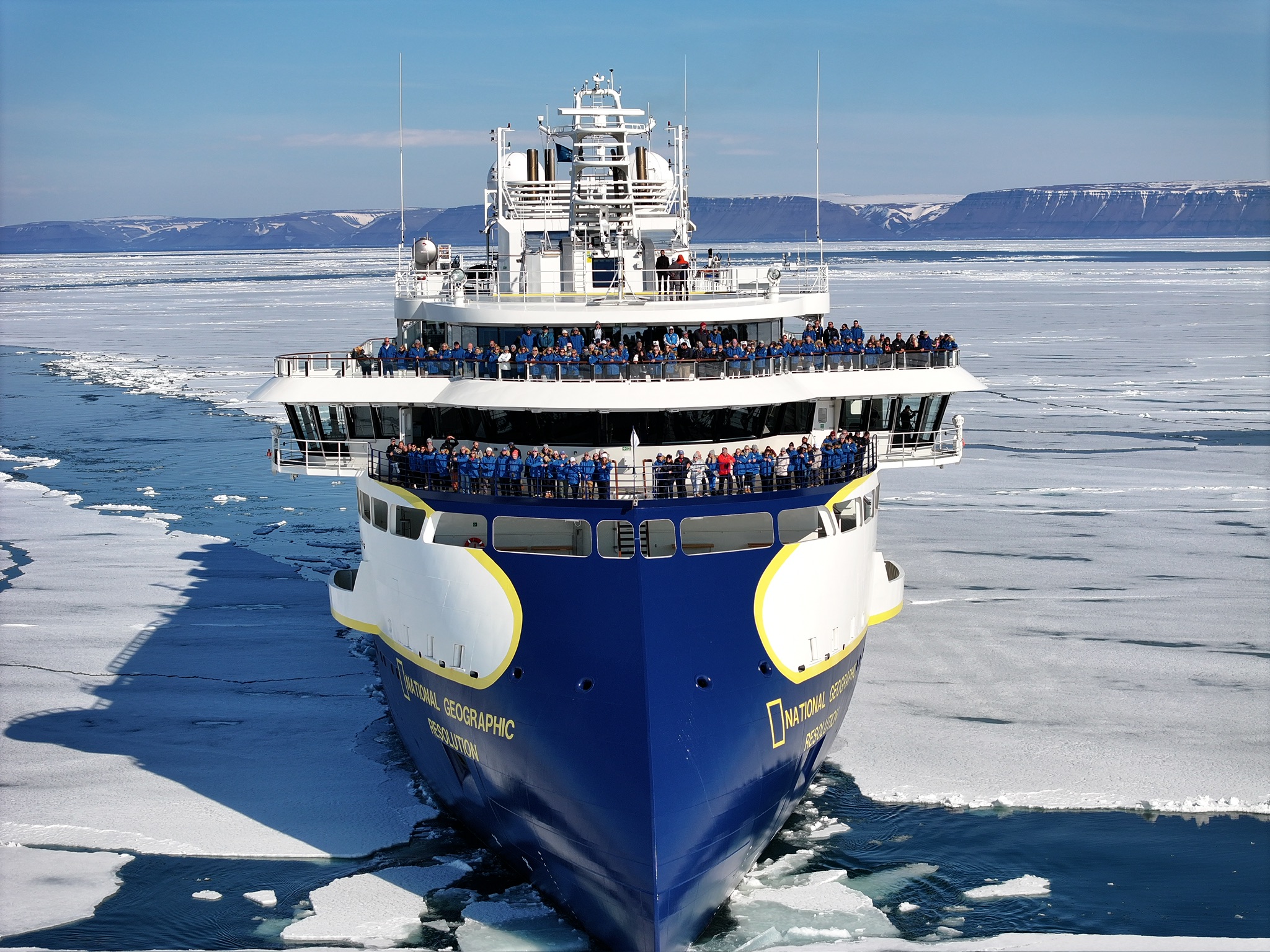
Our ship mates on the Resolution
Resolution on Ice

A Typical Day on the ship — there were no Typical Days on the ship: 

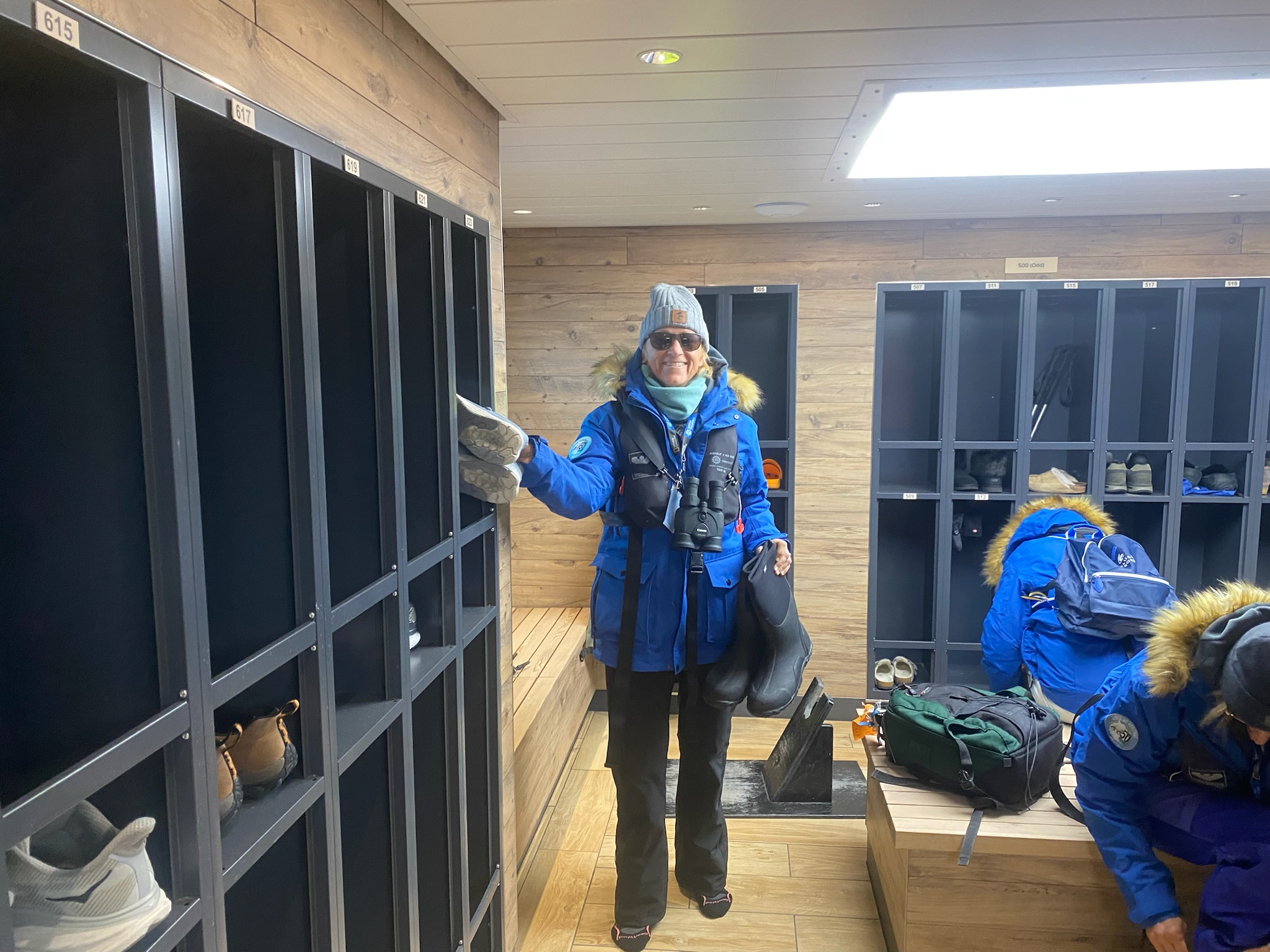
An example of a typical day started with a 7:00 am cheery wake-up call letting us know what “operation” we were trying to do that morning.  An “operation” could be a zodiac trip, a hike, or kayaking.  Our leader would then give us an approximate time that we might get to go ashore.  The reason that it was approximate was because the staff had to go on shore first-equipped with guns and search for polar bears before they would take 130 people to shore (Despite their cute appearance, polar bears are quite dangerous). They also made sure the conditions weren’t too icy or muddy.  We did have a few episodes with people getting stuck in the mud up to their thighs  (the mud was like quick -sand) and they were hoping to avoid any future mud-sucking events.  Of course, there was always a wonderful breakfast waiting for us as we waited to hear about our morning.  Some days things went as planned and other days we made other arrangements.  We all had to be flexible because as soon as we found out an operation was going to happen, we had to put on all of our layers  (I wore a LOT of layers as I was channeling my inner Mary Frandsen on a chilly day playing golf), our binoculars, our life jackets, and head to Base Camp to go out on a Zodiac.  We did a lot of clothes-changing in the week on the trip but we got good at it by the end.

A guide keeping a lookout for Polar Bears
Getting ready to go out onto a zodiac in Base Camp

After our morning “operation”, we would have a delicious lunch.  One day we even had a barbecue and people could sit outside on the deck of the ship!  Post-lunch, we would find about a new operation in a new location.  Again, flexibility was the key.  Sometimes the excursions happened  as planned and sometimes they didn’t.
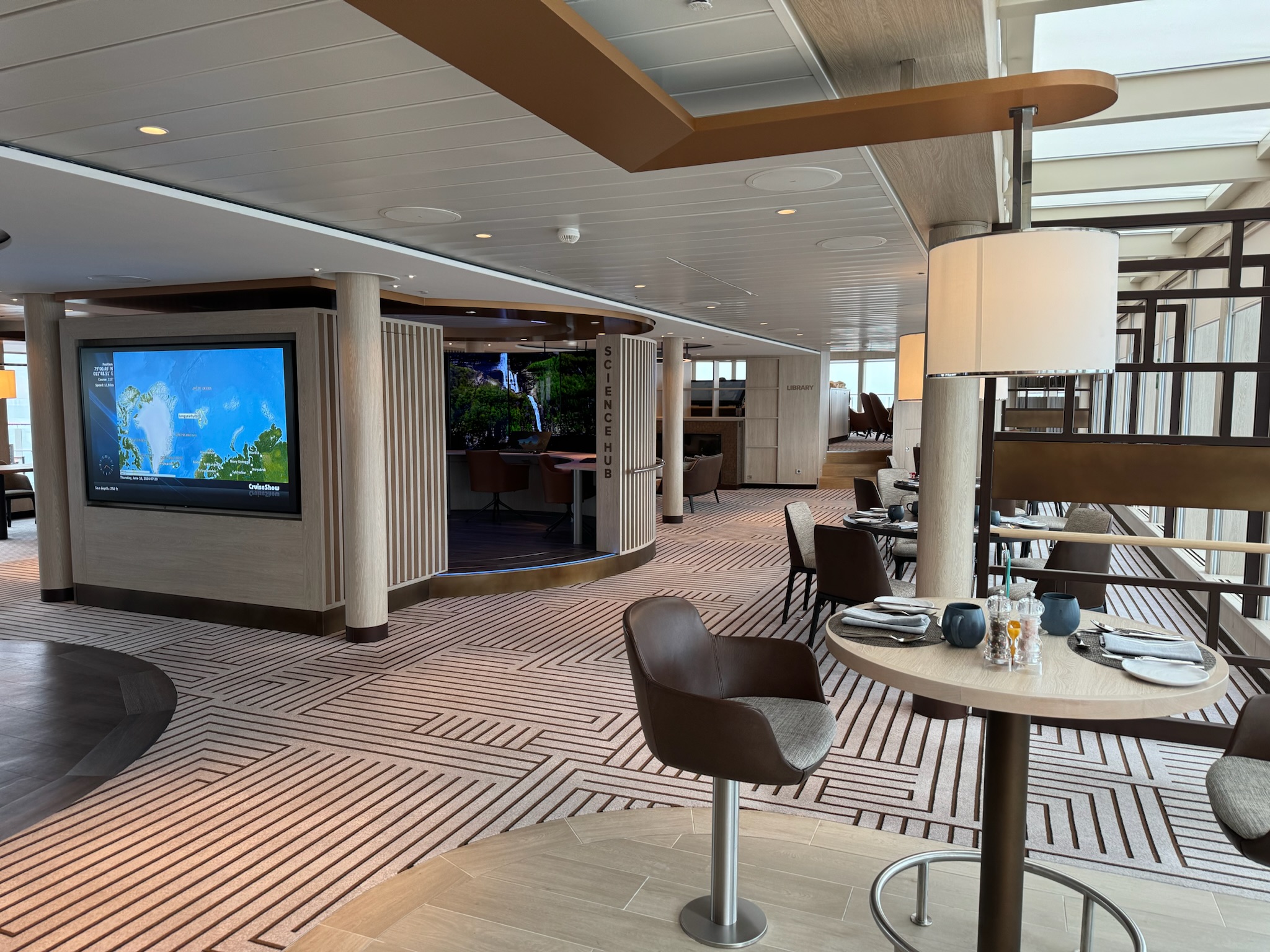
Inside the ship in one of the dining areas

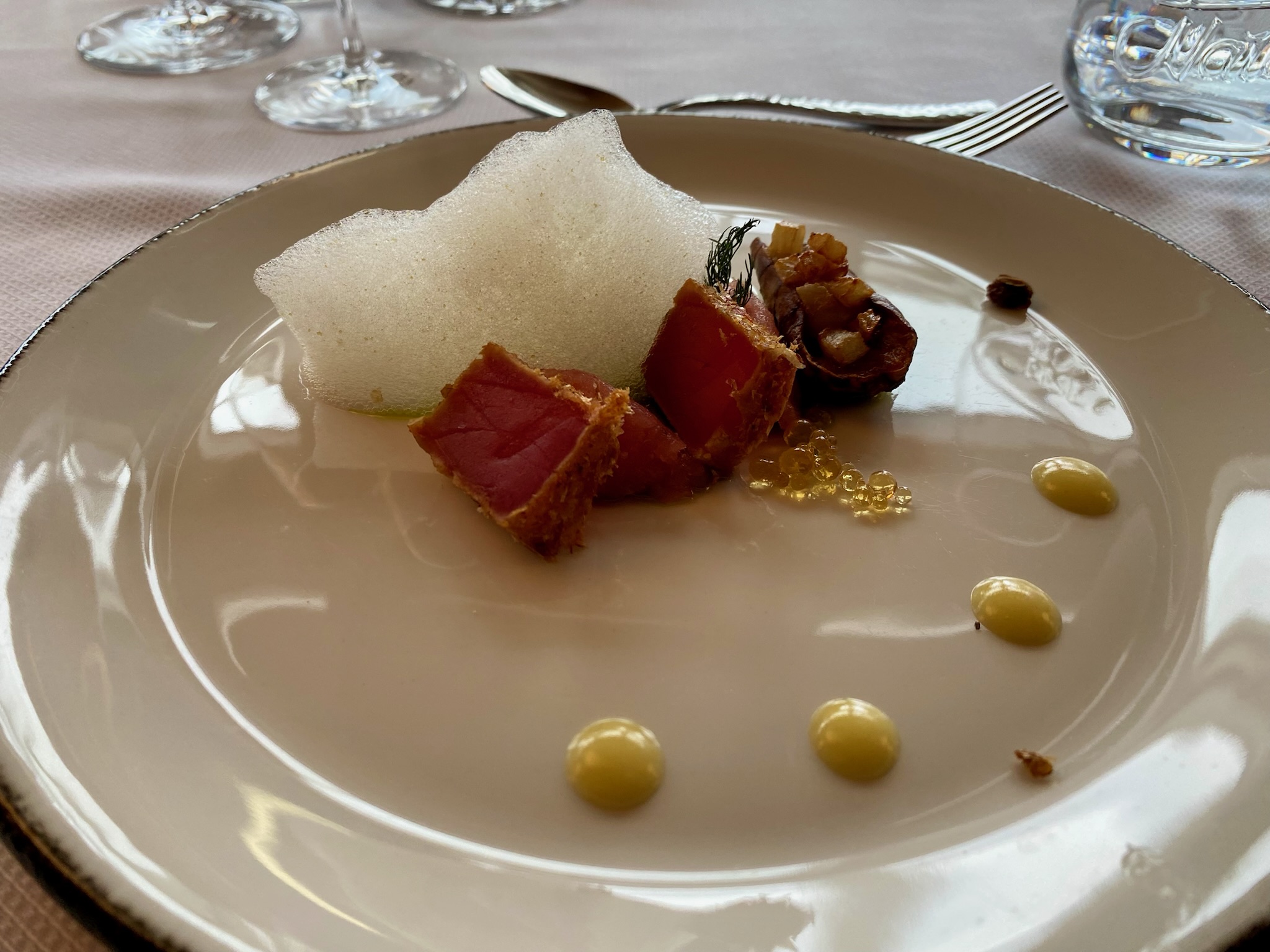
In the evenings, we had cocktail hours, a recap of the day, some great photographs of the day by the Nat Geo Photographers, trivia night, or a Polar Bear Party.  They even had a seven course meal with wine pairings that we attended with a small group.  The ship food and service were beyond our expectations!  We enjoyed our fellow travelers immensely who all had a sense of adventure and openness to learning.  

Fancy food at our seven course meal
Don’t think I’ll be making this back home!
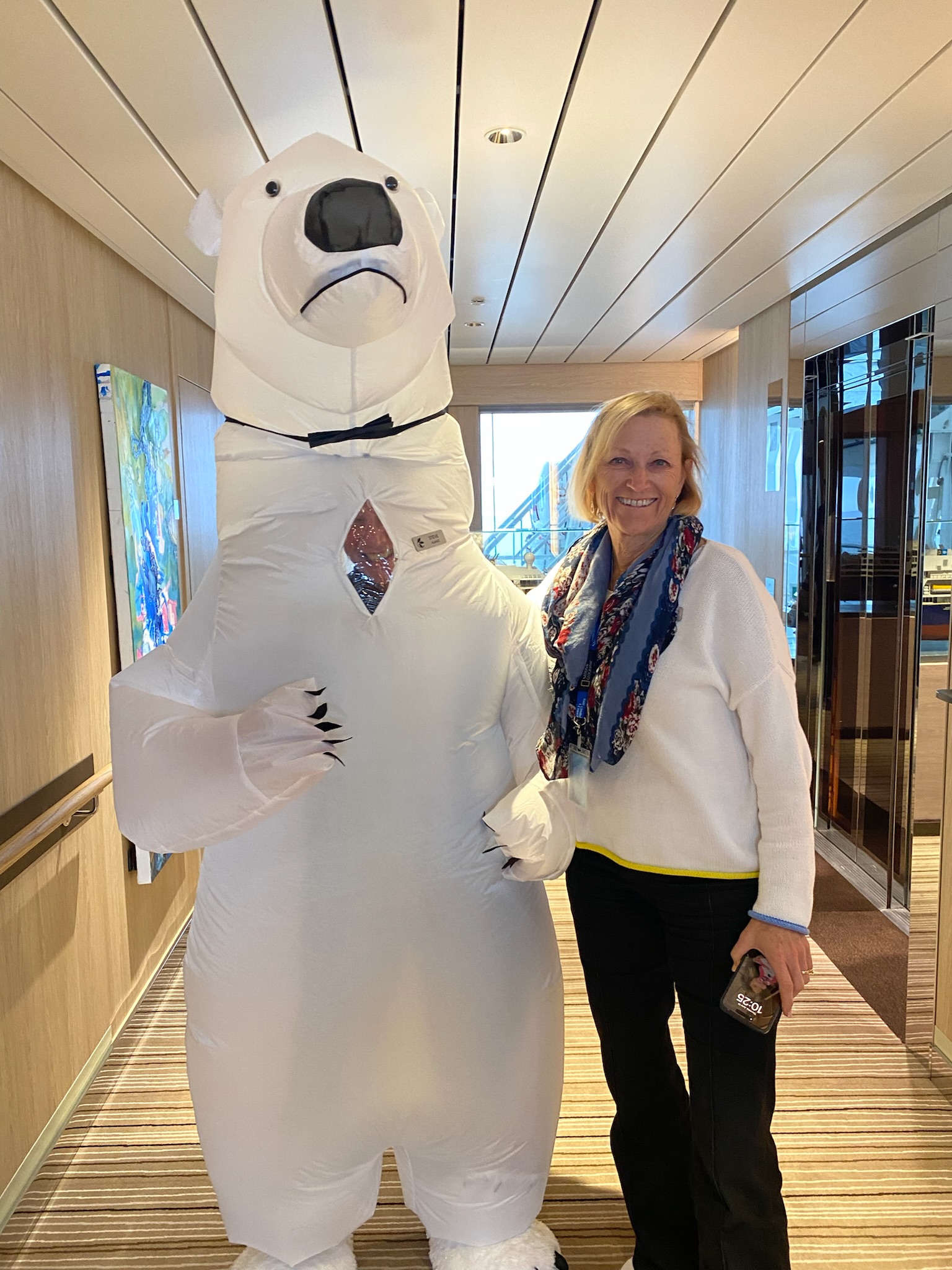
Fun at the Polar Bear Party

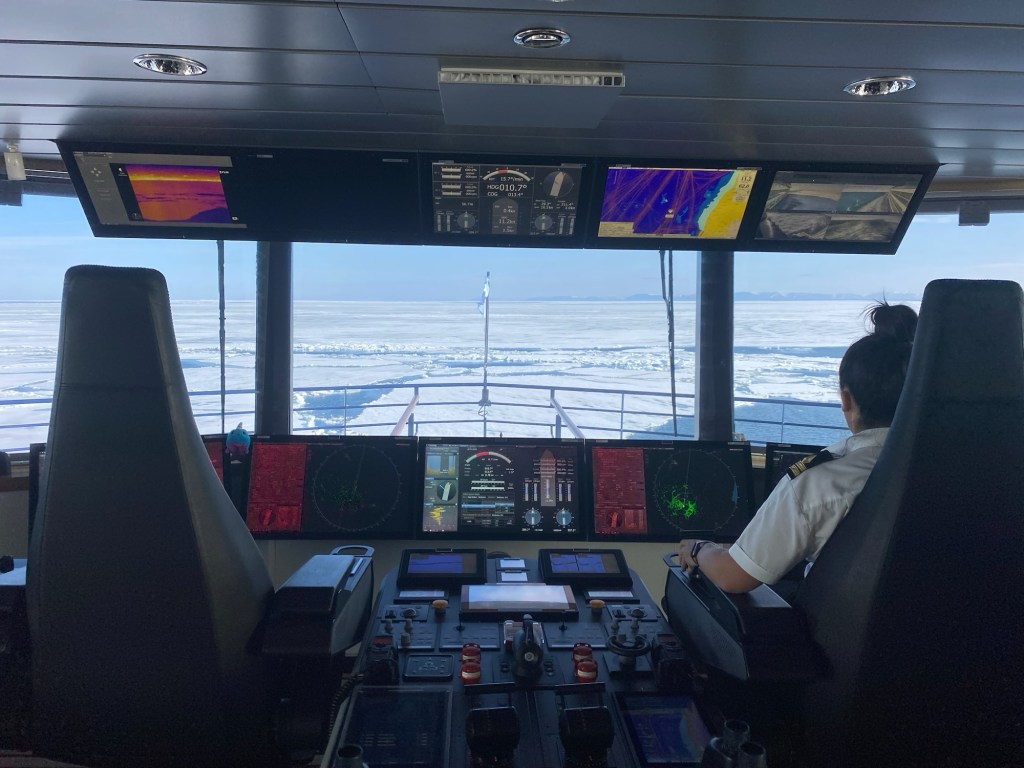
Excitement on the Bridge: When we weren’t dressing or undressing to go outside, Brad and I loved to hang out at the bridge.  The bridge was where the action happened and the Captain navigated the ship.  The fun days, of course, were when we spotted polar bears or were going through ice.  It was a fascinating place to experience ship life.  We traveled 1200 miles on our voyage and even made it to 80 degrees north.  Look it up. That’s very, very far north.

Our Captain showing us where we were when we hit 80 degrees North

Yes, A Bird Lecture can be Funny:   We loved the lectures and went to them all.  The naturalists on birds made every topic interesting and entertaining.  Who knew you could laugh so much at a bird lecture by Javier or learn all of the secrets of the iPhone camera with Bryan or see amazing underwater sea life by Annie?  Nat Geo. Ships use their platform to educate the public about all things wildlife but also on the serious issue of global warming.  Those lectures were very enlightening and sobering.

Our very intelligent, impassioned naturalists, guides, and photographers

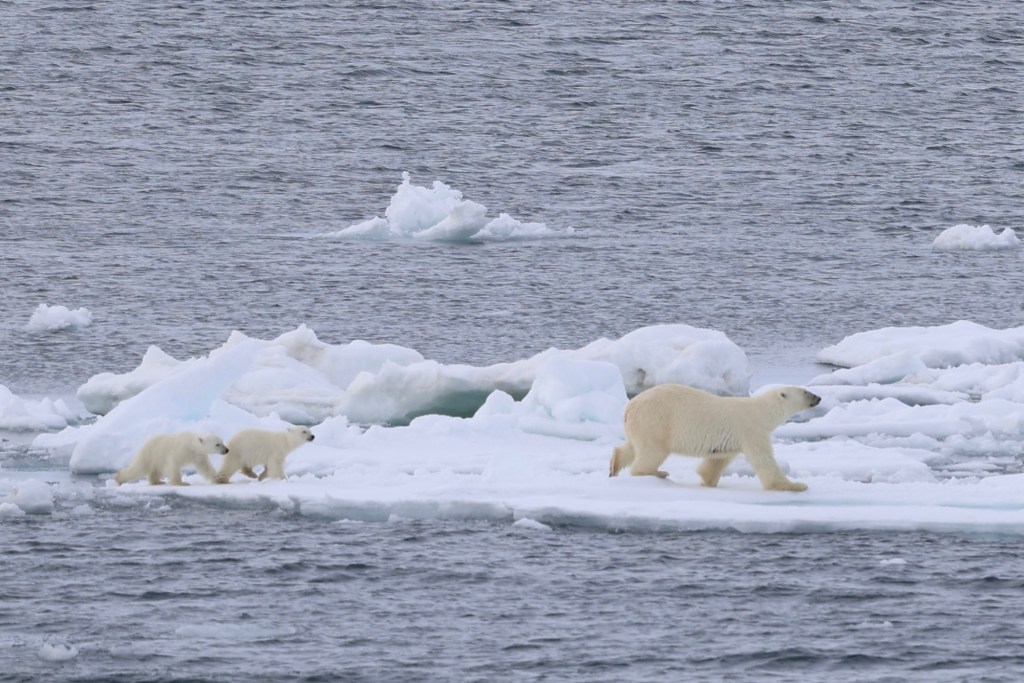
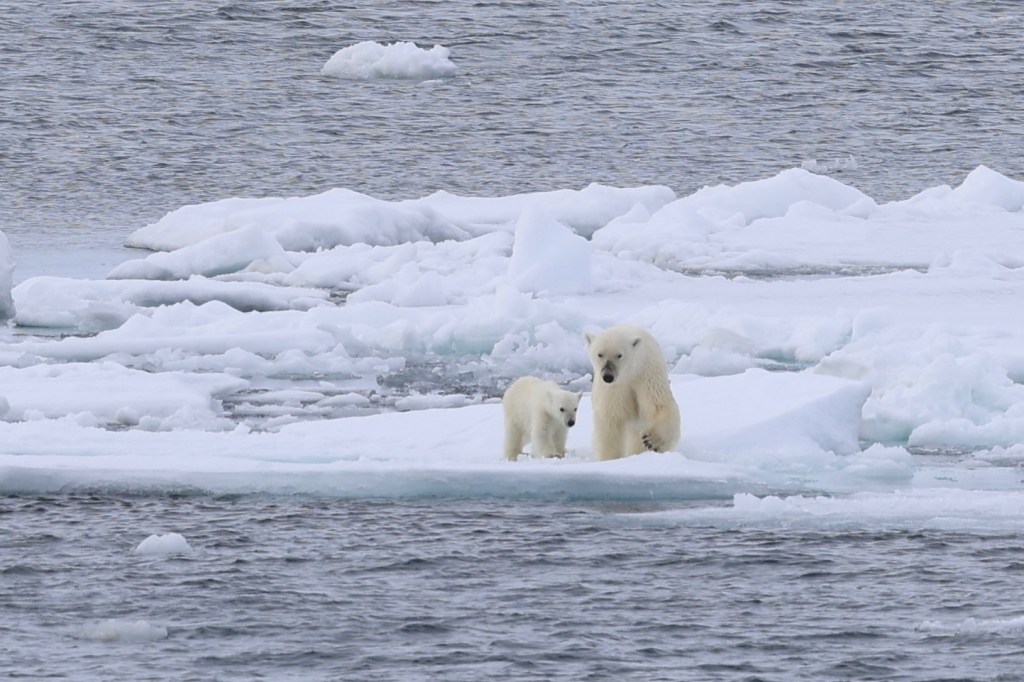
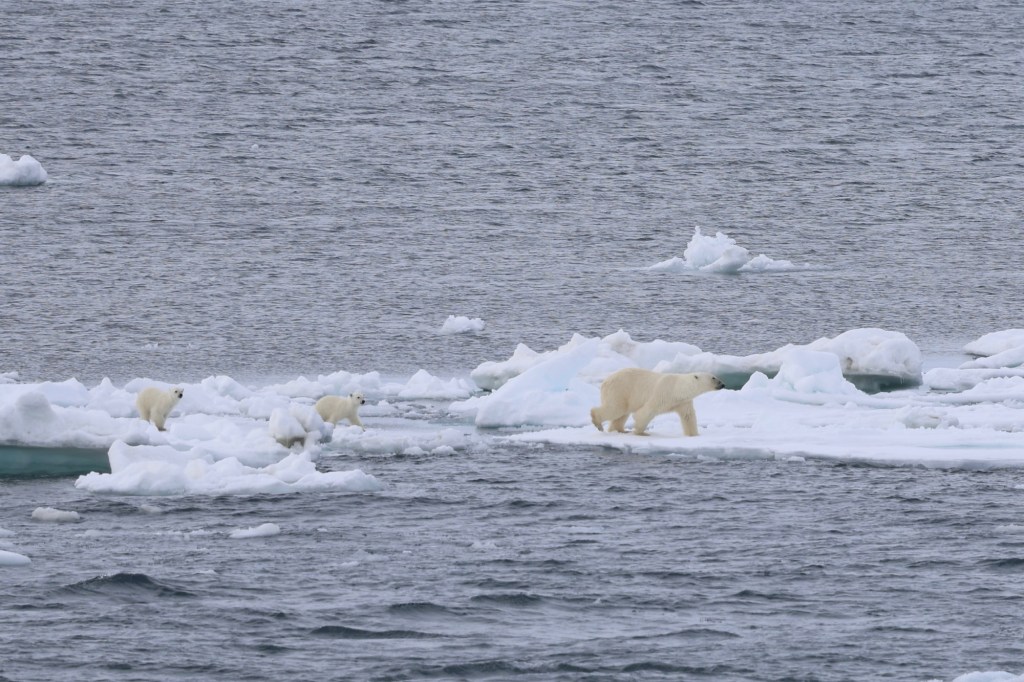
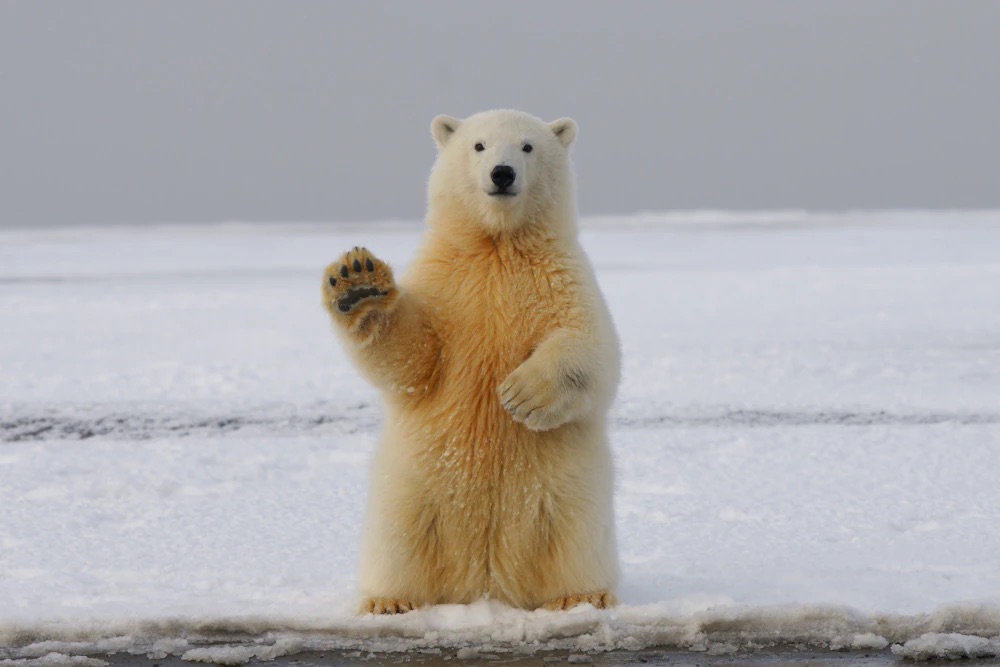
Polar Bears are getting more and more rare to find:  Polar Bears are not as easy to spot as we thought when we signed up for the trip.  Their numbers are decreasing annually due to melting icescapes and the ships are not allowed to get close to the fast ice.  We were very lucky to see that mama and her cubs. It doesn’t happen on every expedition.  Normally, they see a lot of “pixel” bears that you can only see through a strong binocular or very large camera lens.
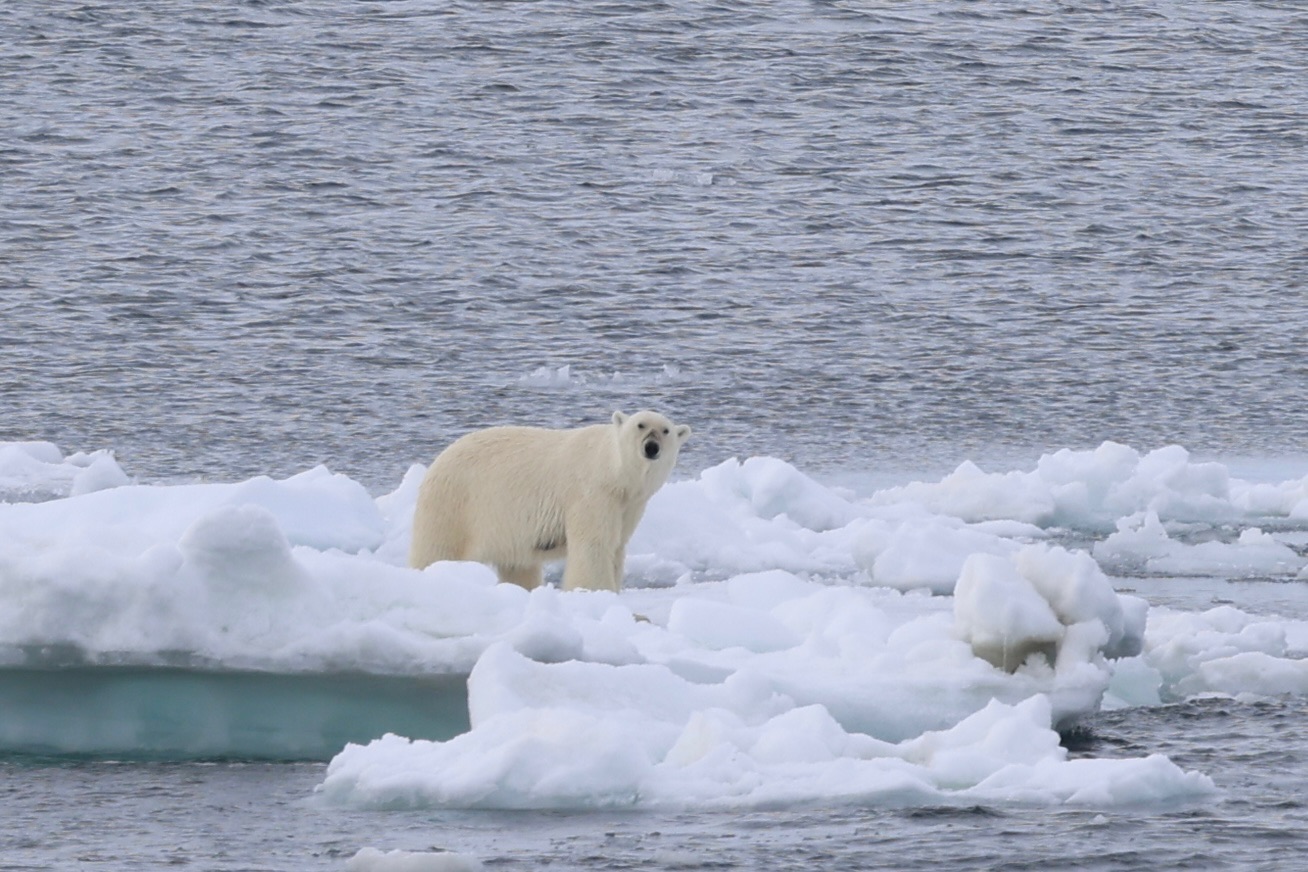
Polar Bears have now become a vulnerable species due to melting sea ice

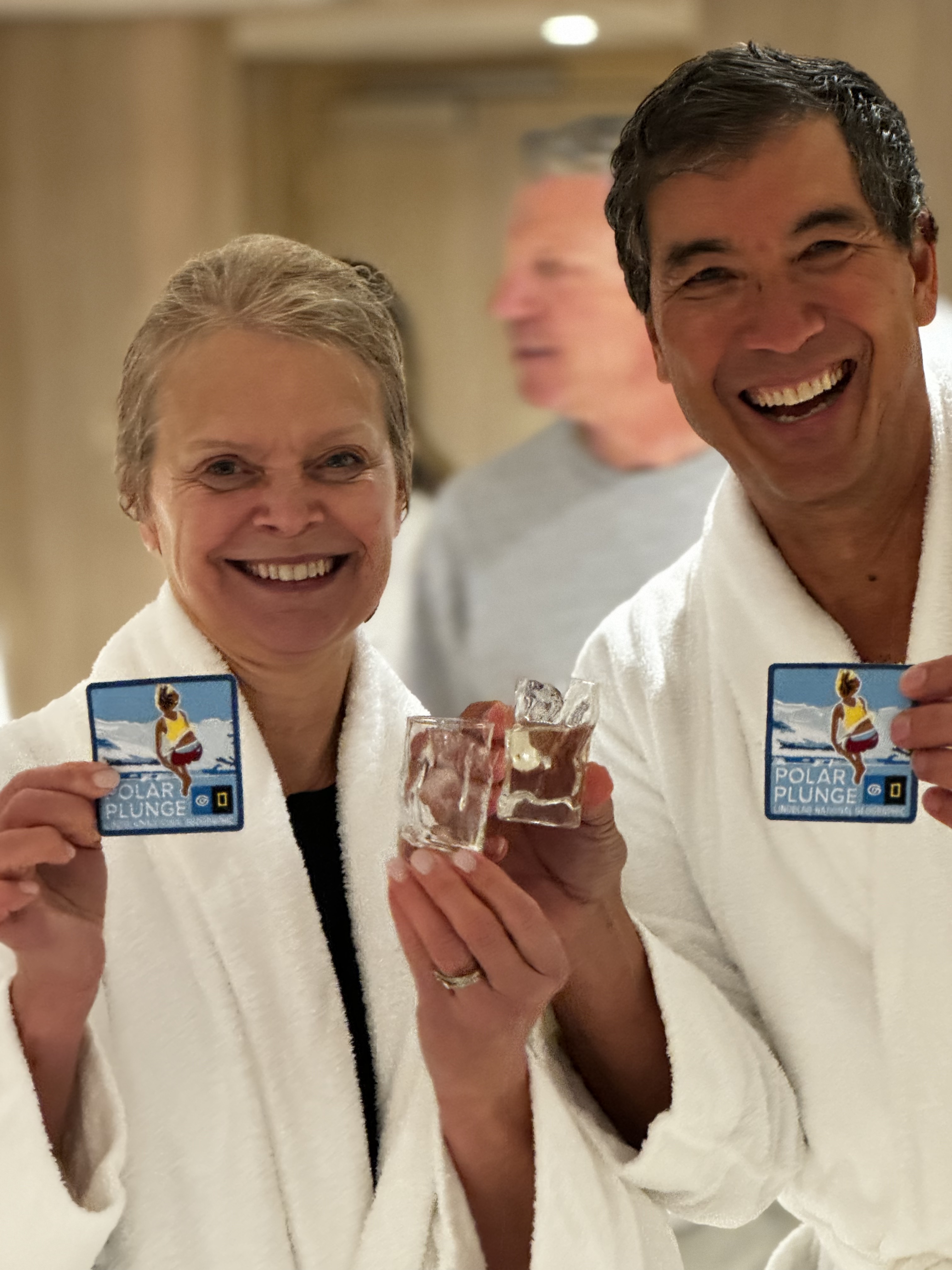
Polar Plunge:  One afternoon the brave and hearty in the group were invited to do a Polar Plunge in the frigid waters of the Arctic.  I think the water was about 31 degrees Fahrenheit.  Brad joyfully went down to take his turn while I happily went to the fifth deck to photograph him and cheer him on with the other sane people.  (Reference the part about 85 degree water in the first paragraph.)  There was lots of cheering and whooping-it-up and shot-taking with the Polar Plunge Party.  The patch Brad received was certainly warranted.
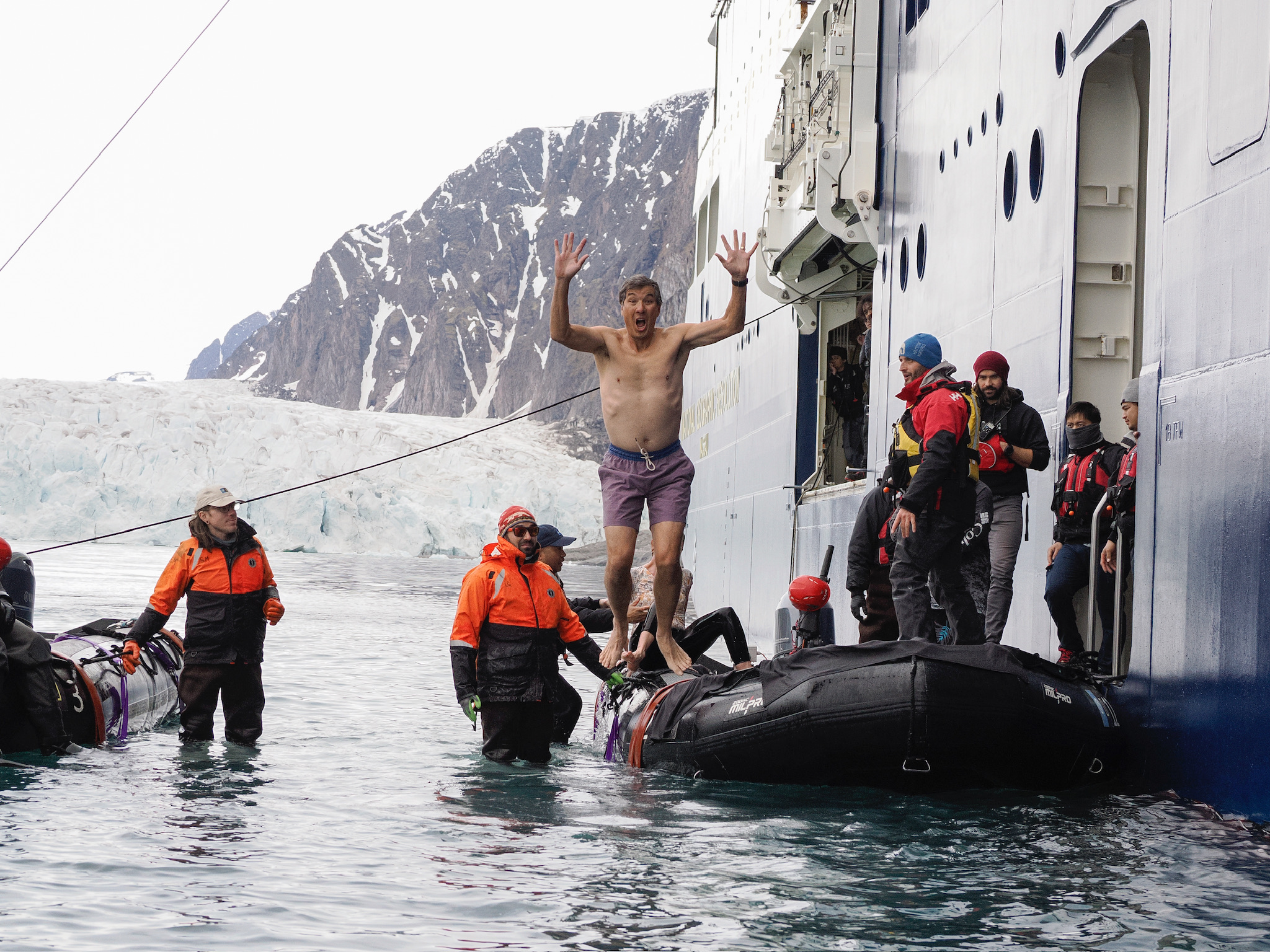
Brad jumping in to 31 degree weather
Brad celebrating with a fellow polar plunger!

Life Without a Sunrise or Sunset:  Never seeing a sunset or  sunrise really messes with your biorhythms.  The sun has not been setting since April 19 and will not set again until August 21.  Being out at 11:00 pm in a zodiac with bright light is something that is hard to get used to.  On the flip side, the  2700 residents who live  in Longyearbyen  year-round have complete darkness (and frigid temps) from Oct.19-to mid-February.  No sunlight  at all ever during that time.  Not sure how they do it but we met many young people who love living there and studying at the University Centre of Svalbard.
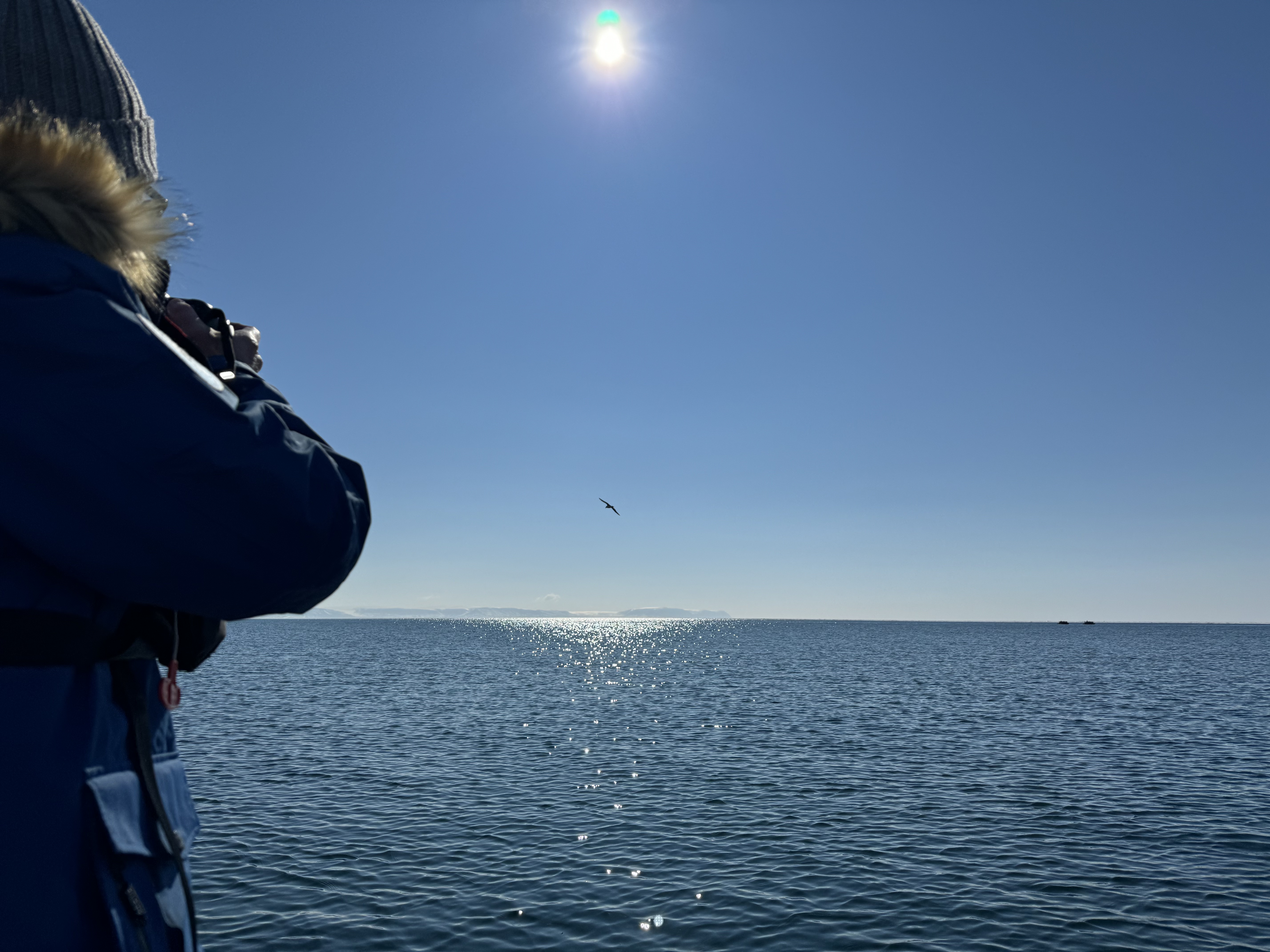
Land of the Midnight Sun

Go Now:  An Arctic Expedition may not be for everyone but if you are considering it, plan your trip now in 2024.  New regulations will take effect in 2025 that will make it even harder to get close to the polar bears.  The regulations will also only allow about 40 people on shore per operation to do hikes.  That regulation would have greatly impacted our ability to all get out on the islands as well as would have slowed down the trip dramatically.  Nat Geo ships are stewards of the environment but sadly not all ships are so careful and have been disturbing the polar bears and getting too close to them hence the new regulations.

Nat Geo Ships:  I can’t say enough good things about  Nat Geo Ships and am already looking at where we can go in a couple of years.  Their mission is to teach their passengers about the environment, wildlife, geology, photography, and, of course, global warming.  We came home a lot more educated and aware of the Arctic landscape.  The ship was luxurious in a very under-stated way.  There are no kaoroke bars or all-night buffets or limbo dancing!  There is simply fantastic service and really, really smart people on board.  (Big thanks to smiling Adrian, who always greeted me at cocktail hour with my glass of chardonnay!  It’s the little things).  There was no need for the Dramamine we brought or any of the motion sickness pills or patches.  The ride was smooth (except for the ice-breaking earthquakes) and we slept like babies every night as we were gently rocked to sleep.
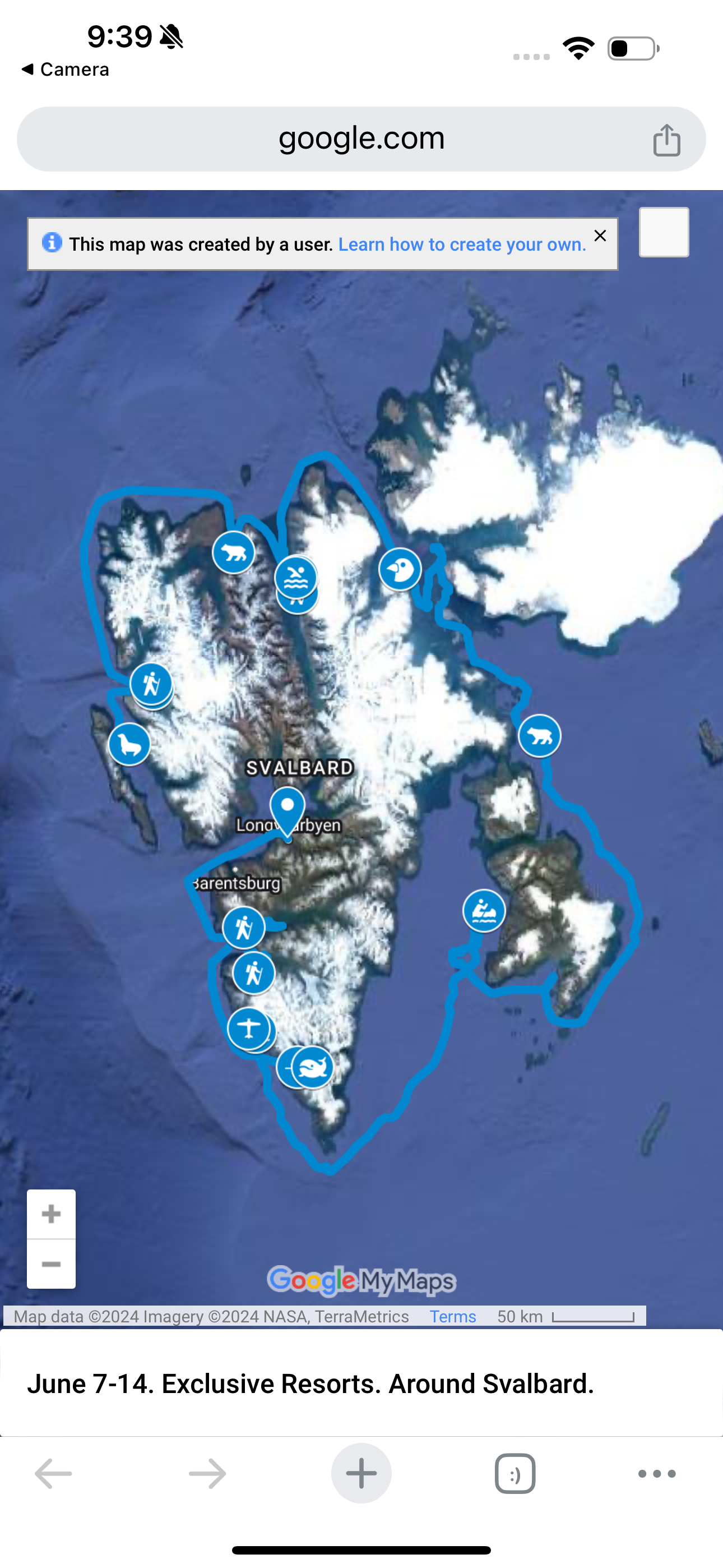
Our Seven Day Voyage

Home:  As the saying goes there is no place like home. We are looking forward to getting home to see the dogs and the grandkids and family but also I can’t wait to see a sunset and a sunrise again and feel the warmth of a summer day!  Life in the Far North was fascinating  and we will miss our fun, adventurous traveling companions but it’s time to celebrate summer back home!

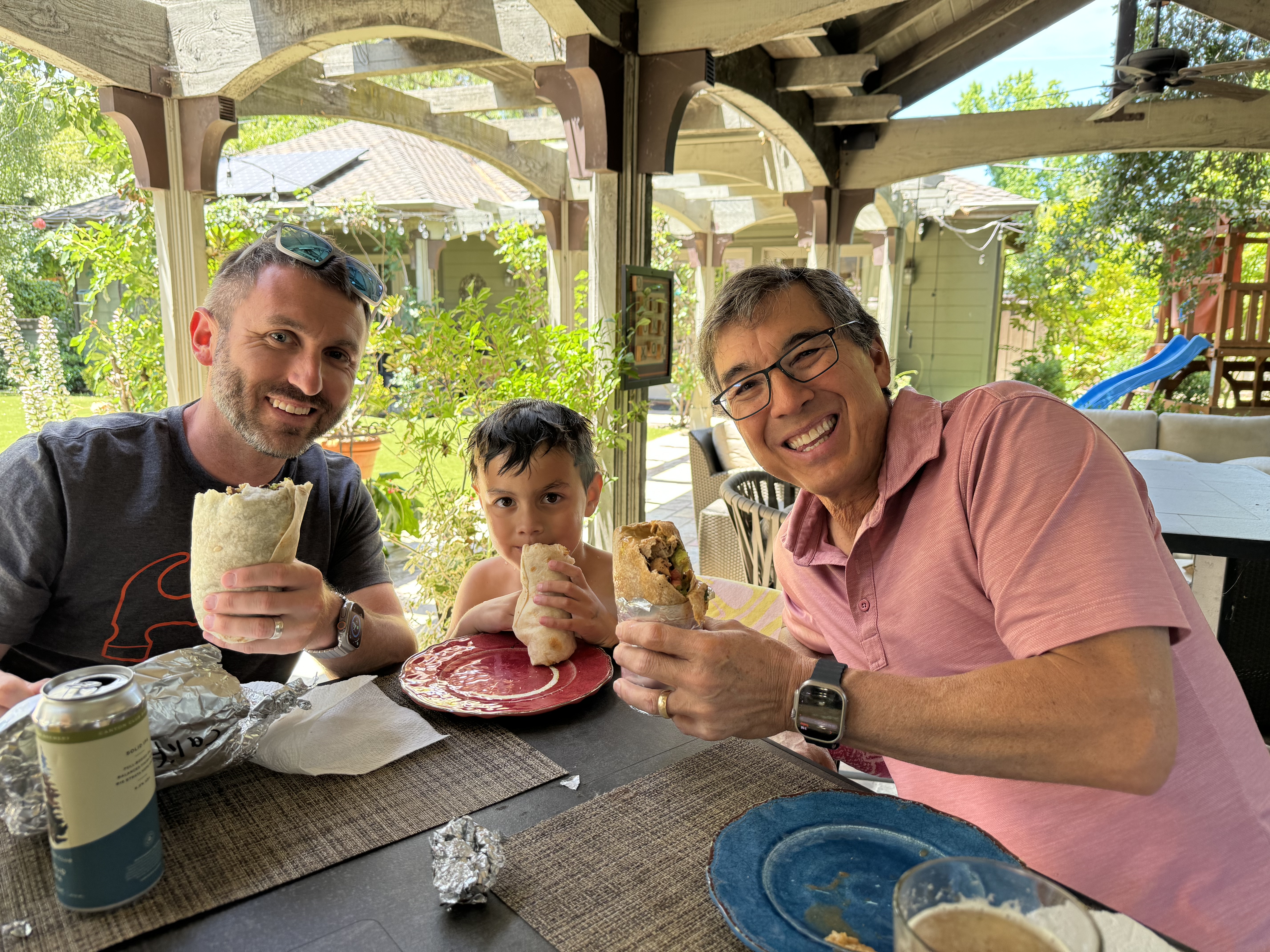
Made it home in time for Father’s Day!!
Categories: Arctic, Norway, Travel | Tags: , , , , , , , , , | 1 Comment

Apartment Living — Avian Style

We boarded our Zodiacs at 9pm in cold damp weather with a light snow falling. It’s really not about the weather, it’s what you wear. And, we were definitely bundled up.

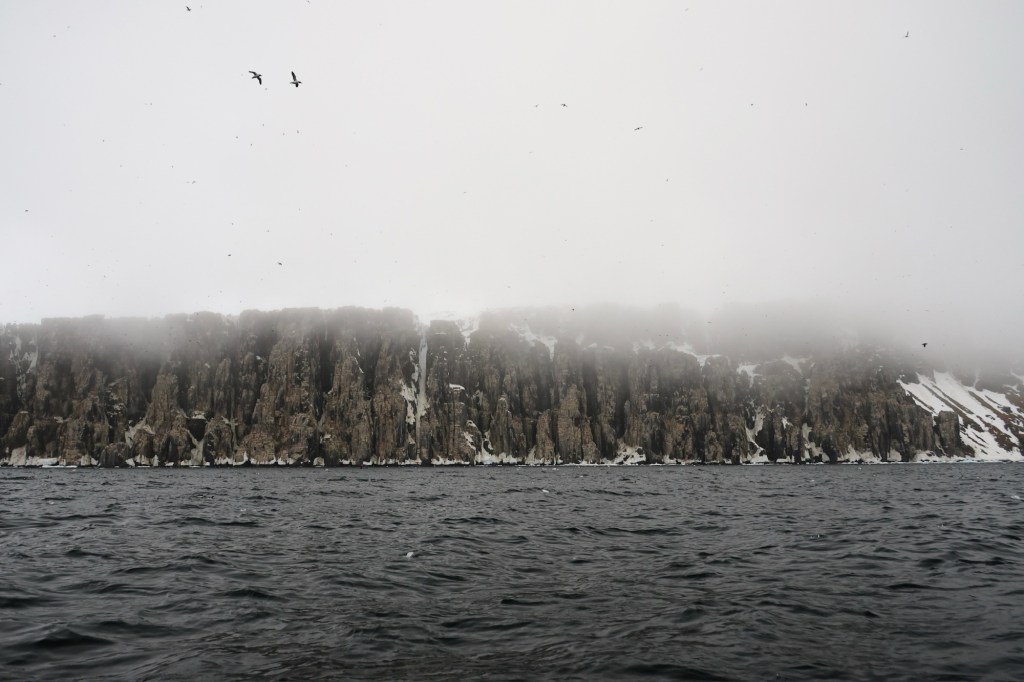
We started out toward a beautiful, massive cliffside called Alkefjellet (say that three times fast). The mountain rose straight out of the sea and had spectacular columns that rose over 300 feet into the low cloud cover above.

The Alkefjellet Cliffs
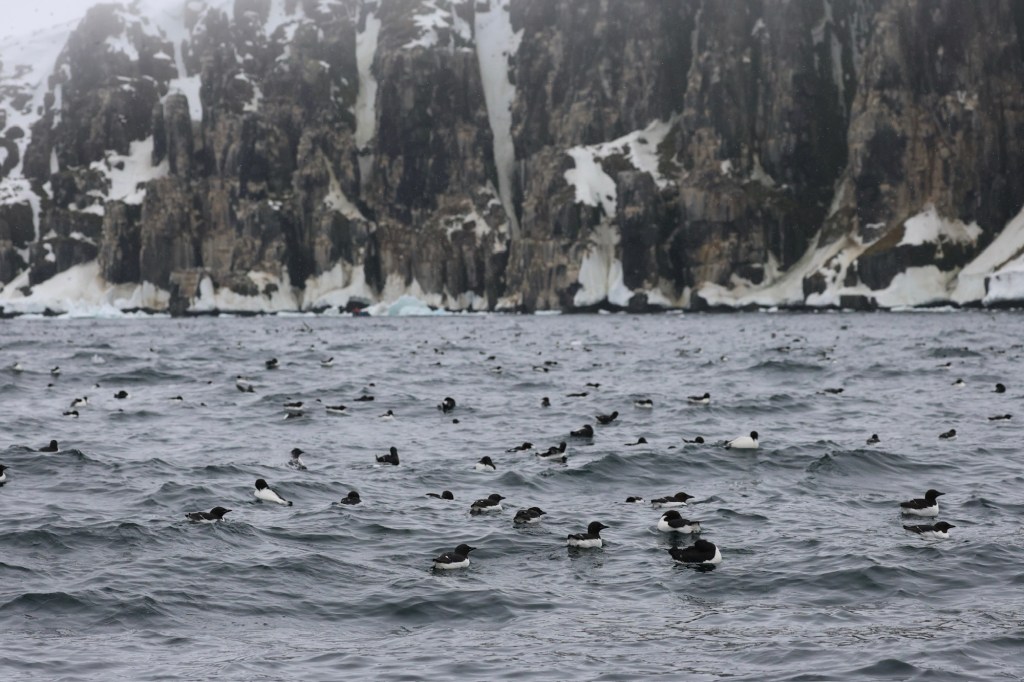
There were a number of guillemots on the water as we got closer to the cliffs.

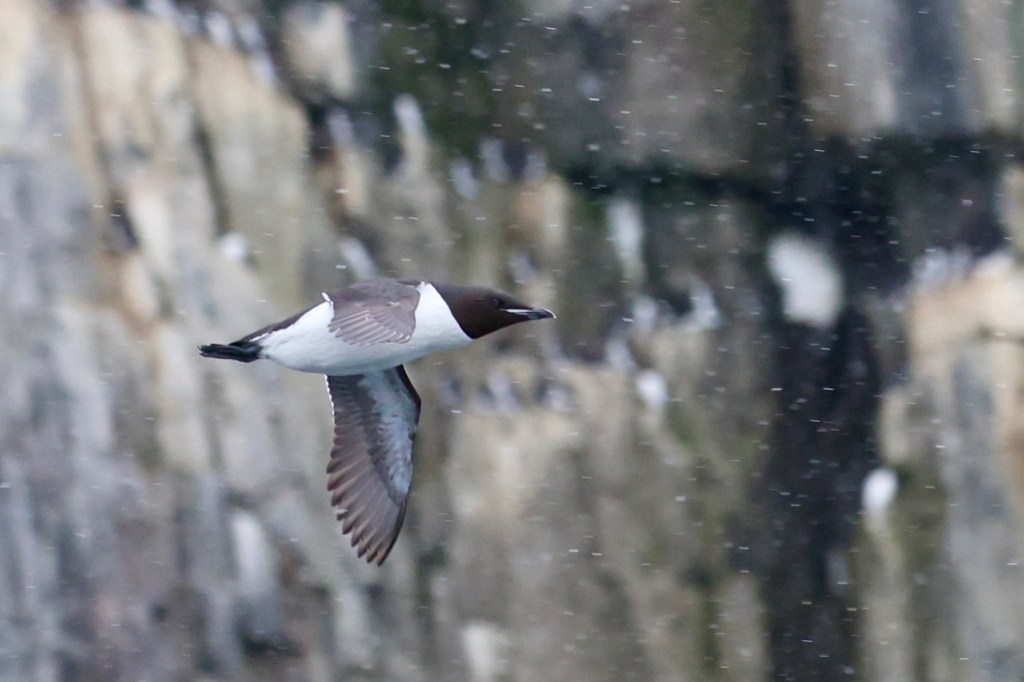
As we approached the cliffs we started noticing many birds in the water. Our birding expert told us they were called the common guillemot. We learned that Alkefjellet means Mount Guillemot. Creative name.

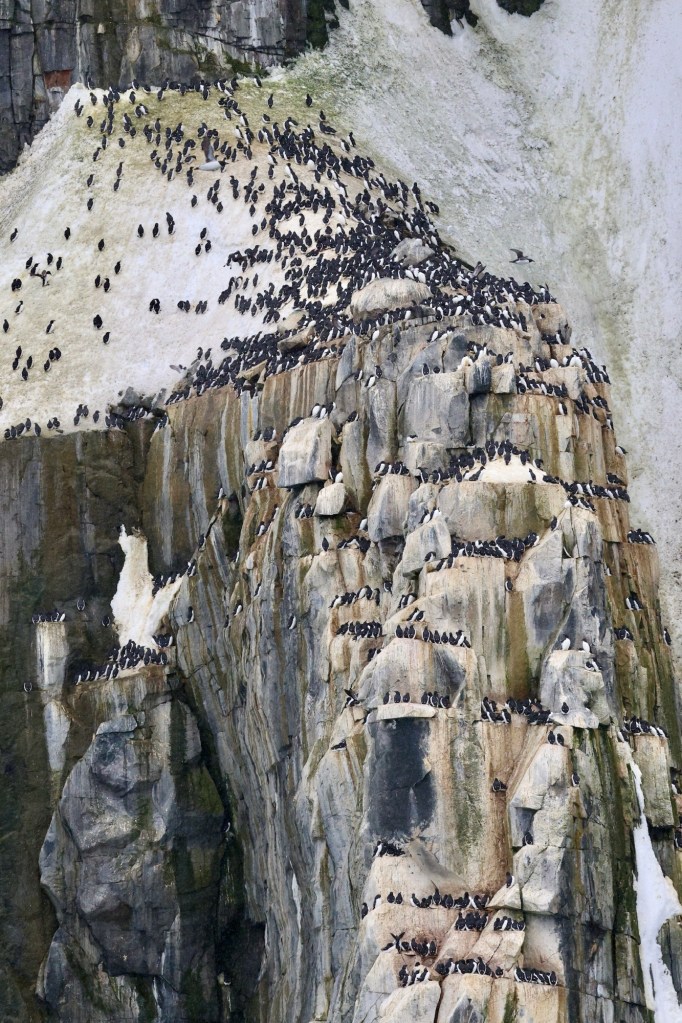
As we grew even closer to the cliffs it appeared as if the walls were moving. Soon it became clear that the cliff was covered with these black and white birds. I mean covered. Experts estimate that there are over 120,000 guillemots on the cliffs above. We didn’t count, but, after seeing the massive numbers across the full width of the cliffs, I would almost think that is a low number. Guillemots come back to this same spot every year to nest. Each couple has one egg. Once the chick is ready to leave the nest the birds head out to sea and don’t return until the following year. I wonder if they rent the place out to other birds while they’re gone.

Click on this photo and zoom in on it. There are thousands of birds on this small section of the cliffs.
A closer look.
It’s like they live on different floors of an apartment building. The penthouse looks a bit crowded, though.
I’m not sure how they nest in such close quarters.

One benefit of being with National Geographic photographers is that they teach you a lot about wildlife photography. I was having difficulty getting in-focus photos of birds in flight. Bryan, one of the photographers on our trip, gave me a few pointers:

I was particularly proud of this photo of a guillemot in flight. You can even see the light snow falling around it.

After about an hour we headed back to the ship. As we embarked they handed us a hot toddy with dark rum which put a nice finish on the enlightening excursion.

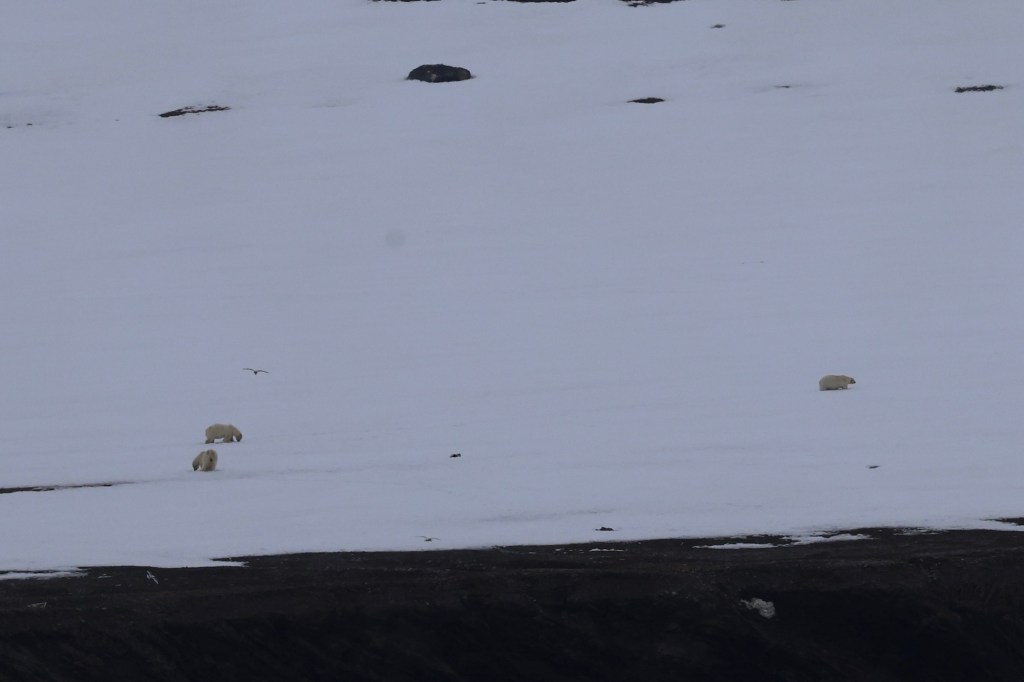
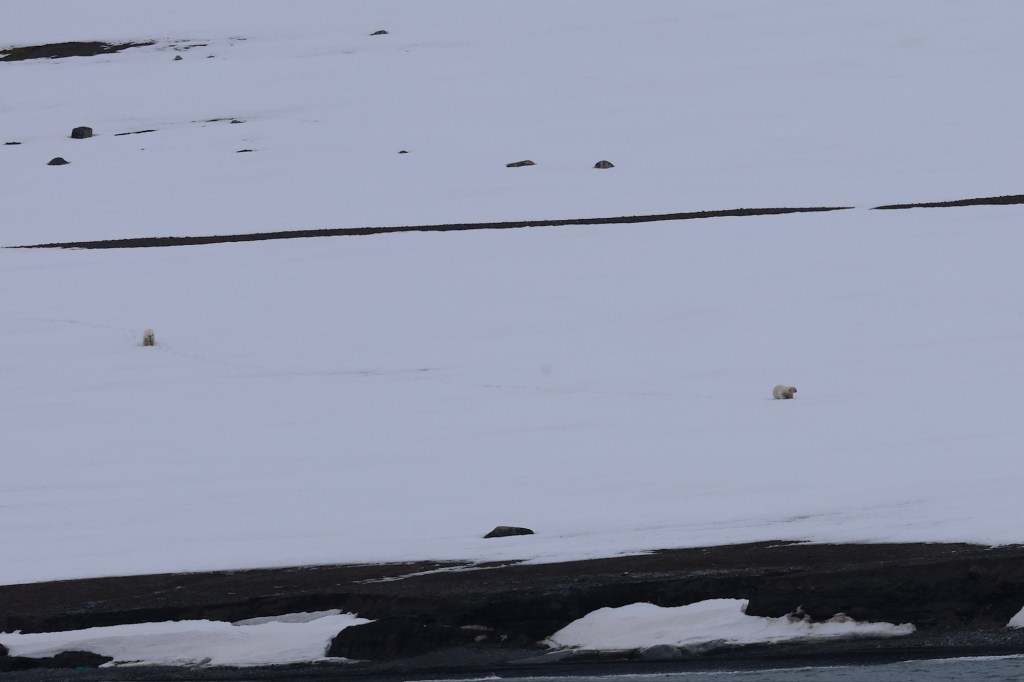
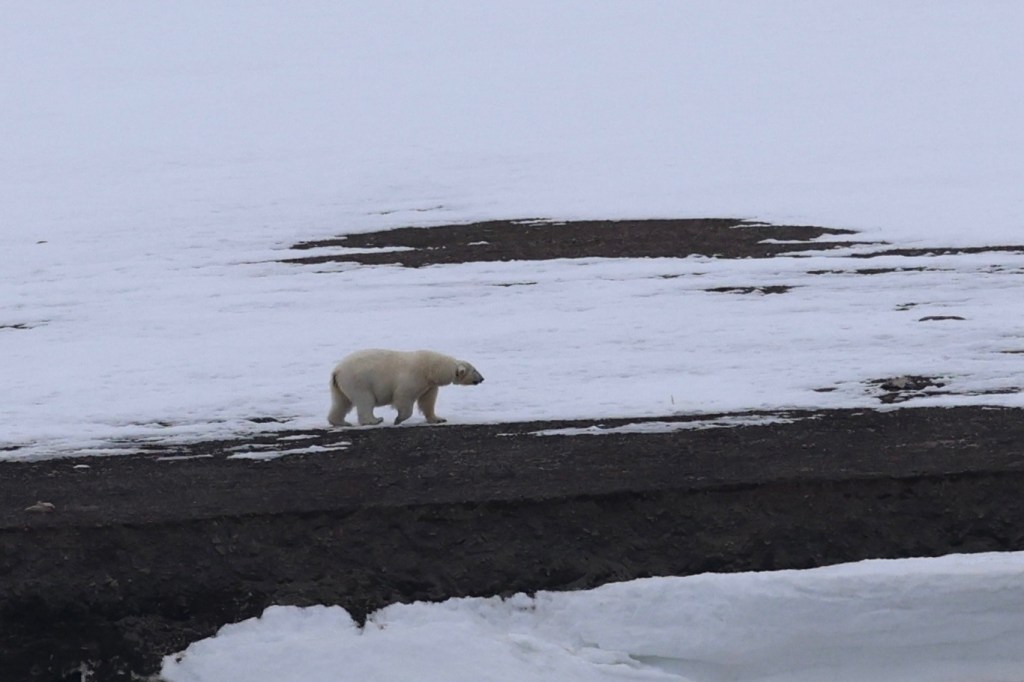
The expedition (we were told not to call it a cruise) went quickly and on our last day we saw more polar bears. Not as exciting as the momma and her new cubs. This was a mom with two two-year-old cubs. They were huge rather than cute. And, they really didn’t stay too close to mom. After a while, they laid down to sleep and she kept going. I think she was trying to ditch them. Two years is long enough!

Here are all three bears. Mom on the right. The kids on the left.
The young ones seemed to be ready to call it a night.
But, mom just kept on walking along the shore. Before long she was out of sight. I wonder if the kids ever caught back up with her.

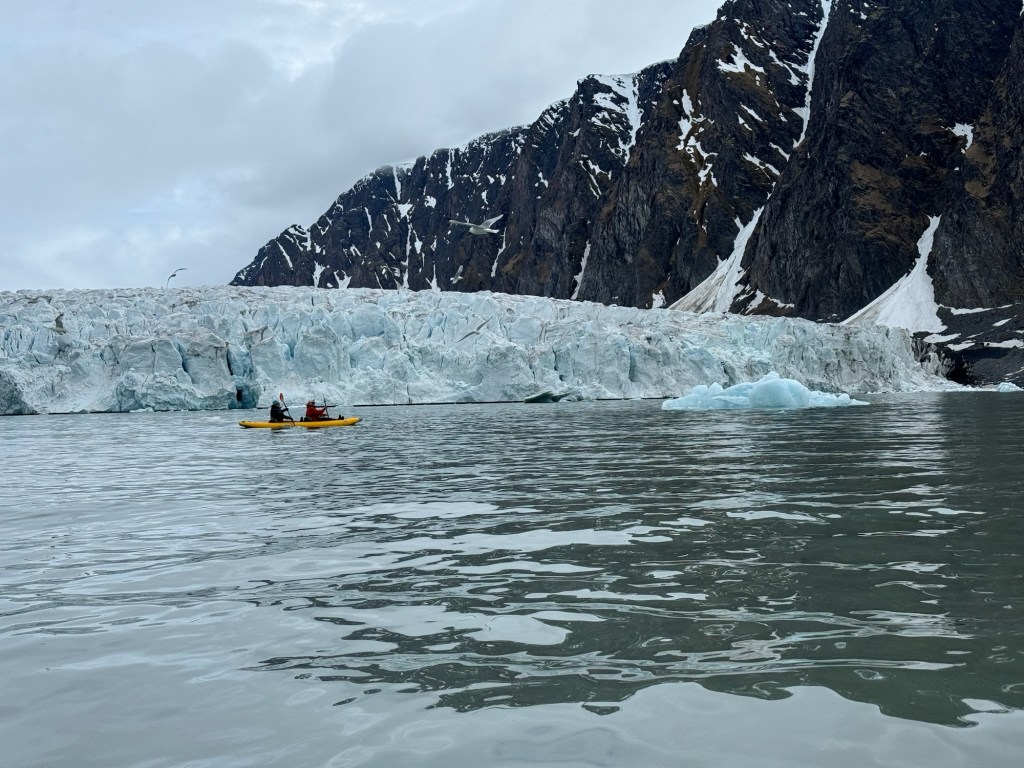
Finally, Lisa and I had a chance to kayak out to a beautiful glacier. We were warned not to get too close to the glacier or surrounding ice as the glacier could calve (big pieces falling off) and the mini-icebergs could flip over causing it to fall on us. Since neither option sounded good to us, we kept our distance.

Heading out in our kayak!
The glacier (I think that couple might be too close!)
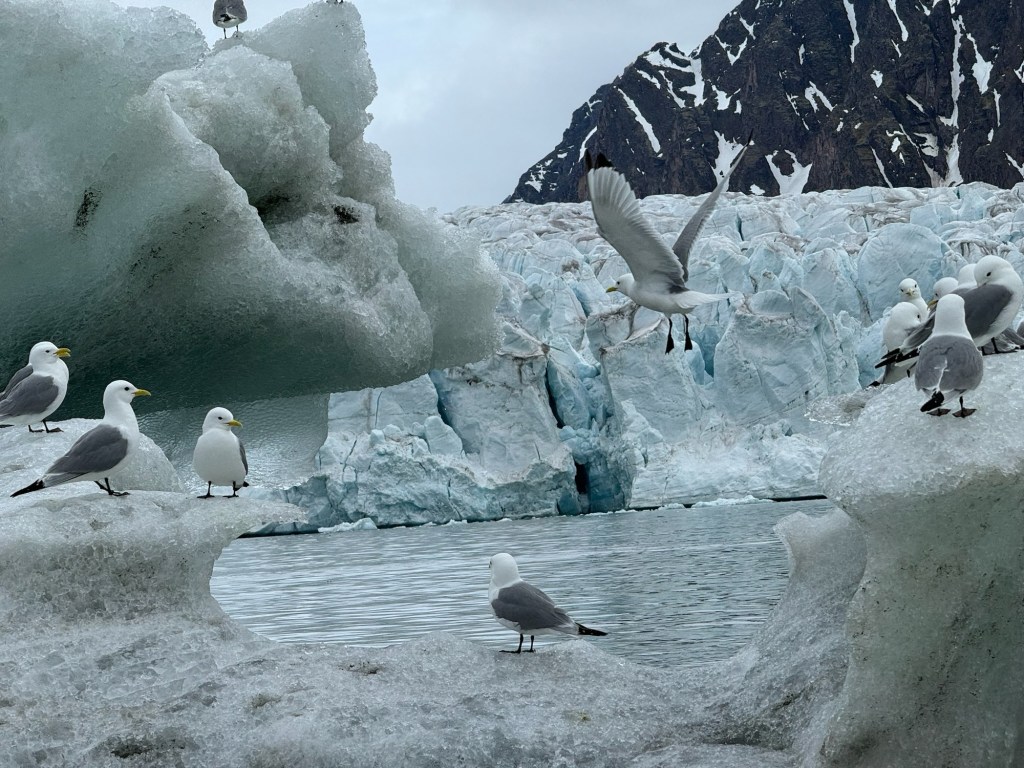
One of the icebergs with kittiwakes on it.
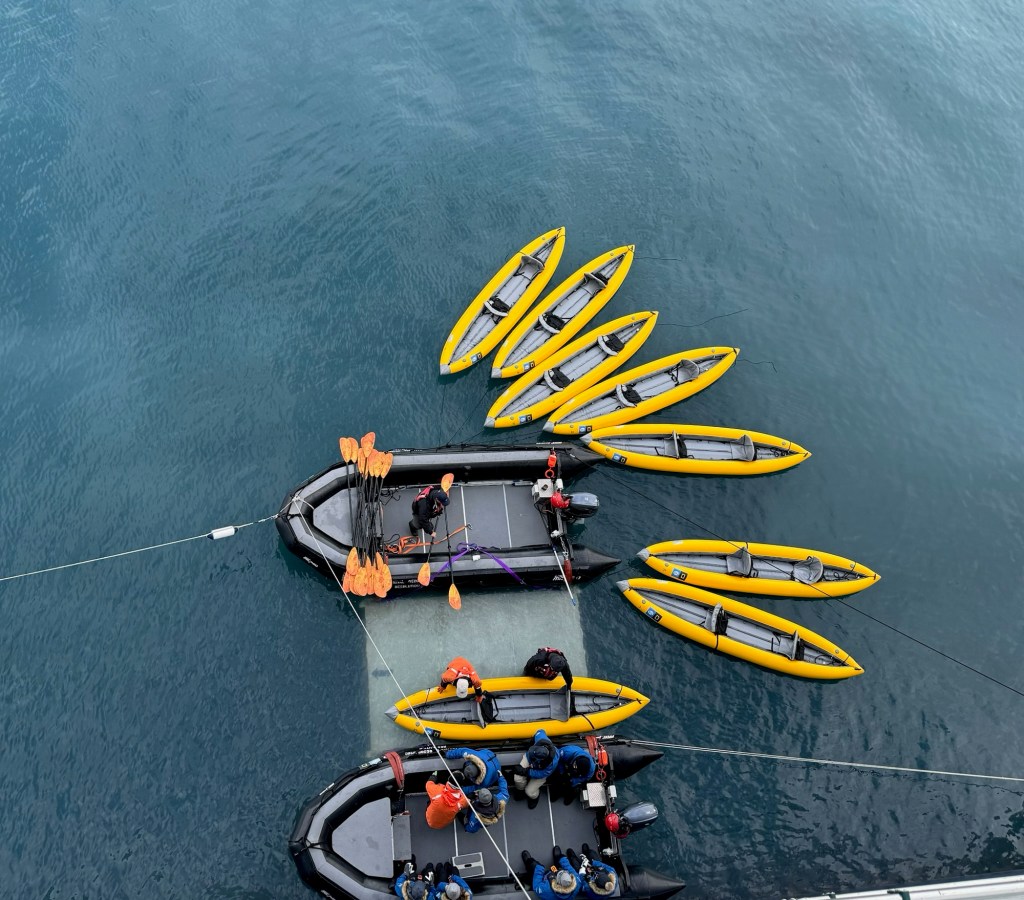
The kayaks lined up outside the ship.

We’re now sitting in our hotel after disembarking the ship and flying to Oslo. We head home tomorrow. It has been an amazing experience. We learned so much and got an appreciation for the environment, the wildlife, and the history of this remote part of the world. On our second to last day we crossed over the 80th parallel. We will likely never be this far north again. But, we will never forget our time here.

Stay tuned for Lisa’s wrap-up of our visit to the Arctic.

Categories: Arctic, Norway, Scandinavia, Travel | Tags: , , , , , , | Leave a comment

Finally — Polar Bears!

“Gooooood morning, good morning”

It was supposed to be a late start to the morning. Lisa and I had gotten up a bit early because the ship had reentered the ice and it shook us awake. As we headed out to find breakfast we decided to grab our cameras and binoculars — just in case.

That was when we heard the familiar “good morning” announcement from the expedition director. He was earlier than usual. “We have spotted polar bears on the port side of the ship. Go to the outside decks. But, keep quiet so as not to scare them off.”

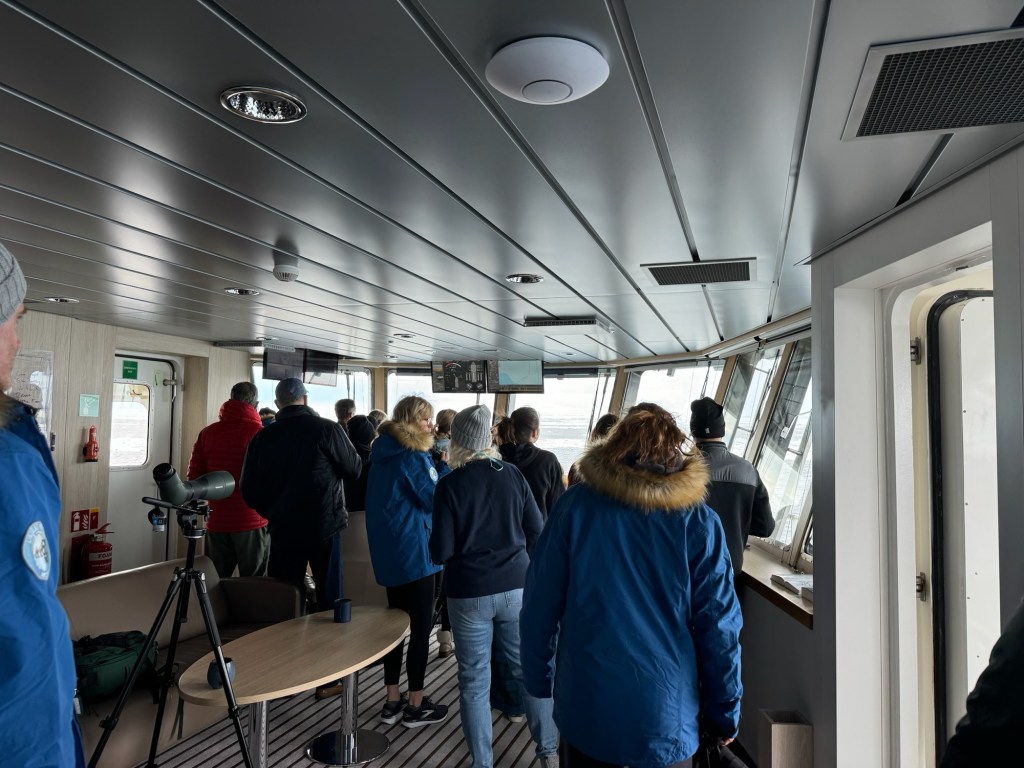
“Let’s go to the bridge,” Lisa suggested. So, we headed up one floor to the 7th deck. It was buzzing with excitement.

Many of us hurried to the bridge.

The crew had been searching for bears using their infrared cameras, telescopes, high mag cameras, and binoculars. They weren’t spotting anything. Then they got a call from the ship’s sous chef. He had gone out to one of the balconies for a break. He saw something on the ice. It was polar bears! While the high-tech-laden crew was looking right, he was looking left. Thank goodness he needed a break from preparing our lunch!

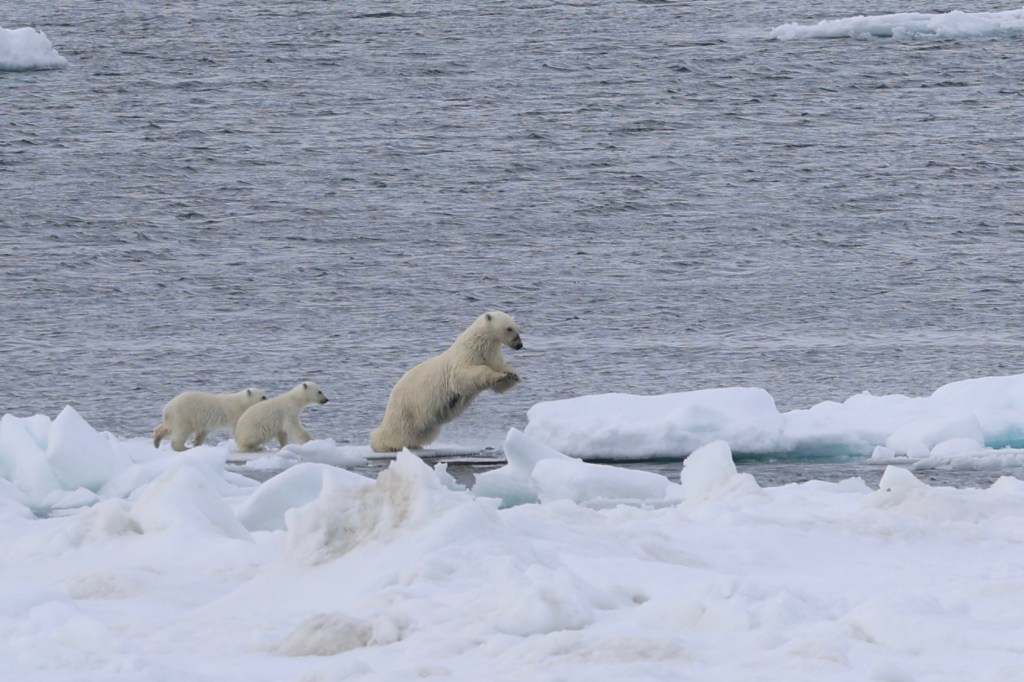
Suddenly, the morning was filled with oooohs, aaahs, and clicking cameras. It was a mama bear with her two cubs crossing the ice floes.

The mama polar bear being trailed by her two cubs.

Polar bears are considered to be marine mammals (I thought that designation belonged only to whale and seals). This is because they spend most of their time in the water or on the ice and are dependent on the ocean for their livelihood.

While the polar bears appears white, if you shaved it, you would see it has black skin — and it would be pretty angry at you for shaving it. If you look closely at their nose area where their fur is thin, you can see that it is black. They weigh between 650 and 1750 pounds with the males being on the heavier end.

Polar bears are the apex predator of the arctic (shoutout to our 4-year old grandson Noa who loves apex predators). They primarily hunt seals, particularly the ringed seal. But, they will eat other mammals like walruses, beluga whales, or even reindeer. Their sense of smell is acute. They can small a seal in its 3-foot-deep den in the snow from over a mile away. They primarily hunt on sea ice high is why the disappearance of the ice is such a threat to polar bears. This is why they are called a vulnerable species.

Polar bears are quite dangerous to humans as well. Every time we go ashore, a scout crew goes first to ensure none are in the area. Then they carry guns for protection, just in case. We are instructed to stay with our guides for safety purposes, and because no one ants to have to shoot a bear.

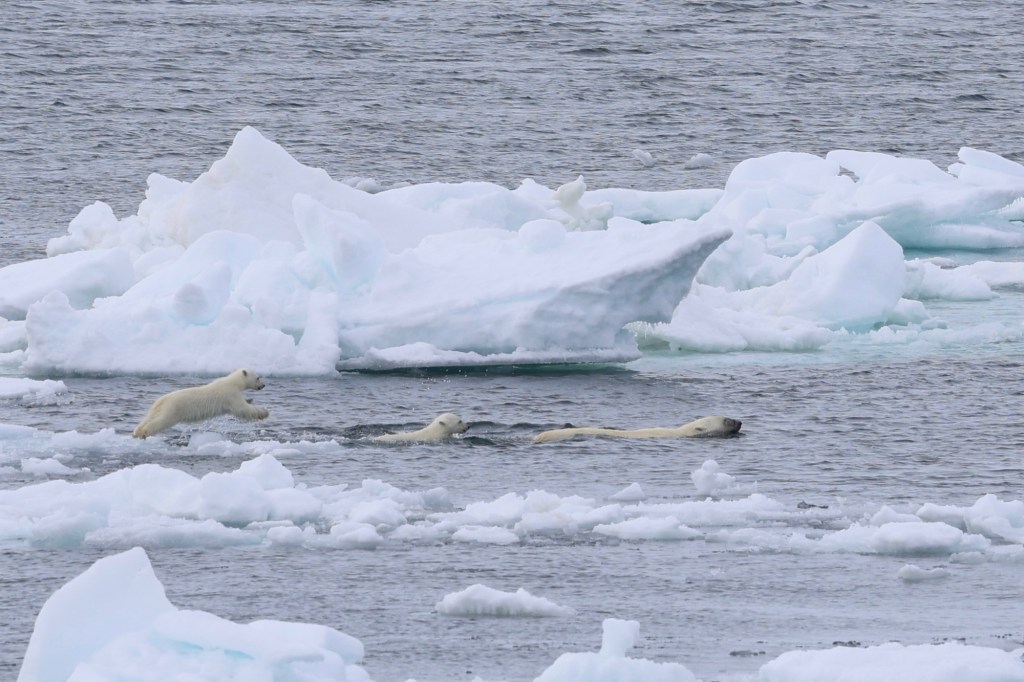
As we watched the bears trod along the ice, they would hop in the water to swim to the next ice floe. They were constantly on the move. We followed them for quite a while.

A shipmate took video through one of the telescopes on the bridge.
Swimming to the next ice floe. The little one at the end always seemed to lag behind.
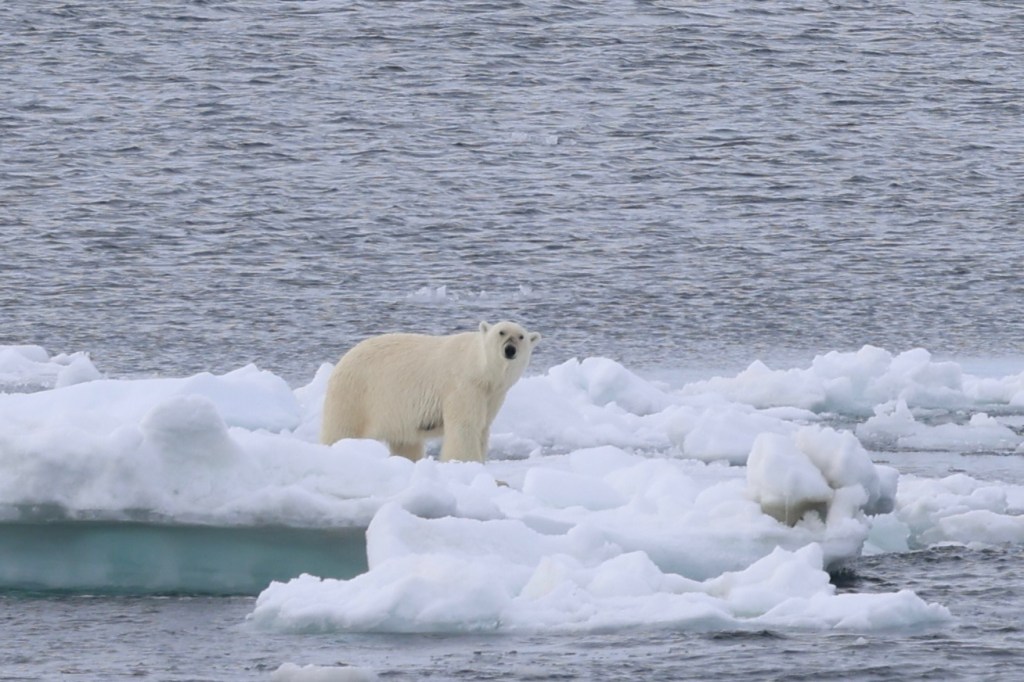
Mamá taking a look at us.
Take a look at mamas paw. They’re huge. Good for both hunting and swimming.
Mom expected the babies to keep up.
Hopping onto the next ice floe.

As we sailed away from the bears we felt in awe of nature and the beauty of these creatures. That evening we celebrated our good fortune with a polar bear party. And, we toasted to the continued good health of these magnificent animals.

Categories: Arctic, Norway, Travel | Tags: , , , , | 1 Comment

Plowing Through the Ice in Search of the Elusive Polar Bear

Lisa and I were awakened in the morning to a 4.0 magnitude earthquake. At least that’s how it felt. We looked outside and we were surrounded by sea ice.

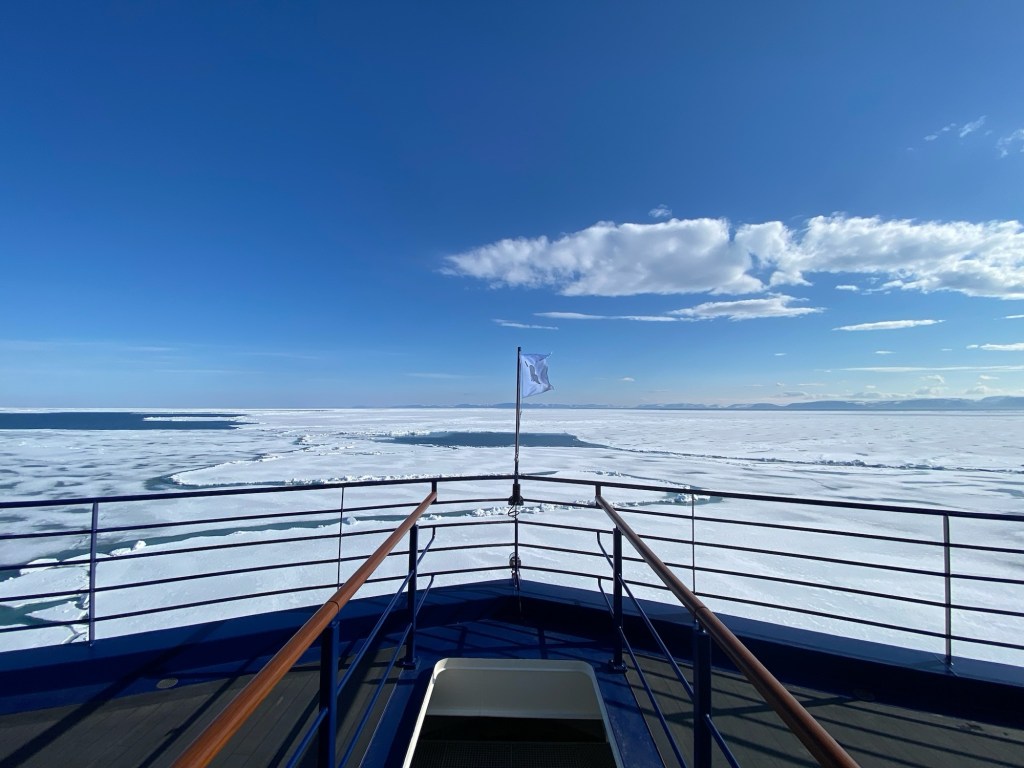
The National Geographic Resolution is the world’s first Polar Class 5 icebreaker cruise ship. This means it can go places in arctic waters that virtually no other cruise ship would attempt. Today was a day we did just that. As we came around to the east side of the Spitsbergen the sea was iced over throughout much of the route. The ship vibrates like an earthquake as it plows through the frozen ocean.

Plowing through sea ice as seen from the bow of the ship.

The bridge of the ship is always open to passengers (one of the unique opportunities for passengers on the Resolution). So, Lisa and I thought we’d better head up there to see what was going on.

We arrived to find a flurry of activity. The navigation officer was driving. She had the biggest smile on her face as she guided the Resolution through the ice. Apparently it is one of the most fun aspects of piloting a ship. And an experience not available to most cruise ship officers.

The view from the bridge.
Our Navigation Officer was having a blast piloting the ship through the ice.

Watching the ship carve though the ice is mesmerizing. Take a look at this short video. Make sure the sound is up on your device.

Breaking through the ice.

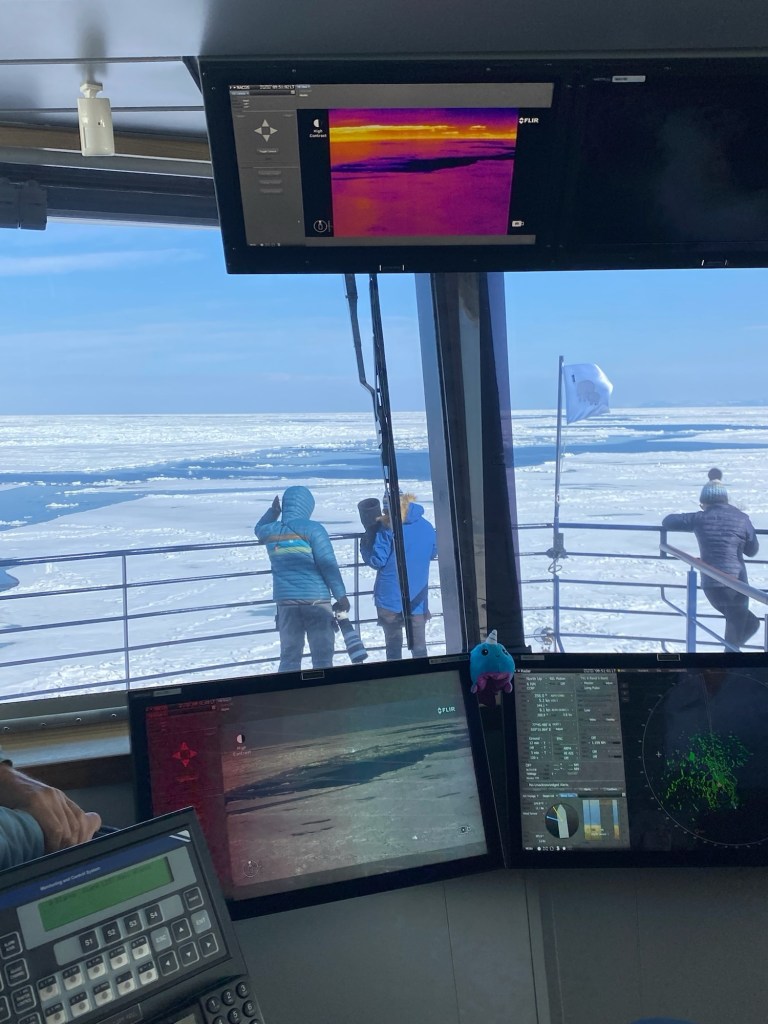
The crew told us we were plowing through ice in search of polar bears. They largely spend their time on sea ice in search of seals, their favorite food. The ship has extraordinary technology to search for wildlife. The bridge has both infrared cameras and telephoto cameras to spot bears. The infrared cameras pick up the heat signature of the animals and the regular cameras confirm what type of animal had been spotted.

The infrared camera above with the corresponding standard image below.
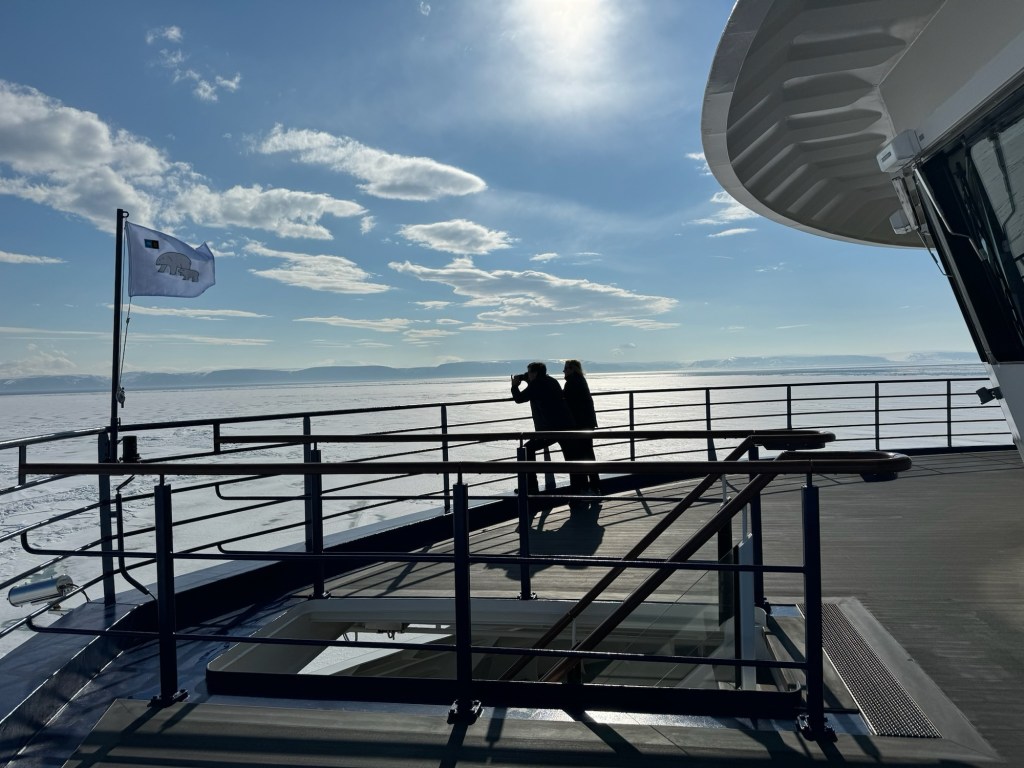
Lisa and I searching for polar bears.

After a full morning of searching, alas, no polar bears.

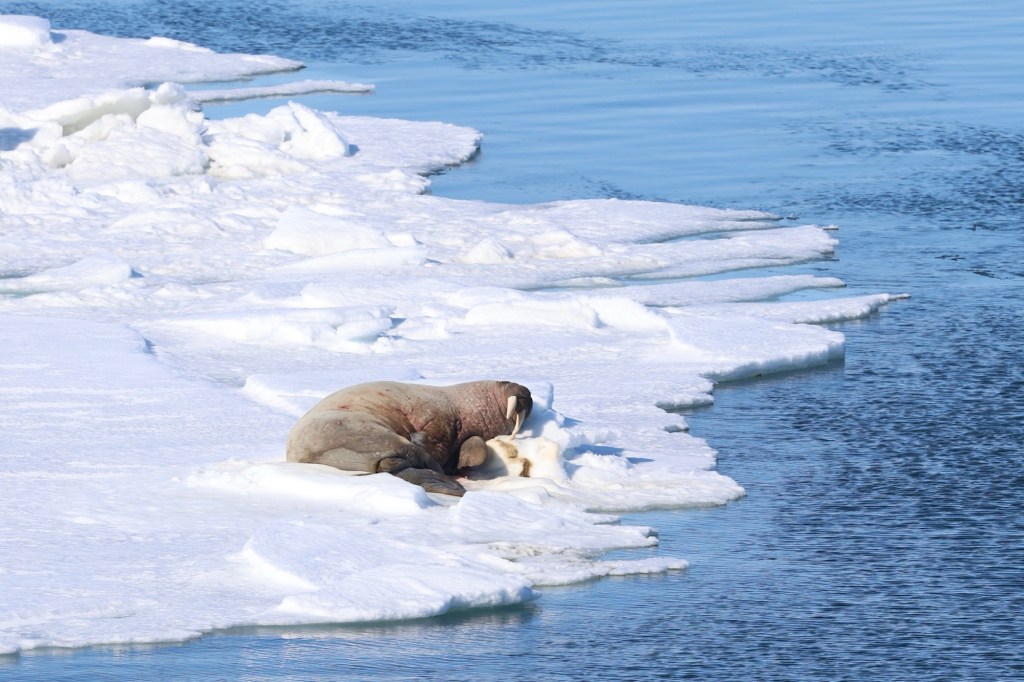
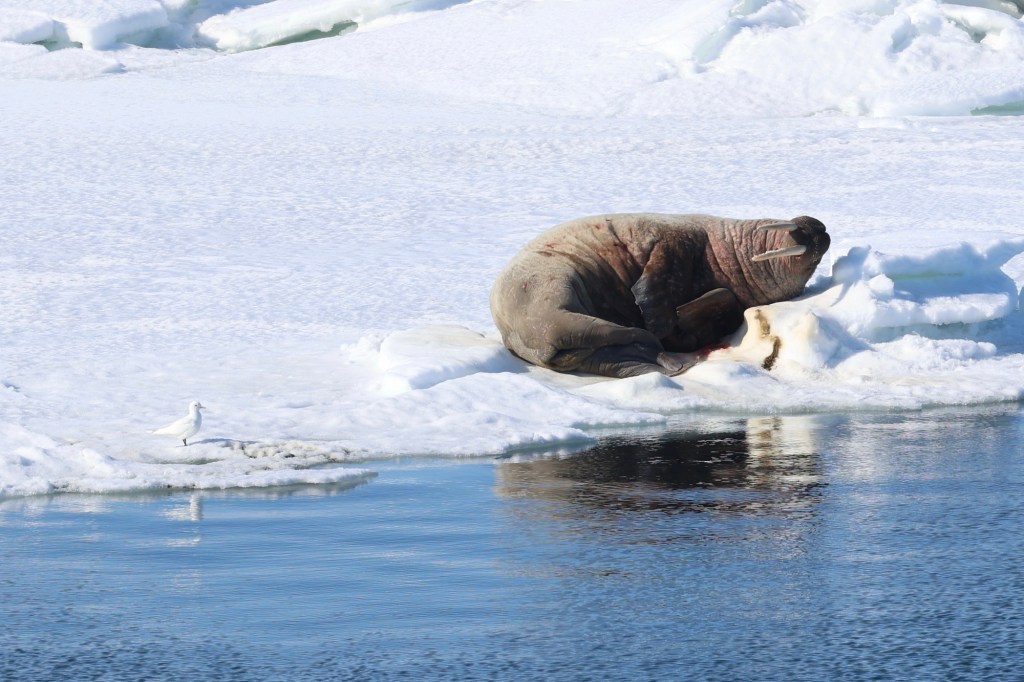
We did, however, catch site of a walrus lounging on the ice.

A nice afternoon nap in the sun.
He was soon visited by an ivory gull. But, he didn’t want to play.

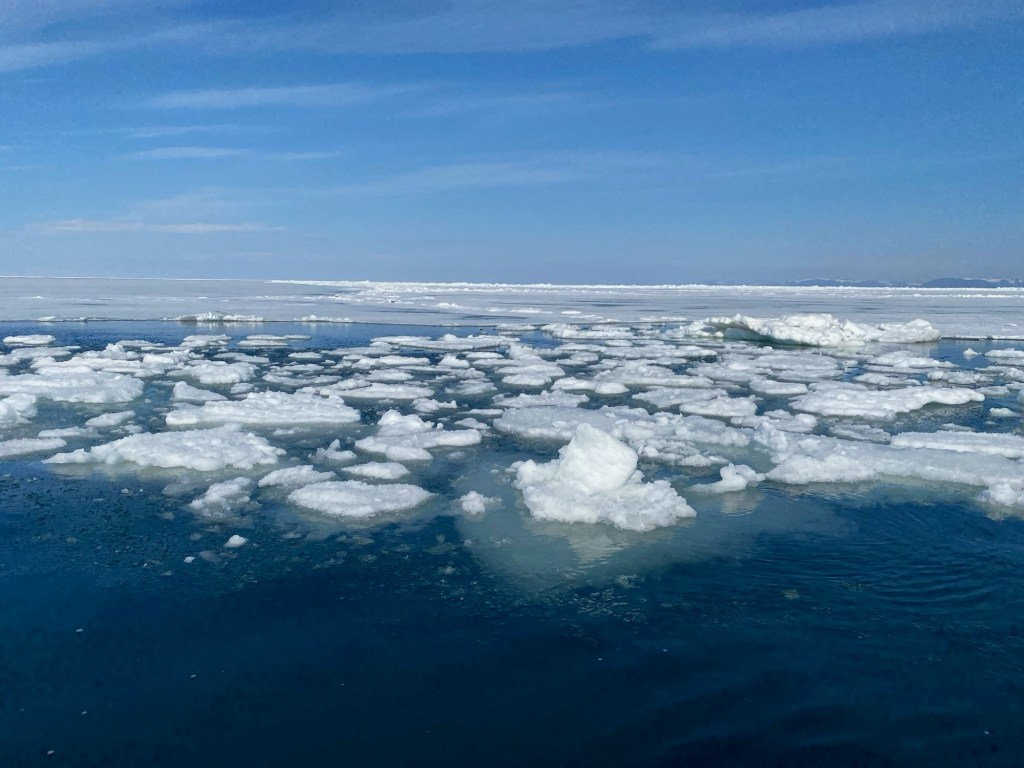
The ice we were carving through is called drift, or pack ice. It is floating out in the ocean. We kept hearing about fast ice — the kind we aren’t allowed to navigate through. Was it moving too quickly? As it turns out, fast ice is a term for ice that is “fastened” to the land. Since it is essentially an extension of the land, it is considered habitat for polar bears, seals, and walruses. So, we stay out of these areas so as to not destroy their habitat.

Sea ice is rapidly disappearing. The warming of the planet is occurring quickly and even faster at the poles. There is clearly more we need to do to slow Earth’s warming. Diminishing sea ice eliminates the habitat for many of the species we are seeing on this visit. It also means ice on land such as Greenland is melting in the ocean which significantly raises sea levels and affects coastal areas all over the world. Scientists estimate the Arctic could be ice free by 2040.

Arctic sea ice levels in September and March from 1978 to 2023 vs. 30 year average.

After lunch, since we still have Arctic ice, we got out into our Zodiacs for an afternoon cruise. The weather was spectacular.

First we took a lap around the ship.
We cruised along the sea ice.
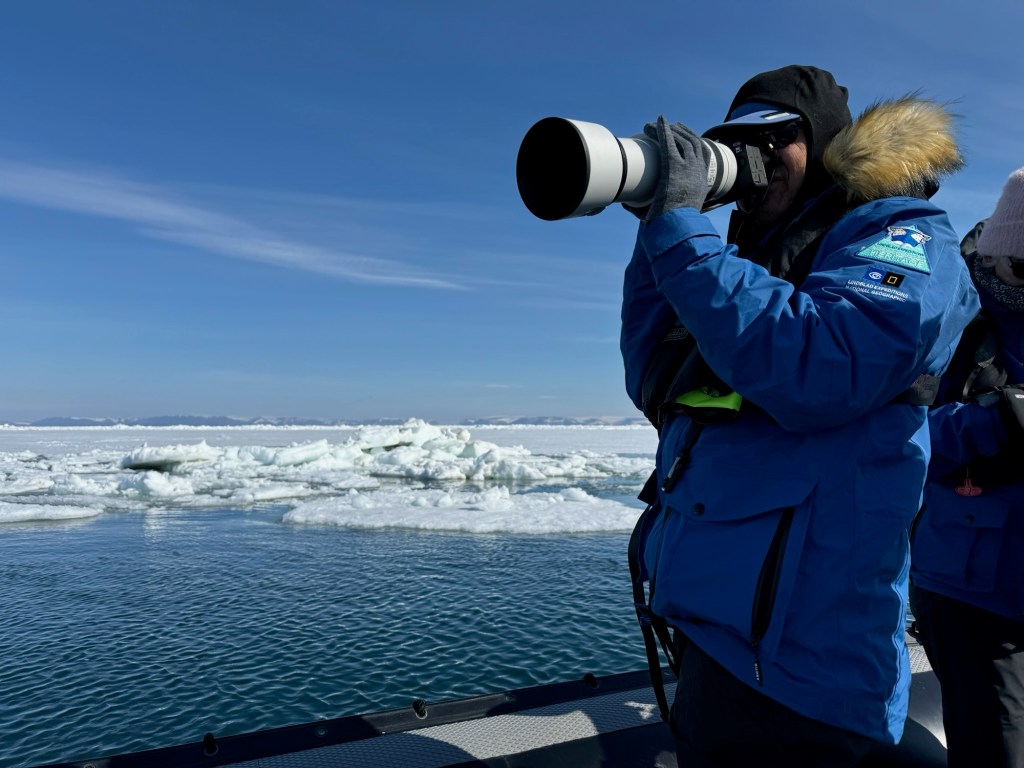
Brad capturing the scene.

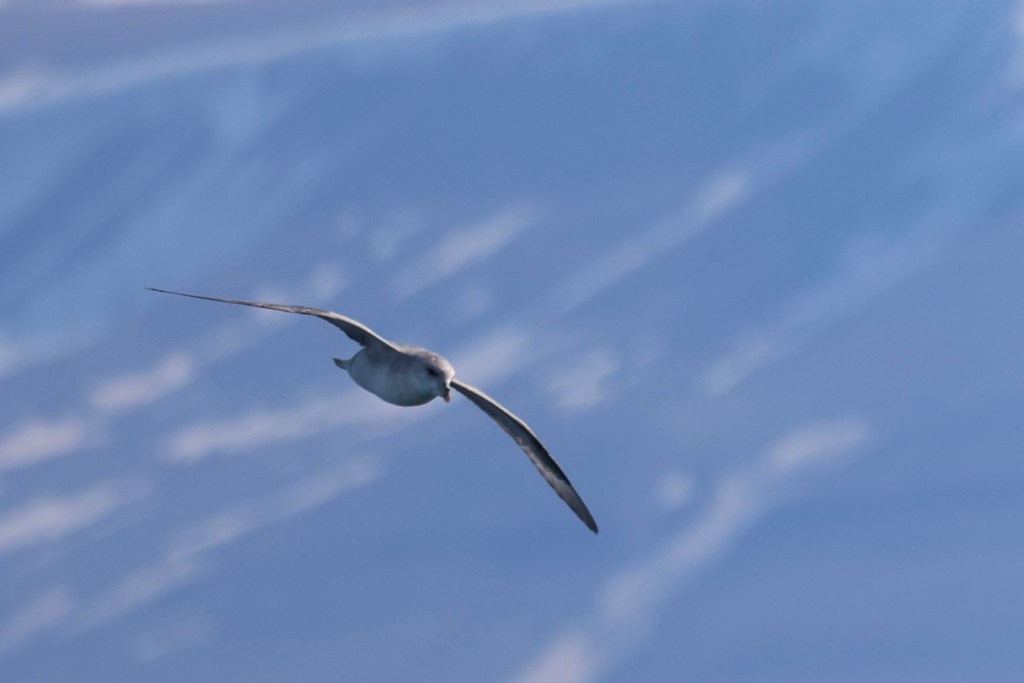
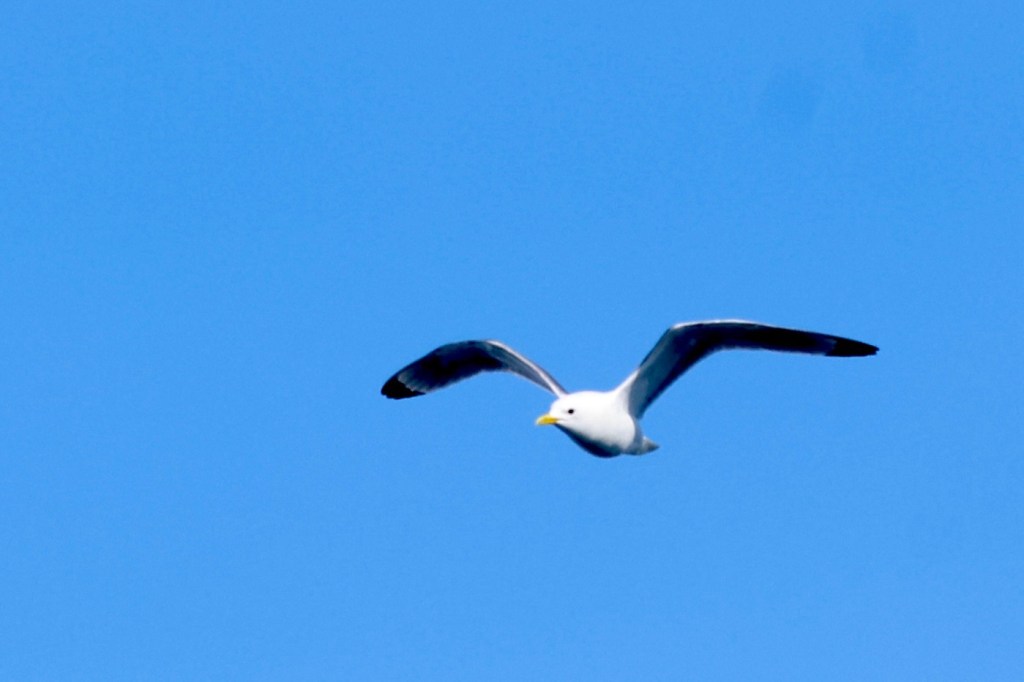
Our Zodiac group was led by a National Geographic photographer. He was a great educator, helping us get the most out of our cameras. He was also good at identifying the arctic birds that were flying overhead.

A Northern fulmar
A Kittiwake

No luck finding a polar bear today, however. So, we’ll try again tomorrow. We’re heading north through more sea ice that is prime polar bear territory. We’ll keep our eyes open and let you know if we spot one!
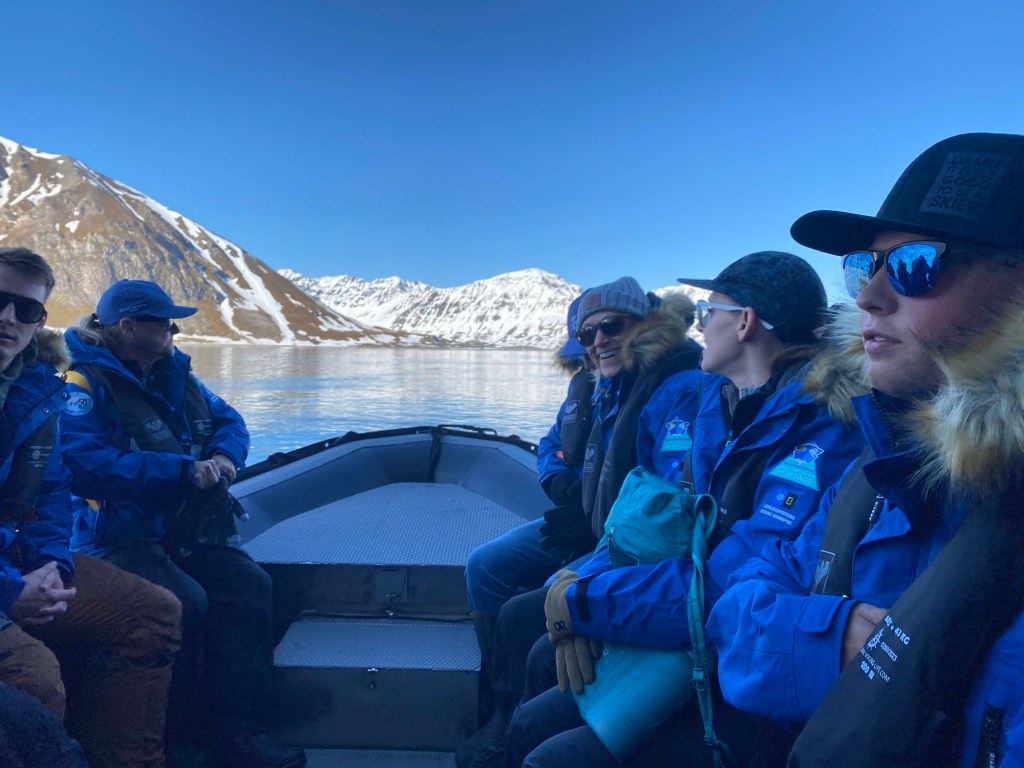
Categories: Arctic, Norway, Scandinavia | Tags: , , , , , , , | 1 Comment

Walruses, Whales, Glaciers and Auks

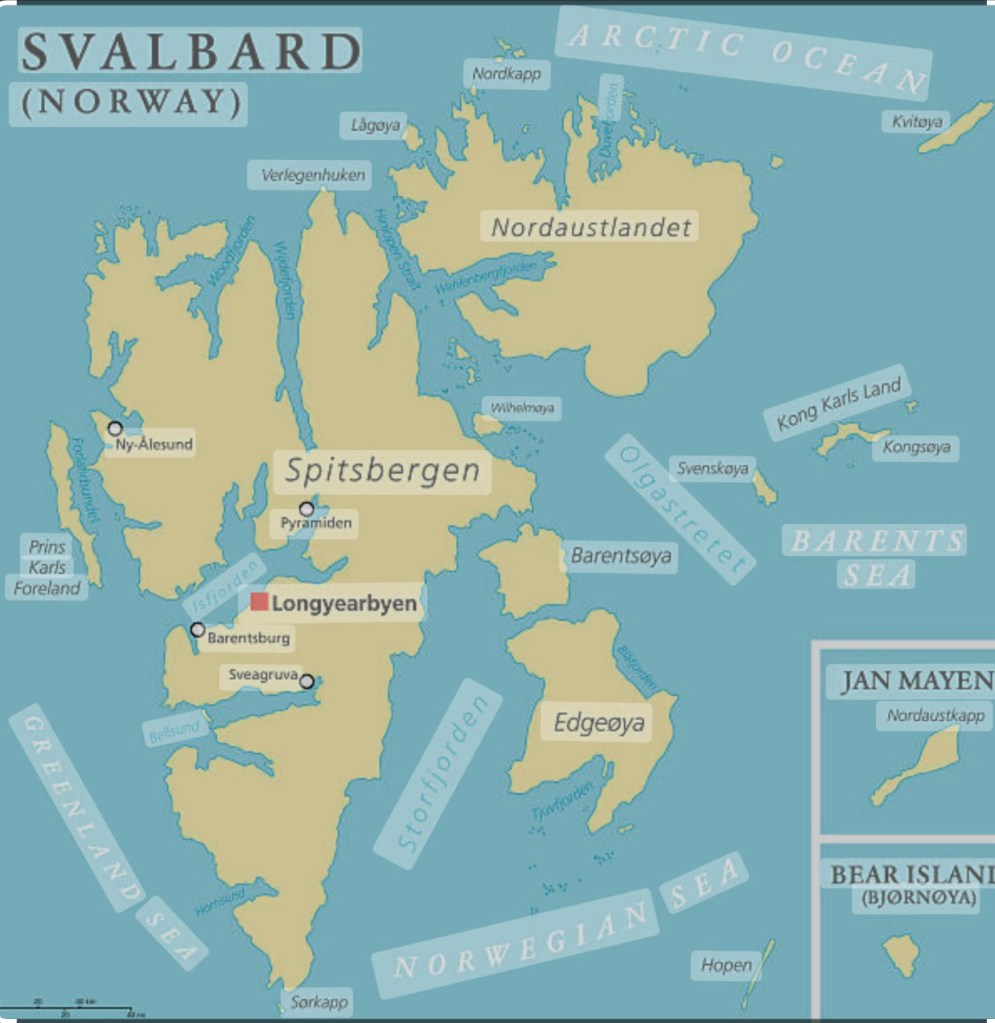
Lisa and I boarded the National Geographic Resolution on Friday. We departed from the town of Longyearbyen and started our counterclockwise circumnavigation of Spitsbergen, Svalbard’s largest island. We’ll explore the island’s fjords and bays. We’re told there is quite a bit of sea ice on the eastern side. The resolution has good icebreaking capability so it should be interesting to see that area. Sea ice is often where polar bears hang out in search of their primary prey, seals.

A map of Svalbard. We’re sailing counterclockwise around the island of Spitsbergen.

Our first day was sunny and warm — almost too warm for the heavy clothing we were wearing. By the second day the temperature had fallen and the wind came up. We know we’re in the Arctic today!
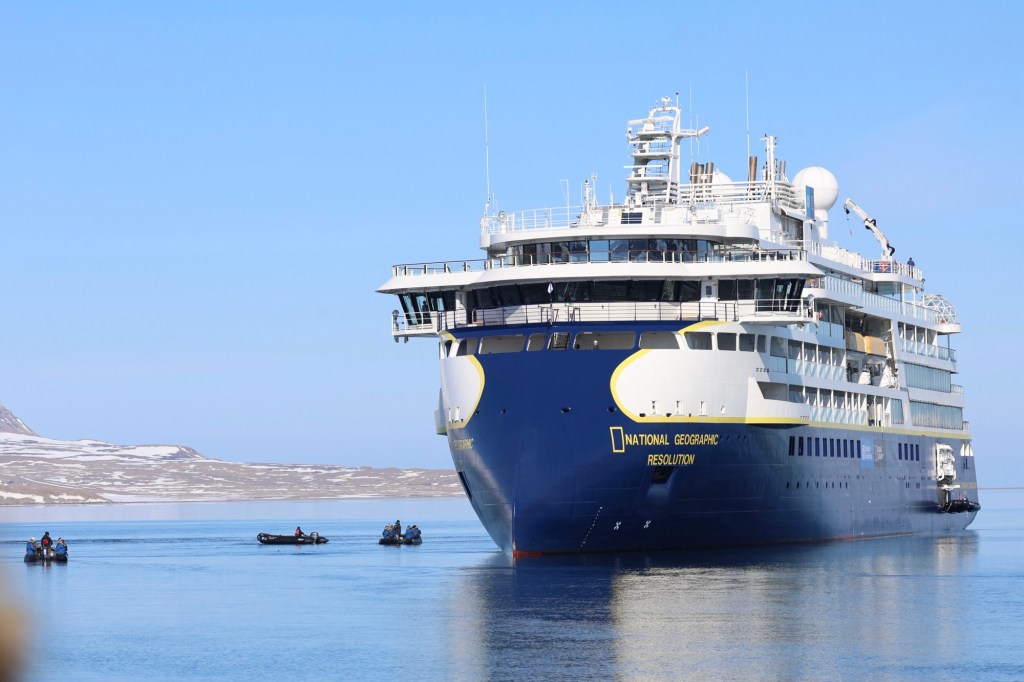
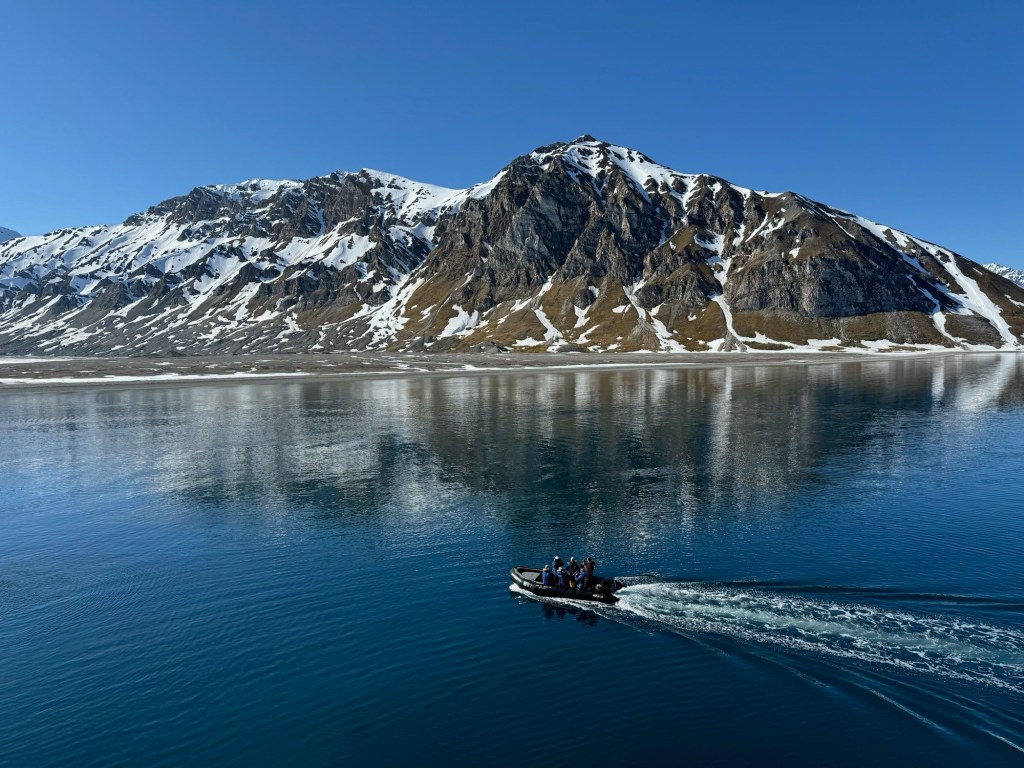
Since Svalbard is mostly uninhabited (a total population of 2500, most of them in Longyearbyen that we just left behind), there are no places to dock. So, we get to shore on Zodiacs, small inflatable motorboats.

Lisa eagerly awaiting our departure to shore by Zodiac.
The Resolution with Zodiacs coming and going.
A Zodiac heading to shore.

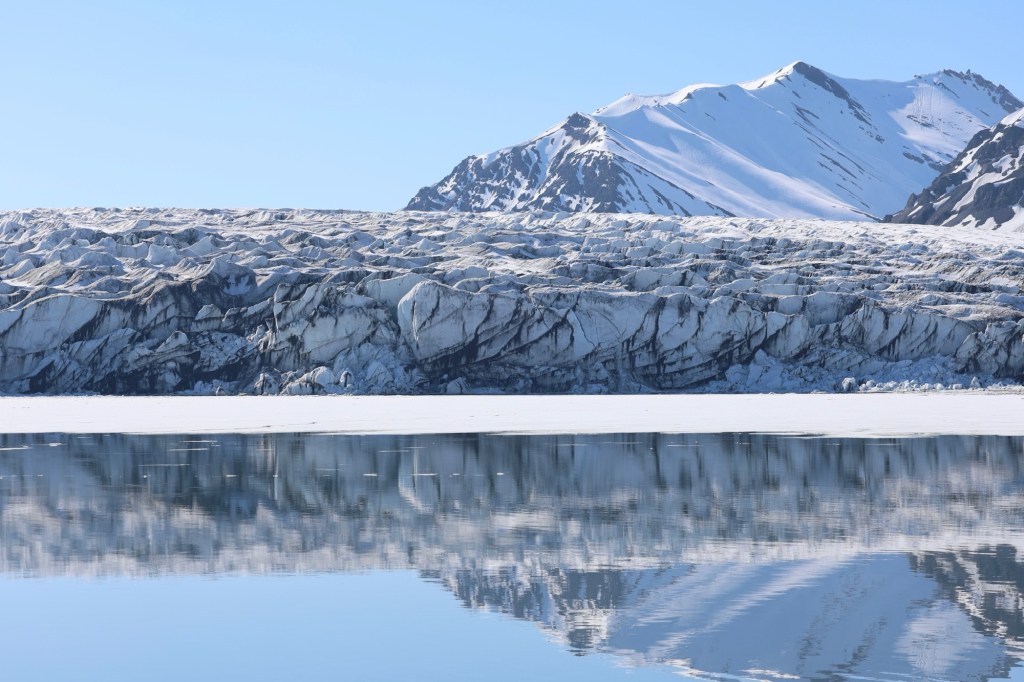
We came to shore in front of a large glacier. We had a chance to see the geologic impact the glacier has over ages. It was a beautiful site. We were shown photos of the same glacier over the past hundred years. It has receded noticeably over that period. Apparently, global warming is occurring three times faster at the poles than it is in warmer climates. Not a good omen for the retention of sea ice.

The glacier we visited on our first day at sea.

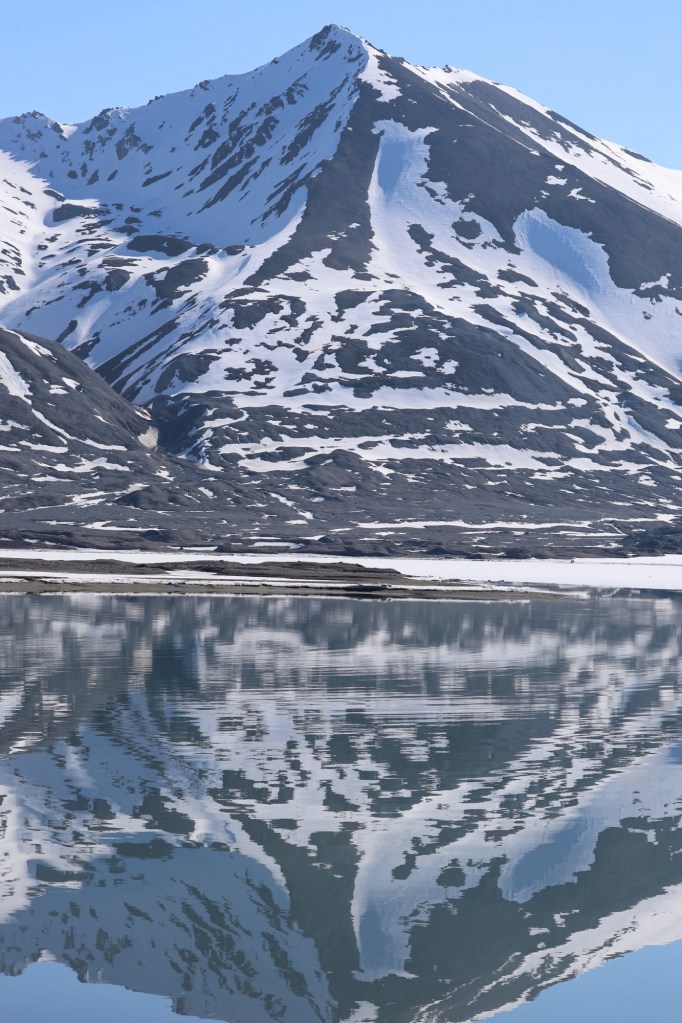
An adjacent mountain with its reflection in the water below.

Wildflowers emerging in the Arctic summer.

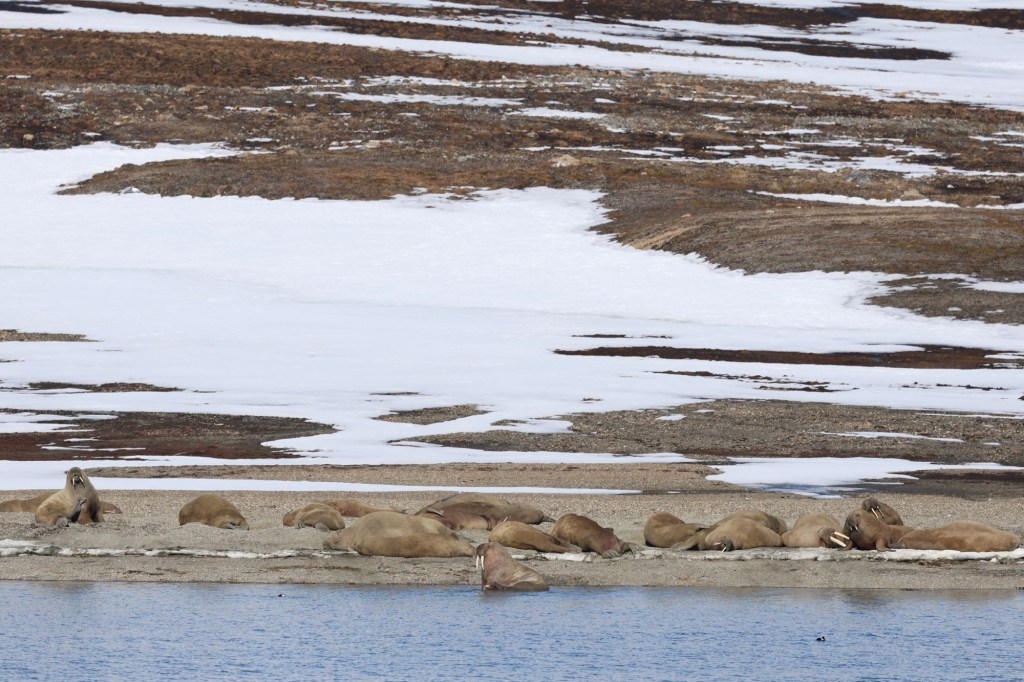
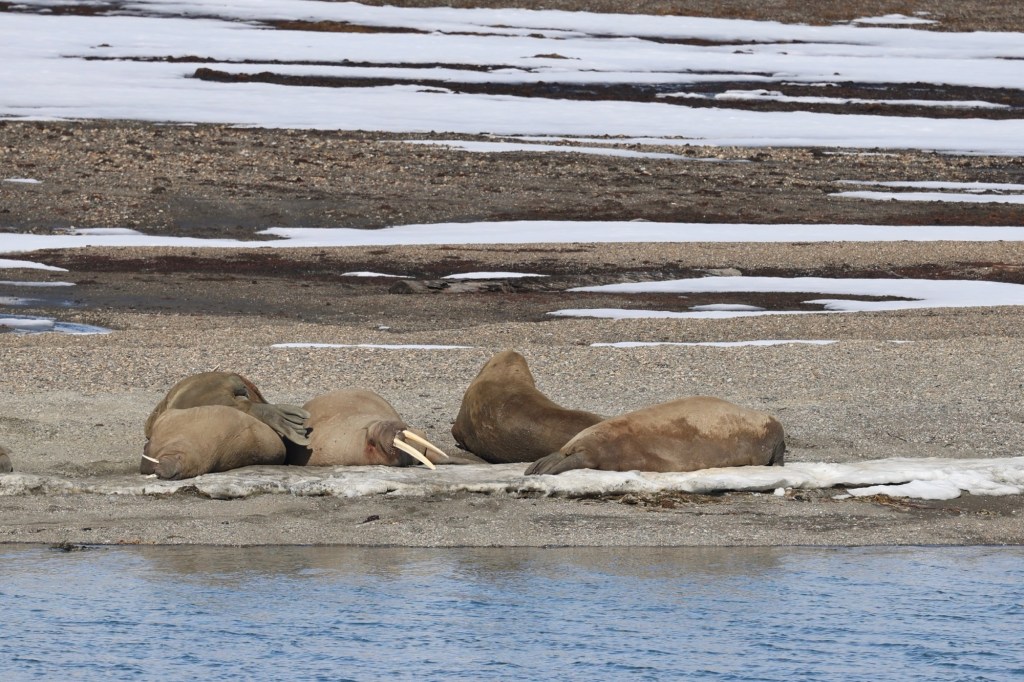
As we left the glacier and sailed back up the fjord, we came across a herd of walruses lounging on shore.

Walruses hanging at the beach.
Note the size of the tusks on the big one in the middle.

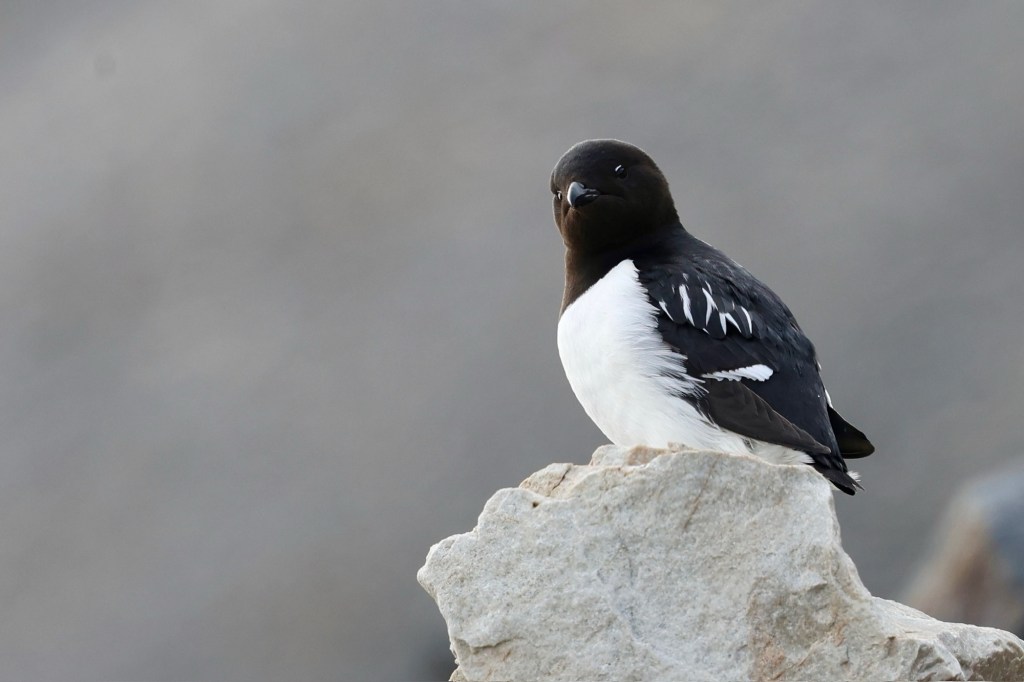
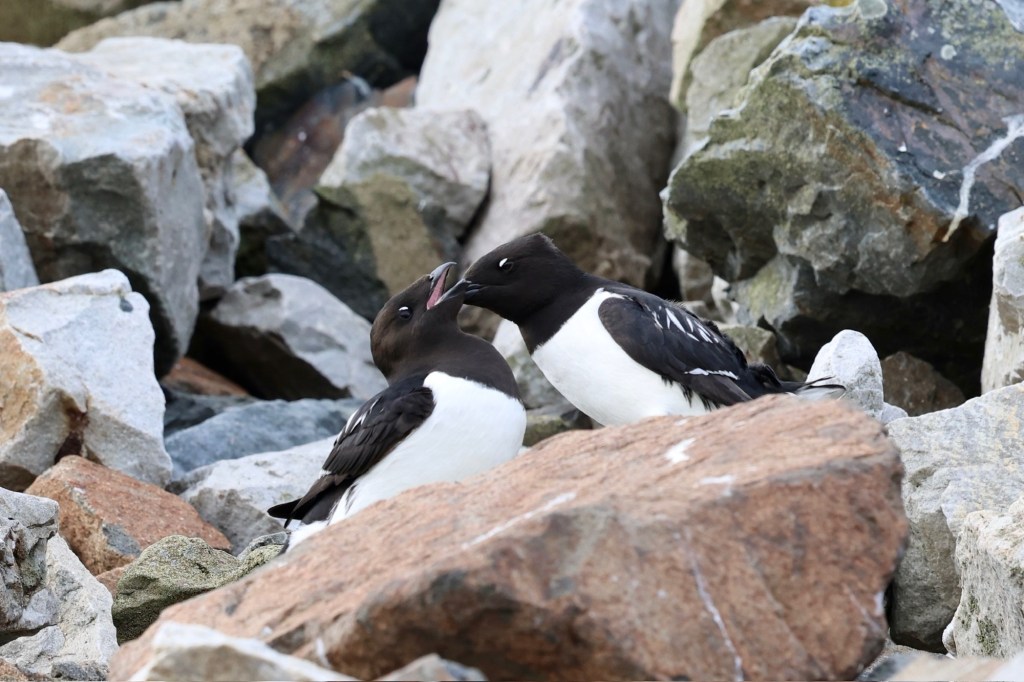
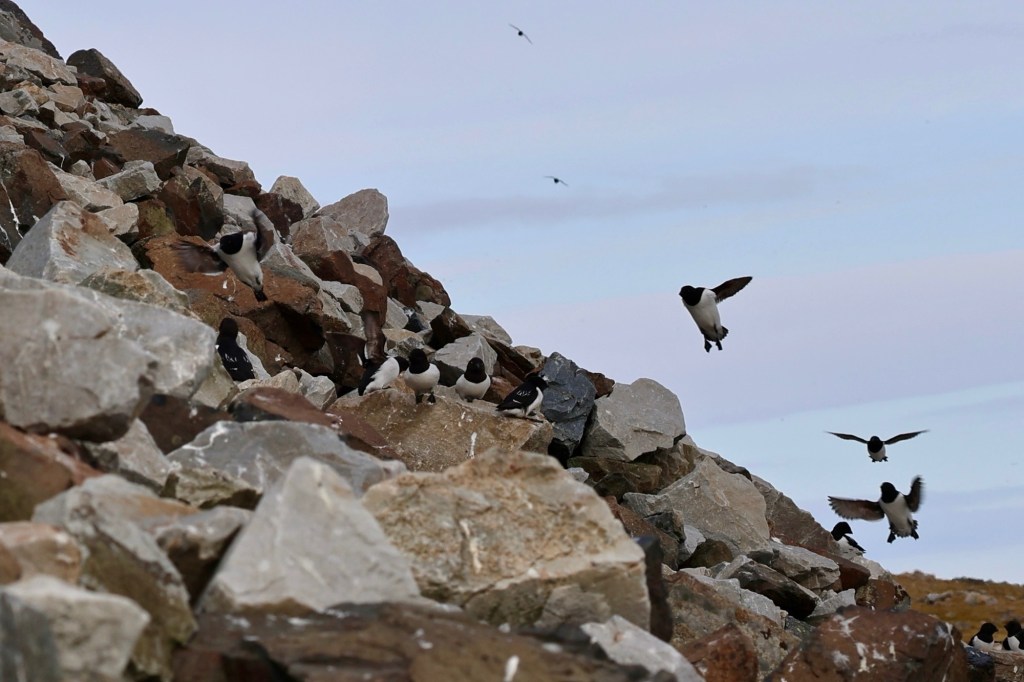
We then left for another fjord where we hiked up to see one of the world’s largest colonies of Little Auks. These small birds are cute, squatty little creatures with plump bodies (for diving for their food) and small wings. They come to Svalbard every year to mate and nest, preferring steep rocky areas. So, to see them, we, of course, climbed up a steep rocky area. As we approached, the racket of birds in courtship got very loud. Apparently, little auks are relatively silent except during their mating season when the trills and shrieks are impossible to miss.

We came upon thousands of birds on the mountainside. They didn’t seem to mind our presence. We sat and watched them for about a half hour. It was fascinating.

A Little Auk
The Courtship
And, um, success.
There were thousands of birds at this site.
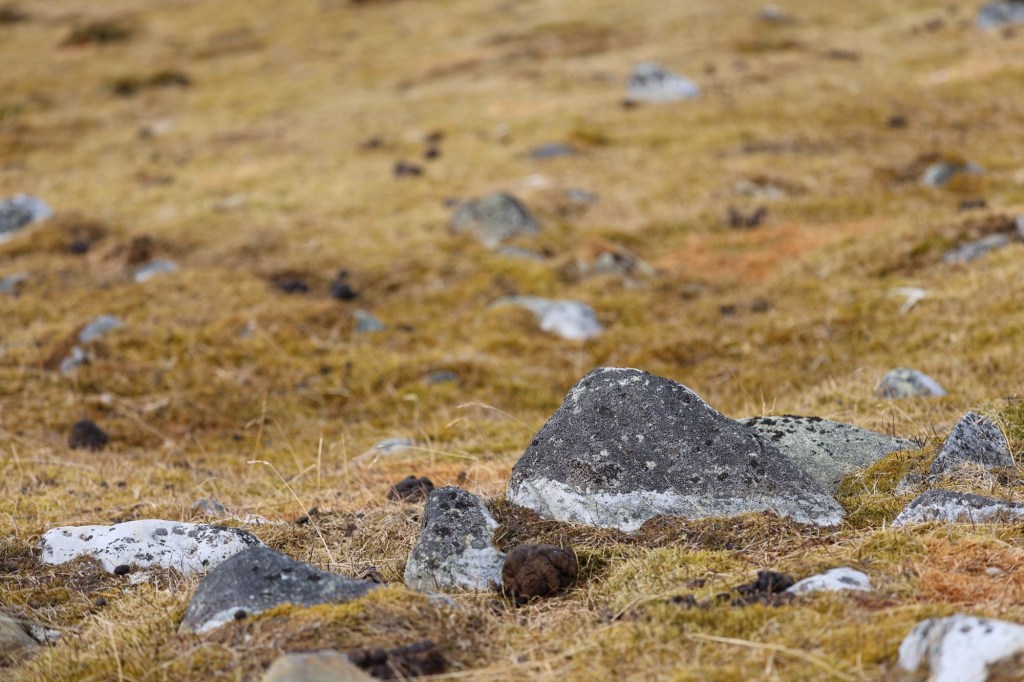
The tundra in the area was beautiful.

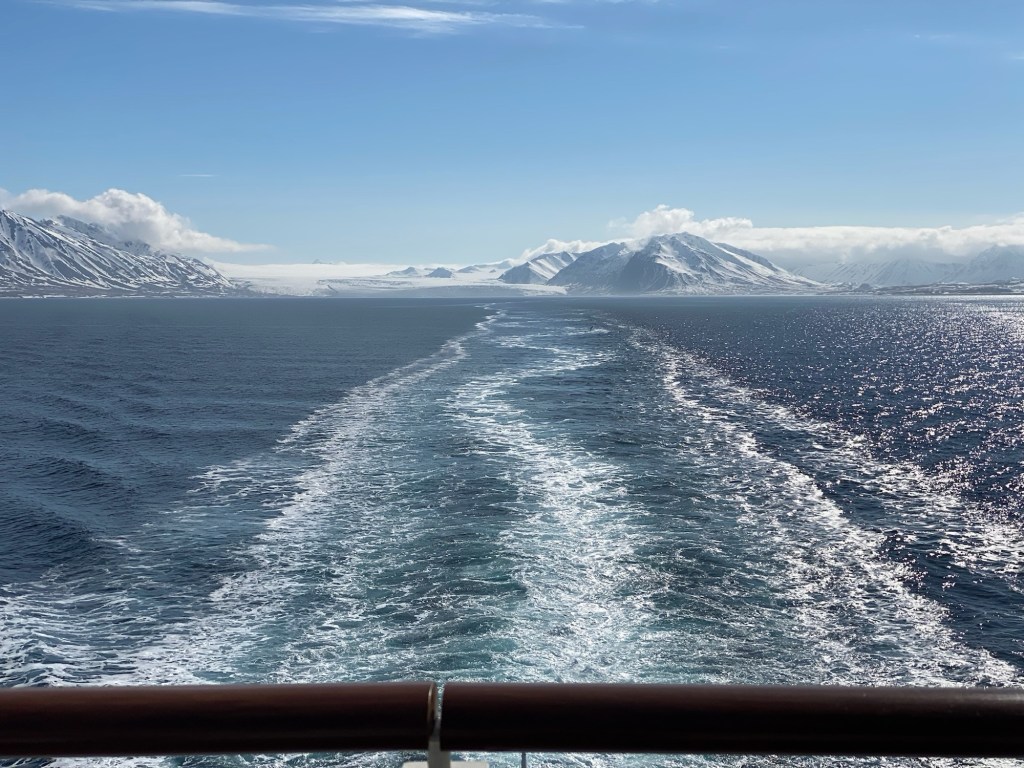
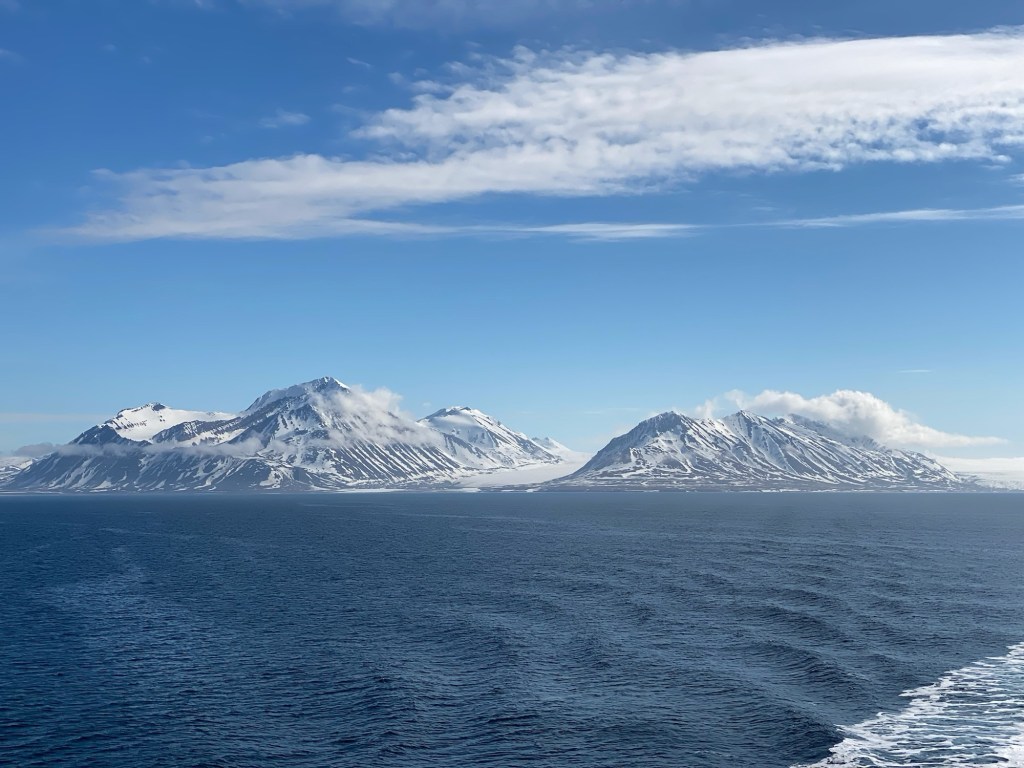
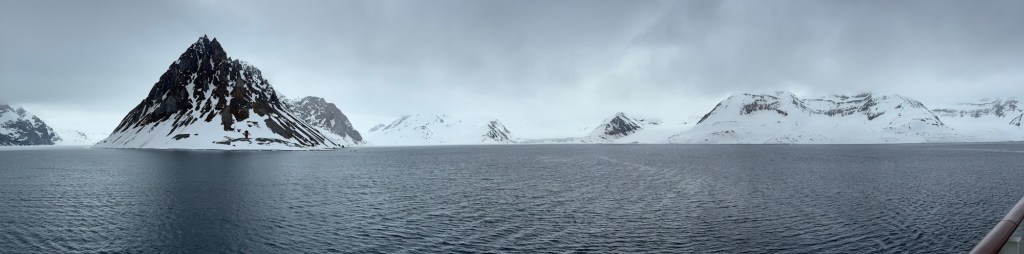
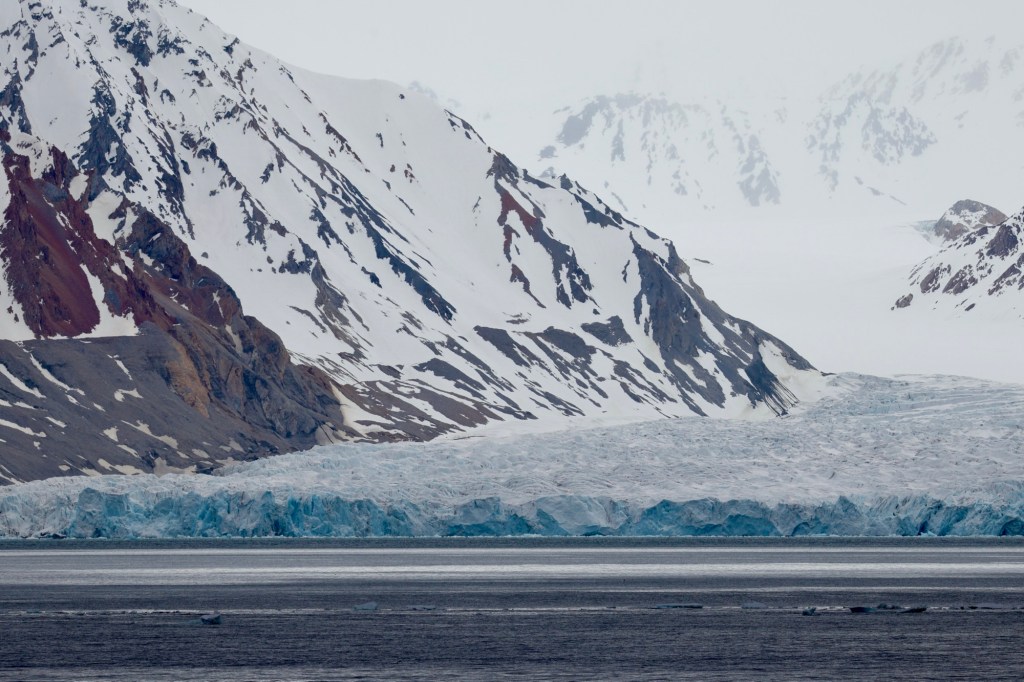
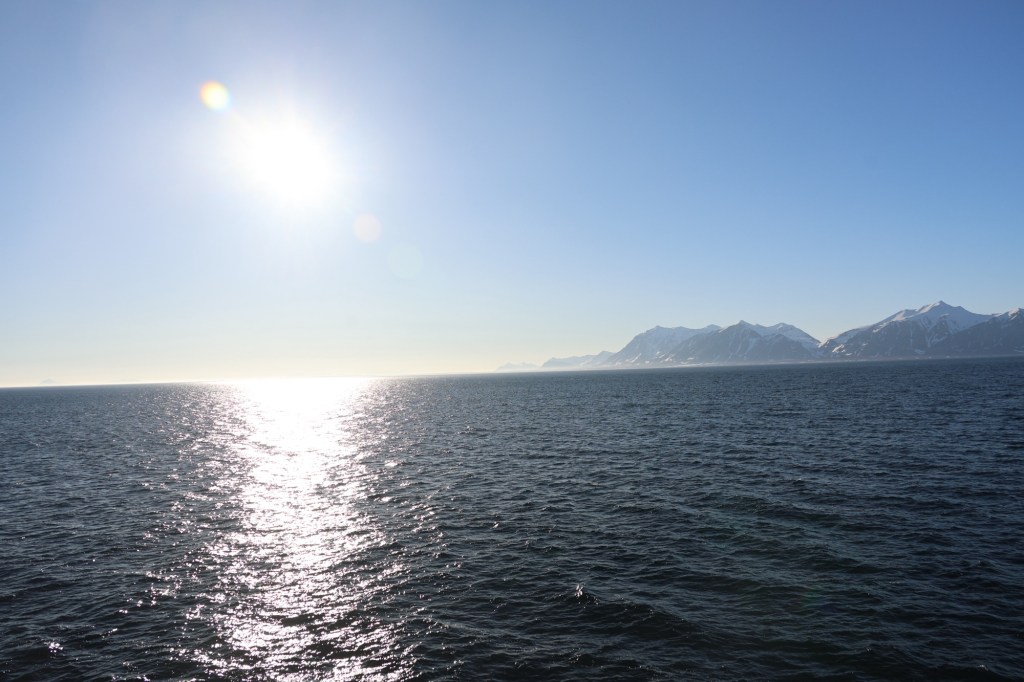
The landscape in Svalbard consists of mountains, glaciers and fjords. The views are breathtaking.

A view in the wake of our ship.
Cloud adorned mountains.
Many of the mountains are step and jagged.
A panorama of the area around that same mountain.
Blue ice at the terminus of a large glacier.

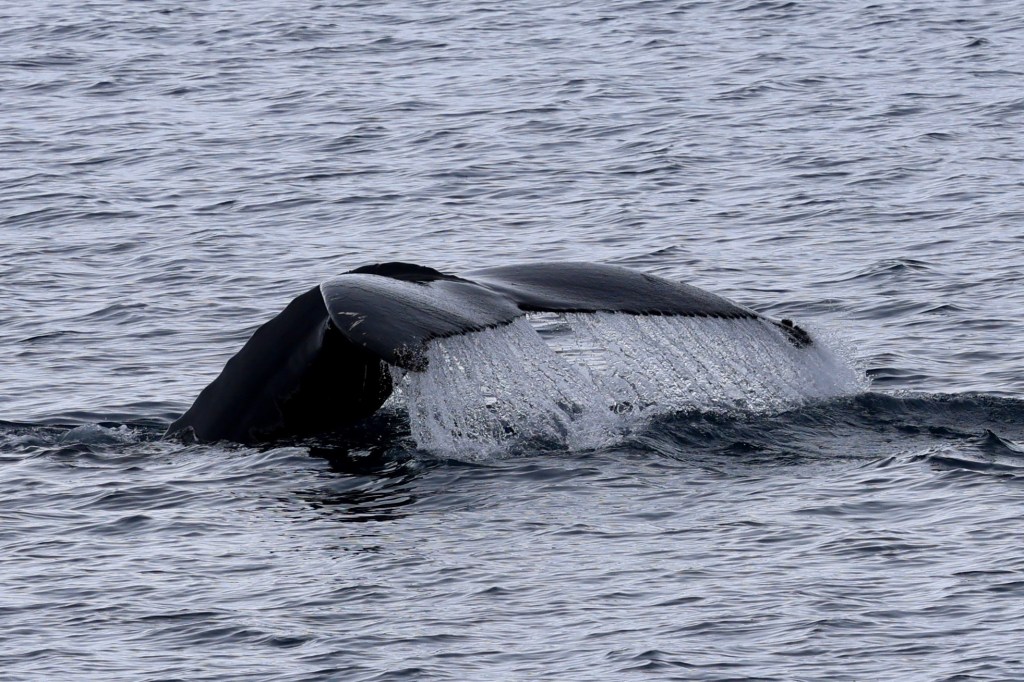
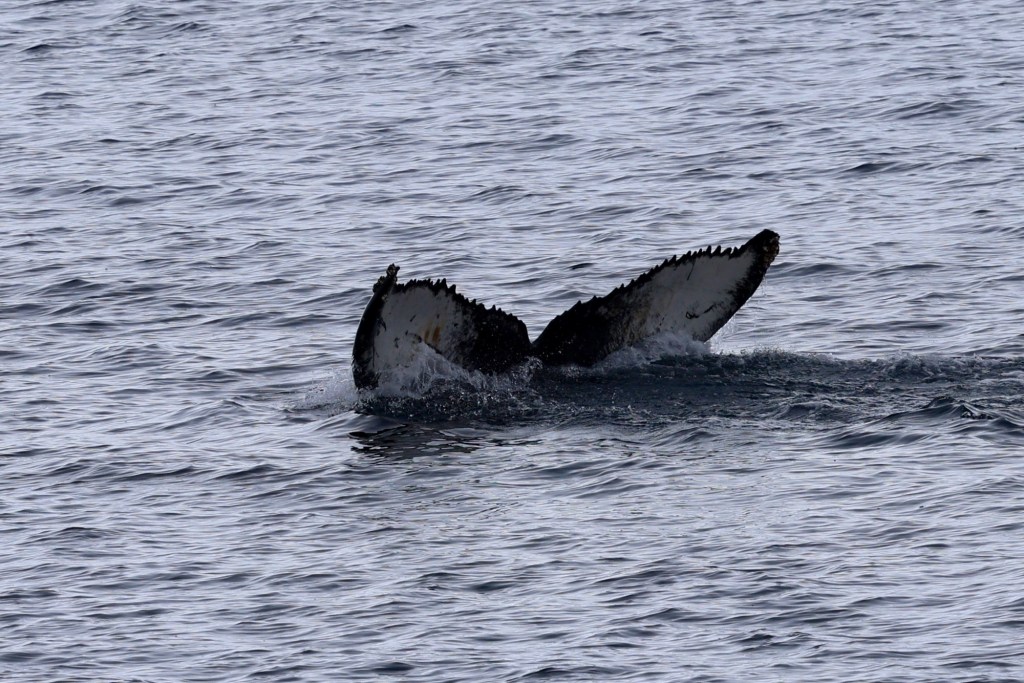
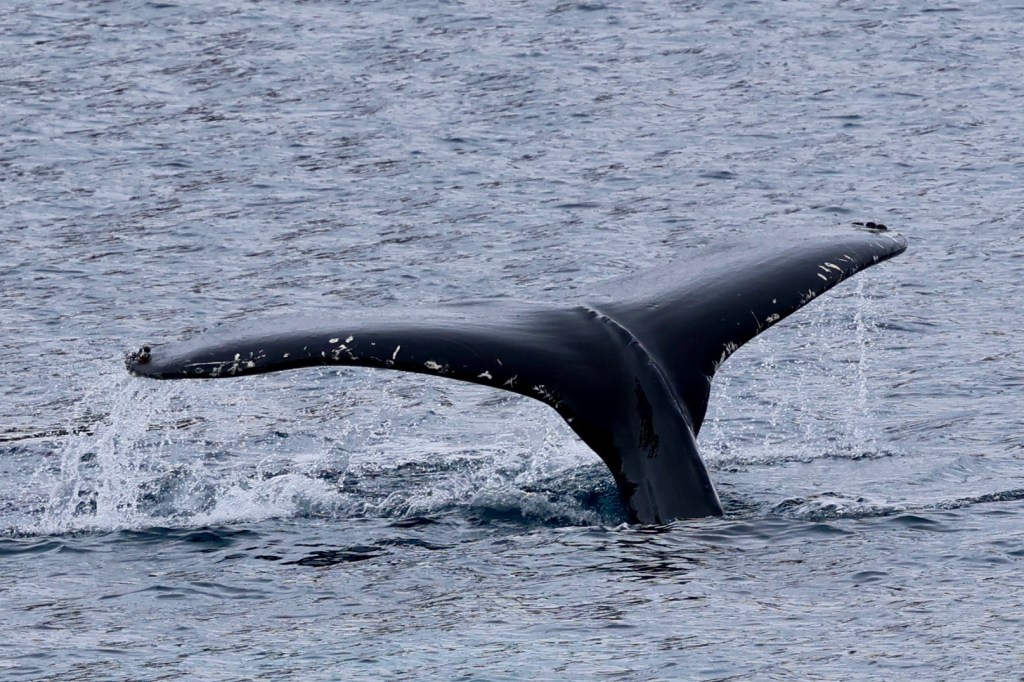
And, finally, this morning we had a chance to sail by a gray whale in one of the bays.

He came up and dove down for us several times. A beautiful animal.

We still haven’t found that elusive polar bear. We’ll hope to see one soon. When we do, you’ll be the first to know!

Categories: Arctic, Norway, Travel | Tags: , , , , , | 3 Comments

Sunset? We Don’t Need No Stinking Sunset.

We flew to Longyearbyen, Svalbard from Oslo today. The three hour flight took us north of the 78th parallel. Because the Earth tilts on its axis, days are longer the farther north one travels in the summer. It is the exact opposite in the winter. Days get shorter as you approach the winter solstice. I’m a geography geek so I began to ponder this concept (much to Lisa’s dismay).

Think about it this way: The equator is at 0 degrees latitude. The North Pole on the other extreme is at 90 degrees. Hawaii, in the tropics, is at 20 degrees latitude, San Francisco at 38 degrees, New York City and Boulder, Colorado are at 40 degrees.

We started this trip in Copenhagen. It is way up north at 56 degrees latitude. Oslo, where we spent the past two days is even farther north — 60 degrees.

The days at the equator are always the same. Exactly 12 hours of daylight and 12 hours of darkness. Hawaii days vary, but very little from winter to summer. Most of us live in 35 to 40 degree latitudes and we’re all familiar with those long summer days and the very early darkness in winter. Norway, on the other hand is known as the Land of the Midnight Sun in the summer and sees the sun set not long after noon in the winter.

Well, here in Svalbard, we will not see a sun set the entire week we are here. The sun will simply circle overhead, never even approaching the horizon. No Northern Lights for us. Our grandson Max asked us how we will know when to go to bed. I told him, “I have no idea.” I write this at 10 pm with the sun blazing overhead. Lisa and I are forcing ourselves to sleep.

The view from our deck at 9:30 PM. The sun will get no lower than this. It will simply circle around the sky.

Conversely, the sun will not rise at all in December. Darkness all day for days on end.

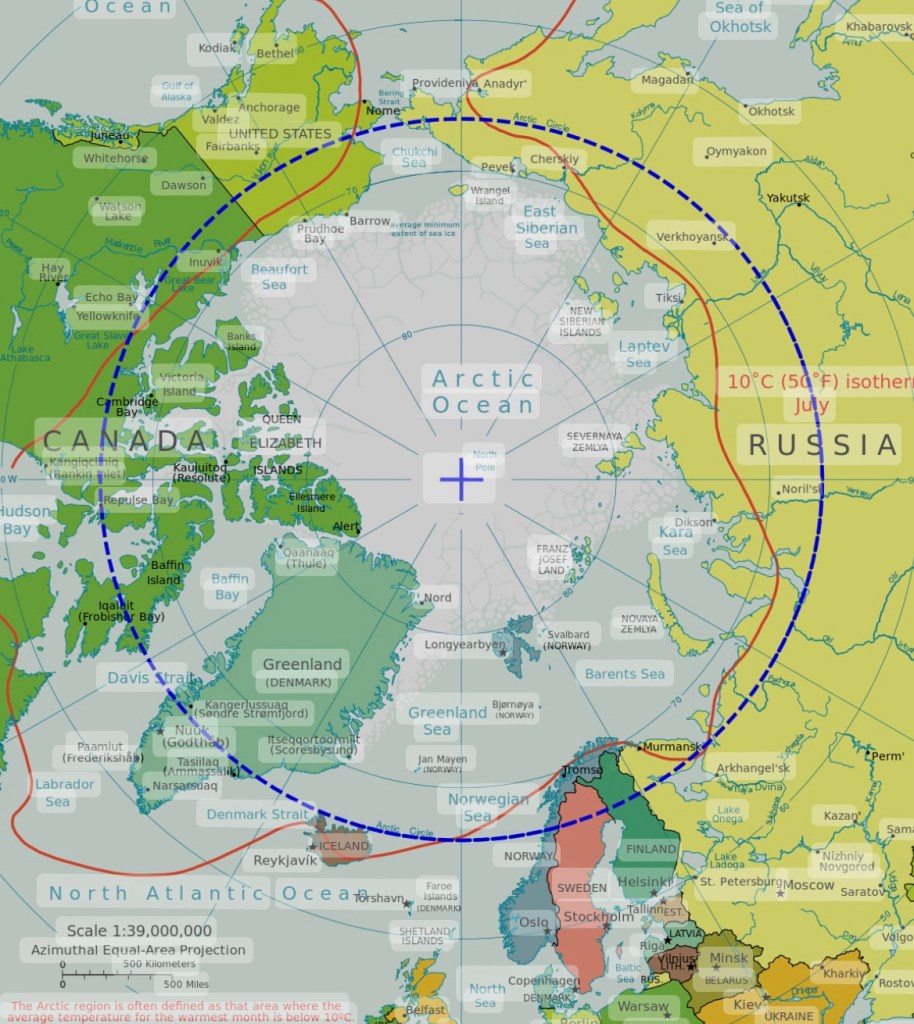
The Arctic Circle is defined by the point farthest south where there is at least one day where the sun does not set in the summer and does not rise in the winter. The Arctic Circle is at 66.34 degrees latitude. So, with Svalbard being so deep beyond the Arctic Circle it will experience many days with no sunset. Kinda cool. Kinda strange.

Svalbard is just south of the North Pole near the 80th parallel.

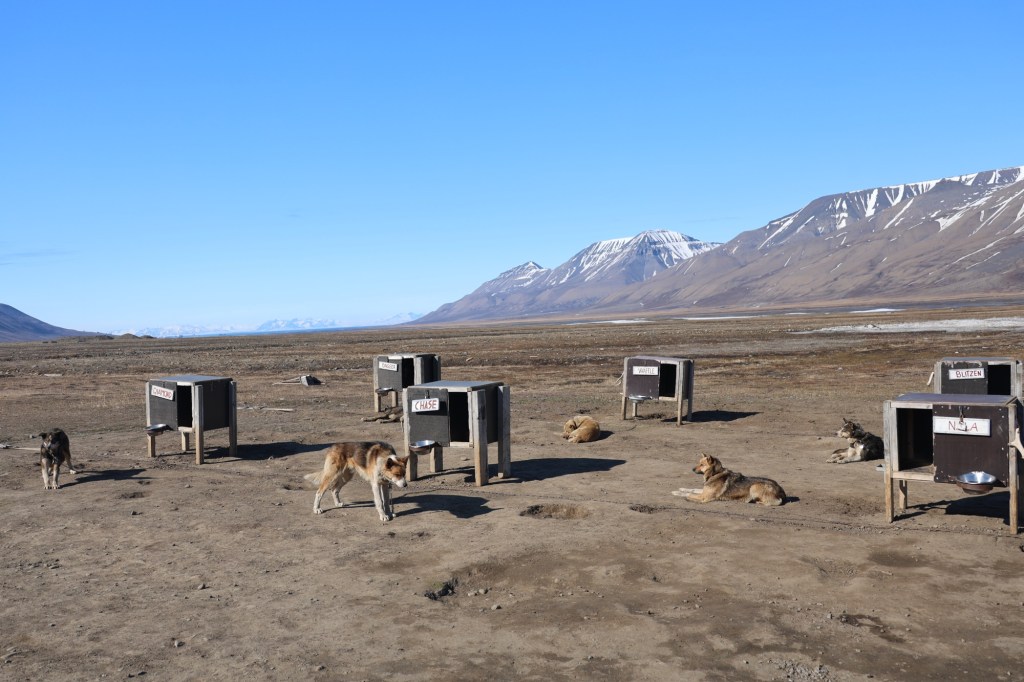
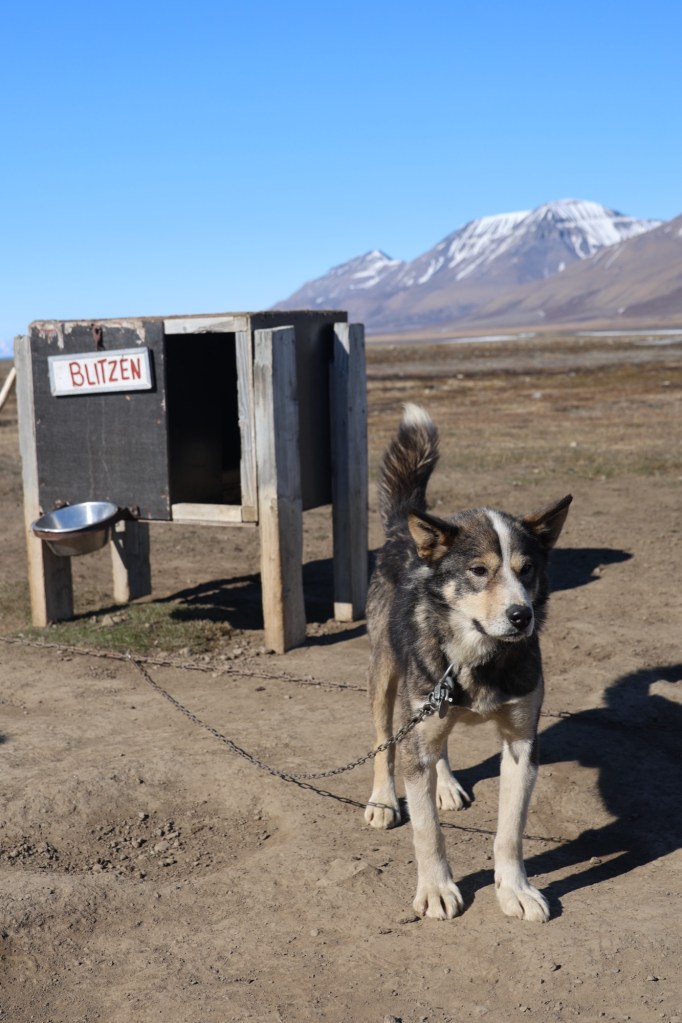
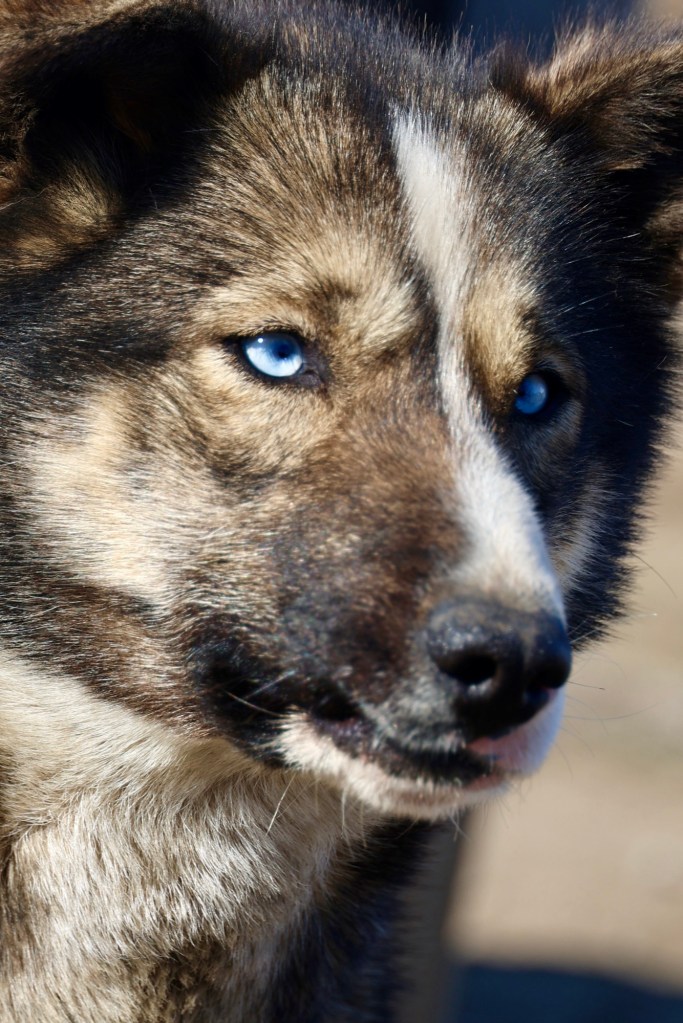
Anyway, we boarded the National Geographic Resolution, a new ship equipped with icebreaking capability and luxury accommodations. First, however, we spent a little time with husky dogs, the ones who pull the dog sleds around here. The weather was an unusually balmy 43 degrees. Very fun.

The dogs are out sunning themselves on this beautiful summer day.
Blitzen
Diamond

More to come as we embark on our search for polar bears, walruses, and arctic foxes. But first, we have to figure out how to go to sleep with the sun shining through our curtains all night long!

Categories: Arctic, Denmark, Norway, Scandinavia, Travel | Tags: , , , , | Leave a comment

The Arctic Circle: Land of the Ice Bears

North.

We are on our way to the Arctic Circle via Norway. Soon we will be as far north as one can go without an icebreaker ship — 350 miles north of Norway’s northernmost point. Svalbard is a group of islands punctuated by massive icebergs, deep fjords, and ice-capped mountains. And, it is the best place on the planet to see the master of the Arctic, the polar bear.

Lisa and I hope to capture photographs of those polar bears along with walruses, arctic foxes and a variety of arctic birds. We’ll share those with you as we capture them on our cameras.

Before we go north, we will make stops in Copenhagen, Denmark and Oslo, Norway. We’ll then fly to Svalbard and board the National Geographic ship, the Resolution.

Join us as we experience a world we have never before seen. You can subscribe to our blog by entering your e-mail on the right side of this page.

See you in Copenhagen!

Categories: Arctic, Norway, Travel | Tags: , , , , , | 4 Comments

Blog at WordPress.com.