
As we left Kyoto for the mountainous town of Hakone via bullet train, Brett, our guide told us that we might be able to catch a glimpse of the iconic Mount Fuji as we rode the rails north. It was a beautiful sunny day and our hopes for a glimpse of the sacred volcano were high.
I pulled my camera out of its bag and attached the telephoto lens hoping for that photo the all who visit Japan long to capture. Brett went out of the front of the rail car to a large window in order to check on the mountain’s visual status. We waited for word to join him.
As he trundled back to his seat he said, “It isn’t visible. Covered in clouds.” Disappointed, I put my camera back in its case.
We got off the bullet train and got on the bus for our 30 minute ride to Hakone. Hakone is a town of 11,000 people that sits right in the middle of Fuji -Hakone-Izu National Park — one of Japan’s largest and busiest national parks. While the town is small in population, it is graced with 20 million visitors each year, 18 million of whom are Japanese tourists.
They come for the hot springs. Hakone is surrounded by active volcanoes. While none are currently erupting, the geothermal activity heats up underground water creating plentiful hot water rife with healing and soothing minerals. The onsen, or Japanese hot baths, are highly popular and, with Hakone being only a 90-minute drive from Tokyo, people flock here for weekends and holidays.
The Hakone Open Air Museum
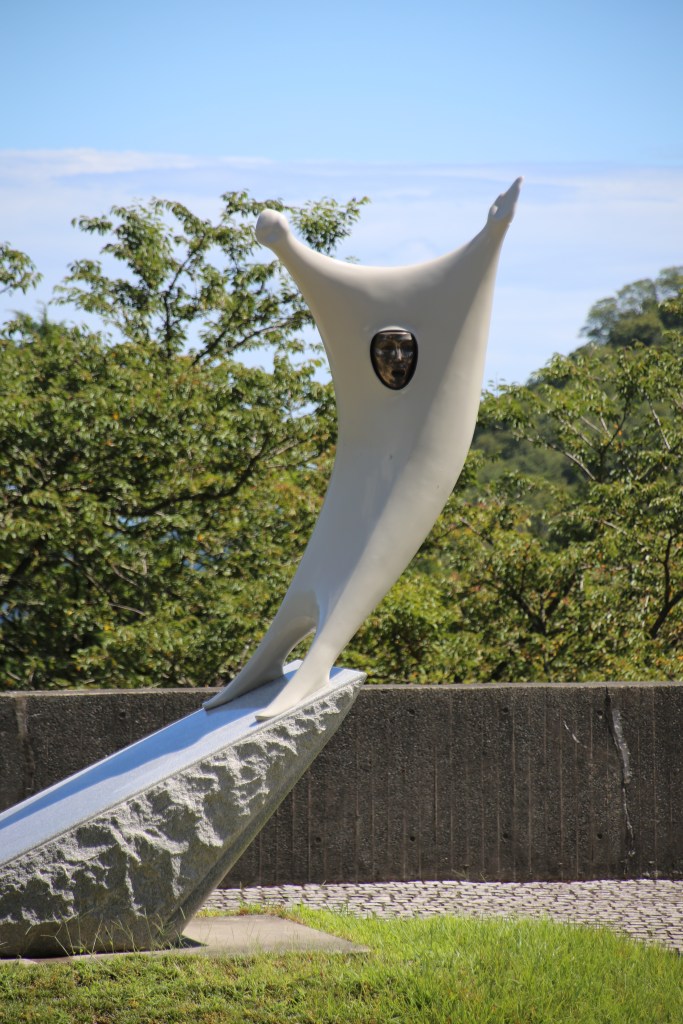
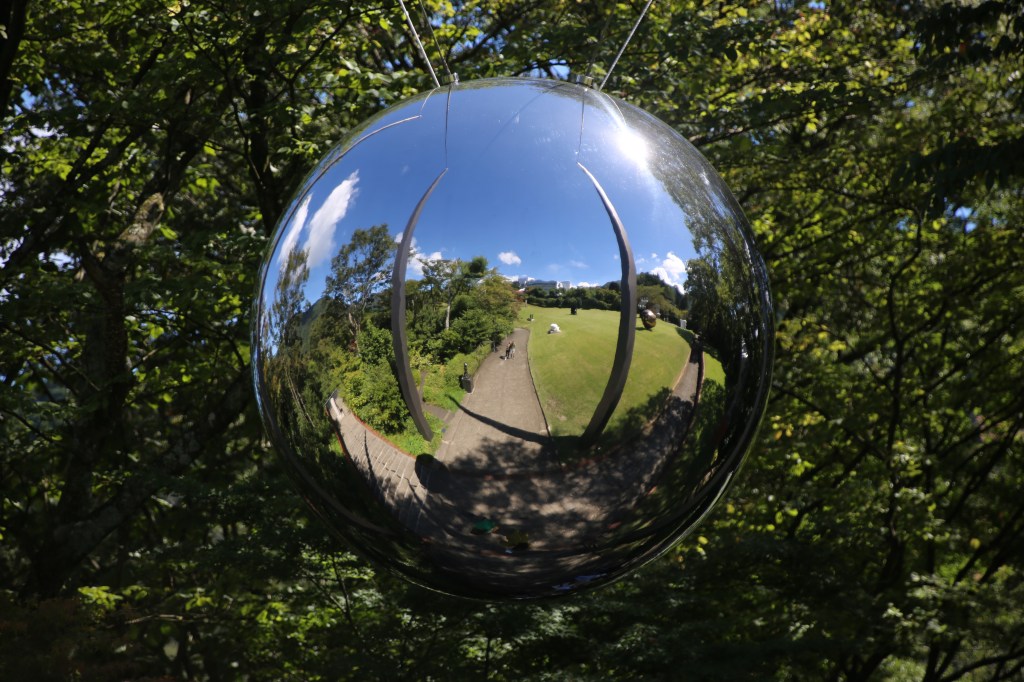
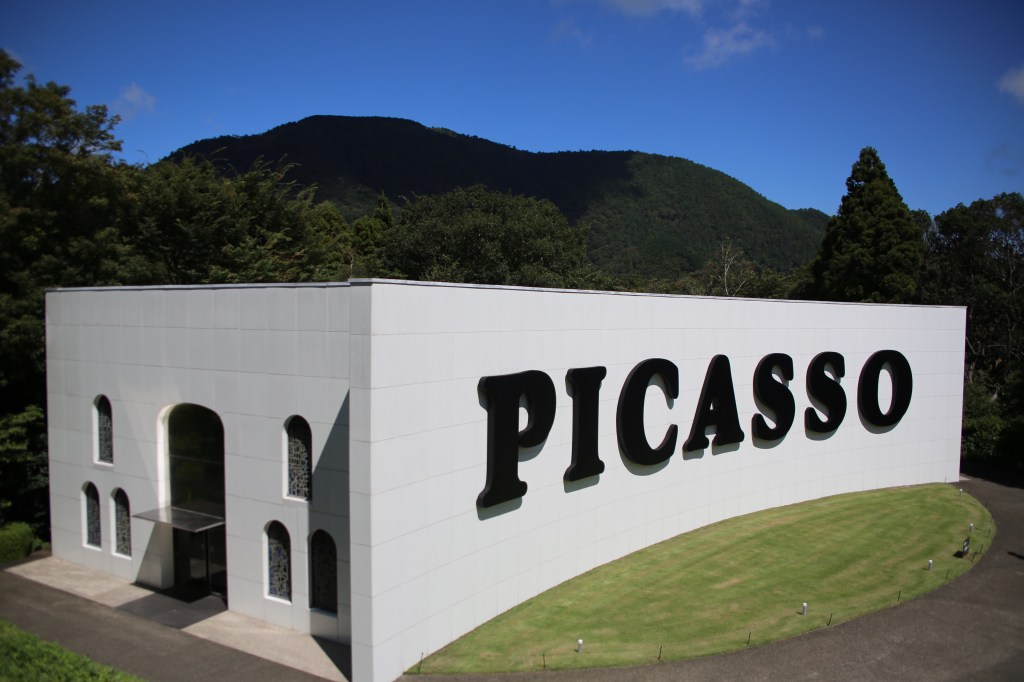
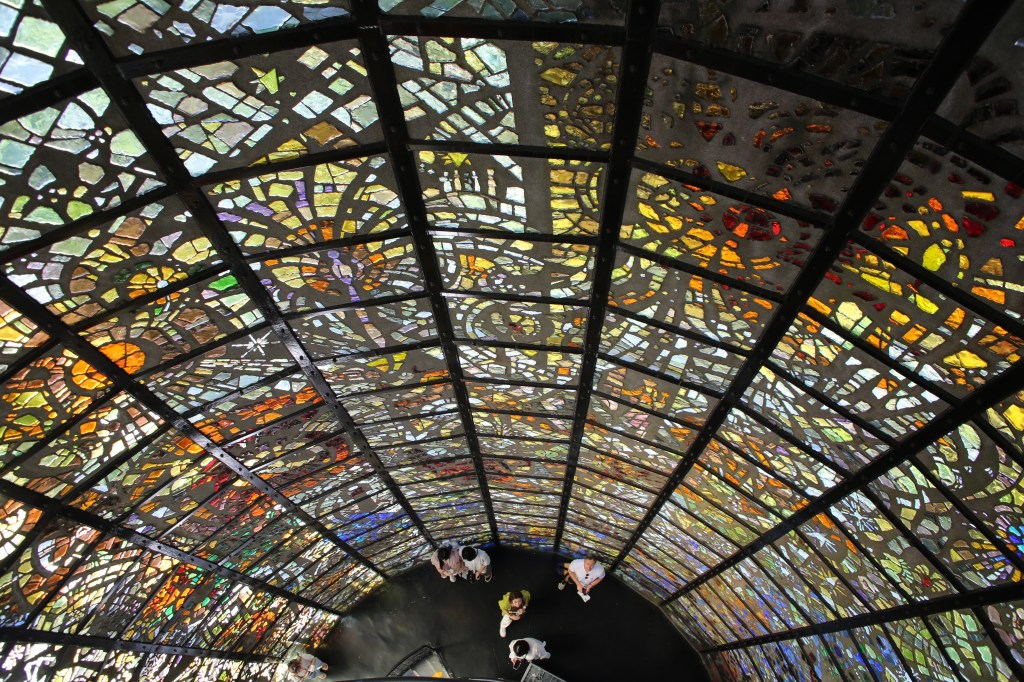
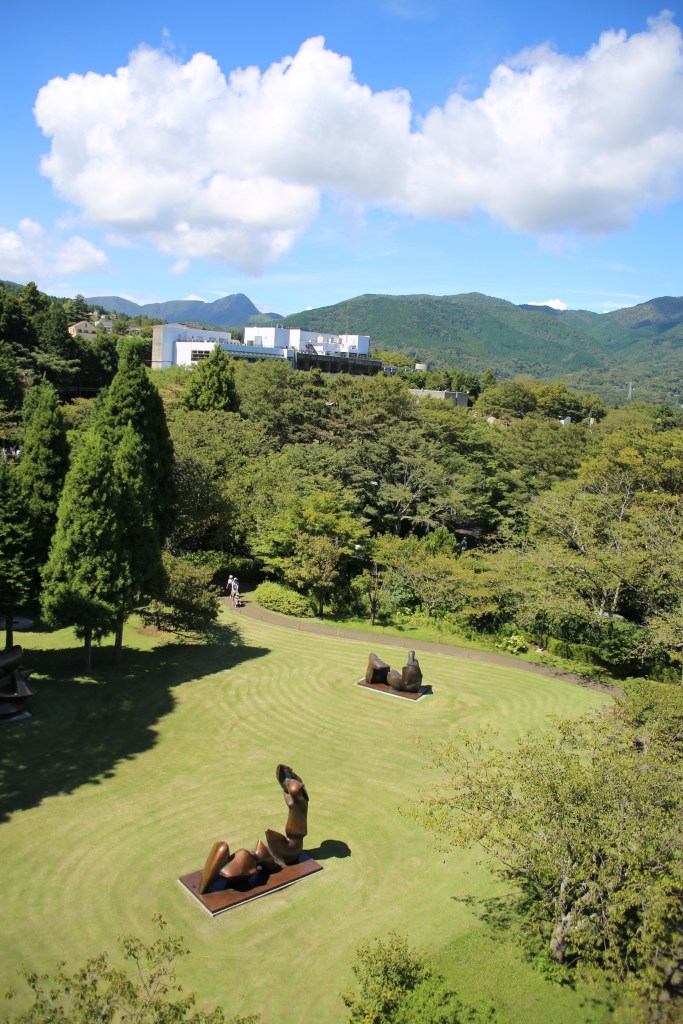
Before we got our shot at an onsen, we stopped in to the Hakone Open Air Museum. The multi-acre exhibit held pieces by both Japanese and worldwide artists. Even if you aren’t an art lover you would love strolling the meandering paths though the grounds. There was a two-story building full of Picasso’s works and many outdoor sculptures.
The Gora Kadan Ryoken
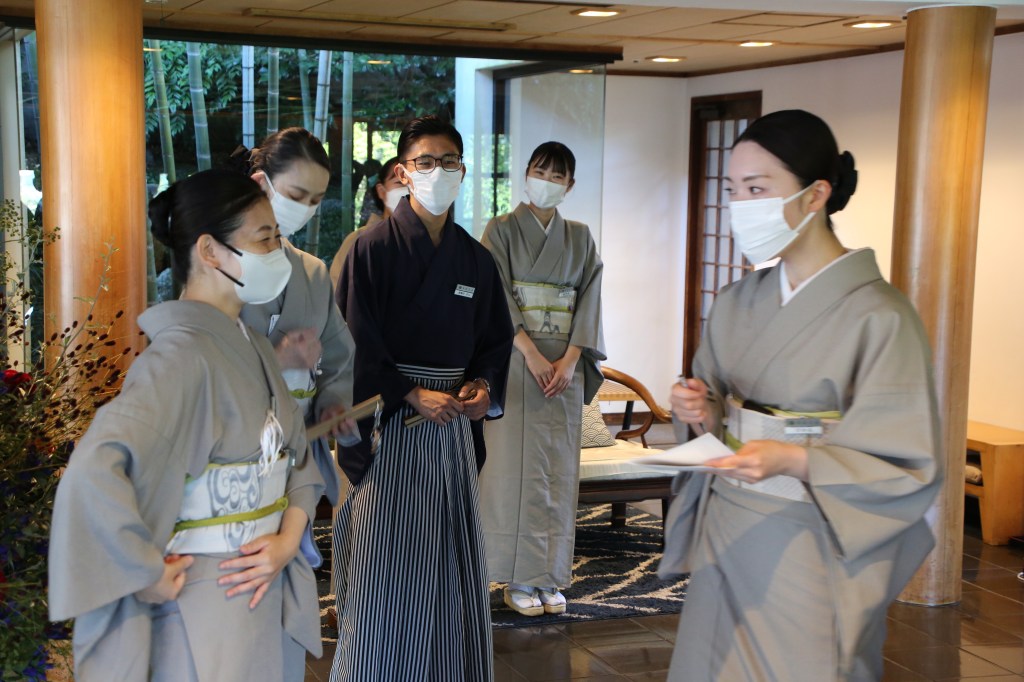
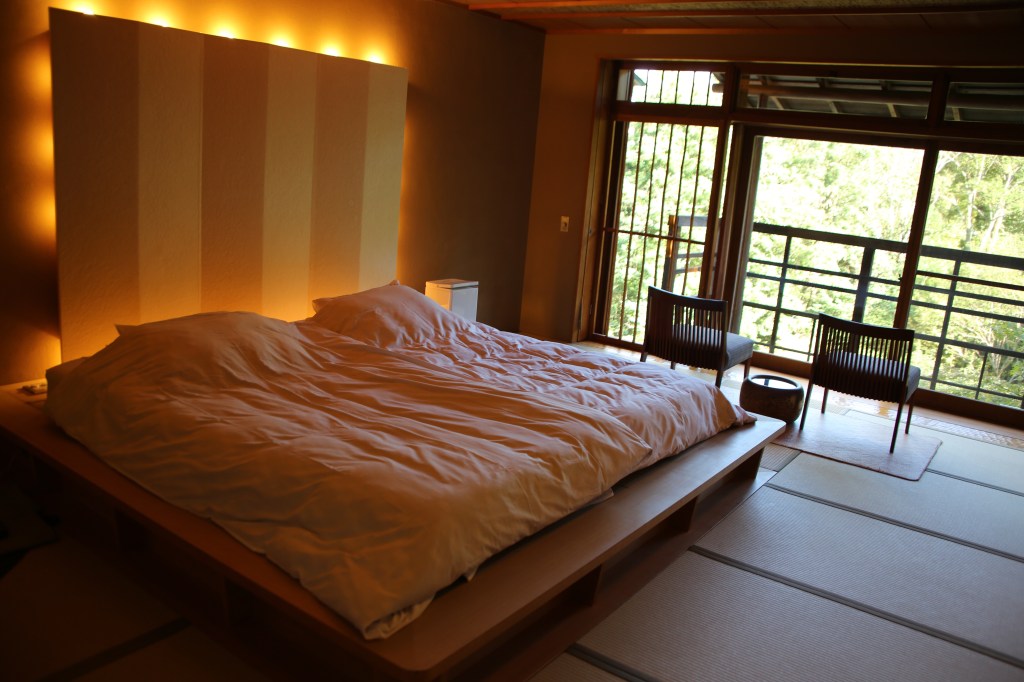
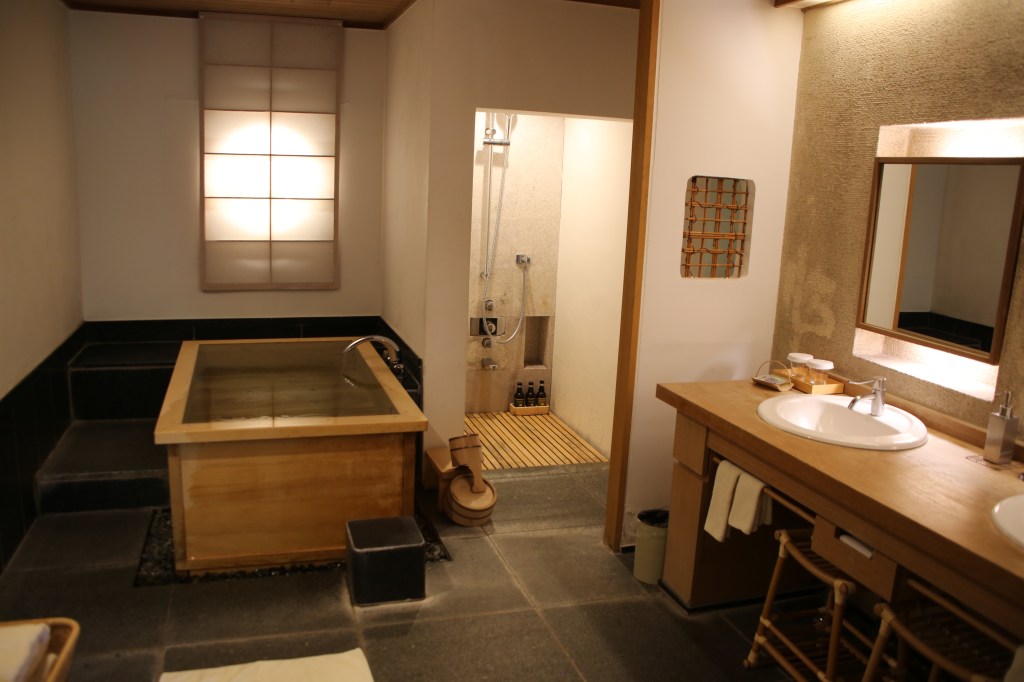
After lunch we checked into our ryoken. A ryoken is a traditional Japanese-style inn. We’re about to experience a couple of nights the Japanese way! Our inn, the Gora Kadan (https://www.ryokancollection.com/ryokan/gora_kadan/) was formerly a retreat for the Emperor in the mid-1700s. Rooms in a ryoken are sparse with clean lines, tatami floors, and futons for beds (not the college dorm type, very plush comfortable ones). Ours had a private onsen (Japanese hot tub) with hot water that constantly flowed in from a hot spring. We wore yukatas, which are a simpler version of a kimono. More like a comfortable, classy bathrobe.

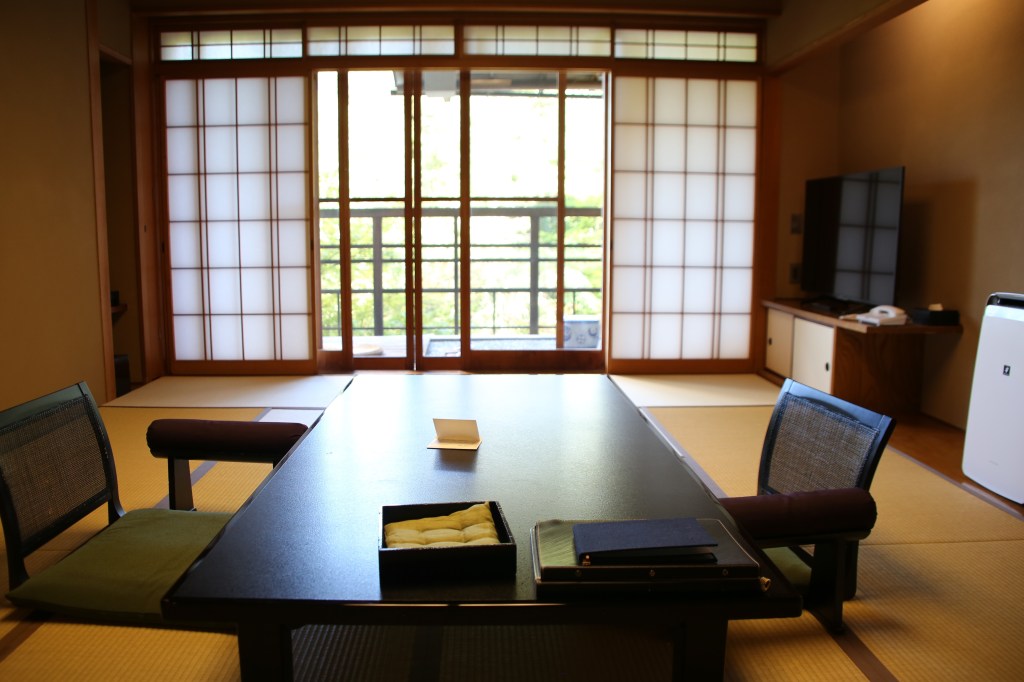
We were served a Kaiseki dinner (traditional multi-course Japanese meal) in our room. Kaiseki focuses on the art of food as well as the taste. Each course was beautifully crafted making our dinner both attractive and delicious.
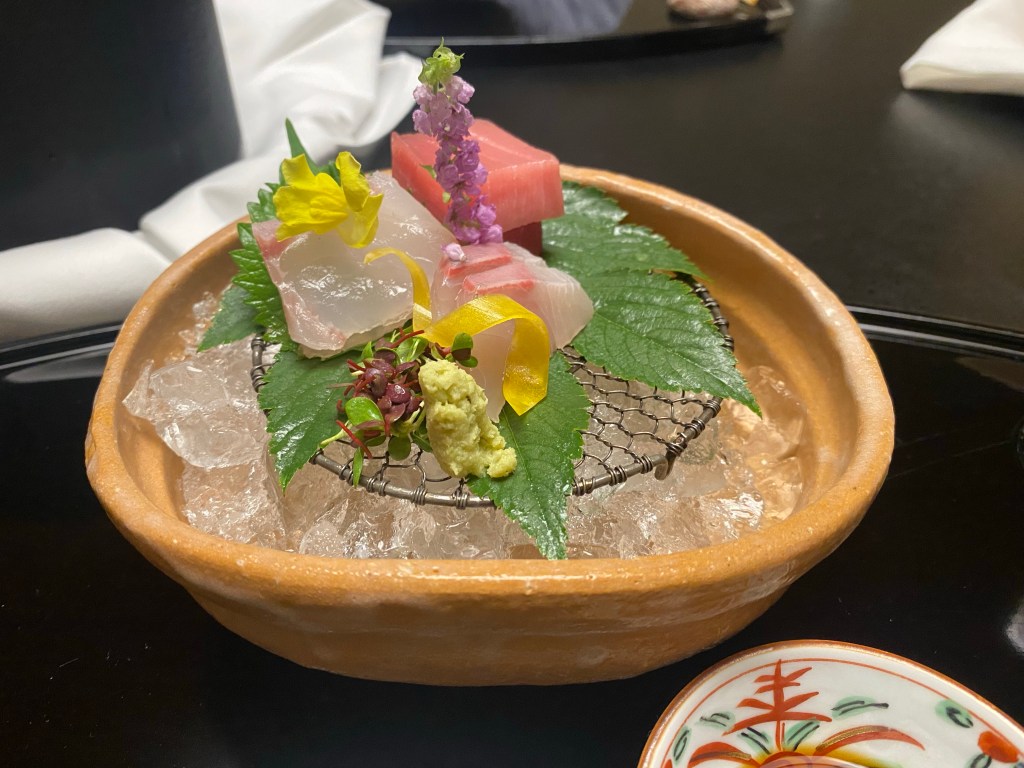
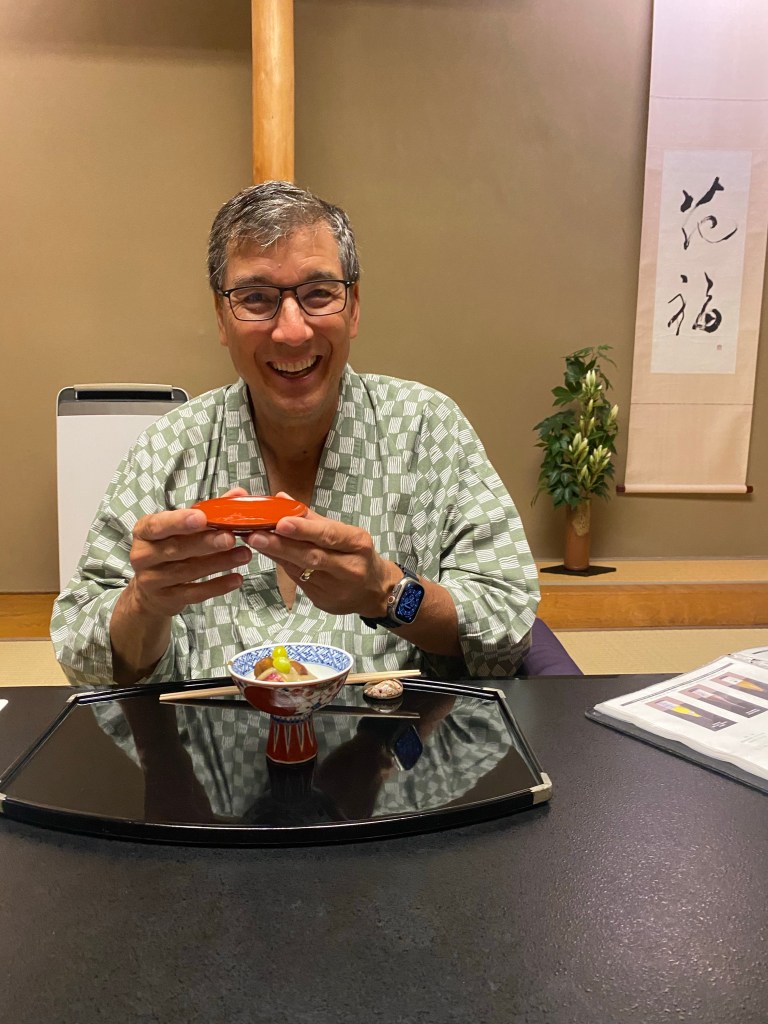
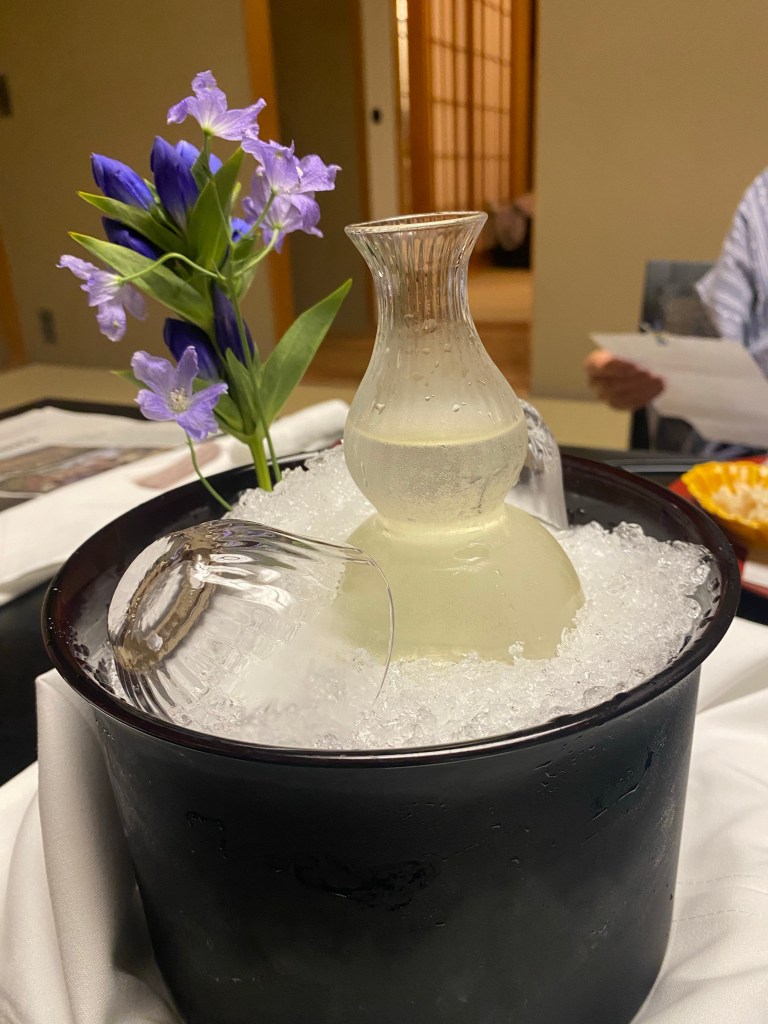
After two hours enjoying a wonderful meal, Lisa and I were full and a bit stiff from sitting on the floor. I think this style of eating takes some practice.
The Owakudani Volcano and the Search for Mount Fuji
The next morning we left for a gondola ride over an active volcano. We met our local guide Shin to help us learn about the area. The gondola took us up the mountain. As we climbed toward the volcanic crater we noticed many dead trees. Shin said the volcano erupted in 2015 and the fumes killed many of the trees. Comforting.
It was another beautiful day. Shin said that as we crested the mountain there was a chance we would see Mount Fuji. In September Mount Fuji is only visible in about one in every ten days. So he didn’t want to get our hopes up. As we approached the top we all waited anxiously, if not cautiously as we had been disappointed on the bullet train the day before. Slowly we climbed an then as we came over the peak . . .
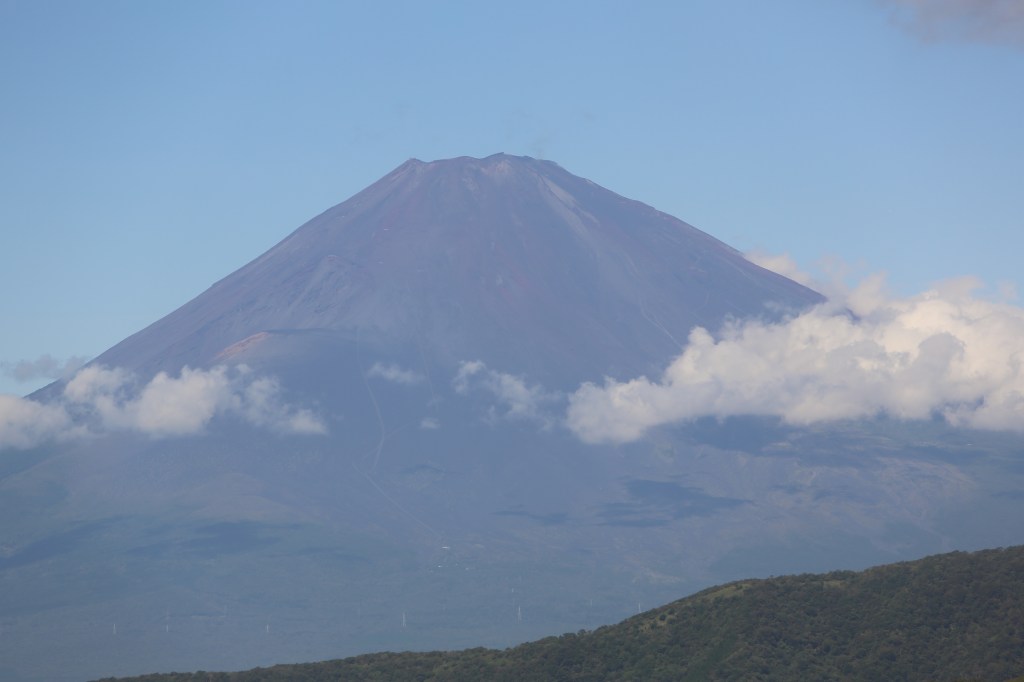
There it was in all of its glory. It was beautiful. We usually see photos of Fuji with snow on it. But, being September, there wasn’t any snow. Still its symmetrical shape and towering strength make it awe inspiring to see. Mount Fuji rises only to about 12,300 feet bone sea level. But, with the land around it being much lower, it sits alone at these heights.
Once we digested the view of Mount Fuji, we retrained our focus on the volcanic crater immediately below us. It has steam rising from vents and areas of yellow sulfur splayed throughout. The volcano has been commercially tapped to supply all the onsen in Hakone. They pump water into the volcano to heat it and absorb the minerals and then send it down the mountain. Apparently it is a very lucrative business.
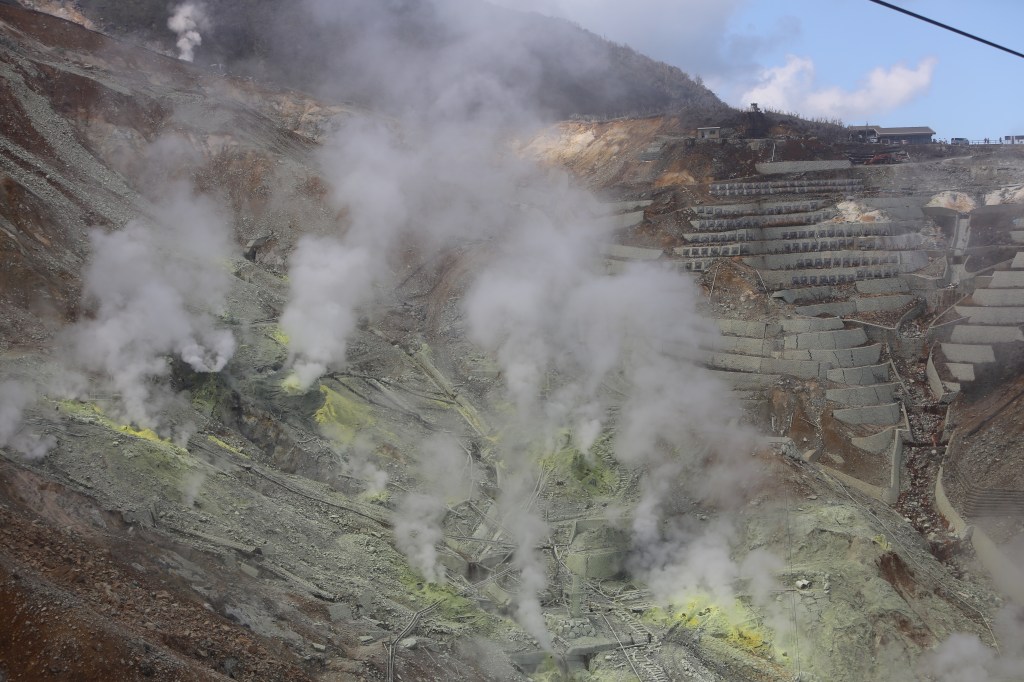
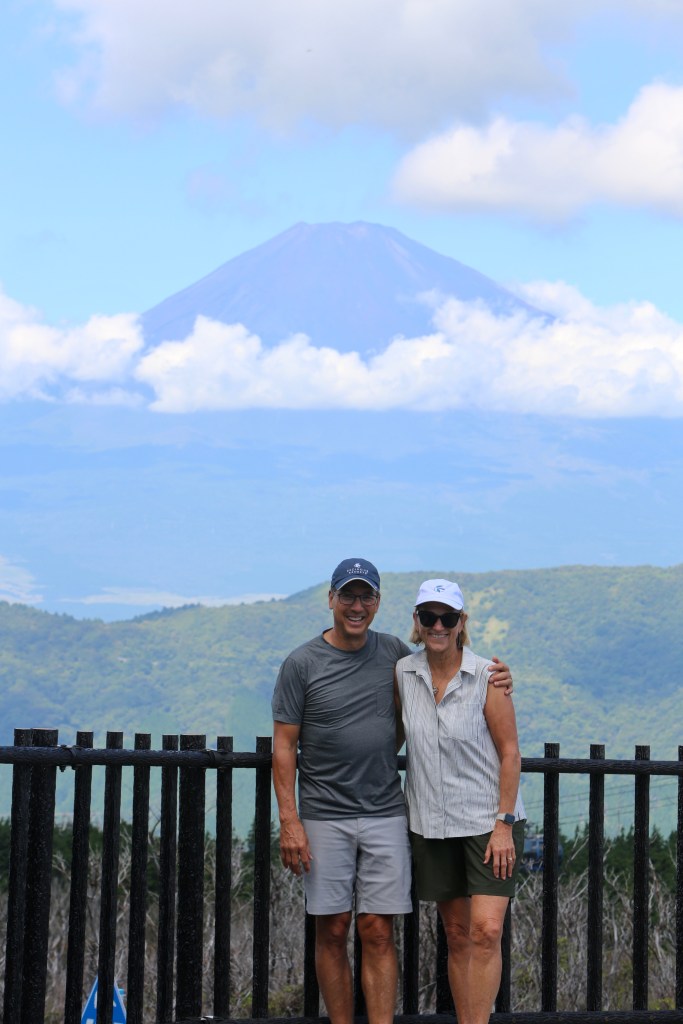
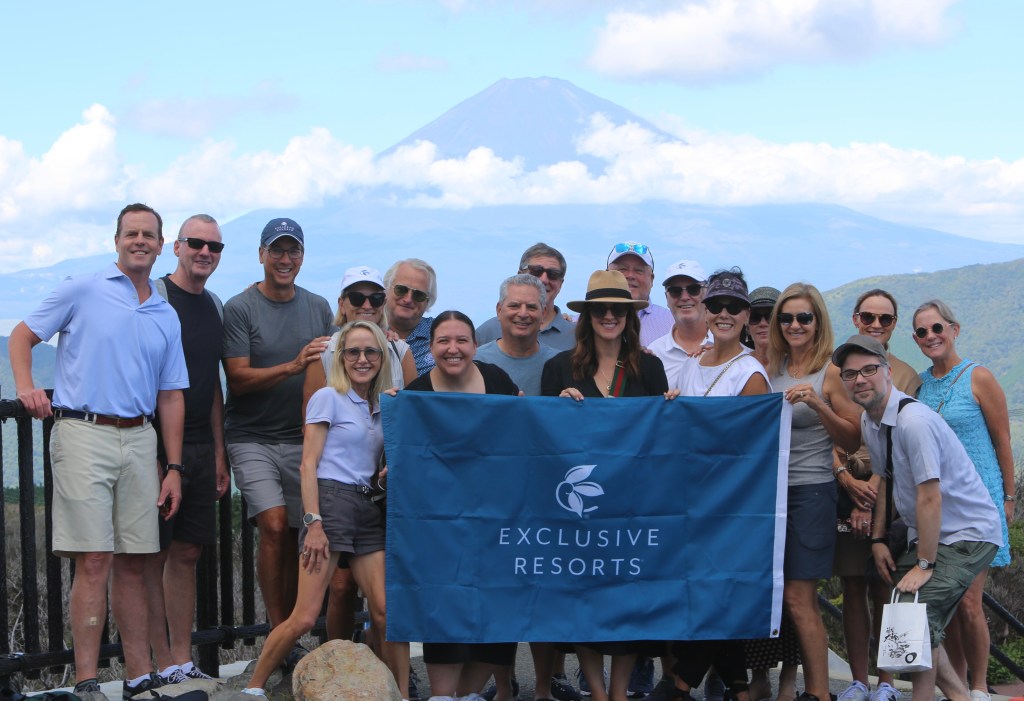
We got off the gondola and walked around to look at the crater, go to a viewing spot for Mount Fuji to take photos and to eat black eggs. Yes. Black eggs. They boil regular chicken eggs in a steam vent in the volcano. The sulfur mixes with the iron in the egg and turns the shell black. It is said that if you eat one it will add seven years to your life.

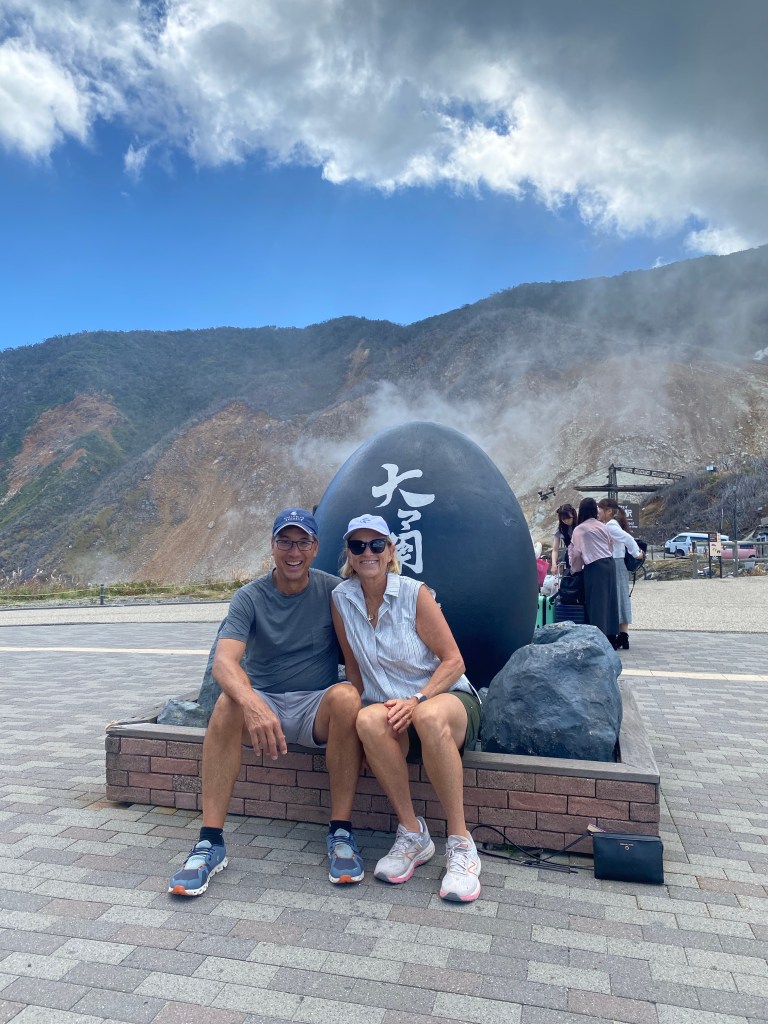
We then went down to Lake Ashi right below the volcano. We rode a pirate ship across the lake — yes, a pirate ship. Apparently the man who started the boat company in the 1960s had recently visited Disneyland and loved how it made the children happy. He wanted to make the local children happy and it stuck. Children have been happily sailing Lake Ashi for the past 60 years.

The Hakone Checkpoint
We got to the other side of the lake, ate lunch and then headed to the Hakone Checkpoint. Bear with me while I explain (with apologies to historians for the simplified version).
Tokugawa was a Shogun (military general) in the 1600’s who defeated the army from the east and united Japan. He wanted Japan to be at peace for the first time in centuries. In times past, the victor would simply kill the other Shogun and that would be the end of it.
Tokugawa didn’t want to make martyrs of his enemies that could inspire revolution. So, once he relocated the Japanese capital from Kyoto to Edo (now Tokyo), he told the losing Shogun to relocate to Edo. They refused because they would have to forfeit all of their land and wealth. So, Tokugawa kidnapped their wives and oldest sons and brought them to Edo. He told them that if they wanted to see their families they would need to come the roughly 300 miles on the Tokaido Highway to Edo and spend every other year there.
Of course the men, being of much importance, couldn’t travel without a large contingent of servants, security, supplies, etc. All travel was on foot then, so, they walked. Up sprung inns, suppliers, and other businesses along the route. This meant the generals had to spend much of their wealth to make the two-week trek to Edo. Poor generals can’t mount a coup. Smart guy, that Tokugawa.
He also put in checkpoints on the Tokaido Highway, the most important one being at Hakone whose valley was a strategic choke point in the mountains. Hakone checkpoint was on the shore of Lake Ashi and required all who passed to have papers that showed permission to travel the route. Most focus was placed on women and children to ensure the wives and sons of the shogun weren’t escaping back to Kyoto. Get caught trying to escape — off with your head.
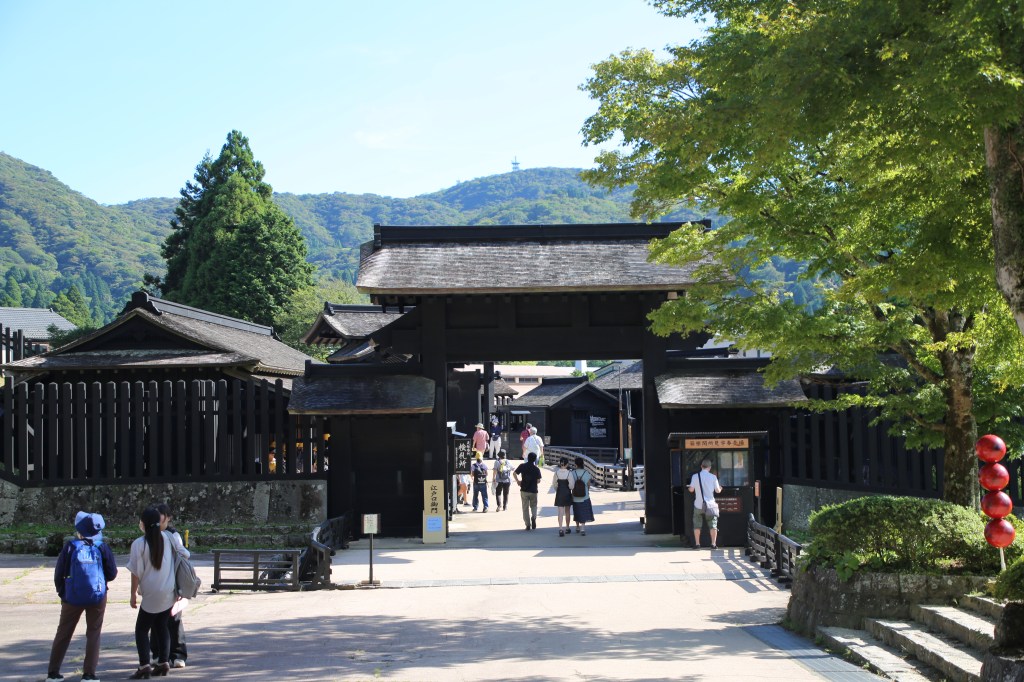
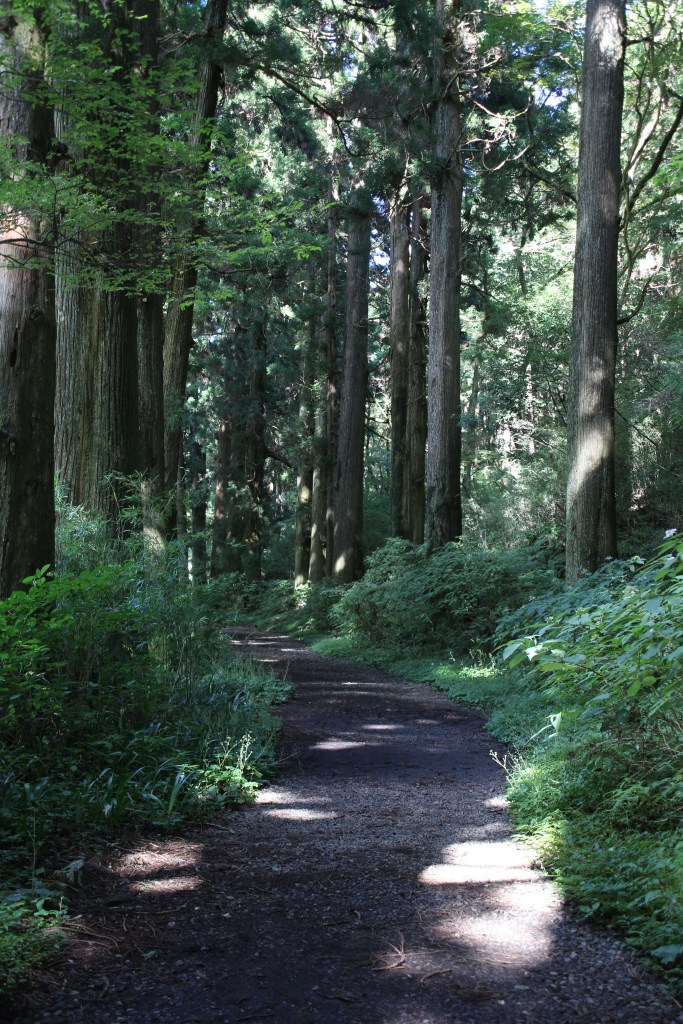
Tokugawa also had a softer side. Since the Tokaido Highway was such a traveled route between Kyoto and Tokyo, he had cedar trees planted all along the way to provide shade for travelers. Those trees, now 400 years old, still grace the road today.
How Do You Open This Box!?!
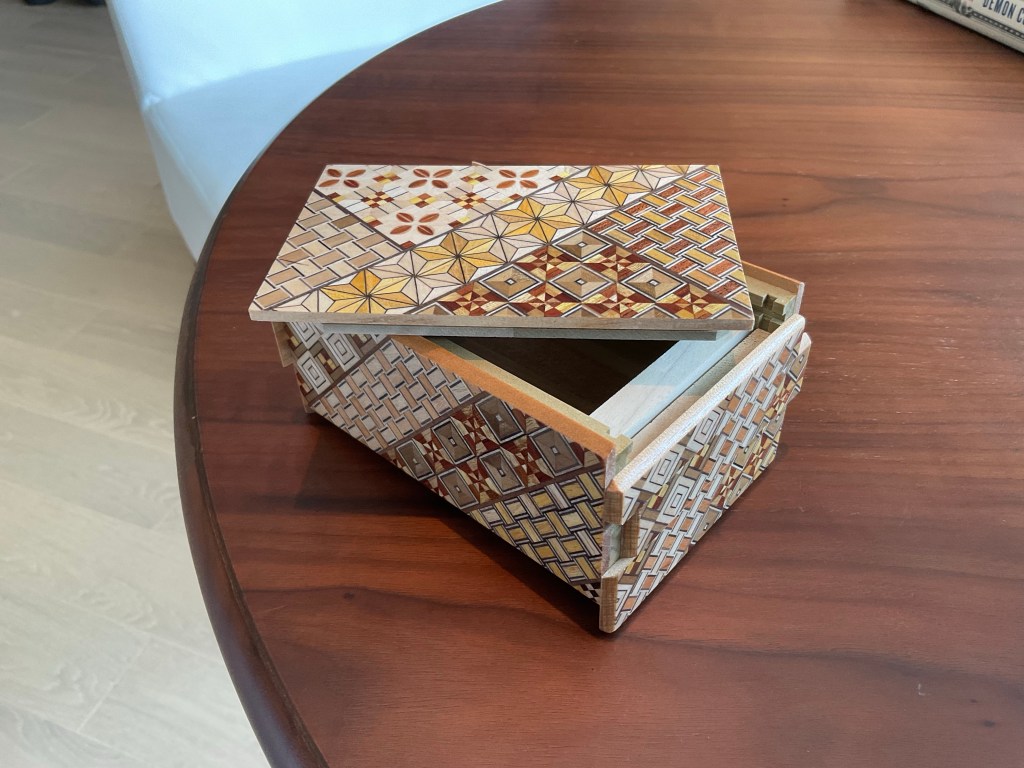
Hakone is also know for the famous trick box. They are beautiful wooden boxes that appear to have no opening. Fiddle with it long enough and you will find hidden panels that, when manipulated in a specific order, will open the box. So cool.
We got one in our room at the ryokan when we checked in. I worked on it for 45 minutes before I figured out how to open it. It took another 30 minutes or so before I could replicate the moves I made the first time. My box takes 10 moves. There are boxes that can take dozens or even hundreds of moves to open. I don’t have time for that!
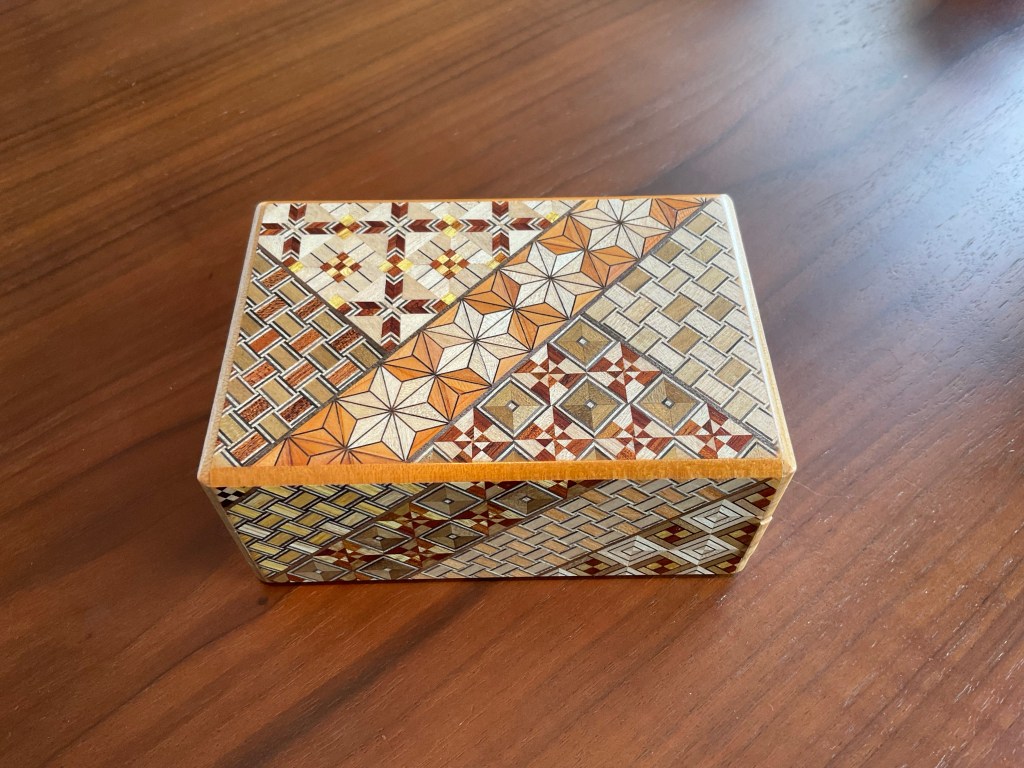
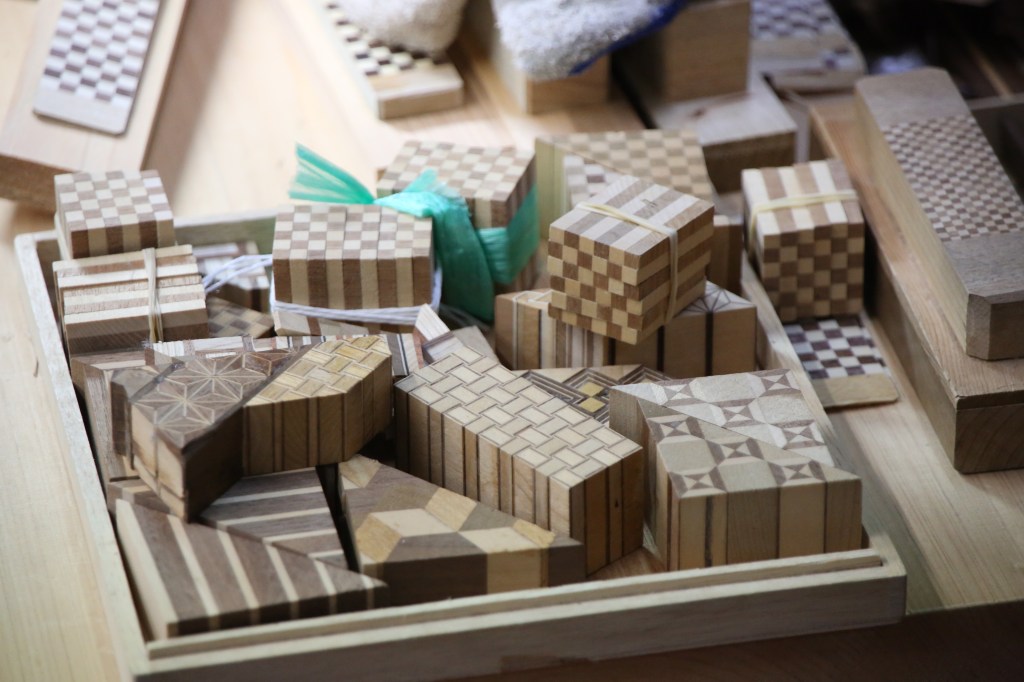
We went to the store where the boxes are made. They aren’t painted. Each different color is actually a different type of wood. The craftsman who makes them showed us how they take the pieces, glue them together, then shave off a panel for the box. Fascinating.

We might be coming home a with a few of these boxes to give to grandkids. Simpler ones, of course.
That’s it for today. We are heading back to Tokyo with a stop in a beach town on the way. We’ll wrap up with our final thoughts on Japan in our next installment.
 Lisa and Brad's Travels