
“I set off a bomb at a military building. I didn’t want to kill anyone and no one died. But, I made a statement about apartheid,” said Mabaso. Thulani Mabaso was a prisoner at Robben Island, a flat round island in the bay seven miles from Cape Town. He was imprisoned when he was 19 and finally freed when Nelson Mandela negotiated the release of all Pocahontas prisoners in 1991 — 12 years later.
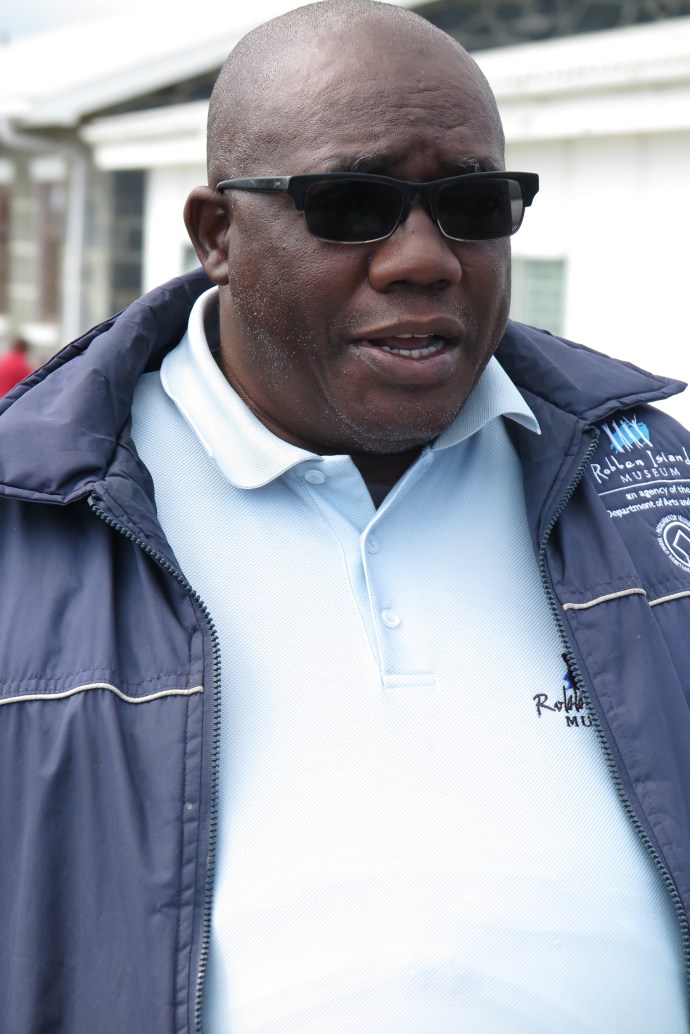
Mabaso was our tour guide at Robben Island. He was articulate and passionate as he led our group through the prison where Nelson Mandela spent 17 of his 28 years in prison. All of us were riveted at his emotional recollections of Mandela and the conditions at the prison.
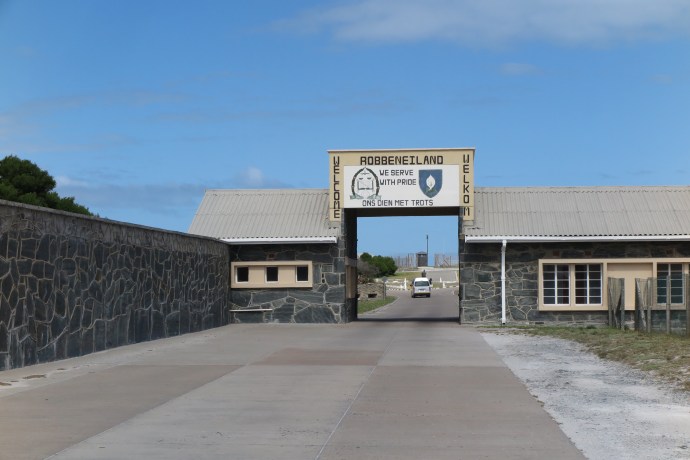
We saw the place where prisoners were processed into the prison. They were stripped, searched (in the only places that can be searched when one is naked), and issued clothing. The black prisoners were made to wear shorts to remind them the oppressive system of apartheid viewed them as mere “boys.” Leaders like Mandela were placed in a 6 ft. by 6 ft. cell with a mat as a bed, three blankets, and a bucket to use as a toilet.
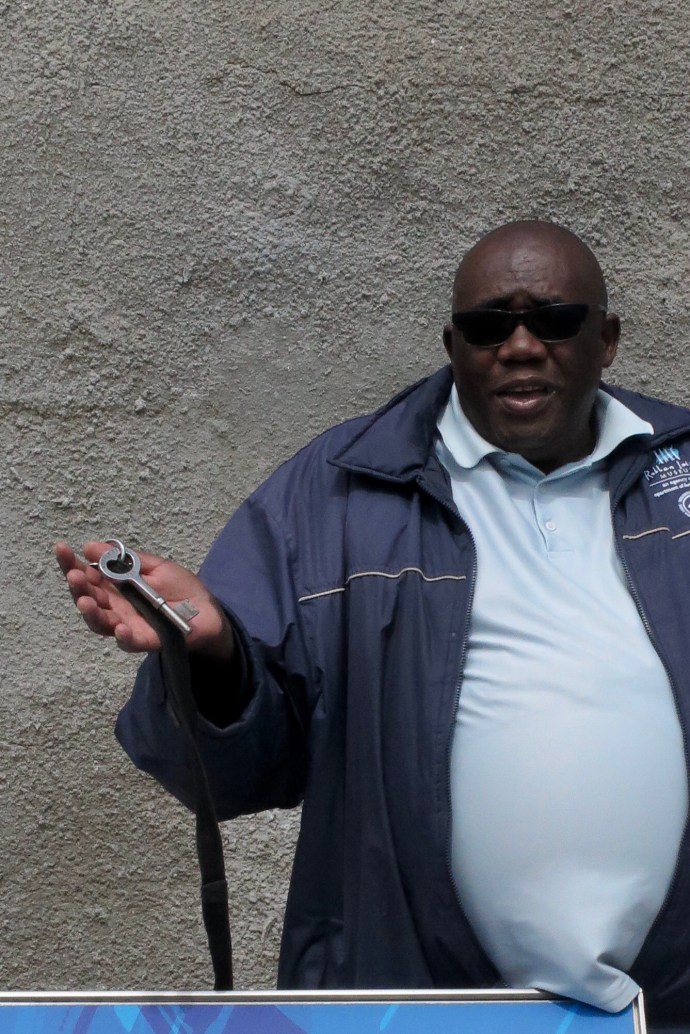
Mabaso was quite proud that he was given a master key to the prison, an item he would have prized while incarcerated there. He planned to open the cell where Mandela had stayed. He bragged that other tour groups were only allowed to peek in.
While at Robben Island, Mabaso, like all political prisoners, was tortured. They beat him, cut him, forced him to eat his feces, and many other unspeakable acts. Family had to make arrangements to visit prisoners six months in advance. The prisoners, however, didn’t know about the visit until shortly before it occurred. Then they could only visit for 30 minutes with a glass wall between them. Once, Mabaso was told his father was coming to see him in a couple of days. He was so excited. When the time came for his father’s visit, he was brought to the warden’s office. They told him that he would be receiving no visitors that day. His father had been shot seven times and killed in his driveway the day before. They laughed at him and taunted him. He returned to his cell and cried.
When Mandela became president of South Africa in 1995, he closed Robben Island as a prison and converted it into a museum so the country would always remember. During the reunion of political prisoners that followed, Mabaso said he rose the ferry out to the island, but, he couldn’t force himself to get off. Once everyone else had exited, a crewman told him he had to disembark. He forced himself off. It was a highly emotional moment as the memories of his abuse came flooding back.
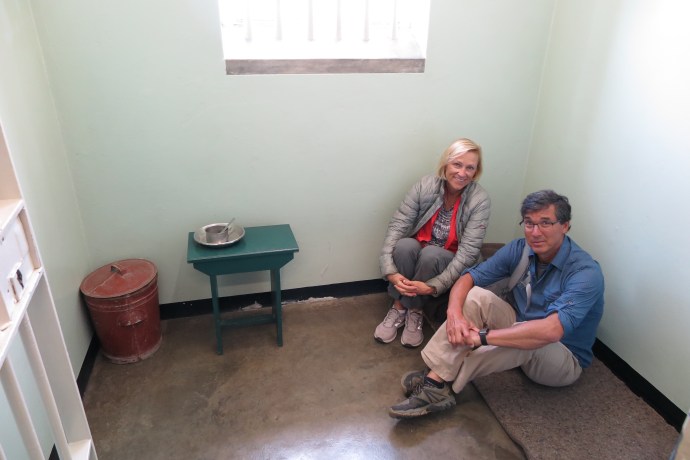
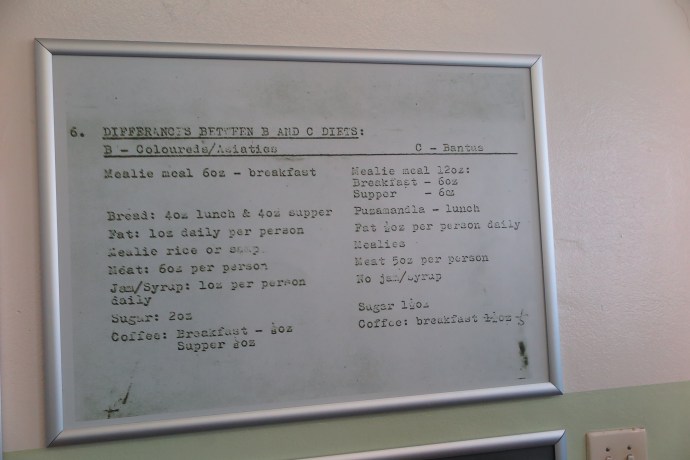
He then walked us to B section, the place where Mandela was imprisoned. We were able to enter his tiny cell. Mandela was about 6’4″ so he couldn’t even fully stretch out when he laid down on his mat. The prison only held Black (Bantu) and Coloured (Indians, mixed race, Asians) prisoners. White prisoners were held elsewhere. Black prisoners were given far fewer privileges, including a more sparse diet. Lisa and I have been reading Mandela’s autobiography, Long Walk to Freedom. It was incredible to us to see in person the place he described so vividly. We walked into the cell and sat on his mat. We could feel his presence there. I imagined what 17 years in this place would be like.
The daily schedule was unchanged. The were awakened, lights on at 5:30am; they were let out of their cells to clean their buckets at 6:45 am; they then ate a meager breakfast. The were chained up and walked to the limestone quarry about a mile away where they worked at breaking up and moving stone that would not be used for anything. At 4:00 they returned and took cold seawater showers that cleaned off the dirt and sweat but made them itchy from the salt. Mabaso said he read about Colgate soap that reduced the itching effect of the seawater. It worked and he said he still uses it today. The were then fed dinner and put back in their cells only to do it all over again the next day. They had Sundays off, but, Mabaso said it was the longest day of the week because they stayed in their cells most of the day.
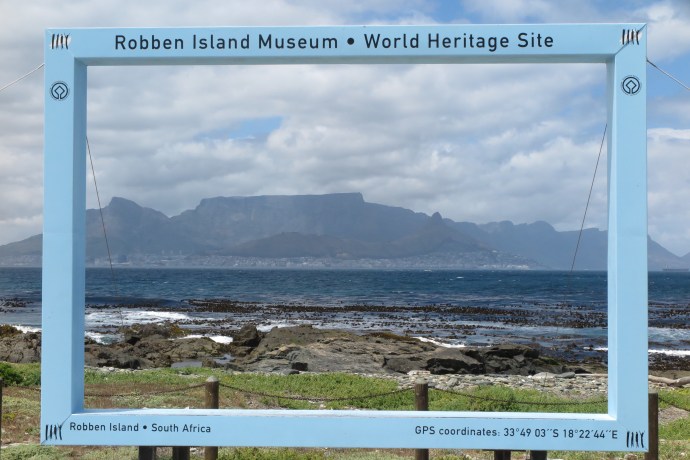
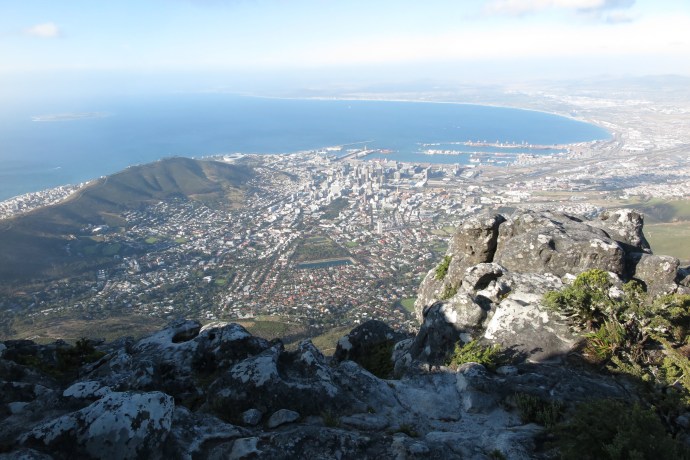
Mabaso told us that the view of Table Mountain from Robben Island kept him sane. He once said that he would climb to the top of that mountain some day. A guard overheard him and said, “In your dreams.” Shortly after his release in 1991, Mabaso climbed Table Mountain. He said his dream had come true.
President Obama came to visit Robben Island during his visit to South Africa. Mabaso was there to coordinate the event and help lead him around the prison. A very proud day for him. You can read more about Thulani Mabaso’s story here: https://www.atlasobscura.com/articles/apartheid-in-south-africa
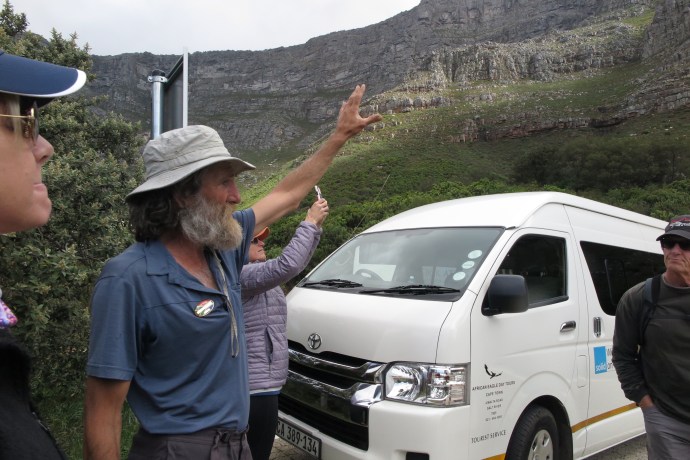
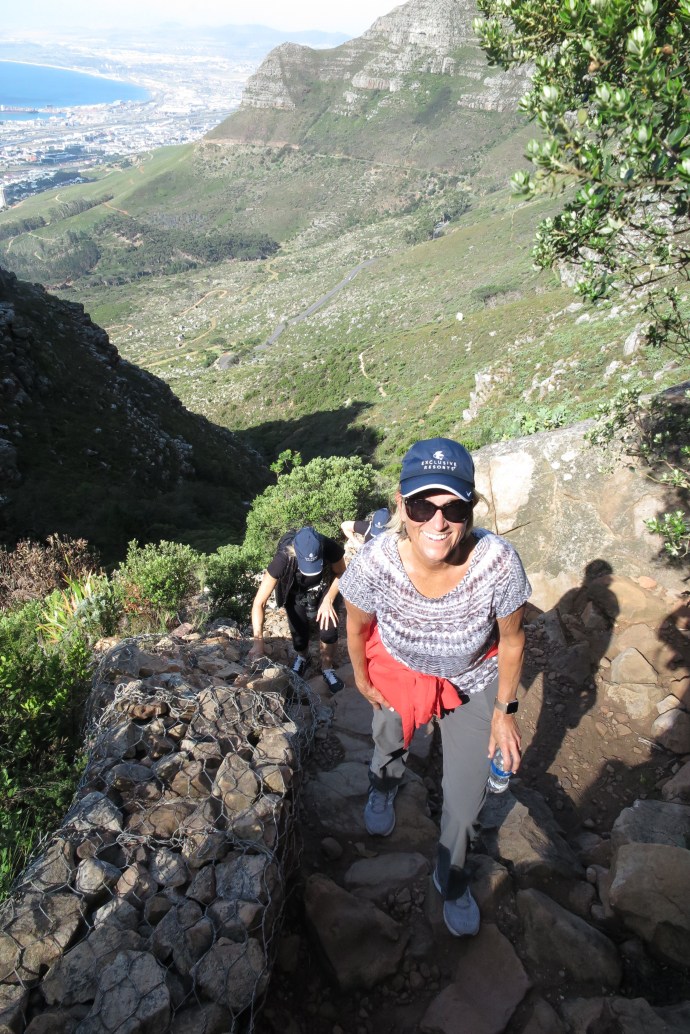
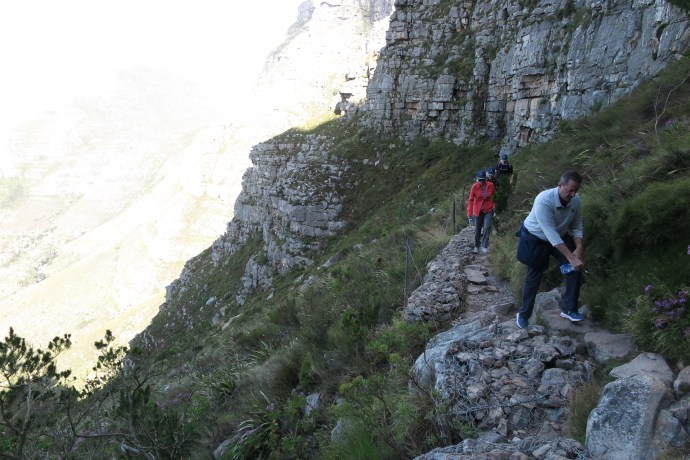
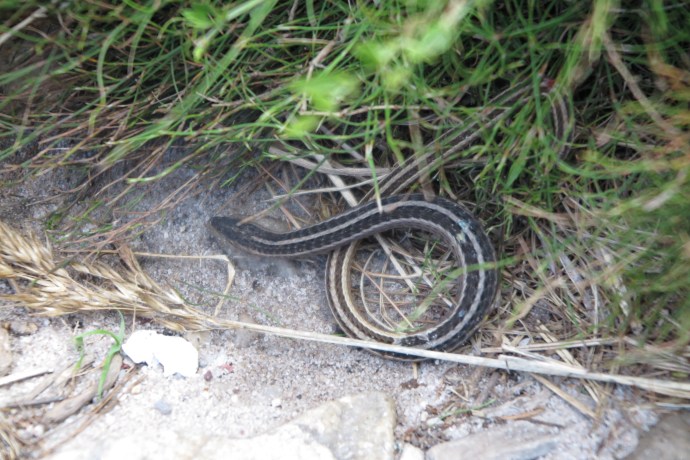
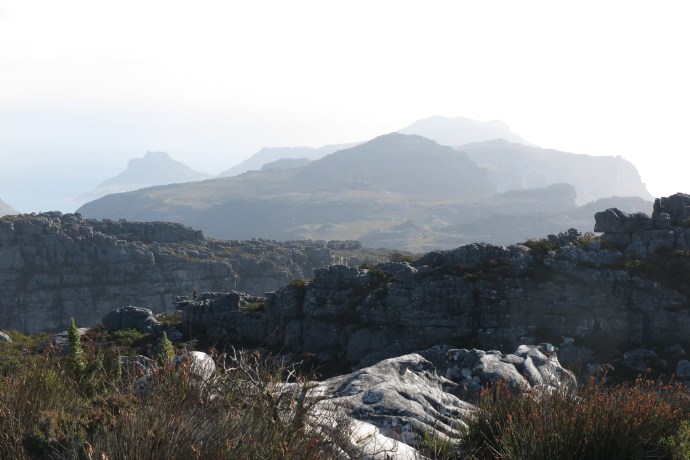
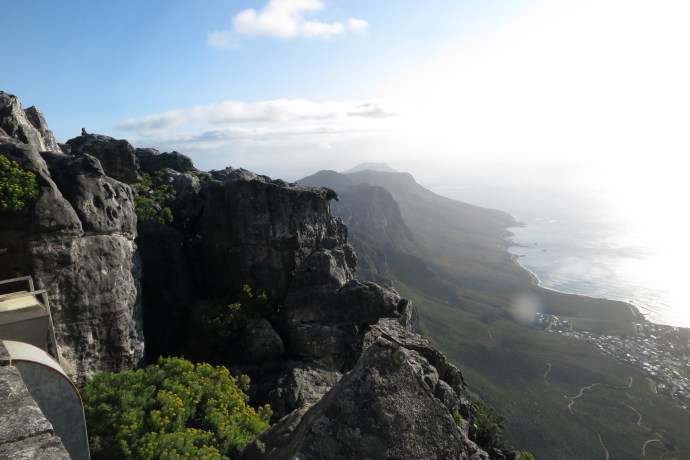
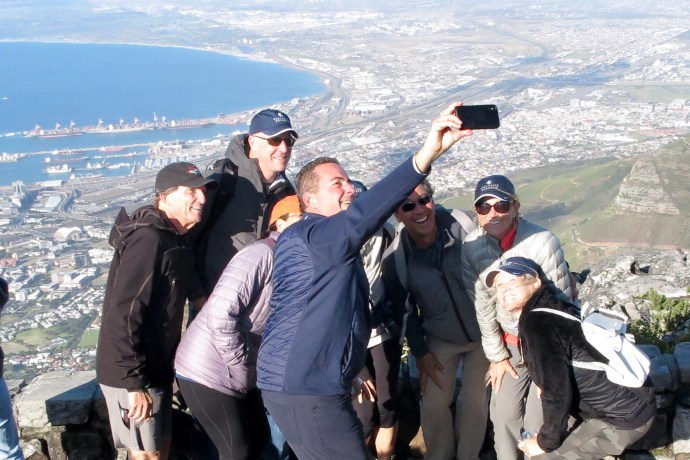
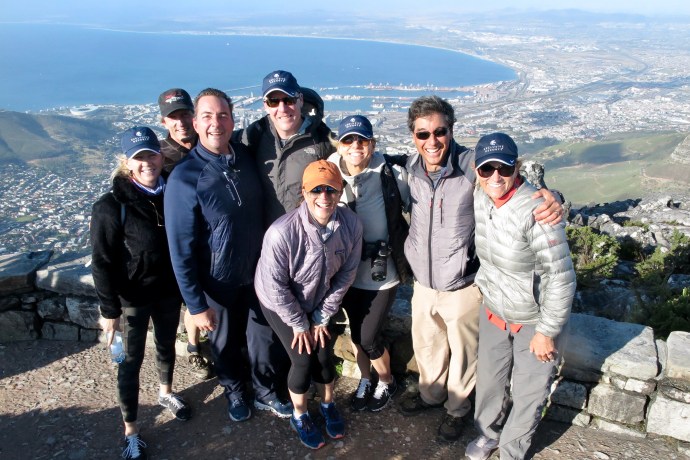
Speaking of climbing Table Mountain, Lisa and I did just that later the same day. The mountain is steep and rocky. The 2 1/2-mile, 2500 foot climb took us a little less than 2 hours, and ensured we slept very well last night! Our guide, Ross, looked straight out of central casting and was a fantastic educator on flora, fauna and trail tips. We were hot and sweaty for most of the steep, rocky climb. But, as we neared the summit, the winds picked up and the temperature dropped substantially. That caused us all to become a bit chilled as we waited for the tram rise down. Still, the views from the top were spectacular and we felt a tremendous sense of accomplishment as we posed for selfies in celebration.



 Lisa and Brad's Travels