
This has always been true. The victor in every war gets their version of the truth placed in the annals of history. We Americans, however, are not accustomed to being on the wrong side of the victory ledger. We have always written the book.
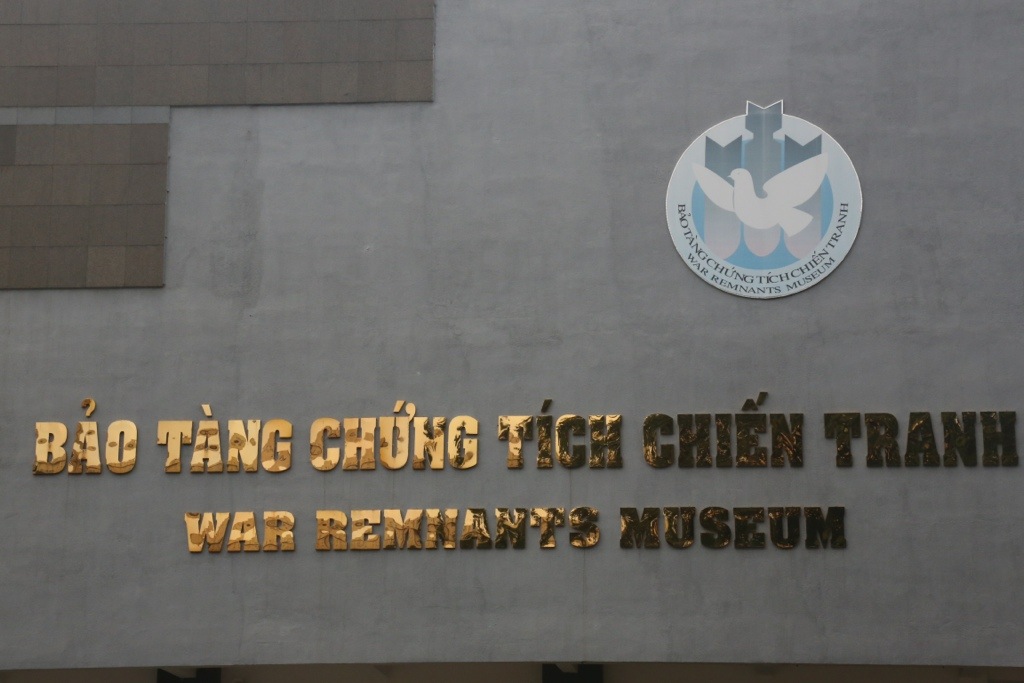
Phung, the head of our tour guide team, said this to us as we were getting off our bus at the War Remnants Museum in Saigon. He was warning us that we would not necessarily like what we saw. The museum opened in 1975 in the building that housed the US information agency. It first opened as the “Exhibition House for US and Puppet Crimes.” This was later changed to “Exhibition House for Crimes of War and Aggression,” and, finally, in 1995 as US/Vietnamese relations were warming, the museum was given its current name.
My Dad was a rescue helicopter pilot in the Vietnam War. His job was to pick up downed fighter pilots in North Vietnam and bring them home. Many of those pilots are still alive today and grateful for his heroism. I will forever be proud of him. As such, viewing this one-sided version of the war was particularly hard.
That’s not to say the US didn’t do things that we all wish they hadn’t. Agent Orange — a defoliant used to kill jungle growth — had devastating affects on the environment and the people in its path for decades. Napalm, also used to clear the jungle — but, much more quickly — burned down villages and killed many innocent people. The Mai Lai Massacre was unforgivable. These acts were well documented in the museum. They invoked the intended emotional result on all of us. There were many omissions, too. The involvement of the Soviets and Chinese were never mentioned. The crimes of the North were also omitted. War is ugly and no one wins. The leaders of countries at war often make poor judgments for tactical advantage. Perhaps all isn’t fair in love and war. If the museum did anything well, it made this point strongly.
The Cu Chi Tunnels
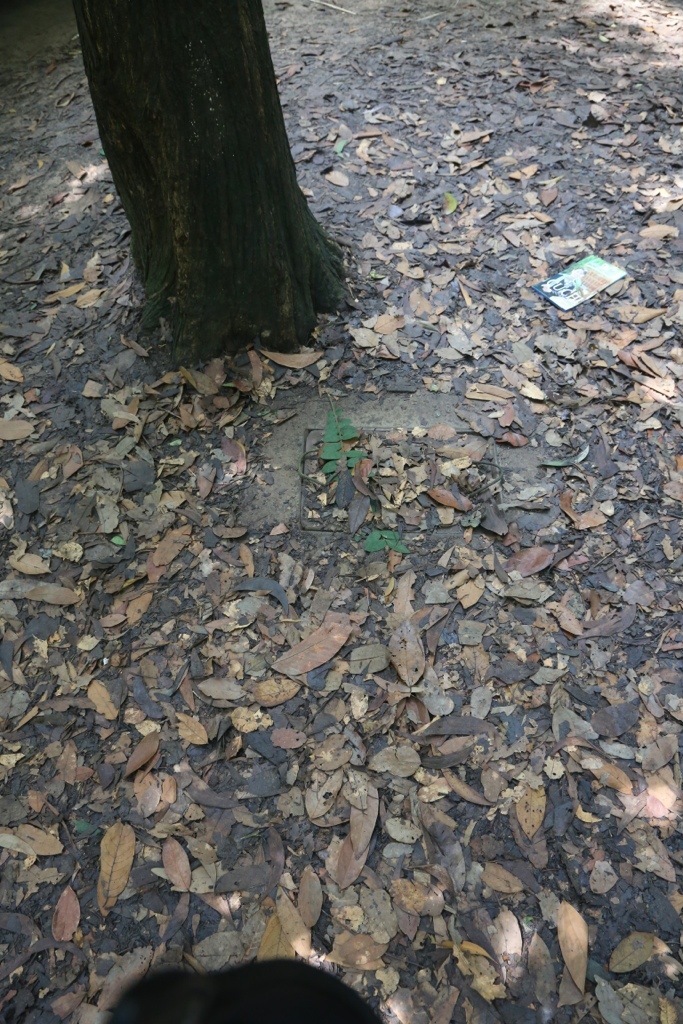
We drove about 40 miles northwest of Saigon this morning to visit the Cu Chi tunnels. They are a network of tunnels in the jungle town of Cu Chi that the Viet Cong used to hide from French troops and American GIs. The tunnel network is miles long and traveled from home to home, out to the Saigon river, to the Ho Chi Min Trail, and even under an American airbase. We had a chance to learn about the clever tactics of the Viet Cong and the harsh conditions they lived under. The Tet offensive on Saigon was largely launched from here according to Hien, our guide.
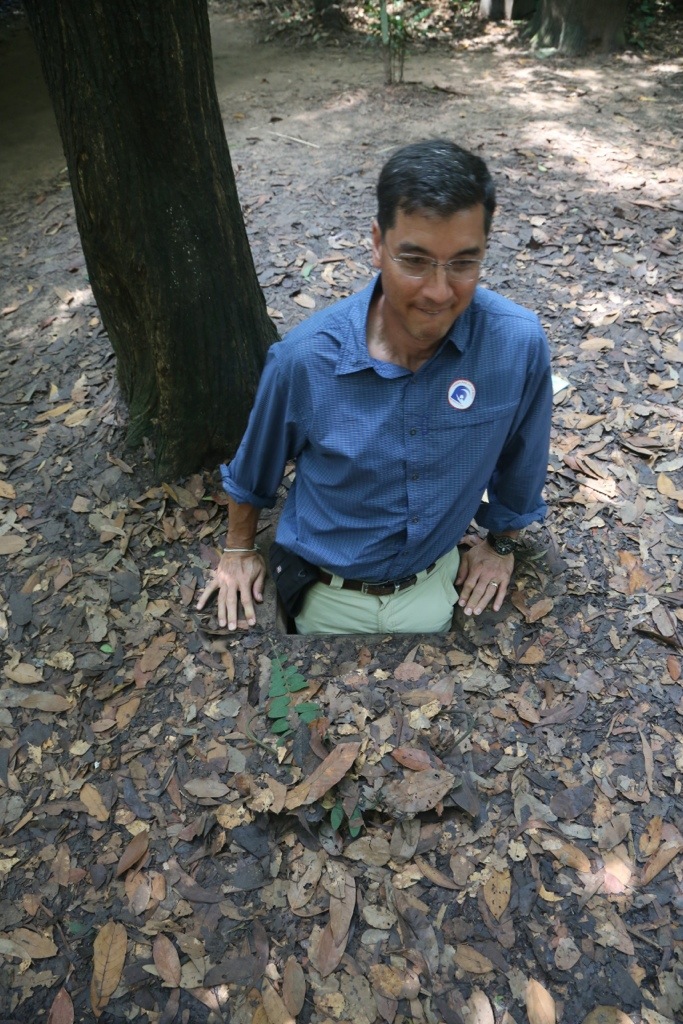
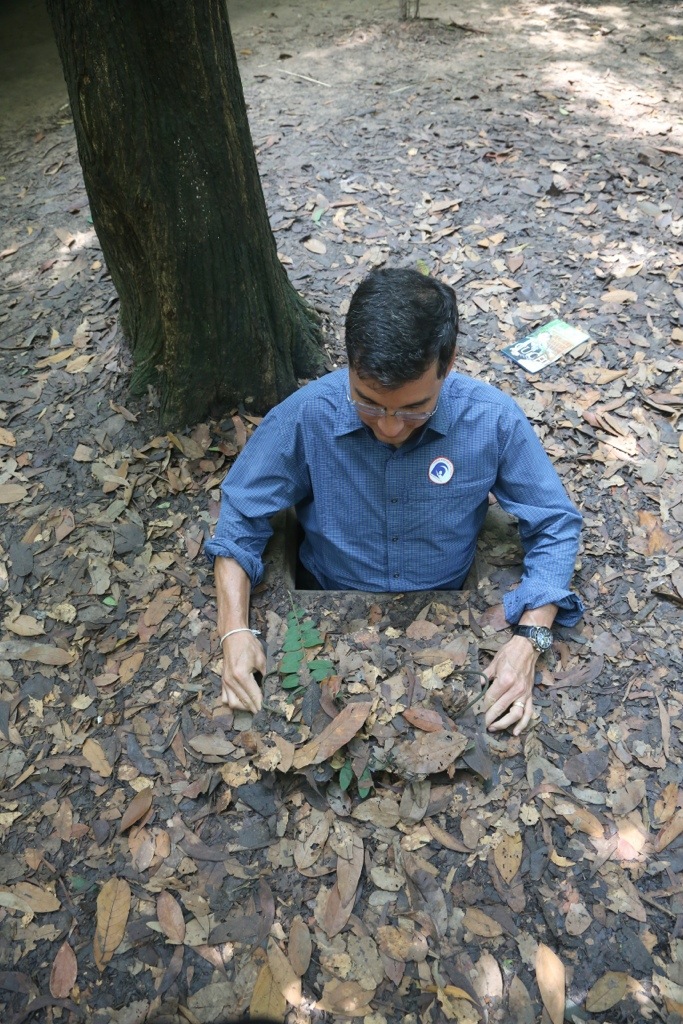
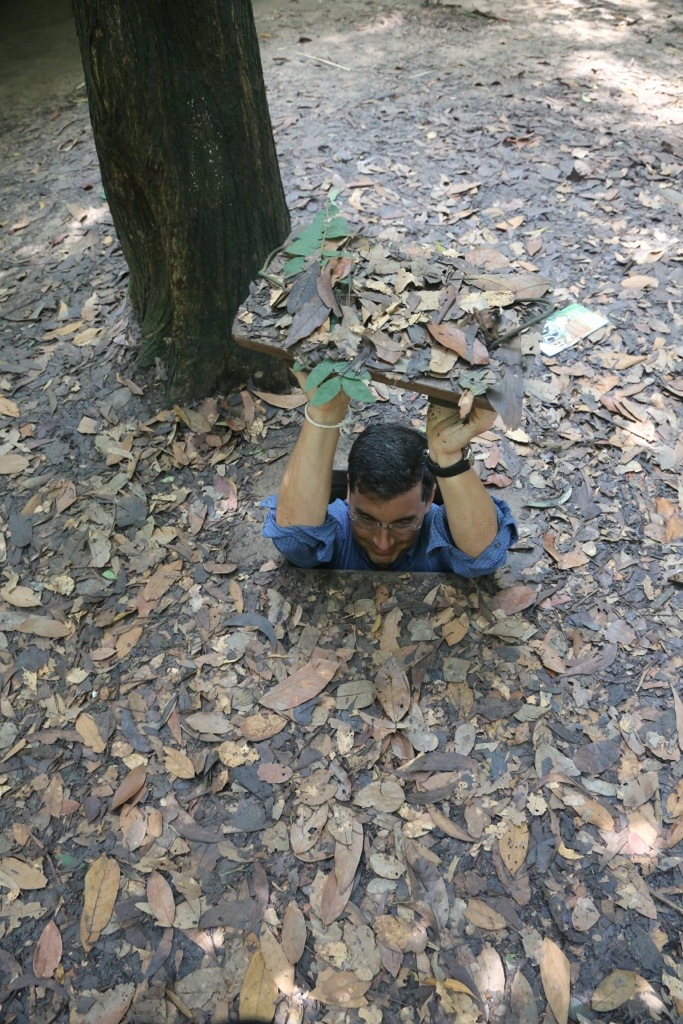
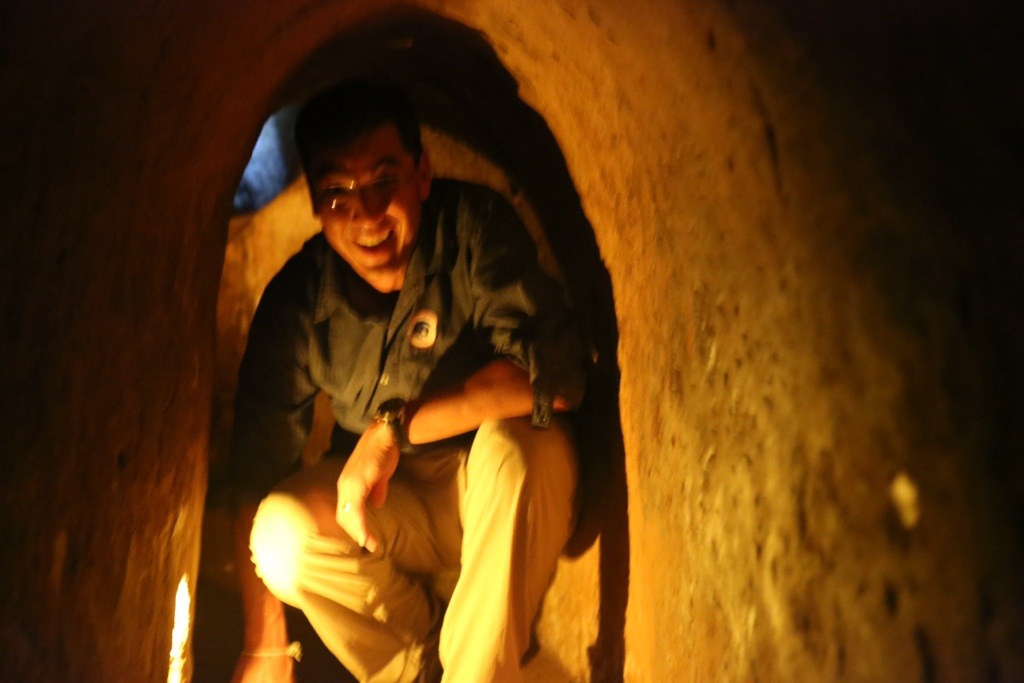
I had a chance to crawl through one of the tunnels. Lisa started to go, but, her claustrophobia got the better of her and she waited for me up top. While the tunnels went as far as three stories down, I simply walked through the first level. Imagine duck-walking for about 200 yards. And, the tunnels have been enlarged. Originally, I might have had to crawl and squeeze through the space.
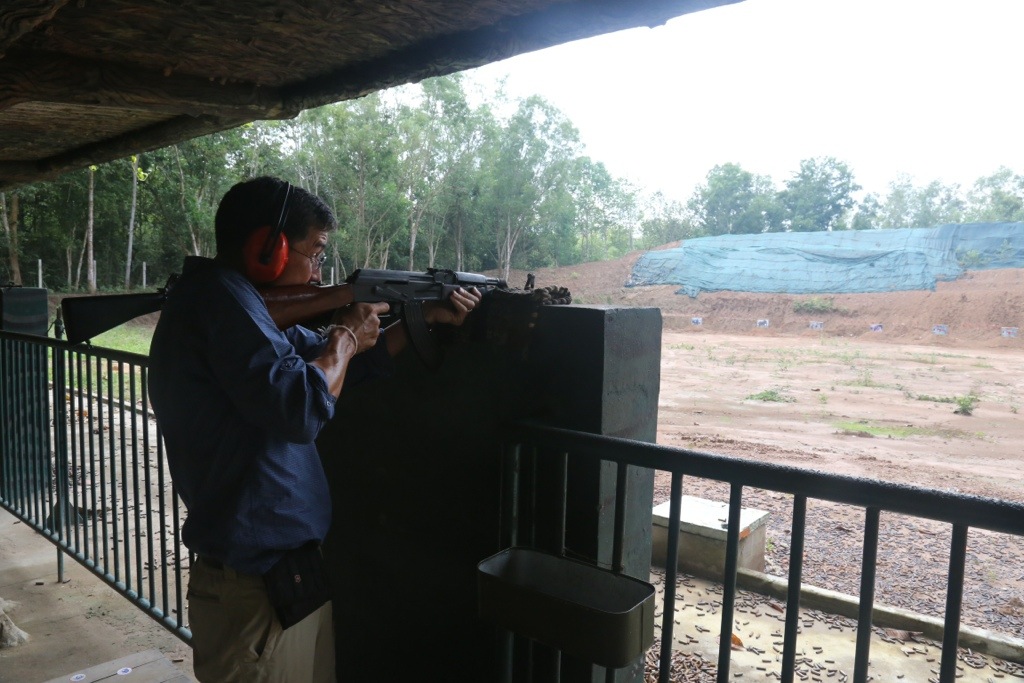
I popped up and there waiting for me was a smiling Lisa, glad I made it, but, even more glad she stayed on top! I also got to fire an AK-47. Seventeen dollars for ten bullets. Capitalism at its best.
Mr. Cuong
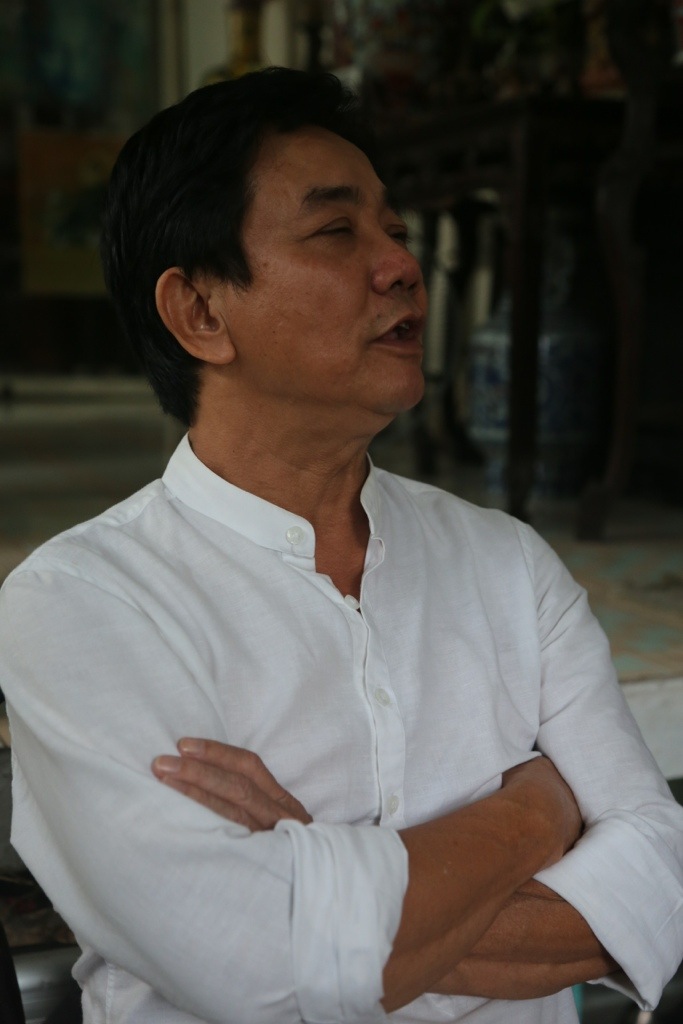
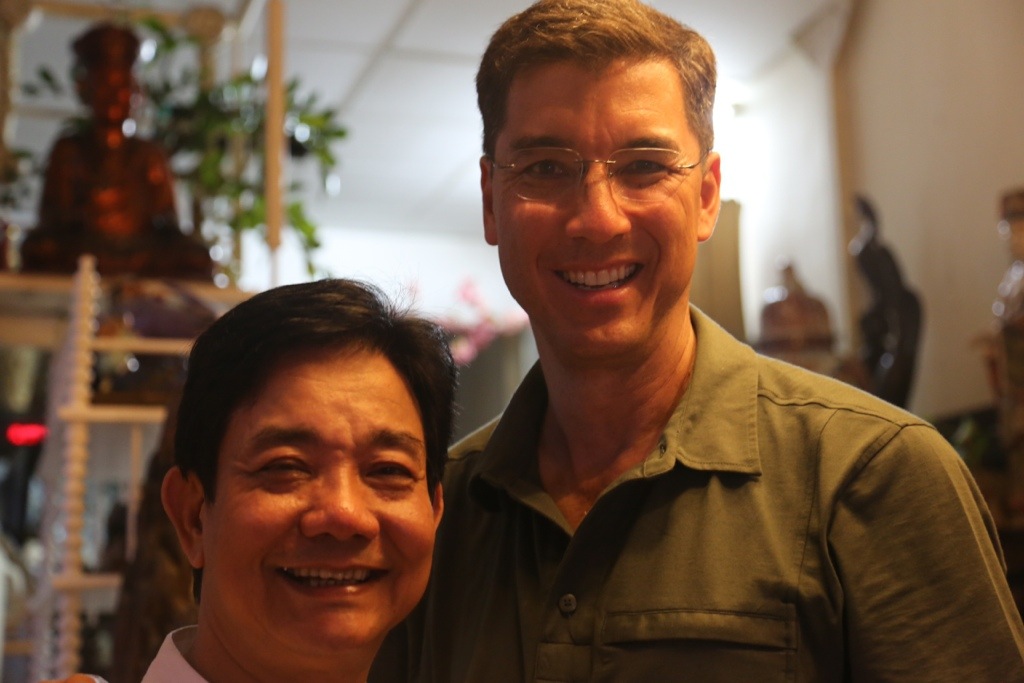
One of our more poignant moments was our personal meeting with Mr. Cuong. Mr, Cuong was a photographer for the Associated Press during the war. He was there during some of the most historic moments. He was at the Presidential palace when Saigon fell, he photographed the evacuation of Americans and Vietnamese on those final days, and he was in many battles, recording the images of war.
We had a chance to sit with him in his modest home above a convenience store and ask him questions about his experiences. He was generous, engaging, and even complimented my photograph of his camera collection!
Saigon — A Western City
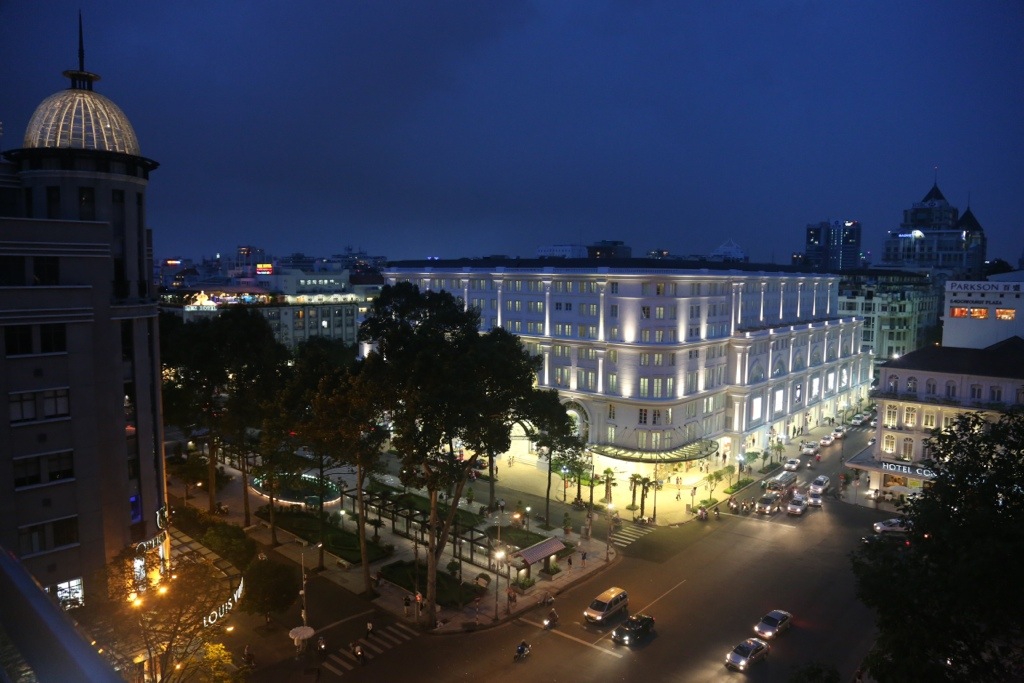
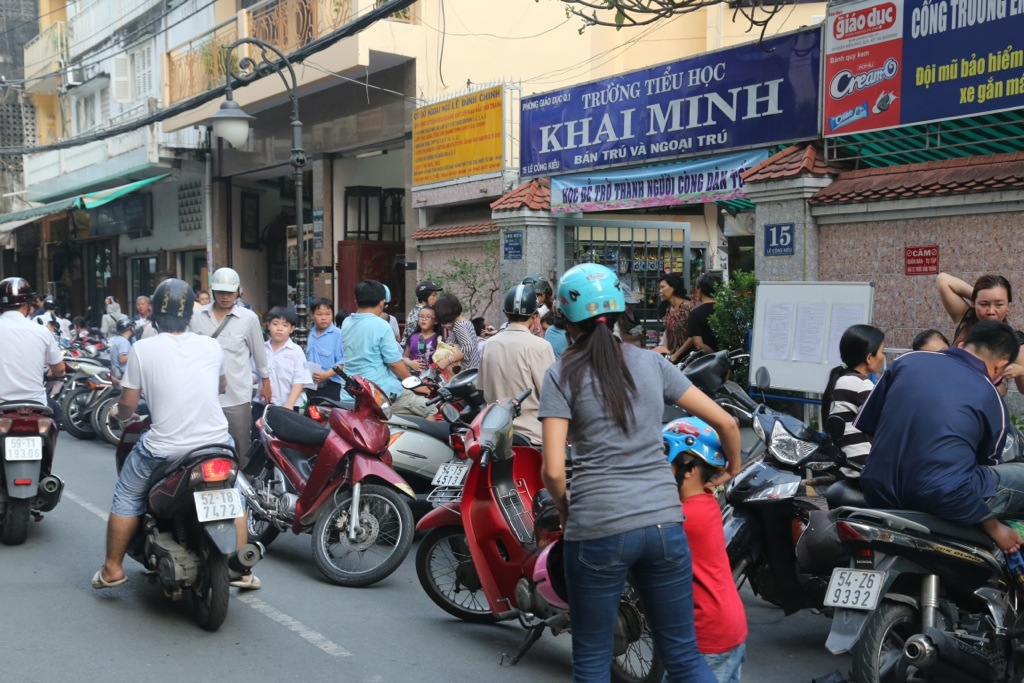
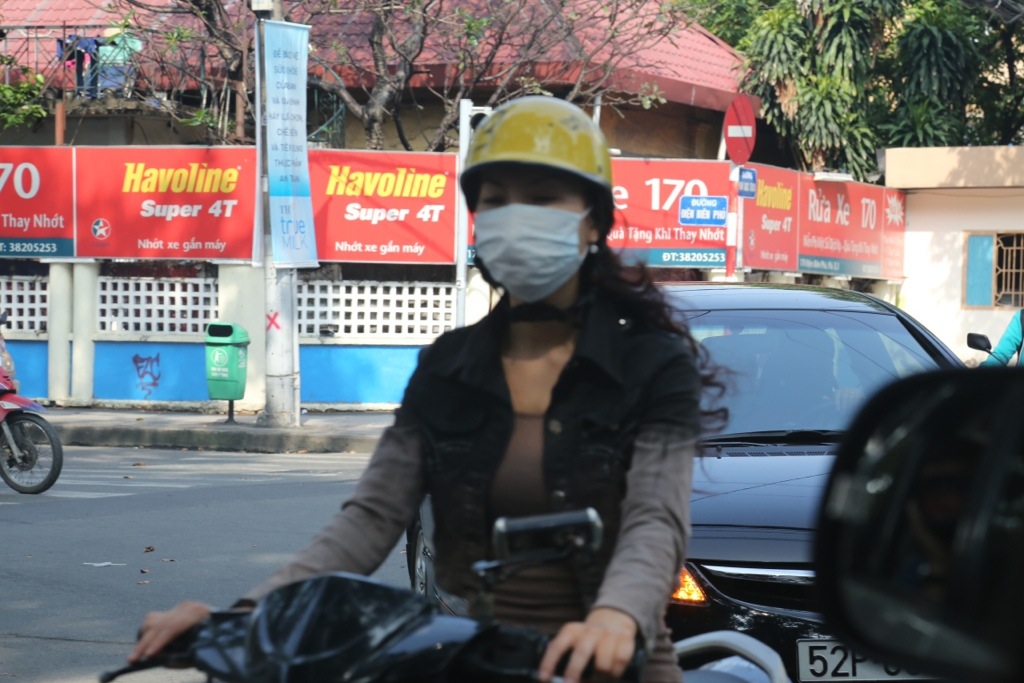
Saigon is definitely not Hanoi. Driving in from the airport, we immediately noticed that the city is more affluent and more Western than Hanoi, which has had less economic advantage. There are still millions of people on motorbikes. Crossing the street is still an adventure. But, there is a coffee shop on every street corner and many very upscale stores and hotels. While we feel right at home here, it has a much less exotic feel then we’ve enjoyed on the rest of our trip.
Off to the airport for our return trip home. We’ll do a final wrap-up on the trip once we get settled in Danville.

Mr. Cuong

 Lisa and Brad's Travels